
Free Training & Career Tips... Subscribe to Get Weekly Career Tips
By Subscribing You are Agreeing to Terms and Conditions
Freedom Day in South Africa is often associated with the imagery of long queues and the collective sigh of relief that swept the nation in 1994. While those moments are sacred, the essence of Freedom Day is not a static relic of the past. It is a living, breathing energy that influences how we embrace life in the 21st century.
As we celebrate this milestone on April 27, it is worth asking: How does the concept of “Freedom” translate into our modern working lives and our social interactions today?
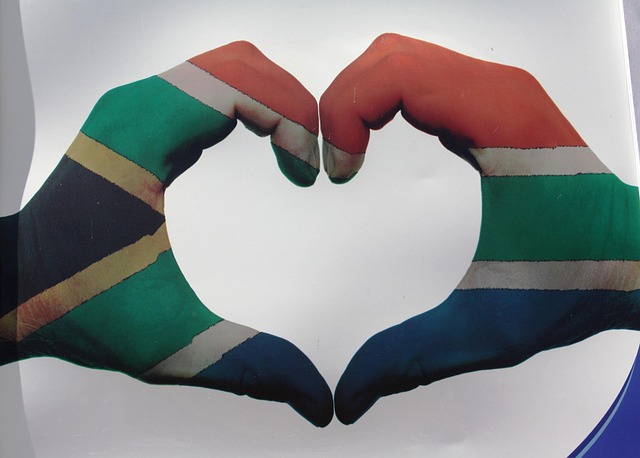
The struggle for freedom was a collective movement that secured the right to participate. In the modern era, that collective right has blossomed into personal sovereignty. Today, freedom means the ability to steer the course of one’s own life.
In a professional context, this translates to the move away from rigid, “top-down” structures towards a world of autonomy. We no longer just seek a job; we seek a purpose. This shift represents the ultimate fulfillment of freedom – the right to choose a path that aligns with our personal values and aspirations.
In the digital age, information is the new frontier of liberty. If 1994 was about political emancipation, 2026 is about intellectual emancipation.
The freedom to learn – to pivot enhance your career, to master a new technology, or to understand a different culture – is a privilege we must not take for granted. Stagnation is a form of constraint. By remaining lifelong learners, we exercise our freedom to stay relevant and resilient in an ever-changing global economy. Knowledge is the tool that ensures our hard-won independence remains robust.
South Africa’s greatest contribution to the global concept of freedom is the idea of “Unity in Diversity.” In our daily working lives, this is more than a slogan; it is a practical necessity.
True freedom in a workspace is the absence of fear. It is the freedom to disagree respectfully, to collaborate across cultural lines, and to leverage our different backgrounds to solve complex problems. When we foster an environment where diversity is celebrated rather than tolerated, we are creating a “Free Space” where innovation can thrive.
Freedom is inextricably linked to responsibility. The rights we enjoy today are maintained by the small, ethical decisions we make in our daily lives.
In our daily lives, these values keep us on course. Without ethics and empathy, freedom risks becoming self-centered; with them, it becomes a force for national building.
How do we practically honour Freedom Day?
The legacy of 1994 gave us the foundation, but we are the architects of the superstructure. Freedom Day is a reminder that the “walls” that used to divide us have been replaced by “bridges” we must now cross.
As we enjoy the public holiday, let us remember that the most profound act of freedom is the one that happens quietly, in our own hearts and minds – the decision to keep moving forward, to keep growing, and to keep choosing hope over fear.
Happy Freedom Day to all who continue to build, lead, and inspire.
About Us


Monday to Friday, 08:00–17:00. After hours, we reply on the next working day – or call 011 882 8853.
Copyright text 2026 by Business Optimization Training Institute.