
What Does an Operations Manager Do? Duties, Skills and Training
An operations manager runs the day-to-day work of an organisation: the processes, people, equipment, suppliers and budgets that turn inputs into the products or services customers pay for. Where a sales manager wins the order and a finance manager counts the money, the operations manager makes sure the order is produced and delivered on time, to standard and at a cost the business can afford. This guide explains what an operations manager does, the skills the job needs, how people get into it in South Africa, and the training that helps.
What does an operations manager do?
The job varies by industry. In a factory it centres on production; in a logistics company on fleets, warehouses and deliveries; in a call centre on staffing, service levels and systems; in a professional firm on workflow, resources and client delivery. The core duties are the same everywhere:
Planning and capacity
Forecast demand, plan the work, and make sure there are enough people, machines, stock and hours to meet it. When demand changes, the operations manager rebalances shifts, suppliers and priorities.
Processes and quality
Design and document how work is done, set quality standards, measure output against them, and fix the causes of errors, rework and waste. Many operations managers use methods such as lean, Six Sigma or kaizen for this.
People and teams
Lead supervisors and team leaders, set targets, manage performance, handle rosters and leave, keep training records up to date and build a team that can run the operation without constant supervision.
Budgets and costs
Own the operating budget: labour, materials, energy, maintenance, transport and overtime. Track spending against budget, explain variances and find savings that do not harm quality or safety.
Suppliers, stock and logistics
Work with procurement on supplier performance and contracts, keep stock at the right levels, and make sure goods and materials move in and out on time.
Compliance, health and safety
Make sure the operation meets the law and the organisation’s standards: health and safety, labour rules, environmental requirements, industry regulations and customer audits.
Reporting and improvement
Report on output, quality, cost, service and safety to senior management, usually on a small set of key performance indicators, and lead the improvement projects those numbers point to.
A typical day
Most operations managers start with the numbers from the previous day or shift: output, backlog, absenteeism, incidents and complaints. The morning goes to the floor or the dispatch area, a production or service meeting, and the problems that cannot wait. The afternoon goes to planning, supplier calls, budget work, staff matters and the improvement projects that make next month easier than this one. The job rewards people who can switch between detail and the bigger picture several times a day.
Skills an operations manager needs
- Planning and organising: turning demand into a workable schedule and resource plan
- Reading and using numbers: budgets, capacity, productivity, quality and cost-to-serve
- Process thinking: seeing how work flows and where it stalls
- Leadership: setting direction for supervisors and teams, and holding people to standards fairly
- Problem solving and decision making under time pressure
- Communication, upwards to management and across to sales, finance, HR and suppliers
- Working knowledge of health and safety, labour law basics and the regulations of the industry
How people become operations managers in South Africa
There are two common routes. Many operations managers come up through the operation itself: team leader, then supervisor, then shift or section manager, learning the business from the inside and adding management training along the way. Others arrive with a diploma or degree in operations, logistics, industrial engineering or business management and move into the role after a few years as a planner, analyst or junior manager. Employers usually value both: a track record of running something well, and the formal grounding to manage budgets, processes and people in a structured way.
Operations manager, general manager and production manager
- A production manager runs manufacturing output: lines, shifts, yield and plant. In a factory the operations manager often sits above production and also covers planning, logistics, quality and maintenance.
- An operations manager runs the whole delivery side of the business, whatever the industry.
- A general manager runs the business unit as a whole, including sales, finance and strategy, and the operations manager usually reports to them.
Operations management training at BOTI
BOTI runs practical courses for new and experienced operations managers, in-house at your premises, at BOTI’s venue in Sunningdale, Johannesburg, or live online:
- Operations Management Course (2 days): processes, capacity, scheduling, quality and the key performance indicators of an operation
- Strategic Execution Masterclass: Develop, Implement and Evaluate an Operational Plan (3 days): turning strategy into an operational plan and tracking it
- Plan and Manage Production and Operations in a New Venture (3 days)
- Supply Chain Management Course (1 day) and Logistics and Distribution Management (2 days) for the supply side of the role
These courses are not accredited. They are delivered as professional skills programmes, and delegates receive a BOTI certificate of attendance. The full range is on BOTI’s leadership and management courses page.
Frequently asked questions
What does an operations manager do?
An operations manager plans and runs the day-to-day work of an organisation: capacity and scheduling, processes and quality, teams and supervisors, the operating budget, suppliers and stock, compliance and safety, and the reporting and improvement that keep the operation on track.
What skills does an operations manager need?
Planning and organising, confidence with numbers and budgets, process thinking, leadership of supervisors and teams, problem solving under pressure, clear communication across departments, and a working knowledge of health and safety and labour rules.
What is the difference between an operations manager and a general manager?
The operations manager runs the delivery side of the business: production, service, logistics and quality. The general manager runs the whole business unit, including sales, finance and strategy, and the operations manager usually reports to them.
Do you need a qualification to be an operations manager?
Not always. Many operations managers rise from supervisor roles with management training on the way; others hold a diploma or degree in operations, logistics or business management. Employers look for a record of running an operation well together with the skills to manage budgets, processes and people.
Call BOTI on 011 882 8853 or email [email protected], or request a quote.

Professional Report Writing Skills Training Course
Don’t be scared of writing…Anyone can Write clearly and easily with our Report Writing Course: Professional Report Writing Skills Training Course!

This course (Professional Report Writing Skills Training Course: A Report Writing Course ) is designed for individuals who need to present information in report format.

The Challenge Johannesburg (Sandton), Cape Town, Durban, Port Elizabeth, Pretoria – South Africa
In today’s world a number of important decisions are made on the strength of reports. It is logical that if you wish to play a key role in an organization, your report writing skills will be regularly tested.
Learning and honing business writing skills can have a positive impact on an individual’s career advancement. Effective channels of communication make an organization run smoothly. Professional quality writing (taught via out Report Writing Course) improves productivity and the ability of all functional areas to work together, particularly in an increasingly global workplace where collaboration is the norm.
The Solution (Professional Report Writing Skills Training Course: Johannesburg (Sandton), Cape Town, Durban, Port Elizabeth, Pretoria – South Africa)
The outcomes of the course (Professional Report Writing Skills Training Course) include:
- Relate the purpose, content, form, frequency and recipients of a range of reports.
- The regular reports are identified for a selected organisation.
- The information needs of the organisation are linked to the purpose of each identified report.
- A template is drawn up for each report in the company specific format including the mandatory content headings.
- Liasing with relevant parties and verifying that reported information is in accordance with requirements and purpose of the report.
- Identify information sources & organisational procedures for obtaining & distributing information.
- List each report and the information sources required for input to the report.
- Draw up list of each information source, from whom it is obtainable, when it is available, its level of confidentiality, and to whom it should be returned.
- Compile reports related to a selected business function. The identified reports are compiled using current information. The created templates are used to write the reports and any necessary modifications are made and noted, to ensure compliance with business requirements. Possible amendments to reports are made in line with suggestions from recipients.
TRAINING APPROACH
Our two day training course is designed so that the knowledge acquired is applied practically, so that the business environment can be enhanced.
The course has a strong focus on an outcomes based approach and is presented to encourage group participation and involvement. Key mechanisms used include:
- Role-plays
- Practical relevant Exercises
- Speeches and Presentations
- Team sessions
- Practical Demonstrations
- Questionnaires
- Discussions and
- Case examples
All delegates (for Professional Report Writing Skills Training Course or Report Writing Course: Johannesburg (Sandton), Cape Town, Durban, Port Elizabeth, Pretoria – South Africa) will receive:
- Material, refreshments (lunch, tea),
- Memory stick (with relevant tools and models that can be easily accessed when applied back at work) (Reception and telephone etiquette Training Course)
Professional Report Writing Skills Training Course is an essential skill.
Public Course Schedule and Costs
Please click on link below for our closely linked public course:
See all BOTI communication and business writing courses.
Customized Courses – Book or Obtain Instant Quote
We also offer the above course across the country: Anytime, Anywhere. Click on the link to get an instant proposal or book your course NOW:
Book Course, Anytime, Anywhere
Or browse all our courses – run at your offices, online or at a BOTI venue:
Please Phone Us Now To Speak to One of Our Friendly Consultants
Tel:011-882-8853
OR
FOR CELL PHONES CLICK TO CALL
Please Fill in the Form – We Will Get Back to You Within 15 minutes
Please Email Us Now – We Will Get Back to You Within 15 minutes
[email protected]

2021 Public Course Schedule
Please Phone Us Now To Speak to One of Our Friendly Consultants
Tel:011-882-8853
OR
FOR CELL PHONES CLICK TO CALL
Please Fill in the Form – We Will Get Back to You Within 15 minutes
See all BOTI corporate training courses.
Please Email Us Now – We Will Get Back to You Within 15 minutes
[email protected]

Benefits of the Recognition of Prior Learning (RPL) Learnerships/Qualifications Program
The main benefits of recognition of prior learning (RPL) are simple. Employees get formal credit towards a nationally recognised qualification for skills they already use at work, without starting from scratch or leaving their jobs. Employers get qualified, motivated staff with little time away from the workplace. BOTI runs RPL and learnership routes on its SETA qualifications for RPL and learnerships, and the sections below set out the benefits for employees and employers, as well as the limitations.
What recognition of prior learning is and how it works
Recognition of prior learning means assessing and crediting what a person already knows and can do, for access to a programme or for certification. Many South African employees have years of practical experience but no qualification to show for it. RPL measures that experience against the outcomes of a registered qualification. Where the evidence meets the standard, the learner receives credit. Where it falls short, the learner completes only the training needed to close the gap.
A typical RPL process at BOTI follows these steps:
- Screening and advice: the learner’s experience is matched to a suitable qualification.
- Gap analysis: the outcomes the learner can already show are separated from those that still need training.
- Evidence portfolio: the learner gathers proof of competence, such as work samples, reports, testimonials from supervisors and records of tasks performed.
- Assessment and moderation: a registered assessor evaluates the evidence and the result is moderated.
- Gap training: short, focused learning covers any outcomes not yet met.
- Certification: achievements on legacy SETA qualifications are recorded on SAQA’s National Learners’ Records Database (NLRD).
Employee Benefits
- Provides a qualification that can be obtained in the workplace while the employee continues to earn an income.
- Recognises and formalises the experience and knowledge an employee has gained over many years of work.
- Gives the learner practical, on-the-job learning that ties directly to their role.
- Many working adults cannot afford the loss of income that full-time study would cost. They also need learning that relates directly to their field of work and improves their career prospects. RPL and learnerships meet both needs.
- Provides a launch pad for further learning, with a qualification earned through a structured learning programme.
- The qualification is nationally recognised and portable from one employer to another.
- A recognised qualification is a basis for further personal development. Learners often report better work standards, more job satisfaction and greater confidence.
To get involved in the recognition of prior learning process, contact BOTI about the RPL route that fits your experience. Training and assessment can run in-house at your premises, at BOTI’s venue in Sunningdale, Johannesburg, or live online.
Employer Benefits
- Learners with relevant work experience finish the programme with a qualification.
- It is a practical way of acknowledging and affirming the skills of existing employees.
- Because the programmes combine theory with relevant practical work, they tend to produce skilled people who:
- work more independently, need less supervision and solve problems more confidently;
- are motivated and look for ways to add value to the business;
- are less likely to leave an employer that takes an interest in their personal and professional development.
- Entering into learnership agreements with unemployed people builds a pool of skilled candidates from which the business can recruit later.
- Staff time away from work is shorter than on a full programme, because RPL credits what employees can already do and training focuses on the gaps.
- Training linked to your Workplace Skills Plan can support SETA grant claims. The mandatory grant is 20% of the levies you paid.[1] It is paid back when your Workplace Skills Plan and Annual Training Report are submitted to your SETA by 30 April[1] and your levy payments are up to date. Discretionary grants are allocated by each SETA according to its own funding windows and priorities, and are not guaranteed. Read more in BOTI’s guide on how to claim SETA funding.
Learnership tax incentive
Employers who sign registered learnership agreements may qualify for a learnership tax allowance from SARS. The allowance amounts and qualifying dates have changed over the years, so check the current SARS rules before you plan around them. BOTI’s guide to the learnership tax incentive explains how the allowance works.
Advantages and disadvantages of RPL
RPL saves time and recognises real experience, but it is not the right route for everyone. Weigh up both sides before you enrol a team.
Advantages: learners earn credit for what they already know, spend less time in a classroom and stay productive at work. The qualification they receive is nationally recognised.
Disadvantages and limitations:
- Building an evidence portfolio takes effort, and learners need support from their supervisors to collect proof of their work.
- Experience does not always match every outcome of a qualification, so most learners still complete some gap training.
- Legacy (pre-2009) SETA qualifications are being phased out. In June 2026 the Minister issued the final Directive on legacy qualifications (Gazette 54858, 17 June 2026),[2] with dates set qualification by qualification. Services SETA qualifications currently accept new enrolments until 30 June 2028, and learners must complete by 30 June 2031.[3] Always check the qualification’s SAQA record before you enrol.
- Some qualifications are already closed to new learners. For example, the National Certificate: IT End User Computing 61591 closed to new learners on 30 June 2026.[4]
Learnerships and SETA funding also come with paperwork and deadlines that employers need to manage. BOTI’s article on SETAs and the QCTO explains who does what in the skills system today. Newer QCTO occupational certificates end in an External Integrated Summative Assessment (EISA), and the QCTO issues the certificate.
You might also consider these RPL and learnership qualifications at BOTI:
- National Certificate: Generic Management (NQF Level 5)
- Further Education and Training Certificate: Generic Management (NQF Level 4)
- National Certificate: Business Administration Services (NQF Level 2)
Frequently asked questions
What are the benefits of recognition of prior learning?
RPL gives employees formal credit for skills they already have towards a nationally recognised qualification, so they spend less time in training and keep earning while they qualify. Employers gain qualified, motivated staff with less time away from work.
What are the advantages and disadvantages of RPL?
The advantages are shorter training time, recognition of real work experience and a portable qualification. The disadvantages are the effort needed to build an evidence portfolio, likely gap training, and the phase-out dates on legacy SETA qualifications, which differ per qualification.
How can RPL benefit me as an employee?
If you have years of experience but no qualification, RPL lets you prove your competence and earn a recognised qualification without leaving your job. This can open the way to promotion and further study.
Are there disadvantages of SETA learnerships for employers?
Learnerships need planning, paperwork and supervision, and SETA grants depend on meeting deadlines such as the 30 April Workplace Skills Plan submission. Legacy SETA qualifications also have last dates for enrolment, so check the SAQA record before you sign learners up.
Is RPL still available in South Africa in 2026?
Yes. RPL remains part of the national skills system. Services SETA legacy qualifications currently accept new enrolments until 30 June 2028, and newer QCTO occupational certificates end in an EISA before the QCTO issues the certificate. Ask BOTI which route fits your experience.
To recognise your team’s experience with a formal qualification, start with the National Certificate: Generic Management. New learners can enrol until 30 June 2028 and must complete by 30 June 2031.[3] Training runs in-house at your premises, at BOTI’s venue in Sunningdale, Johannesburg, or live online. Call BOTI on 011 882 8853 or email [email protected], or request a quote.
Sources
- Mandatory Grants – Health and Welfare SETA (HWSETA), 2026.
- Directive on the implementation of transitional arrangements for pre-2009 qualifications (Government Gazette 54858) – Minister of Higher Education and Training, 17 June 2026.
- Pre-2009 Extended Qualifications – South African Qualifications Authority (SAQA), June 2026.
- SAQA qualification record 61591: National Certificate: IT End User Computing – SAQA, 2026.

Essential Time Management Skills
Essential Time Management Skills
Time is of the essence and in today’s fast-paced workplace where the speed of technology and the speed of demand against the pressures of supply rule the game and us mere humans seem to be having a hard time keeping up with the need for speed in an increasingly demanding economy where we often wish that things we just slow down a little; …….. we don’t always have the luxury of time! And we find ourselves out of breath just reading this long sentence, which was purposely written this way to prove our case in point! So, let’s not waste any more time. The clock is ticking.
The material presented in this course will get you fast on your heels to enable you to efficiently manage teams and processes with a focus on translating strategic intent into effective daily action in line with the principles of time management.
BOTI offers time management courses, time management training programmes and project management training. Book your seat now on BOTI’s Essential Time Management Skills course. BOTI offers business training programmes across South Africa.
Course duration
2 days
Take time out to learn:
- The principles of time management.
- How to identify time management profiles.
- How to implement time efficient work plans.
- Techniques to assist you in drawing up time efficient work plans to carry out department/ division/section work functions.
- How to create a work/life balance.
- How to identify the top time wasters that impact an organisation’s productivity levels with a view to minimizing their negative influence.
- How to identify external forces that affect time utilization.
- How to delegate effectively in maximizing time utilization.
BOTI offers time management courses, time management training programmes and project management training. Book your seat now on BOTI’s Essential Time Management Skills course. BOTI offers business training programmes across South Africa.
Benefits of attending: Essential Time Management Skills course
Upon successful completion of this course you will have invested valuable time in improving your time management skills and will have become proficient at:
- Identify weaknesses in current work processes in terms of poor time management.
- Identify the external forces that affect time utilization and understand their effects on the business.
- Understanding the principles of time management to enable greater efficiencies.
- Understanding the 80/20 principle in identifying key tasks.
- Delegation as a means of the correct use of time and human resources and understanding the implications of good and bad practices around time management.
- Prioritising as a technique to manage the work of a team, group or section is explored in relation to the specific group and a decision is taken as to which tasks take greater priority for the group in terms of urgency requirements.
- Understanding the principle of balance between the various aspects of one’s life as it pertains to allocating time to each task and effectively establishing a work-life balance.
- Develop time-efficient work plans to carry out department/division work functions and tasks.
- Understanding and clearly defining organizational objectives in terms of the work that needs to be carried out by the department, division or section.
- Translating objectives into work plans.
- Identifying the key activities required to complete a specific project and analyzing tasks and work procedures so that they may be assigned to a specific time frame.
- Developing plans that eliminate and/or manage time wasters.
- Implementation of time efficient work plans.
BOTI offers time management courses, time management training programmes and project management training. Book your seat now on BOTI’s Essential Time Management Skills course. BOTI offers business training programmes across South Africa.
Who is this course suitable for?
This course is aimed at supervisors, team leaders and managers who are seeking to improve their general management skills.
This Unit Standard course is aligned to Unit Standard 15234: Apply efficient time management to the work of a department/division/section
You might also enjoy: Customer Service Excellence
Creative Problem Solving and critical thinking course
BOTI offers time management courses, time management training programmes and project management training. Book your seat now on BOTI’s Essential Time Management Skills course. BOTI offers business training programmes across South Africa.

Customer Service Excellence Training
Customer Service Excellence
‘The customer is king’ may be an old cliché yet it is still widely used when dealing with customer service excellence. Without the customer, there is no business, hence, for any business to succeed it needs to develop a customer service excellence culture that takes a serious approach towards achieving and maintaining high levels of customer satisfaction and whereby measures are in place to consistently monitor and strive to improve customer service levels on an ongoing basis.
The material outlined in this course will help you develop the skills you need to effectively improve your understanding of the importance of the customer or client to the success of any business. You will learn how to monitor customer service levels between an organization and its customers, both internal and external and take remedial steps towards improving customer service levels where necessary.
Customised training for your team. BOTI tailors this course to your organisation and runs it in-house at your premises, at its venue in Sunningdale, Johannesburg, or live online. Request a quote or call 011 882 8853.
See all BOTI Microsoft Office and computer skills courses.
Course duration
2 days
‘The customer is king’ – make your business his kingdom when you learn how to:
- Identify internal and external customers.
- Measure customer satisfaction on an ongoing basis.
- Recommend corrective action where necessary.
- Understand and describe the levels of customer service expected by the organization.
- Understand and describe the importance of the customer/client to the organization.
- Know your customer.
- Build a customer service centre of excellence.
- Monitor customer service levels between the organization and its customers/clients.

Benefits of attending: Customer service excellence course
Upon successful completion of this course you will have gotten to know your customer on many levels and become adept at:
- Identifying internal and external customers in the ‘supply chain’ including internal and external suppliers and customers, contractors, service providers, consultants and sales team members.
- Understanding what is required by the organization in terms of customer service standards and determine key performance areas.
- Understand the importance of maintaining and achieving customer service levels.
- Understanding the consequences of poor service on the goals and objectives of the organization.
- Measure customer satisfaction levels on an ongoing basis with key performance areas in line with organizational standards.
- Provide feedback to team members in line with Standard Operating Procedures.
- Record and evaluate the results of measuring activities involving levels of customer satisfaction and recommend corrective action where necessary.
Who is this course suitable for?
This course is aimed at managers who are seeking to improve their knowledge and skills of customer relations.
This Unit Standard course is aligned to Unit Standard 242829: Monitor the level of service to a range of customers
You might also enjoy: Creative Problem Solving and critical thinking course
BOTI offers customer service programmes, customer service courses and training in customer service. Book your seat now on BOTI’s Customer Service Excellence course. BOTI offers business training programmes across South Africa.

Taking charge as a Leader & Closing the Gap between Specialist and Manager
Taking charge as a Leader & Closing the Gap between Specialist and Manager
So, you are a technical specialist. Suddenly, you are excelling at what you do and senior management places you in charge of an important project that comes, yes, with not only technical resources but also with a team of people for you to manage and you have no idea where to begin. Now, you are very good at your job from a technical point of view and although you have much to offer in terms of knowledge and expertise, this is your first time facing the task of managing a team of people. Suddenly, you realize that there are distinct differences between management and leadership that were not obvious to you until now and you know that you need to close the gap between being a specialist and taking on the mantle of leadership so that you can move forward with confidence.
This course is an opportunity to help you grow in mastering leadership techniques in that you will effectively be able to explain the concept of leadership, differentiate between the concepts of management and leadership, evaluate the impact of the leadership techniques put in place and apply those techniques to individuals and teams.
BOTI offers leadership training, management training Johannesburg and leadership skills courses. Book your seat now on BOTI’s Taking Charge as a Leader & Closing the Gap Between Specialist and Manager course. BOTI offers business training programmes across South Africa.
Course duration
3 days
Take the leap and learn to lead. A positive step towards learning how to:
- Differentiate between the concepts of leadership and management.
- Explain the concept of leadership.
- Evaluate the impact of the leadership techniques applied.
- Apply leadership techniques to individuals and teams within the work context.
- Identify the roles and qualities of a leader.
- Understand leadership theories.
- Understand the circumstances within which a team leader manages and leads.
- Formulate team leadership approach according to individual needs and organisational requirements.
BOTI offers leadership training, management training Johannesburg and leadership skills courses. Book your seat now on BOTI’s Taking Charge as a Leader & Closing the Gap Between Specialist and Manager course. BOTI offers business training programmes across South Africa.
Benefits of attending: Taking charge as a Leader & Closing the Gap between Specialist and Manager course
Upon successful completion of this course you will have mastered your leadership skills in the following areas:
- Understand the concept of leadership as per accepted definitions.
- Understand the various qualities of a leader including empathy, objectivity, transparency, accountability, responsibility, honesty, integrity, assertiveness, consistency and making reference to present and historical leaders.
- Understand the various roles of a leader including visionary capabilities, the capacity to innovate, the ability to motivate oneself and others, knowing how to create synergies and facilitating a developmental environment.
- Differentiate between the concepts of management and leadership by means of practical examples and working scenarios.
- Understanding the circumstances in which a team leader manages and leads as applied to practical examples in the work context.
- Apply leadership techniques to individuals and teams within the work context using techniques such as trait leadership, leadership based on behavior styles, servant leadership and transformational leadership.
- Identify and apply various theories of leadership.
- Implement various leadership techniques in order to improve group dynamics and achieve objectives.
- Critically evaluate the impact of the leadership techniques applied and adjust where necessary.
BOTI offers leadership training, management training Johannesburg and leadership skills courses. Book your seat now on BOTI’s Taking Charge as a Leader & Closing the Gap Between Specialist and Manager course. BOTI offers business training programmes across South Africa.
Who is this course suitable for?
This course is aimed at supervisors, team leaders and junior managers who manage a team.
This Unit Standard course is aligned to Unit Standard 242824: Apply leadership concepts in a work context
Testimonials
Melissa Bester – Aveng Grinkaker-LTA Mechanical & Electrical
‘I have learnt more about myself, my skills and how to make some positive changes. I did not expect the course to be so informative and positive and inspiring. I feel like a different person. For me, the course was more than what I expected, so I would not change anything. The facilitator was amazing.‘
Mini Mokoena – Department of Economic, Small Business, Development & Environmental Affairs
‘The course was not only about work but it was also about personal changes. The content in the presentation was excellent. The best thing about this course was the focus on work and changing individual lives. ‘
Mpho Malakoane – Department of Economic, Small Business, Development & Environmental Affairs
‘This course confirmed my realization for a need to make changes in my life to positively change my future. What went well for me were the presentations and the ability to interact with all the participants. The best thing about this course was the instructor’s drive to go beyond and exceed my expectations.’
Michelle Selo – – Department of Economic, Small Business, Development & Environmental Affairs
‘Through interactions and disccussions I learnt the importance of good leadership in taking an organization forward. What went well for me was the fact that the training was very interactive thus allowing every individual to voice their opinions on matters. The best thing about this course was the manner in which it was presented, it was very practical. Thank you very much Jaini for opening my eyes on a lot of issues, this has been very beneficial training.’
You might also enjoy: Developing your Interpersonal Skills to Effectively Resolve Conflict
Monitoring Individual Performance to create High Functioning teams
Empower yourself with Essential Conflict Management Skills
BOTI offers leadership training, management training Johannesburg and leadership skills courses. Book your seat now on BOTI’s Taking Charge as a Leader & Closing the Gap Between Specialist and Manager course. BOTI offers business training programmes across South Africa.

Master Effective Business Communication & Presentation Skills
A business communication and presentation skills course teaches managers to write clear reports, chair meetings, lead discussions and deliver presentations with confidence. BOTI’s five-day Master Effective Business Communication & Presentation Skills course covers written and oral communication, voice, body language and report writing – see all BOTI communication and business writing courses.
Master Effective Business Communication & Presentation Skills
Mastering effective communication in the workplace is part of every senior manager’s role. Achieving a measure of excellence in both oral and written communication techniques is a prerequisite in any leadership capacity. The ability to lead a discussion, hold formal meetings with confidence, use voice and body language control to create the desired impact on the audience leading to positive outcomes and gather information to generate reports are examples of some of the skills that need to be harnessed. In a nutshell – leading effectively through getting the right message across.
This powerful course will help you to master the techniques of business communication in that you will have the confidence and know-how to boldly chair meetings or lead discussion panels, deliver presentations of a high standard and effectively use information gathering techniques to create a wide range of reports.
Course duration
Five days, in-house at your premises, at BOTI’s venue in Sunningdale, Johannesburg, or live online.
Lead with communication excellence when you:
- Develop an in-depth understanding of written and oral communication techniques used in the workplace.
- Deliver effective presentations.
- Lead discussions and chair meetings.
- Generate a variety of workplace reports using various data gathering techniques.
- Understand and apply communication theories.
- Understand use of body language.
- Understand use of voice.
- Understand use of dress code.
Benefits of attending: Master Effective Business Communication & Presentation Skills course
Upon successful completion of this course you will have mastered the art of delivering an effective presentation in the following aspects:
- Effectively communicate technical information.
- Gathering relevant information with which to compile appropriate content.
- Systematically analyse information.
- Identifying the target audience.
- Structuring reports and presentations in line with the needs of the target audience.
- Logically and clearly structure presentations and reports to suit the needs of the target audience.
- Logically and clearly structuring presentations to address relevant issues.
- Logically, clearly and articulately presenting information in reports and presentations.
- Techniques for compiling workplace reports.
- Working with various types of workplace reports.
- Using various data gathering techniques.
- The presentation delivery.
Who is this course suitable for?
This course is aimed at managers who are required to lead through effective communication and who are seeking to improve their business communication skills.
Testimonials from similar courses
Queen Anne Z. – national government department
‘I was motivated, inspired and gained self-confidence. The benefits of the course will always be cherished.’
You might also enjoy: Key Negotiation Skills (2 days), Business Writing Skills for Function and Purpose (3 days) and Business Communication Strategies: Verbal, Non-Verbal and Written (3 days).
Frequently asked questions
What does a business communication course cover?
It covers written and oral communication in the workplace, structuring reports and presentations for the audience, gathering and analysing information, chairing meetings and leading discussions, and the use of voice, body language and dress.
Who should attend this course?
Managers who have to lead through communication and want to improve how they present, write reports and run meetings.
How long is the course?
Master Effective Business Communication & Presentation Skills runs over five days.
Is the course accredited?
No. It is a professional skills course, and delegates receive a BOTI certificate of attendance.
Book BOTI’s Master Effective Business Communication & Presentation Skills (5 days) course. Training runs in-house at your premises, at BOTI’s venue in Sunningdale, Johannesburg, or live online. Call BOTI on 011 882 8853 or email [email protected], or request a quote. This course is not accredited. It is delivered as a professional skills programme, and delegates receive a BOTI certificate of attendance.

Key Negotiation Skills
Key negotiation skills
Conflict in the workplace may not be easy to deal with and often, feelings and emotions get in the way of good professional judgement when personal as well as professional differences arise between team members of a business unit. While not necessarily a pleasant task, there are many ways in which conflict situations can effectively be handled – without those involved in the situation flying off the handle. One of the ways to handle conflict situations and seek resolution is through negotiation.
The aim of this course is to help you apply negotiation techniques in resolving conflict situations in the workplace between individuals within a team or business unit.
Don’t fly off the handle – instead handle things the right way when dealing with conflict when you enrol now on BOTI’s Key Negotiation Skills course. BOTI offers organisational management training programmes, business management courses and leadership training programmes. BOTI offers business training programmes across South Africa.
Course duration
2 days
Don’t fly off the handle. Handle conflict through negotiation when you learn how to:
- Prepare for negotiations.
- The negotiation process.
- Elements of the negotiation process.
- Conduct negotiations.
- Stages of the negotiation process.
- Different types of negotiations
- Conclude negotiations.
- Evaluate negotiations.
Don’t fly off the handle – instead handle things the right way when dealing with conflict when you enrol now on BOTI’s Key Negotiation Skills course. BOTI offers organisational management training programmes, business management courses and leadership training programmes. BOTI offers business training programmes across South Africa.
Benefits of attending: Key negotiation skills course
Upon successful completion of this course you will have developed an understanding of the importance of the negotiation process in the following aspects:
- How to prepare the documentation required involved in the negotiation process.
- Understanding the purpose and reasons for negotiation.
- The various types of negotiation strategies including distributive, integrative, positional, principled, interest-based, target-specific bargaining and problem-solving.
- Prioritising issues to be negotiated using participatory processes.
- In preparing for the negotiating process, communicate relevant information around issues to be negotiated to all relevant stakeholders.
- How to develop a negotiation strategy and select appropriate tactics to be employed.
- Using appropriate communication and interpersonal skills during the negotiation process including respect, empathy, authenticity integrity and openness.
- Where necessary, the appropriate use of experts, brainstorming, trade-offs, linkages and/or concessions.
- How to effectively evaluate a negotiation processing terms of strengths and weaknesses whilst seeing to it that the process is on brief.
- Identifying opportunities and mechanisms to improve the negotiation process.
- Identifying and solving problems during the negotiation process.
- Using appropriate presentation techniques during the negotiation process.
- The appropriate use of technology in recording and reporting on negotiation outcomes.
- Observing cultural and aesthetic sensitivities across a range of social contexts during the negotiation process.
Don’t fly off the handle – instead handle things the right way when dealing with conflict when you enrol now on BOTI’s Key Negotiation Skills course. BOTI offers organisational management training programmes, business management courses and leadership training programmes. BOTI offers business training programmes across South Africa.
Who is this course suitable for?
This course is aimed at supervisors, team leaders and managers who manage a team and are interested in learning about how to deal with conflict in the workplace.
Testimonials from similar courses
Masheleng Motsoane – Ministry of Agri and Food Security
‘Eye opening – equipping participants with the knowledge and skills necessary.’
Masupha Malebesana – Ministry of Gender
‘I learned that it is very important to research and research. The instructor was confident when imparting information and also very informative.’
This Unit Standard course is aligned to Unit Standard 117853: Conduct negotiations to deal with conflict situations
You might also enjoy: Business Writing Skills for function and Purpose
Adding value in Managing a Diverse Workforce
Don’t fly off the handle – instead handle things the right way when dealing with conflict when you enrol now on BOTI’s Key Negotiation Skills course. BOTI offers organisational management training programmes, business management courses and leadership training programmes. BOTI offers business training programmes across South Africa.

Adding value in Managing a Diverse Workforce
Adding value in Managing a Diverse Workforce
Today, South Africa’s workforce is made up of individuals from a host of diverse backgrounds and cultures. The ability to understand and manage all types of people is critical to achieving business goals.
This interesting and illuminating course covers the important aspects of what you would typically come across in dealing with people who not only have many differences but many similarities too and how these can be leveraged to maximize efficiencies in the workplace.
You will be adding value by understanding the reality of diversity and its value in a unit and you will learn how to manage team members while taking into account their similarities as well as their differences by aligning these to the benefit of achieving common goals. You will also learn how to deal with disagreements and conflicts that arise from diversity in a unit.
Get a handle on managing diversity and enrol now for BOTI’s Adding Value in managing a diverse workforce course. BOTI offers management training programmes, management courses and leadership training programmes. BOTI offers business training programmes across South Africa.
Course duration
2 days
This highly informative course will help you gain an in-depth understanding of the true value of diversity and take you through practical steps towards:
- Demonstrating an understanding of the reality of diversity and its value in a unit.
- Dealing with disagreements and conflicts arising from diversity in a unit.
- Demonstrating knowledge and understanding of diversity in the workplace.
- Managing team members while taking into account their similarities and their differences.
- Aligning similarities and differences to the benefit of common objectives.
- Understand what is meant by diversity.
- Understanding different cultures.
- Understanding different values.
Get a handle on managing diversity and enrol now for BOTI’s Adding Value in managing a diverse workforce course. BOTI offers management training programmes, management courses and leadership training programmes. BOTI offers business training programmes across South Africa.
Benefits of attending: Adding value in managing a diverse workforce course
Upon successful completion of this course you will understand the various aspects involved in managing diversity in the workplace including:
- Diversity issues related to race, gender, age, disabilities, religion, job title, physical appearance, sexual orientation, nationality, multi- culturalism, competency, training, experience and personal habits.
- The benefits of valuing diversity in the workplace.
- How diversity impacts organizational culture.
- Understanding the barriers to making diversity an imperative.
- Managing diversity and its impact on business.
- The benefits of effectively managing diversity.
- Challenges around diversity in the workplace.
- Internal obstacles around diversity in the workplace.
- External obstacles around diversity in the workplace.
- Racism as a hindrance to managing diversity.
- Reasons for managing diversity in the workplace.
- How to effectively go about managing diversity in the workplace.
Who is this course suitable for?
This course is aimed at supervisors, team leaders and junior managers who manage a team.
Get a handle on managing diversity and enrol now for BOTI’s Adding Value in managing a diverse workforce course. BOTI offers management training programmes, management courses and leadership training programmes. BOTI offers business training programmes across South Africa.
Testimonials from similar courses
Mini Mokoena – Department of Economic, Small Business, Development & Environmental Affairs
‘The course was not only about work but it was also about personal changes. The content in the presentation was excellent. The best thing about this course was the focus on work and changing individual lives. ‘
Mpho Malakoane – Department of Economic, Small Business, Development & Environmental Affairs
‘This course confirmed my realization for a need to make changes in my life to positively change my future. What went well for me were the presentations and the ability to interact with all the participants. The best thing about this course was the instructor’s drive to go beyond and exceed my expectations.’
Michelle Selo – Department of Economic, Small Business, Development & Environmental Affairs
‘Through interactions and disccussions I learnt the importance of good leadership in taking an organization forward. What went well for me was the fact that the training was very interactive thus allowing every individual to voice their opinions on matters. The best thing about this course was the manner in which it was presented, it was very practical. Thank you very much Jaini for opening my eyes on a lot of issues, this has been very beneficial training.’
This course is aligned to Unit Standard 252043: Manage a diverse work force to add value
Get a handle on managing diversity and enrol now for BOTI’s Adding Value in managing a diverse workforce course. BOTI offers management training programmes, management courses and leadership training programmes. BOTI offers business training programmes across South Africa.

Solving Problems With Excel
Excel can solve far more than accounting problems: with formulas and built-in functions such as IF, VLOOKUP and MATCH you can build a spreadsheet that answers a specific business question. BOTI teaches these skills in its intermediate Excel courses – see all BOTI Microsoft Office and computer skills courses.
Solving problems with Excel
It is a common misconception that many people view Excel as a tool that is used solely for business applications. Yet, all types of problems can be solved using Excel. Yet, for business purposes you may need functions that are a little more sophisticated. Formulae for calculations or macro programming to automate the processing of data. Whatever the problem may be, Excel has the capability to help you solve it using functions such as formulas, subtotals and text formatting.
This course will see you will on your way to mastering the functions of Excel in that you will learn how to develop a solution to a specified problem using formulas and built-in functions. You will master working with multiple worksheets and create a visually appealing presentation using special effects. You will also learn how to use formatting techniques and adjust the settings to create a customized view.
Which course covers this today
BOTI no longer runs Solving Problems with Excel as a separate course. The same skills, including formulas, IF, LOOKUP, VLOOKUP and MATCH, are covered in Microsoft Excel Intermediate (1 day) and Microsoft Excel Intermediate to Advanced (2 days).
Master problem solving with Excel when you learn how to:
- Prepare and produce a spreadsheet to provide a solution to a given problem.
- Adjust settings to customise the view and preferences of the spreadsheet application.
- Work with multiple worksheets.
- Apply formulae to worksheets to provide alternative solutions to a problem.
- Apply simple built-in functions of the spreadsheet application to the given problem.
- Apply formatting to a spreadsheet applicable to the given problem.
- Use special effects to improve the presentation of the spreadsheet.
- Evaluate a spreadsheet.
Benefits of attending: Solving problems with Excel course
Upon successful completion of this course you will become adept at performing a number of different functions and operations in solving problems using Excel including:
- Adjusting the toolbar menus in Excel.
- Changing the size of view in Excel.
- Changing the view of a spreadsheet.
- Freezing cells, rows and columns.
- Changing file location.
- Changing the username and altering properties.
- Altering the view options.
- Working with multiple worksheets.
- Changing names and altering cells in a worksheet.
- Entering, altering, adjusting and manipulating formulas in Excel to achieve a specific outcome.
- Using the SUM function to add values in cells.
- Using the IF function to determine whether a condition is true or false.
- Using the LOOKUP function to look in a single row or column to find a value from the same position in another row or column.
- Using the VLOOKUP function to find things in a table or a range by row.
- Using the MATCH function to search for an item in a range of cells.
- Using the CHOOSE function to select one of up to 254 values based on the index number.
- Formatting sheets in Excel.
- Formatting cells for numbers, currency and percentages and copying formatting.
- Applying special effects to a spreadsheet to improve presentation.
Who is this course suitable for?
This course is suitable for those individuals who are seeking to improve their computer skills.
Testimonials from similar courses
Bianca S. – agrochemical company
‘I learnt a lot of new formulas and tricks to automate processes. What went well for me was hands-on learning with examples from our own work put into perspective.’
Kelly-anne S. – agrochemical company
‘What went well for me was the use of formulas and pivot tables and I now have more knowledge on how to use Excel better.’
Katrien de R. – agrochemical company
‘I learned new skills regarding formulas, functions and pivot tables..
Diederick K. – agrochemical company
‘I can now easily set up my data into Excel.’
Amanda C. – gold mining
‘I gained better insight and understanding of Excel and am more comfortable operating the app. I learnt formulas, pivot tables and consolidating. The course was relaxed and informative.’
You might also enjoy: Excel Pivot Tables, Dashboards and Power Pivot (2 days) and Microsoft Excel Advanced (1 day).
Frequently asked questions
Which Excel functions help solve business problems?
Core functions include SUM, IF for conditions, LOOKUP, VLOOKUP and MATCH for finding values in tables, and CHOOSE for selecting from a list of options.
What does VLOOKUP do?
VLOOKUP looks for a value in the first column of a table and returns a value from the same row in another column.
Which BOTI course covers problem-solving in Excel?
Microsoft Excel Intermediate (one day) and Microsoft Excel Intermediate to Advanced (two days) cover formulas and functions for solving problems.
Are BOTI’s Excel courses accredited?
No. They are professional skills courses, and delegates receive a BOTI certificate of attendance.
Book BOTI’s Microsoft Excel Intermediate (1 day) course. Training runs in-house at your premises, at BOTI’s venue in Sunningdale, Johannesburg, or live online. Call BOTI on 011 882 8853 or email [email protected], or request a quote. This course is not accredited. It is delivered as a professional skills programme, and delegates receive a BOTI certificate of attendance.

MS PowerPoint for beginners
MS PowerPoint for beginners
Microsoft PowerPoint is the presentation software application of the Microsoft Office suite. PowerPoint is often a vital component of business meetings and classroom lectures alike with its sophisticated, easy to use graphical and animation capabilities. When used to its full potential, PowerPoint can improve the quality and clarity of your presentations and help you to illustrate your message and effectively engage your audience.
This course will enable you to create winning formula creative presentations using a number of different features such as inserting shapes, inserting images, adding animations and adding SmartArt which is an invaluable tool in creating organization charts that include pictures and text or combinations of both and that can be used for many different kinds of diagrams allowing for variety using text bullet points.
Get your point across and enrol now for BOTI’s MS PowerPoint for beginners course. BOTI offers pc training courses, pc short courses and pc training programmes. BOTI offers business training programmes across South Africa.
Course duration
1 day
Create winning formula presentations when you learn how to:
- Prepare and produce a presentation according to a specified brief.
- Adjust settings to customize the view and preferences of the presentation application.
- Work with multiple presentations.
- Format a presentation.
- Use special presentation effects.
- Apply special formatting to a presentation.
- Customise a presentation for a specified purpose.
- Evaluate a presentation produced for a specific purpose.
Benefits of attending: MS PowerPoint for beginners course
Upon successful completion of this course you will become adept at performing a number of different functions and operations using PowerPoint including:
- How to design effective presentation slides with consistency and using contrast
- How to use animations and media in a professional presentation.
- Using the Quick Access Toolbar.
- How to work with presentation themes.
- How to copy and move texts between windows or slides.
- Customizing files with colours, fonts and effects.
- Applying background styles to presentations.
- Formatting placeholders on the slide master.
- Adding graphics to the slide master and layouts.
- Adding tabs to presentations.
- Inserting, cropping and formatting pictures.
- Adding headers, footers and dates to slides.
- Adding speaker notes to presentation slides.
- Adding page numbers to slides.
- Sorting and hiding slides.
Get your point across and enrol now for BOTI’s MS PowerPoint for beginners course. BOTI offers pc training courses, pc short courses and pc training programmes. BOTI offers business training programmes across South Africa.
Who is this course suitable for:
This course is aimed at individuals who are seeking to improve their computer skills.
Testimonials from similar courses
Daniels Cloete – Black Mountain Mining (Pty) Ltd
‘This course was a real benefit in learning the finer details of Powerpoint. ‘
G Green – Black Mountain Mining (Pty) Ltd
‘Very ‘learning-full’ and insightful. The facilitator was very helpful and know the subject very well.’
Amanda Cunningham – Endeavour Mining
‘I now have an improved understanding of the application. The best thing about this course was the animation.’
This Unit Standard course is aligned to Unit Standard 117923: Use a Graphical User Interface (GUI)-based presentation application to prepare and produce a presentation according to a given brief
You might also enjoy: MS Word for beginners
Get your point across and enrol now for BOTI’s MS PowerPoint for beginners course. BOTI offers pc training courses, pc short courses and pc training programmes. BOTI offers business training programmes across South Africa.

MS Word for Beginners
BOTI’s MS Word training for beginners is a one-day computer training course. It teaches you to create, format, check and save professional business documents in Microsoft Word, including tables, images, headers and footers, and mail merge. It forms part of BOTI’s Microsoft Office and computer skills courses, which run in-house, at BOTI’s venue in Sunningdale, Johannesburg, or live online.
Anyone who writes and compiles documents for business needs to know how to use a word processor and its core features. Word’s editing tools are a good example. A spelling and grammar checker, a built-in dictionary and a thesaurus help you catch mistakes before a document leaves your desk. These checking tools save time, reduce communication errors and help you present your work in an organised, professional way.
This course teaches you to manage your documents. You will create tables, apply formats, font styles and colours, insert pictures and other elements, and save your documents in formats that other applications can open. You will also learn the essentials of mail merge.
What you will learn on the MS Word for beginners course
- Use the core features of Microsoft Word on a personal computer, including the spelling and grammar checking tools.
- Create and use bulleted and numbered lists and tables.
- Insert and position pictures, images and objects in a document.
- Use the mail merge feature.
- Save a document in a file format that can be used in other applications.
- Work with common file types: GIF (Graphics Interchange Format), PNG (Portable Network Graphics), JPEG and PDF (Portable Document Format).
- Understand the compatibility of file formats.
- Create a professional layout.
Benefits of attending: MS Word for beginners course
When you complete this course, you will be able to carry out a range of everyday tasks in Word, including:
- Changing the appearance of a document.
- Adding borders to a document.
- Choosing or creating a document template for a specific task.
- Inserting and formatting headers and footers.
- Inserting page breaks and section breaks.
- Inserting symbols, the date and time, and page numbers.
- Inserting endnotes and footnotes.
- Checking a document with the spelling and grammar tools.
- Using the thesaurus.
- Creating lists and tables in a document.
- Inserting bulleted or numbered lists.
- Creating a standard table.
- Changing table cell attributes.
- Inserting and deleting rows and columns.
- Adding borders to a table.
- Formatting a table quickly with table styles.
- Adding and adjusting pictures, images and objects in a document.
- Adding and adjusting shapes.
- Using the mail merge feature.
- Creating a mailing list or data file.
What a one-day MS Word training course looks like
The course is practical. You work on a computer throughout the day, building documents step by step rather than watching slides. A typical flow starts with the basics of typing, editing and formatting text. It then moves to page layout (margins, breaks, headers, footers and page numbers), lists and tables, and pictures and shapes. It ends with spelling and grammar checks, saving in the right file format, and a first mail merge.
Bring examples of the documents you produce at work, such as letters, memos, reports or forms. Applying each feature to a real task makes it easier to use the skill when you are back at your desk.
The course content is based on the outcomes of unit standard 7570: Produce word processing documents for business.
Who is this course suitable for?
This course is aimed at people who want to improve their computer skills and produce neat, consistent business documents. Examples include administrators, receptionists, assistants, new employees, and staff returning to office work.
You should be comfortable using a mouse and keyboard and opening and saving files. If you are new to computers, start with Introduction to Computers and Microsoft Office Basics. If slow typing holds you back, Improving Your Typing Skills: Touch Typing Course is a useful companion.
Choosing the right level of Word training
If you already use Word every day but want more control over long documents, styles and reviewing tools, a higher level may suit you better:
- Microsoft Word Beginners to Intermediate (2 days) covers the beginners content and then moves on to intermediate features.
- Microsoft Word Intermediate (1 day) is the next step after this course.
- Microsoft Word Advanced (1 day) is for experienced users.
If your team needs more than Word, the Microsoft Office All-in-One: Word, Excel, PowerPoint, Outlook and OneNote course covers the main Office programs in one programme.
You might also enjoy: Microsoft Outlook Beginners
Microsoft Excel Beginners to Intermediate
Frequently asked questions
What does MS Word training for beginners cover?
It covers formatting text and pages, headers and footers, page and section breaks, lists and tables, pictures and shapes, spelling and grammar checks, saving in compatible file formats, and the essentials of mail merge.
How long is the Microsoft Word Beginners course?
The Microsoft Word Beginners course runs for one day. If you want to continue to intermediate features, Microsoft Word Beginners to Intermediate runs over two days.
Can I do this computer short course near me or online?
Yes. BOTI runs the course in-house at your premises, at its venue in Sunningdale, Johannesburg, or live online, so delegates anywhere in South Africa can attend.
Do I need any computer skills before the course?
You should be able to use a mouse and keyboard and open and save files. If you are completely new to computers, start with Introduction to Computers and Microsoft Office Basics.
What should I take after Word for beginners?
Most delegates move on to Microsoft Word Intermediate and later Microsoft Word Advanced. Some add Excel or Outlook training to round out their Microsoft Office skills.
To book, see the Microsoft Word Beginners course page or request a quote for your team. Call BOTI on 011 882 8853 or email [email protected]. Training runs in-house at your premises, at BOTI’s venue in Sunningdale, Johannesburg, or live online. This course is not accredited. It is delivered as a professional skills programme, and delegates receive a BOTI certificate of attendance.

MS Outlook for Beginners
MS Outlook for beginners
Welcome to the digital age. Gone are the days when we used to print all of our business communication pieces on paper, place them in an envelope and either dump them in the out-tray for internal distribution or for external posting, send them through the postal system. Today, just about every piece of communication is sent via email, posted to a shared online platform or sent out via social media networks.
You’ve got mail! Open your inbox now and enrol on BOTI’s MS Outlook for beginners course. BOTI offers MS Office training courses, computer training courses and computer training programmes. BOTI offers business training programmes across South Africa.
This course is essential for the digital age and is specifically designed to get you up to speed with electronic mail communication. You will learn how to log on to the Internet and how to use electronic mail (email) software. You will also be shown how to read and reply to an electronic mail (email) message, use address functions and manage your email messages as well as how to adjust the basic settings in your electronic mailbox.
Course duration
1 day
Get online and learn how to:
- Log on to the Internet and use electronic mail (email) software to send and receive messages.
- Attach documents or files to an electronic mail (email) message.
- Organise and manage message folders or directories within electronic mail (email) software.
- Use address functions.
- Adjust basic settings.
- Set up a mailbox.
You’ve got mail! Open your inbox now and enrol now on BOTI’s MS Outlook for beginners course. BOTI offers MS Office training courses, computer training courses and computer training programmes. BOTI offers business training programmes across South Africa.
Benefits of attending: MS Outlook for beginners course
Upon successful completion of this course you will become adept at performing a number of different functions and operations using Outlook including:
- Understanding the basic principles of how email works.
- Understanding the various components of the mailbox such as Inbox, Sent, Outbox and the trash bin.
- Using the Cc (carbon copy) and Bcc (blind carbon copy functions) to copy others in on the email.
- How to use the signature function within an email.
- How to forward an email to another user.
- The correct use of ‘Netiquette’ (Internet etiquette) when sending an email.
- The use of emoticons (smileys).
- How to use a mailing list manager (MLM) and using ‘Subscribe’, ‘Unsubscribe’ and ‘Help’.
- How to use MIME (Multipurpose Internet Mail Extensions) to attach images, sound and text to an email.
- Understanding the structure of an email including the header, the message proper and the header fields.
- Understanding email security and authorized usage of email.
- Using anti-virus software.
- Understanding SPAM or Unsolicited Bulk E-mail (UBE).
- How to manage the Outlook Address Book.
Who is this course suitable for?
This course is aimed at those individuals who are seeking to improve their computer skills.
Testimonials from similar courses
Kelly-anne Smith – Meridian Agrochemical Company (Pty) Ltd
‘What went well for me was the use of formulas and pivot tables and I now have more knowledge on how to use Excel better.’
Daniels Cloete – Black Mountain Mining (Pty) Ltd
‘This course was a real benefit in learning the finer details of Powerpoint. ‘
This Unit Standard course is aligned to Unit Standard 7571: Demonstrate the ability to use electronic mail software to send and receive messages
You might also enjoy: MS Excel for beginners
You’ve got mail! Open your inbox now and enrol on BOTI’s MS Outlook for beginners course. BOTI offers MS Office training courses, computer training courses and computer training programmes. BOTI offers business training programmes across South Africa.

Excel for Beginners
A beginners’ Excel course teaches you to create, edit, format and print spreadsheets and to use basic formulas, so that you can handle everyday tasks with confidence. BOTI’s Microsoft Excel Beginners course runs over one day, in-house, at its venue in Sunningdale, Johannesburg, or live online – see all BOTI Microsoft Office and computer skills courses.
MS Excel for beginners
Microsoft Excel is perhaps the single most important software program used in business today. Particularly in the field of information systems, Excel is an essential end-user computing tool. Many business professionals use Excel to perform everyday functional tasks and an increasing number of people rely on Excel as a decision support tool. Excel lets users make sense of their data by using formulas across a grid of cells. Data is inserted into individual cells in rows or columns which allows sorting and filtering.
This course will enable you to create a spreadsheet from a given specification, manipulate data using cells, label cells and formula cells and perform basic sums such as addition, subtraction, multiplication, division and sum. You will also learn to create leading edge presentations using a number of different features such as pie charts and graphs and add colour to your presentation using the fill color function. A host of other key functions such as conditional formatting which enables you to easily spot trends and patterns in data is merely scratching the surface of what Excel can do.
Course duration
1 day
You will learn:
- The principles of creating spreadsheets.
- How to create, open and save spreadsheets.
- Produce a spreadsheet from a given specification.
- Edit a spreadsheet.
- Format a spreadsheet.
- Check spelling in a spreadsheet.
- Print a spreadsheet using features specific to spreadsheets.
- The differences between data cells, label cells and formula cells.
- The benefits of saving a file in different formats.
- How to use the functions of addition, subtraction, multiplication, division and sum.
Benefits of attending: MS Excel for beginners course
Upon successful completion of this course you will become adept at performing a number of different functions and operations using Excel including:
- Building charts and graphs such as pie, column, line, bar, and scatter charts.
- Using conditional formatting to add colour, bold and italics.
- Bringing data together in a single location such as importing text and images and files from external sources.
- The various properties of a spreadsheet including ribbon, file tab, quick access toolbar, window controls, title bar, status bar, flash fill, separate workbook windows, quick analysis, table slicers, changing column widths and row heights.
- Understanding the various uses of Excel including but not limited to for finance, school applications, forms, lists and sports.
- Using separate workbook windows to compare formulas between workbooks.
- Use Recommended PivotTables to assist you to create the most appropriate PivotTable.
- Changing column widths and row heights.
- Easily edit cells using the formula bar.
- Creating and using formulas using the point and click method.
- Saving files in various formats.
- Inserting, deleting, moving and hiding rows and columns.
- Using AutoFill to help save time when entering multiple sets of data.
- Fitting and scaling content prior to printing a spreadsheet.
Who is this course suitable for?
This course is suitable for those individuals who are seeking to improve their computer skills.
Testimonials from similar courses
Amanda C. – gold mining
‘I gained better insight and understanding of Excel and am more comfortable operating the app. I learnt formulas, pivot tables and consolidating. The course was relaxed and informative.’
Bianca S. – agrochemical company
‘I learnt a lot of new formulas and tricks to automate processes. What went well for me was hands-on learning with examples from our own work put into perspective.’
Kelly-anne S. – agrochemical company
‘What went well for me was the use of formulas and pivot tables and I now have more knowledge on how to use Excel better.’
Katrien de R. – agrochemical company
‘I learned new skills regarding formulas, functions and pivot tables..
Diederick K. – agrochemical company
‘I can now easily set up my data into Excel.’
You might also enjoy: Introduction to Computers and Microsoft Office Basics (2 days), Microsoft Excel Beginners to Intermediate (2 days) and Excel Pivot Tables, Dashboards and Power Pivot (2 days).
Frequently asked questions
What will I learn on an Excel beginners’ course?
You learn to create, open, save, edit, format and print spreadsheets, understand data, label and formula cells, and use basic formulas for addition, subtraction, multiplication, division and sum.
Do I need any Excel experience?
No. The course starts from a blank spreadsheet and suits people who are new to Excel or want to fill gaps in their basics.
How long is the course?
Microsoft Excel Beginners runs over one day. Microsoft Excel Beginners to Intermediate is a two-day option.
Is the Excel beginners’ course accredited?
No. It is a professional skills course, and delegates receive a BOTI certificate of attendance.
Book BOTI’s Microsoft Excel Beginners (1 day) course. Training runs in-house at your premises, at BOTI’s venue in Sunningdale, Johannesburg, or live online. Call BOTI on 011 882 8853 or email [email protected], or request a quote. This course is not accredited. It is delivered as a professional skills programme, and delegates receive a BOTI certificate of attendance.

Microsoft All-in-One Basic Computer Course
MS All-In-One Basic Course (Introduction to Computers, MS Word, PowerPoint, Excel & Outlook)
Welcome to the digital world, where you will find that in today’s business environment almost everything that you do that has anything to do with information relies on computer technology. With BOTI’s MS Office training courses you will rapidly conquer the world of digital technology.
Day 1 An introduction to the world of digital processing. What constitutes hardware, what constitutes software and how you can maximize computer technologies to create an efficient and smooth running operation.
Day 2 Introduction to Word. Effectively manage your documents, create tables, apply different formats, font styles and colours, import other elements such as graphic files and save your documents so as to be compatible with other applications.
Day 3 Introduction to Excel. Create a spreadsheet from a given specification, manipulate data using cells, label cells and formula cells and perform basic sums such as addition, subtraction, multiplication, division and sum.
Day 4 Introduction to PowerPoint. Create winning formula creative presentations using a number of different features such as inserting shapes, inserting images, adding animations and adding SmartArt.
Day 5 Introduction to Outlook. How to log on to the Internet and how to use electronic mail (email) software.
Enrol now for BOTI’s MS Office Power course and take your power into your own hands. BOTI offers word processing courses, MS Office training courses and presentation training courses. BOTI offers business training programmes across South Africa.
Course duration
5 days
Power up with MS Office when you learn how to:
- Operate a personal computer.
- Use the advanced features of a word processing package on a personal computer including the use of spell check and grammar checking tools.
- Create and use bulleted and numbered lists and tables.
- The principles of creating spreadsheets.
- How to create, open and save spreadsheets
- Prepare and produce a presentation according to a specified brief.
- Adjust settings to customize the view and preferences of the presentation application.
- Log on to the Internet and use electronic mail (email) software to send and receive messages.
- Attach documents or files to an electronic mail (email) message.
Enrol now for BOTI’s MS Office Power course and take your power into your own hands. BOTI offers word processing courses, MS Office training courses and presentation training courses. BOTI offers business training programmes across South Africa.
Benefits of attending: Microsoft Office Power Course
Upon successful completion of this course you will become adept at performing a number of different functions and operations using a personal computer including:
- Understanding the basic functions of the Start Menu including Programs, Documents, Settings, Find, Help and Run.
- Learning the various components including Taskbar (or action bar), Background, Themes, Display Settings and Activation button (Start).
- Learning about the various ‘Icons’ including My Computer, My Documents and Network Neighbourhood/My Network Places.
- Learning how to rearrange icons on the desktop including, auto arrange, manual, by file type and aligned.
- Creating desktop shortcut icons including, text document, presentation file and spreadsheet file.
- Learning about different types of windows including Modal/non Modal/, pop-up, warning, error, information and application.
- Starting an application from the Start Menu.
- Creating and editing documents in a word processing package.
- Importing and positioning pictures, images and objects into a word processing document.
- Creating and using bulleted numbered lists and tables in a word processing document.
- Using the mail merge feature of a word processing package.
- How to create, open and save spreadsheets.
- The differences between data cells, label cells and formula cells in a spreadsheet.
- How to use the functions of addition, subtraction, multiplication, division and sum in a spreadsheet.
- Printing a spreadsheet using features specific to spreadsheets.
- Preparing and producing a presentation according to a specified brief.
- Adjusting settings to customize the view and preferences of the presentation application.
- Working with multiple presentations.
- Formatting a presentation
- Using electronic mail (email) software to send and receive messages.
- Attaching documents or files to an electronic mail (email) message.
- Organising and managing message folders or directories within electronic mail (email) software.
- Using address functions.
- Adjusting basic settings.
Who is this course suitable for?
This course is part of BOTI’s suite of MS Office training courses and is suitable for those individuals who are seeking to improve their computer skills.
Testimonials from similar courses
Daniels Cloete – Black Mountain Mining (Pty) Ltd
‘This course was a real benefit in learning the finer details of PowerPoint. ‘
G Green – Black Mountain Mining (Pty) Ltd
‘Very ‘learning-full’ and insightful. The facilitator was very helpful and knows the subject very well.
Bianca Steytler – Meridian Agrochemical Company (Pty) Ltd
‘I learnt a lot of new formulas and tricks to automate processes. What went well for me was hands-on learning with examples from our own work put into perspective. The best thing about this course was formulas and actual examples to practice on.’
Kelly-anne Smith – Meridian Agrochemical Company (Pty) Ltd
‘What went well for me was the use of formulas and pivot tables and I now have more knowledge on how to use Excel better.’
Katrien de Ridder – Meridian Agrochemical Company (Pty) Ltd
‘I learned new skills regarding formulas, functions and pivot tables..
Diederick Klopper – Meridian Agrochemical Company (Pty) Ltd
‘I can now easily set up my data into Excel.’
This Unit Standard course is aligned to:
Unit Standard 7547: Operate a personal computer system
Unit Standard 7570: Produce word processing documents for business
Unit Standard 116937: Use a Graphical User Interface (GUI)-based spreadsheet application to create and edit spreadsheets
Unit Standard 117923: Use a Graphical User Interface (GUI)-based presentation application to prepare and produce a presentation according to a given brief
Unit Standard 7571: Demonstrate the ability to use electronic mail software to send and receive messages

Introduction to Computers
Introduction to computers
Welcome to the digital world, where you will find that in today’s business environment almost everything that you do that has anything to do with information relies on computer technology. The desk top computer, the laptop and even the tablet all serve as your interface with the outside world.
The material covered in this course serves as an introduction to the world of digital processing. You will learn about what constitutes hardware, what constitutes software and how you can maximize computer technologies to create an efficient and smooth running operation. You will learn how to manage computer files and how data is stored as well as how to operate and maintain the various components of a personal computer.
Get online savvy! Enrol now for BOTI’s Introduction to Computers course. BOTI offers computer short courses, computer training courses and basic computer training. BOTI offers business training programmes across South Africa.
Course duration
1 day
Get digital technologies working for you when you learn:
- How to operate a printer
- How computer data storage works
- How to manage computer files
- The basics of personal computer software
- How to perform personal computer operating system operations
- The basics of the hardware components of a personal computer
- The essentials of how to maintain the hardware components of a personal computer
- The basics of how to operate the hardware components of a personal computer
Get online savvy! Enrol now for BOTI’s Introduction to Computers course. BOTI offers computer short courses, computer training courses and basic computer training. BOTI offers business training programmes across South Africa.
Benefits of attending: Introduction to computers course
Upon successful completion of this course you will become adept at performing a number of different functions and operations using a personal computer including:
- Understanding the basic functions of the Start Menu including Programs, Documents, Settings, Find, Help and Run.
- Learning the various components including Taskbar (or action bar), Background, Themes, Display Settings and Activation button (Start).
- Learning about the various ‘Icons’ including My Computer, My Documents and Network Neighbourhood/My Network Places.
- Learning how to rearrange icons on the desktop including, auto arrange, manual, by file type and aligned.
- Creating desktop shortcut icons including, text document, presentation file and spreadsheet file.
- Learning about different types of windows including Modal/non Modal/, pop-up, warning, error, information and application.
- Starting an application from the Start Menu.
- Learning about parts of a window including Title Bar, Mimimize Button, Maximize Button, Restore Button, Close Button, Menu Bar, Tool Bar and Status Bar.
- Manipulating windows including opened, Minimized, maximized, moved and closed.
- The implications of having more than one window open at a time including active and inactive windows, impact on speed and switching between open windows.
- Starting multiple applications.
- Changing between windows using the keyboard and mouse.
- How to launch and find information with the HELP facility including Content, Index and Search.
- Using a pointing device including mouse, trackball, touchpad and touchscreen.
- Using a pointing device to select objects including single click, double click and alternate click.
- Learning different methods of using ‘drag and drop’ with the pointing device.
- Changing various print options prior to printing an object.
- Altering the various printer properties including paper size, orientation, paper source and resolution.
Get online Savvy! Enrol now for BOTI’s Introduction to Computers course. BOTI offers computer short courses, computer training courses and basic computer training. BOTI offers business training programmes across South Africa.
Who is this course suitable for?
This course is aimed at those individuals who are seeking to improve their computer skills.
Testimonials from similar courses
Solomon – Smoke Customer Intelligence (Pty) Ltd
‘Everything about this course was good. I enjoyed the course.’
This Unit Standard course is aligned to Unit Standard 7547: Operate a personal computer system
You might also enjoy: MS Office power course
Excel to the power of 3: Beginners + Problem solving + graphs/charts = winning formula
Creating spectacular charts and graphs using Excel
Get online savvy! Enrol now for BOTI’s Introduction to computers course. BOTI offers computer short courses, computer training courses and basic computer training. BOTI offers business training programmes across South Africa.

Excel Training for Beginners: Spreadsheets, Problem Solving and Charts
Excel to the power of 3 combined three beginner skills: building spreadsheets, solving problems with formulas and functions, and presenting data in graphs and charts. BOTI now teaches these skills in its Microsoft Excel Beginners (1 day) and Microsoft Excel Beginners to Advanced (3 days) courses – see all BOTI Microsoft Office and computer skills courses.

Course Introduction
Don’t be terrified of spreadsheets. You don’t need to be a numbers boffin to master the basics of Excel. This is one of several Excel courses we offer which cater to all levels of expertise, from beginners to intermediate through to advanced.
Welcome to the world of Excel. Microsoft Excel is perhaps the single most important software program used in business today. Particularly in the field of information systems, Excel is an essential end-user computing tool. Many business professionals use Excel to perform everyday functional tasks and an increasing number of people rely on Excel as a decision support tool.
Excel lets users make sense of their data by using formulas across a grid of cells. Data is inserted into individual cells in rows or columns which allows sorting and filtering.
The first part of this power course focusses on showing you how to create a spreadsheet from a given specification, manipulate data using cells, label cells and formula cells and perform basic sums such as addition, subtraction, multiplication, division and sum.
In the second part you will learn how to develop a solution to a specified problem using formulas and built-in functions.
In part three we teach you how to create and edit graphs and charts using features that enable you to add colour, dimension and visual context to a set of data values.
Course Outline
Make sense of data, solve problems and present results visually. You will learn how to:
- Apply the principles of creating spreadsheets.
- Create, open and save spreadsheets.
- Produce a spreadsheet from a given specification.
- Prepare and produce a spreadsheet to provide a solution to a given problem.
- Adjust settings to customise the view and preferences of the spreadsheet application.
- Work with multiple worksheets.
- Create and edit a graph/chart
- Load data from an external data source to produce a given spreadsheet result.
- Insert and edit objects in a spreadsheet.
Upon successful completion of this course you will become adept at performing a number of different functions and operations and learn about the various functions of Excel including:
- SUM, COUNT, AVERAGE, MAX, MIN and IF.
- Working with the basic components of Excel and understanding what each one does including Active Cell, Column Letter, Formula Bar, Name Box, Row Number and Sheet Tab.
- Understanding the various uses of Excel including but not limited to for finance, school applications, forms, lists and sports.
- The benefits of using spreadsheets including building great charts, using conditional formatting, helping to identify trends and bringing data together.
- The various properties of a spreadsheet including ribbon, file tab, quick access toolbar, window controls, title bar, status bar, flash fill, separate workbook windows, quick analysis, table slicers, changing column widths and row heights.
- Working with multiple worksheets to suite the solution to a given problem.
- Manipulating cells within the worksheet.
- Applying formulae to worksheets to provide alternative solutions to a given problem.
- Applying simple built-in functions of the spreadsheet application to a given problem.
- Applying formatting to a spreadsheet applicable to a given problem.
- Using special effects to improve the presentation of the spreadsheet.
- Evaluating a spreadsheet to comply with a given problem.
- Creating and editing all types of graphs/charts including pie, bar, column, line, scatter and area charts.
- Editing a graph in terms of graph title, axis titles, data labels, background colour, line or bar colour.
- Inserting and editing objects into a spreadsheet including pictures, images, charts and auto shapes.
- Manipulating objects in a spreadsheet by moving, copying and resizing.
- Using a drawing tool to draw an object in the spreadsheet.
BOTI now covers these skills in Microsoft Excel Beginners (1 day), Microsoft Excel Beginners to Intermediate (2 days) and, for charts, dashboards and data analysis, Excel Pivot Tables, Dashboards and Power Pivot (2 days).
Course duration
The original course ran over three days. Today the same skills are covered in BOTI’s three-day Microsoft Excel Beginners to Advanced course, or in shorter courses for each level.
Who should attend?
This course is suitable for those individuals who are seeking to improve their working knowledge of Excel.
Testimonials from similar courses
Amanda C. – gold mining
‘I gained better insight and understanding of Excel and am more comfortable operating the app. I learnt formulas, pivot tables and consolidating. The course was relaxed and informative.’
Bianca S. – agrochemical company
‘I learnt a lot of new formulas and tricks to automate processes. What went well for me was hands-on learning with examples from our own work put into perspective.’
Kelly-anne S. – agrochemical company
‘What went well for me was the use of formulas and pivot tables and I now have more knowledge on how to use Excel better.’
Katrien de R. – agrochemical company
‘I learned new skills regarding formulas, functions and pivot tables..
Diederick K. – agrochemical company
‘I can now easily set up my data into Excel.’
You might also enjoy: Writing Excel Macros with VBA (3 days)
https://boti.co.za/sensitivity-analysis-excel-financial-modelling-advanced-excel-formulas/
https://boti.co.za/business-valuation-techniques/
Frequently asked questions
What will I learn on a beginners’ Excel course?
You learn to create, open and save spreadsheets, enter and format data, use formulas and functions such as SUM, COUNT, AVERAGE, MAX, MIN and IF, work with several worksheets, and create and edit charts.
Do I need any Excel experience?
No. Beginners’ Excel training starts from a blank spreadsheet and builds up one function at a time.
Which BOTI course covers these skills today?
BOTI’s Microsoft Excel Beginners to Advanced course covers them over three days; Microsoft Excel Beginners (one day) and Microsoft Excel Beginners to Intermediate (two days) are shorter options.
Is this Excel course accredited?
No. These are professional skills courses, and delegates receive a BOTI certificate of attendance.
For the full path from beginner to advanced, book BOTI’s Microsoft Excel Beginners to Advanced (3 days) course. Training runs in-house at your premises, at BOTI’s venue in Sunningdale, Johannesburg, or live online. Call BOTI on 011 882 8853 or email [email protected], or request a quote. This course is not accredited. It is delivered as a professional skills programme, and delegates receive a BOTI certificate of attendance.

Creating Spectacular Graphs & Charts With Excel
Creating spectacular charts and graphs using Excel
Charts and graphs elevate the data in an Excel spreadsheet by providing a visual presentation of numeric values. Graphs are the most basic method of presenting data in a visual format and typically display data point values over a period of time. Charts are a little more complex as they enable you to compare pieces of a data set relative to the other data in that set. Charts are also considered to be more visual than graphs, since they often take a different shape other than a generic x and y axis.
The material in this course will move you up a notch on your journey towards mastering the various functions of Excel. You will learn how to create and edit graphs and charts using features that enable you to add colour, dimension and visual context to a set of data values.
Win with Excel and enrol now on BOTI’s Creating Spectacular Charts and Graphs Using Excel course! Get going with the right formulas with Excel training courses and computer training courses. BOTI offers business training programmes across South Africa.
Course duration
1 day
Course outline
Chart the way forward when you learn how to:
- Create and edit a graph/chart
- Load data from an external data source to produce a given spreadsheet result.
- Insert and edit objects in a spreadsheet.
- Create different types of column charts.
- Create bar charts.
- Create pie charts that show the percentages of a whole.
- Create line charts that show trends over time.
- Create area charts that show changes in values over time.
Benefits of attending: Creating spectacular charts and graphs using Excel course
Upon successful completion of this course you will become adept at performing a number of different functions and operations using Excel including:
- Creating all types of graphs including bar, pie, line, column, scatter and area charts.
- Editing all types of graphs in terms of the following types of features including graph title, data labels, axis titles, background colour, line or bar colour.
- Editing chart layout and style.
- Copying and moving graphs within a worksheet, to a different worksheet or to a different spreadsheet file.
- Resizing graphs.
- Deleting graphs.
- Loading data from an external data file.
- Copying data into a spreadsheet.
- Inserting and editing objects into a spreadsheet including images, pictures, auto shapes and charts.
- Manipulating an object in a spreadsheet by moving, copying and resizing the object.
- Drawing an object in a spreadsheet using a drawing tool.
- Deciding which types of charts to use for a given situation.
- Grouping data in different ways.
- Quickly changing order of data from one chart type to another such as from a bar chart to a line chart.
- Creating artistic effects within a spreadsheet.
- Compressing pictures to make the file smaller when saving and therefore easier to manage in terms of overall file size.
- Drawing a line within the spreadsheet with or without connection points.
Win with Excel and enrol now on BOTI’s Creating Spectacular Charts and Graphs Using Excel course! Get going with the right formulas with Excel training courses and computer training courses. BOTI offers business training programmes across South Africa.
Who is this course suitable for?
This course is suitable for those individuals who are seeking to improve their computer skills.
This Unit Standard course is aligned to Unit Standard 116943: Using a Graphical User Interface (GUI)-based spreadsheet application, enhance the functionality and apply graphs /charts to a spreadsheet
Testimonials from similar courses
Amanda Cunningham – Endeavour, Gold Mining
‘I gained better insight and understanding of Excel and am more comfortable operating the app. I learnt formulas, pivot tables and consolidating. The course was relaxed and informative.’
Bianca Steytler – Meridian Agrochemical Company (Pty) Ltd
‘I learnt a lot of new formulas and tricks to automate processes. What went well for me was hands-on learning with examples from our own work put into perspective. The best thing about this course was formulas and actual examples to practice on.’
Kelly-anne Smith – Meridian Agrochemical Company (Pty) Ltd
‘The use of formulas and pivot tables worked well for me and I now have more knowledge on how to use Excel better.’
Katrien de Ridder – Meridian Agrochemical Company (Pty) Ltd
‘I learned new skills regarding formulas, functions and pivot tables..
Diederick Klopper – Meridian Agrochemical Company (Pty) Ltd
‘I can now easily set up my data into Excel.’
Upcoming Public Courses
Please click on link below for related public course/s:
Accredited Computer Courses
Win with Excel and enrol now on BOTI’s Creating Spectacular Charts and Graphs Using Excel course! Get going with the right formulas with Excel training courses and computer training courses. BOTI offers business training programmes across South Africa.
You might also enjoy: Excel Combo – Beginners to Graphs and Problem Solving, Cape Town
Professional Presentations Course, DURBAN
Mastering Data & Records Management , DURBAN
Don’t delay – book now! Get going with the right formulas with Excel training courses and computer training courses.

Privacy Policy
Privacy Policy: Business Optimization Training Institute
Last updated:4 Jan 2017
Business Optimization Training Institute (Pty) Ltd (“us”, “we”, or “our”) operates https://boti.co.za (the “Site”). This page informs you of our policies regarding the collection, use and disclosure of Personal Information we receive from users of the Site.
We use your Personal Information only for providing and improving the Site. By using the Site, you agree to the collection and use of information in accordance with this policy.
Information Collection And Use
While using our Site, we may ask you to provide us with certain personally identifiable information that can be used to contact or identify you. Personally identifiable information may include, but is not limited to your name (“Personal Information”).
Log Data
Like many site operators, we collect information that your browser sends whenever you visit our Site (“Log Data”).
This Log Data may include information such as your computer’s Internet Protocol (“IP”) address, browser type, browser version, the pages of our Site that you visit, the time and date of your visit, the time spent on those pages and other statistics.
In addition, we may use third party services such as Google Analytics that collect, monitor and analyze this.
Communications
We may use your Personal Information to contact you with newsletters, marketing or promotional materials and other information.
Cookies
Cookies are files with small amount of data, which may include an anonymous unique identifier. Cookies are sent to your browser from a web site and stored on your computer’s hard drive.
Like many sites, we use “cookies” to collect information. You can instruct your browser to refuse all cookies or to indicate when a cookie is being sent. However, if you do not accept cookies, you may not be able to use some portions of our Site.
Security
The security of your Personal Information is important to us, but remember that no method of transmission over the Internet, or method of electronic storage, is 100% secure. While we strive to use commercially acceptable means to protect your Personal Information, we cannot guarantee its absolute security.
Changes To This Privacy Policy
This Privacy Policy is effective as of 4 Jan 2018 and will remain in effect except with respect to any changes in its provisions in the future, which will be in effect immediately after being posted on this page.
We reserve the right to update or change our Privacy Policy at any time and you should check this Privacy Policy periodically. Your continued use of the Service after we post any modifications to the Privacy Policy on this page will constitute your acknowledgment of the modifications and your consent to abide and be bound by the modified Privacy Policy.
If we make any material changes to this Privacy Policy, the Policy will be updated on our website.
Please Phone Us Now To Speak to One of Our Friendly Consultants
Tel:011-882-8853
OR
FOR CELL PHONES CLICK TO CALL
Please Fill in the Form – We Will Get Back to You Within 15 minutes
Please Email Us Now – We Will Get Back to You Within 15 minutes
[email protected]

Solving Problems with Writing Excel Macros with VBA Course
Solving Problems with Writing Excel Macros And Visual Basic Course (VBA) Course
Become an Excel Super Hero and Solve Business’ Problems!
The first day of this workshop is dedicated to problem solving. This workshop will give participants a good general overview of the creative problem solving process. We teach participants tools such as brainstorming, information gathering, identifying solutions after considering options. This module forms the basis for the next part of the workshop – i.e. Using Excel and VBA proficiently to solve business problems.
Excel has the ability to make your business more efficient and competitive- however you need to be able to harness its full capability by learning to write macros and VBA. This will allow you to become more efficient and automate repetitive tasks.
This Advanced course is not to be missed by participants who need to understand Excel Macros, VBA and programming. This is an excellent starter course in Visual Basic and programming for participants who work in Information Technology and want to learn programming. This is also for the new businessman who are setting up a domain or website and indeed anyone (managers, supervisors etc.) who wishes to automate repetitive tasks to improve efficiencies.
Benefits to attending: Writing Excel Macros with VBA Course
- Learn structured problem solving techniques.
- Find out the best ways to automate tasks in Excel.
- Comprehend the difference between macro recording and VBA and when to use which option.
- Understand ways to do easy VBA programs.
- Significantly enhance effectiveness in the workplace by using Excel.
- Create consistency in processes.
- Constantly and accurately perform routine tasks.
- Speed up processes – Excel can do the job much faster than you can do it by hand.
- Be able to do things in Excel that are otherwise difficult/ impossible- which can make you hero in the workplace.
Writing Excel Macros with VBA Course :Course Outline
Day 1 : Creative Problem Solving Course
- Problem Solving Methodology.
- Information gathering.
- Problem definition.
- Preparing for brainstorming.
- Generating solutions- Brainstorming basics; Duncker Diagrams; Mind Mapping; The 6 Thinking Hats.
- Analyzing & selecting a solution.
- Planning your next steps.
Day 2 – 3:Writing Excel Macros with VBA Course
- An introduction to excel macros with VBA.
- Visual Basic Editor .
- Constants, data types and variables.
- Subroutines and functions.
- Built-in functions and statements.
- Control statements.
- Object models.
- Excel applications.
- Excel events.
- Custom menus and toolbars.
- Built-in dialog boxes.
- The show method.
- Custom dialog boxes.
- The excel object model.
- The application object.
- The workbook object & worksheet object.
- The range object.
- Pivot tables.
- The chart object.
- Smart tags.
Writing Excel Macros with VBA Course: Course Duration
3 day/s
Who should attend: Writing Excel Macros with VBA Course
This course is intended for anyone who already has a working knowledge of Excel and would like to broaden their knowledge regarding macros / VBA including:
- Finance personnel and supervisors.
- Information administrators, experts and managers.
- Project managers.
- Engineers & Analysts.
- Anybody working extensively with Microsoft Excel. Book Now!
Please Phone Us Now To Speak to One of Our Friendly Consultants
Tel:011-882-8853
OR
FOR CELL PHONES CLICK TO CALL
Please Fill in the Form – We Will Get Back to You Within 15 minutes
See all BOTI Microsoft Office and computer skills courses.
Please Email Us Now – We Will Get Back to You Within 15 minutes
[email protected]

Powerful Project Management Course
Powerful Project Management Course
Stop you project from failing now… Enroll in our project management course!
Projects often fail. In fact many Business and IT executives feel there IT projects, for example are ‘doomed from the start’. Reasons for failure include project scope creep, lack of effective leadership, unsupported project management culture, ill equipped project managers, poor controls, inadequate risk management and poor stakeholder management and engagement.
The “Powerful Project Management Course” equips learners and leaders in business with the special skills they need to help address project failures. We offer a three day workshop in Project Management which is presented at a global standard.
The first day deals with obtaining an overview of project management.
We then teach participants quality control and quality management, which is a large, yet advanced part of project management. We further include risk assessment and organizational planning in this module.
The last phase of the course is procurement planning, planning and selection, contract administration, project integration, plan development and closing out.
As you can see the course is intense and devised to impart key knowledge rapidly.
Benefits: Powerful Project Management Course
- Teach you the significance of time and setting of objectives and goals.
- Provide you with the ability to prioritize objectives and help make the best use of your time.
- Assist you in figuring out the best ways to estimate the resources that you will require in future tasks and set practical spending budgets.
- Teach delegates the best way to produce documents for evaluation.
- Teach delegates methods and procedures to control the entire project management process.
- Risk Management concepts will be introduced
- Learn techniques to measure the success or otherwise of projects
Powerful Project Management Course : Outline
- Basic concepts of project management and commonly used methods.
- The requirements of a project.
- Project preparation and scope planning.
- Scope description, confirmation and succession controls.
- Time allocation.
- Event development and supervision.
- Analysis of resources and costs.
- Budgeting and cost control.
- Quality management.
- Risk identification and management.
- Risk analysis, response and control.
- Organisational planning.
- Staff acquisition and team building.
- Planning and distribution of information.
- Project performance and close out.
- Procurement planning.
- Contract administration and closeout.
- Project integration and plan development.
- Implementing plans and controlling change.
- Execution, control, and project closeout.
Powerful Project Management Course : Days
3 Days
Who Should Attend: Powerful Project Management Course
- Anybody who works with projects- whether as job supervisor, task staff member, organizer or senior supervisor
- All managerial levels
- Skills taught in this program relate to all sectors of company and government
- People involved in capital execution and monitoring
- Anyone who wishes to prevent project failure and improve the various tasks they do on a day to day basis.
Please Phone Us Now To Speak to One of Our Friendly Consultants
Tel:011-882-8853
OR
FOR CELL PHONES CLICK TO CALL
Please Fill in the Form – We Will Get Back to You Within 15 minutes
See all BOTI project management, agile and process improvement courses.
Please Email Us Now – We Will Get Back to You Within 15 minutes
[email protected]

Executive Assistant, Personal Assistant and Administrator Training Course
Executive assistant training at BOTI is a practical two-day short course for executive assistants, personal assistants and administrators who support managers. It covers telephone and reception skills, office administration procedures and business protocol. If you need a formal executive assistant qualification rather than a short course, BOTI also offers QCTO occupational certificates, and you can compare every option in BOTI’s administration and office support courses.
Executive Assistant, Personal Assistant and/or Administrator Training Development Course: Introduction
An executive assistant, personal assistant or administrator keeps the business running smoothly. You give direct support to your manager, and you often influence how well their day goes. When your skills improve, the people you support work more efficiently too.
This course is aimed at improving the skill levels of administrative staff, secretaries, personal assistants and executive secretaries. The programme focuses on four areas:
- Telephone etiquette, or “the voice of the company”.
- Improving administrative skills: if you believe in a place for everything and everything in its place, this part of the course builds on that habit. Office administration may not sound glamorous, but administrative skills are essential to the success of any business.
- Business protocol: without the proper etiquette or protocol, meetings, introductions and visits can easily go wrong.
- Key soft skills that lift your day-to-day performance.
Benefits of Attending: Exceptional Executive Secretaries and/or Efficient Administrator Course
Some of the benefits of attending this course include:
- Improve your own efficiency and your manager’s efficiency.
- Increase administrative efficiency.
- Deliver excellent customer service and call handling.
- Improve your performance by adding soft skills to your set of skills.
- Take the lead with your business protocol and etiquette skills.
Executive Assistant, Personal Assistant and/or Administrator Training Development Course: Course Outline
DAY 1: Reception & Telephone Skills
- Telephone skills and etiquette
- Customer focus
- Communicating on the telephone
- Technology (teleconferencing; telephone aids)
- Telephone etiquette
- Dealing with difficult callers
- Incoming and outgoing telephone calls
- Taking messages
DAY 1: Administrative Skills
- The importance of administrative procedures
- The right tools
- Identifying and implementing procedures
- Using a “binder” to maximise organisation: creating meeting arrangements; creating a table of contents; listing each section; keeping the binder updated
- The procedure guide (share and implement)
DAY 2: Business Protocol
- Business etiquette and protocol
- Business introductions
- Ethics
- Protocol in the business sector
- Forms of address
- Professional image
- Guidelines for business dress codes
- Meeting protocol
- Cultural contexting and interactions
- Cultural guidelines: gifts
- Conversation
Executive Assistant, Personal Assistant and/or Administrator Training Development Course: Course Duration
2 days. BOTI also runs a longer version, Executive Assistant, Personal Assistant and Administrator Training (3 days), for teams that want more time on the material. Ask BOTI to compare the two outlines for your team.
Who should attend: Executive Assistant, Personal Assistant and/or Administrator Training Development Course
- Receptionists, executive assistants and personal assistants
- Coordinators
- Supervisors
- Team leaders
- Administrative clerks
- Filing clerks
Executive assistant short course or qualification: which do you need?
Many people searching for executive assistant courses are really asking one of two things. Either they want to sharpen the skills they use every day, or they want a recognised qualification for their CV. These are different routes, and it helps to choose the right one before you enrol.
A short course such as this one suits assistants and administrators who are already in the role and need practical skills quickly. It takes a few days, it can be run for a whole team at once, and the content can be focused on what your office actually needs, such as call handling, procedures and protocol.
A formal qualification suits people who want an occupational certificate on the National Qualifications Framework. BOTI is a QCTO-accredited Skills Development Provider and offers these related QCTO occupational certificates:
- Occupational Certificate: Management Assistant (SAQA I.D. 101876; NQF Level 5; Credits: 316)[1]. This is the closest match to the executive assistant role. Last date for enrolment: 30 December 2026.[1]
- Occupational Certificate: Office Administrator (SAQA I.D. 102161; NQF Level 5; Credits: 445)[2]. Last date for enrolment: 30 December 2026.[2]
- Occupational Certificate: Office Supervisor (SAQA I.D. 118740; NQF Level 5; Credits: 240)[3], for administrators moving into a supervisory role. Last date for enrolment: 31 December 2026.[3]
Occupational certificates end in an External Integrated Summative Assessment (EISA), and the QCTO issues the certificate. If you are considering one of these, enrol before the last date for enrolment shown above. For a fuller comparison, see BOTI’s guide to Management Assistant versus Office Administrator, and the guide to personal assistant course requirements.
BOTI does not offer an executive personal assistant diploma. The occupational certificates above are BOTI’s formal routes for this career.
Executive assistant certification: what you receive
On this short course, delegates receive a BOTI certificate of attendance. It shows your employer that you completed the training, but it is not a qualification and does not carry credits. If you need a nationally recognised certificate, the QCTO occupational certificates listed above are the right route. They involve a longer programme with knowledge, practical and workplace components, followed by the EISA.
Related short courses for executive assistants and administrators
Assistants often combine this course with focused one-day courses on specific parts of the role:
- Business Etiquette Training, for introductions, forms of address and hosting visitors.
- Chairing a Meeting with Confidence & Keeping Good Minutes, for agendas, minute-taking and follow-up actions.
If you are not sure which mix suits your team, request a quote and tell BOTI what your assistants do day to day.
Frequently asked questions
What qualifications does an executive assistant need?
Employers set their own requirements for executive assistants. If you want a formal qualification, the closest match BOTI offers is the Occupational Certificate: Management Assistant (SAQA I.D. 101876, NQF Level 5). The Occupational Certificate: Office Administrator (SAQA I.D. 102161, NQF Level 5) is another option. The last date for enrolment on both is 30 December 2026.
Is there an executive assistant certification?
BOTI’s executive assistant short course gives delegates a BOTI certificate of attendance. It is not a qualification. For a nationally recognised certificate, an occupational certificate ends in an External Integrated Summative Assessment (EISA), and the QCTO issues the certificate.
What do executive assistant short courses cover?
BOTI’s two-day course covers reception and telephone skills, dealing with difficult callers and taking messages. It also covers administrative procedures and procedure guides, and business protocol, including introductions, forms of address, meeting protocol, dress codes and cultural guidelines.
Does BOTI offer an executive personal assistant diploma?
No. BOTI does not offer a diploma for executive or personal assistants. Its formal routes are the QCTO occupational certificates for Management Assistant, Office Administrator and Office Supervisor.
Can BOTI train our whole admin team in-house?
Yes. The course can run in-house at your premises, at BOTI’s venue in Sunningdale, Johannesburg, or live online, so a whole team of assistants and administrators can train together.
Book executive assistant training
To book the course described on this page, see Executive Assistant, Personal Assistant and Administrator Training. Training runs in-house at your premises, at BOTI’s venue in Sunningdale, Johannesburg, or live online. Call BOTI on 011 882 8853 or email [email protected]. This course is not accredited. It is delivered as a professional skills programme, and delegates receive a BOTI certificate of attendance.
Please see below for related public courses:
Please Phone Us Now To Speak to One of Our Friendly Consultants
Tel: 011 882 8853
OR
FOR CELL PHONES CLICK TO CALL
Please Fill in the Form
Or Email Us
[email protected]
Sources
- SAQA qualification record 101876: Occupational Certificate: Management Assistant – SAQA, 28 September 2026.
- SAQA qualification record 102161: Occupational Certificate: Office Administrator – SAQA, 28 September 2026.
- SAQA qualification record 118740: Occupational Certificate: Office Supervisor – SAQA, 28 September 2026.

New And Middle Manager Development Training Course
New And Middle Manager Training Development Course
Introduction: New And Middle Manager Training Development Course
New Managers and middle managers ensure that the business runs smoothly. Being a manager is not being a boss, it is about coordinating, leading and orchestrating a team based on the vision, mission and goals of the business. Management’s responsibility is about implementing the decisions made by senior management by using your employees and ensuring that those decisions are beneficial to the business.
A successful manager and leader has the following characteristics – integrity, they are honest and trustworthy, they are effective communicators, they are analytical thinkers, they are self-confident and they are focused. Effective management is task oriented and develops strategies to attain goals. Efficient managers are work oriented and strive to keep the current systems running well. These managers adhere strictly to job requirements and monitor work and procedures. Effective managers use rational decision making processes to make decisions. If performance is below par, middle managers need to take action to bring performance back up to standard. It will also be up to new and middle management to correct flaws and discipline employees who are performing below standard. The courses looks at organisational strategies such as sustainable competitive advantage and why innovation matters.
We dedicate an entire day to skills to motivate your team, hold successful meetings and emotional intelligence.
We also deal with a number of key soft skills in order to perfect your managerial skills. Soft skills are personal skills each employee brings with them into the working environment. There are key soft skills anyone can develop and improve which will create a better working atmosphere and increase productivity. These skills will also allow participants of the course to communicate more effectively with their co-workers. Everybody deals with other people at work and it is an advantage for participants to know how to develop empathy, how to communicate effectively and what body language is.
The aim of this course is to provide a toolkit of skills to improve your management skills at both a New Manager Level and Middle Manager Level.
Benefits:New And Middle Manager Training Development Course
Key Benefits of attending include:
- Learn how to create clear organisational correspondence
- Start understanding the power of Emotional Intelligence
- Use the power of meeting to achieve objectives
- Learn Great Interpersonal Skills
- Practical tools which can be applied back in the office
- Understand the challenges dealt with at Middle Management Level.
- Discover how people dynamics work and how this can help you with individuals management
- Learn ways to get the best out of your team so that both you and they can shine
Outline: New And Middle Manager Training Development Course
Day 1: Middle Manager Overview
- Management: Definition; Purpose; Skills; Purpose of management
- Ethics and social responsibility
- Managing Information: Why information matters; Importance of information; Getting and sharing information
- Decision making: Rational decision making; Steps to rational decision making; Limits to rational decision making; Improving decision making
- Control: Basics of control; The control process; Necessary or possible; How and what to control; Control methods; Organisational strategy
- Competitive advantage: Strategy making progress; Corporate, Industry, Firm Level Strategies
- Innovation and change: Organisational Innovation; Why innovation matters; Managing Innovation
Organisational change; Why change occurs and why it matters; Managing Change - Organisational Structures and process: Departmentalisation; Organisational Authority; Job Design; Designing organisational process
- Managing teams: Kinds of teams; Work team characteristics; Work team effectiveness
- Goal setting: Cascading Goals; The SMART Method; Helping Others Set Goals;
- Assigning Work: The Dictatorial Approach; The Apple-Picking Approach; The Collaborative Approach
- Degrees of Delegation: Complete Supervision; Partial Supervision; Complete Independence
- Implementing Delegation: Decision Making; Choosing the Person to Delegate to; Providing Instructions; Measuring the Results; Troubleshooting
- Feedback: Characteristics of Good Feedback; Feedback Delivery Tools; Informal feedback; Formal feedback
- Managing your Time: The 80/20 Rule; The Urgent/Important Matrix; Productivity Journal
- Routines and Rituals that Simplify Your Work Day
- Resolving Conflict: Conflict Resolution Process; Maintaining Fairness; Help Within the Team; Help Outside the Team
- Special Situations: What to do if you have been promoted; When you’re leading a new team; Taking on an established team
Day 2: Meeting and Minute Taking Training Course & Motivating Your Team
Motivating your Team
- A Psychological approach: Object-Oriented Theory; Reinforcement therapy; Using expectancy theory
- The role of personality in motivation
- Setting goal
- Personal toolbox
- Motivation on the job
- Addressing specific morale issues
- Keep yourself motivated
Meeting and Minute Taking Training
- Planning and preparing
- Setting up the meeting room
- Electronic options
- Meeting roles and responsibility
- Chairing a meeting
- Disruptions
- Taking minutes
- Effective meetings
Emotional Intelligence
- Exactly What is Emotional Intelligence
- 4 abilities in Emotional Intelligence
- Verbal Communication abilities
- Non-Verbal Communication abilities
- Social Management as well as Responsibility
- Tools to Regulate Your Emotions
- Gaining Control
- Business methods (I) Understand Emotions as well as How to Manage Them in the Workplace, Role of Emotional Intelligence at Work, Disagreeing Constructively
- Business methods (II), Optimism, Pessimism, The Balance Between Optimism & Pessimism
- Making an influence, Making A Powerful First Impression, Assessing a scenario
Day 3: Key Soft Skills Middle Managers Needs
- Communication
- Teamwork
- Problem solving
- Time management
- Attitude and work ethic
- Adaptability and Flexibility
- Self-Confidence
- The ability to learn
- Networking
Who Should Attend: New And Middle Manager Training Development Course
- New and Middle Managers within an organisation
- Group Leaders and Supervisors that require development in the management discipline
- Professionals who are moving or have actually moved into management roles
- Anyone who wishes to boost their Management Skills
Leadership and Supervisory Skills
Please Phone Us Now To Speak to One of Our Friendly Consultants
Tel:011-882-8853
OR
FOR CELL PHONES CLICK TO CALL
Please Fill in the Form – We Will Get Back to You Within 15 minutes
See all BOTI leadership and management courses.
Please Email Us Now – We Will Get Back to You Within 15 minutes
[email protected]

Executive & Senior Management Program
Executive Management Program
Our Executive Management Program is unique and focuses on 5 core Areas:
- Strategy and South African Economy
- Business Acumen and Finance
- Role of Marketing.
- Maximising your Leadership Skills. This includes understanding: Servant Leadership and
Role of the Millennials - Maintaining a Strong Work Life Balance
Benefits From Attending: Executive Management Program
- Expose yourself to comprehensive organisational principles
- Gain a holistic understanding of business
- Network with other specialists in Industry
- Make yourself more valuable to your company
- Improve your leaderships Skills
Outline: Executive Management Program
Day 1 Strategy and South African Economy & Business Acumen and Finance
Strategy
- Mission Vision and Goals of an organization
- SWOT analysis with in-depth research study of all parts
- Types of strategies and their use.
- Implementing and keeping an eye on tactical plans.
- Preparing action plans for implementation of strategic plan.
- Comparing SWOT with other tools (e.g. PEST).
- Understand the latest Economic Trends
Financing Aspects
- Understanding Financial Statements
- Analyzing Statements; Income Ratios; Profitability Ratios; Liquidity Ratios; Working Capital Ratios
- Bankruptcy Ratios; Long Term Analysis Ratios; Coverage Ratios; Leverage Ratios
- (ROI) Return on Investments
- Understanding Budgets
- Advanced Forecasting Techniques
- Managing the Budget
Business Acumen Course
- Seeing the big picture
- KPI’s Key Performance Indicators
- Risk management strategies
- Business acumen in Finance
- Business acumen in management
Marketing and Internet Marketing
Marketing has changed along with new technology being developed. Old marketing tactics and haunts no longer bring in clients and clients themselves have changed. Our workshop introduces those in sales and marketing to new ideas, new techniques and gives participants new tools.
- Definition of marketing
- Common marketing types (Eg Guerrilla marketing, B2B marketing, B2C marketing, Promotional marketing
- The marketing mix- i.e. Product, Price, Promotion, Place, Case study
- Communication
- Customer communication
- Marketing goals
- The marketing funnel
- Marketing mistakes (eg. Not taking social media seriously)
Day 2 – Leadership And Influence Course & Servant Leadership
Understanding Leadership
- Key outcomes of the course include:
- The Evolution of Leadership
- Situational Leadership
- A Personal Inventory
- Modelling the Way
- Inspiring a Shared Vision
- Enabling Others to Act
- Encouraging the Heart
- Basic Influencing Abilities
- Setting Objectives
New Trends Servant leadership
Servant leadership can sound like a conflicting statement, however some people do have this leadership style. Our course in servant leadership teaches managers and potential managers how to lead from the back.
- Definition
- Leadership practices
- Share the power
- Characteristics of a servant leader
- Barriers
- Building a team community
- Be a motivator
- Be a mentor
- Training future leaders
- Self – reflection
Day 3: Generation Gaps & Work Life Balance
Generation Gaps Course
Because old and new workers must share the same space, we teach this course so that the workplace doesn’t become a battleground. The four generations discussed in this workshop are the traditionalists, the baby-boomers, generation x and generation Y.
- History: Traditionalist; Baby Boomers; Generation X; Generation Y
- Differences between Generations
- Finding Common Ground
- Conflict management
Work-Life Balance
A healthy balance should be maintained between work and home life. It is important as it increases productivity, it improves mental and physical health and it increases morale. An imbalance could be caused by poor health, absenteeism by oneself or one’s co-workers and burnout.
• Benefits of a healthy balance
• Signs of an imbalance
• Tips in Time management
• Goal setting
• Optional ways to work
• Stress management
• Working in a home office
Who Should Attend: Executive Management Program
- MDs, CEOs, CFOs, CIOs, COOs
- General Managers, Executive Managers, Senior Managers
- Supervisors, Supervisors and Team leaders
- Human Resources Managers & Staff
- Experts wanting to widen their company exposure
- Anyone else wishing to establish their holistic business skills
Public Schedule – Please Download Brochure and Booking Form
Please Phone Us Now To Speak to One of Our Friendly Consultants
Tel:011-882-8853
OR
FOR CELL PHONES CLICK TO CALL
Please Fill in the Form – We Will Get Back to You Within 15 minutes
Please Email Us Now – We Will Get Back to You Within 15 minutes
[email protected]

Attentive Problem Solving & Creative Thinking Course
A problem solving and creative thinking course teaches a repeatable method for defining problems, generating and testing ideas and choosing a solution, plus the focus to see it through. BOTI’s three-day course combines problem solving, attention management and creative thinking – see all BOTI workplace essentials and personal effectiveness courses.
Attentive Problem Solving & Creative Thinking Course: Introduction
This workshop combines three key skills, Problem Solving, Creative Thinking and Attention Management to up skill yourself and/or your employees to solve real business problems and hence add value.
Today’s businesses are often faced with challenging and multi-dimensional problems. One has to make decisions in the context of balancing conflicting stakeholders objectives and various risks. This workshop combines 3 unique skills; i.e. Creativity, Problem Solving and Attention management to be armed to deal with the most complex of business decisions.
This workshop will give participants:
- a good general overview of the creative problem solving process. We teach participants tools such as brainstorming, information gathering, identifying solutions and defining resources.
- the confidence to assess the potential of any solution, however unusual it seems. Successful problem solvers tend to use the same type of processes to identify and implement solutions to their problems.
- Enhanced Attention Management Skills – A less distracted employee is a more efficient employee and we believe that an emotionally invested employer or employee is a more productive one. We deal with focused attention, sustained attention and selective attention as well as other types of attention.
Benefits: Attentive Problem Solving & Creative Thinking Course
- Improve your effectiveness by fixing problems more easily
- Devise Creative Solutions to Problems
- Improve your attention and focus
- Learn how to assist in effective team problem solving
- Feel positive that your problem solving is sound
- Learn how to be innovative in your problem fixing
- Reduce crisis management circumstances
Course Outline: Attentive Problem Solving & Creative Thinking Course

Day 1: Problem Solving
- The Solving Problems Method: Creative Solving; Steps
- Information Gathering
- Problem Definition
- Preparing for Brainstorming
- Generating Solutions Brainstorming Basics; Duncker Diagrams; Mind Mapping; The Morphological Matrix
The Blink Method; The 6 Thinking Hats - Analyzing Solutions
- Selecting a Solution
- Planning Your Next Steps
- Recording Key Learnings
Day 2: Attention Management Course :Course Outline
- Attention management
- Types of attention
- Strategies for goal setting
- Meditation
- Training your attention (Mushin, Meditation)
- Attention zones model
- SMART Goals
- Keeping yourself focused
- Procrastination
- Prioritising your time
Day 3: Creative Problem Solving Course :Course Outline
- What is Creativity?
- Getting Inspired
- Improving Your Creative Mind Set: Open Mind; Do Not Judge; Favorable Mind Set; Make Associations;
Keep a Journal; Concern Assumptions; Creative Confidence - Curiosity
- Be Confident
- Think Like a Child
- Environmental Factors
- Individual Brainstorming.
Course Duration
Three days, in-house at your premises, at BOTI’s venue in Sunningdale, Johannesburg, or live online. Shorter options are the Creative Problem Solving and Critical Thinking Course (1 day), the Creative Problem Solving and Critical Thinking Course (2 days) and Problem Solving and Decision Making Training (1 day).
Who should attend: Creative Problem Solving Course
Managers, Supervisors and Team Leaders (including new managers)
Anyone who wants to improve problem solving techniques, attention management and creative problem solving
Request a quote
[email protected]
Frequently asked questions
What does a problem solving course cover?
A problem solving course covers defining the problem, gathering information, generating options with tools such as brainstorming, mind mapping and the six thinking hats, analysing and selecting a solution, and planning the next steps.
Why combine problem solving with attention management?
Solving complex problems needs sustained focus. Attention management techniques help delegates reduce distractions, set clear goals and keep working on a problem long enough to solve it.
Who should attend a creative thinking and problem solving course?
Managers, supervisors and team leaders, including new managers, and anyone who wants a structured way to solve problems and generate ideas.
How long is the course?
The combined course runs over three days. BOTI also runs one-day and two-day versions of its creative problem solving and critical thinking course.
Book BOTI’s Creative Problem Solving and Critical Thinking Course (3 days) course. Training runs in-house at your premises, at BOTI’s venue in Sunningdale, Johannesburg, or live online. Call BOTI on 011 882 8853 or email [email protected], or request a quote. This course is not accredited. It is delivered as a professional skills programme, and delegates receive a BOTI certificate of attendance.

Taking Charge As A Leader With Emotional Intelligence, Interpersonal Skills & Conflict Resolution Skills Course
Introduction: Taking Charge as Leader With Emotional Intelligence, Interpersonal Skills & Conflict Resolution Skills
Let your career take a leap with Increased Emotional Intelligence, Heightened Interpersonal Skills and the ability to resolve conflicts.
Emotional Intelligence
Some people think emotional intelligence is more important thana person’s intelligence quota. They would be correct. Although there is a link between high intelligence quotas and high emotional intelligence quotas, your intelligence quota helps you to learn new things, remember things and develop skills. Your emotional intelligence helps you to learn more about yourself and how you connect to other people. Emotional Intelligence is not so much about learning about new things, but rather about about feelings and emotions. The core of emotional intelligence is inter-personal interaction and intra-personal interaction. Emotional Intelligence is becoming more important in business as well. People who are aware of their EQ generally know how to act and react among different people. And the long and short of that is less conflict, more productivity.
Leadership Skills
Once you learn the techniques of true Leadership and Influence, you will be able to build the confidence it takes to take the lead. The more experience you have acting as a genuine leader, the easier it will be for you. It is never easy to take the lead, as you will need to make decisions and face challenges, but it can become natural and rewarding.
Interpersonal Skills
Some people are lucky and are born with the gift of the gab. The other 99% percent of us, have to really work on our people skills and our interactions with people if we are to impress and work with them. We offer a workshop on interpersonal skills and at the end of the workshop, participants will have left the caterpillar behind them and will float around like butterflies.
Conflict Management Skills
We also dedicate part of our workshop to conflict management. Everyone has to deal with conflicts with others at sometime. It is useful to know what escalates conflicts and what de-escalates conflicts. We have included several methods for delegates in this course to perfect conflict management.
Benefits of Attending: Taking Charge as Leader With Emotional Intelligence, Interpersonal Skills & Conflict Resolution Skills
Some of the benefits of attending this course include:
- Lead Teams
- Interact much better.
- Minimize anxiety and tension.
- Defuse conflicts.
- Enhance relationships.
- Empathize with others.
- Effectively overcome work and home life difficulties.
- Leading successfully with Emotional Intelligence,
- Acquire Interpersonal Skills & Conflict Resolution Skills
Course Outline:Taking Charge as Leader With Emotional Intelligence, Interpersonal Skills & Conflict Resolution Skills
Day 1: Emotional Intelligence Basics
- Exactly what is Emotional Intelligence
- 4 Skills in Emotional Intelligence
- Verbal Communication abilities
- Non-Verbal Communication abilities
- Social Management as well as Responsibility
- Tools to Regulate Your Emotions
- Gaining Control
- Business methods: Understand Emotions as well as how to manage them in the Workplace, Role of Emotional Intelligence at Work, Disagreeing Constructively; Optimism, Pessimism, The Balance Between Optimism & Pessimism
- Making an influence, making a powerful first impression, assessing a scenario
DAY 2: Leadership Skills
Key outcomes of the course include:
- The Evolution of Leadership
- Situational Leadership
- A Personal Inventory
- Modelling the Way
- Inspiring a Shared Vision
- Enabling Others to Act
- Encouraging the Heart
- Basic Influencing Abilities
- Setting Objectives
Day 3: Conflict Resolution Skills & Interpersonal Skill
Conflict Resolution
- Conflict Resolution Skills
- An Introduction to Conflict Resolution
- The Thomas-Kidman Instrument
- Creating an Effective Atmosphere
- Choosing the Time as well as Place
- Creating Mutual Understanding
- Concentrating on individual needs
- Getting to the root cause
- Generating alternative
- Generating a solution
- Further Tools – stress as well as anger management techniques, asking open question
Interpersonal Skills
- Verbal Communication abilities
- Non-Verbal Communication abilities
- Making small talk
- Moving the conversation along
- Remembering names
- Infleuncing skills
- Bringing individuals on board
- Sharing oour opinion
- Negotiation tools
- Influencing
Course Duration:Taking Charge as Leader With Emotional Intelligence, Interpersonal Skills & Conflict Resolution Skills
3 day/s
Who Should Attend:Taking Charge as Leader With Emotional Intelligence, Interpersonal Skills & Conflict Resolution Skills
- All managers, leaders & professionals who require to have a thorough knowledge of human emotions:
- Anyone who is interested in developing themselves to be a better leader manager, and supervisor
- Individuals who desire to use psychological knowledge to improve management and leadership techniques.
- Individuals who wish to understand their emotions and how it affects those around them and their productivity in the office.
- Anyone interested in emotional intelligence.
- Leaders that want to improve their interaction with their teams.
- New Managers who wish to better prepare themselves for their brand-new position
Anybody wishing to move into a management role
Testimonials
Lynn Waller – Mitsubishi Corporation
‘This course was excellent. I found it very upbeat and relevant. As a 3rd year Psych student it was invaluable to me.’
Rynhardt Gebeu – Mitsubishi Corporation
‘I now have a greater understanding of the different emotional groups and how to interact in the workplace. The course was very interactive and insightful. The best thing about this course was the social interaction and staff awareness.’
Public Schedule – Please Download Brochure and Booking Form
- Johannesburg: 14-16 Feb 2018
- Johannesburg: 11-13 Apr 2018
- Johannesburg: 18-20 Jun 2018
- Johannesburg: 13-15 Aug 2018
- Johannesburg: 26-28 Sep 2018
- Johannesburg: 28-30 Nov 2018
- Cape Town: 26-28 Mar 2018
- Cape Town: 19-21 Sep 2018
- Durban: 5-7 Feb 2018
- Durban: 9-11 May 2018
- Durban: 17-19 Oct 2018

Book Now! View Calendar for the latest course
Please Phone Us Now To Speak to One of Our Friendly Consultants
Tel:011-882-8853
OR
FOR CELL PHONES CLICK TO CALL
Please Fill in the Form – We Will Get Back to You Within 15 minutes
See all BOTI workplace essentials and personal effectiveness courses.
Please Email Us Now – We Will Get Back to You Within 15 minutes
[email protected]

Finance And Business Acumen For Non Finance Managers Course
Financial acumen for non-financial managers means being able to read the income statement, balance sheet and cash flow statement, manage a budget, and understand how your decisions affect profit and cash. BOTI’s finance and business acumen training teaches these skills in plain language to managers, supervisors and department heads who do not come from an accounting background. You can browse all of BOTI’s finance courses for managers and non-finance staff to compare options.
See all BOTI leadership and management courses.
Finance And Business Acumen For Non Finance Managers: Introduction
By the end of the course, delegates understand the role finance plays in their organisation and can use key financial terms with confidence. The course covers three areas: basic accounting concepts, budgets and financial reports, and business acumen.
These finance skills are then linked to business acumen. Business acumen is business insight and good judgement: the ability to see the big picture and make decisions that serve the whole organisation. In short, it means asking “Do I see the big picture?” Good business acumen combines insight into current results with foresight about what is coming, and that foresight is exactly what a well-built budget supports. This is why the course brings the two subjects together.
The course ties business acumen directly to finance, a skill every organisation needs, whether in government or the private sector.
What financial acumen looks like for a non-financial manager
Financial acumen does not mean becoming an accountant. It means knowing enough to ask the right questions and make sound decisions in your own area. In practice, a manager with good financial acumen can:
- Explain the difference between profit and cash, and why a profitable business can still run short of cash.
- Read the three main financial statements and spot the lines that matter to their department.
- Build an operational budget, track actual spending against it and explain variances.
- Use simple ratios to judge profitability, liquidity and working capital.
- Build a short business case for a purchase using payback period or return on investment.
- Link team KPIs to the financial results the organisation is measured on.
Managers who can do these things take part in budget meetings with more confidence, defend their spending requests with numbers, and earn the trust of finance colleagues and senior leaders.
Finance And Business Acumen For Non Finance Managers: Benefits
Some of the benefits of attending this course include:
- Gain a solid understanding of financial principles and terminology.
- Gain a good understanding of operational budgeting.
- Understand financial jargon.
- Network with other specialists.
- Make yourself more valuable to your business.
- Improve your business acumen skills by understanding the link between finance and business acumen.
Finance for non-financial managers Training Course: Course Outline
Day 1: Basic Accounting
- Basic terminology: accounting period, assets, balance sheet, cost of goods sold, equity, expenses, income statement, liabilities, revenue, accounts payable, accounts receivable, depreciation, general ledger, interest, inventory, journals, payroll, trial balance.
- Accounting methods.
- Keeping track of transactions.
- The balance sheet: double-entry accounting; types of assets; types of liabilities; owner’s equity.
- Other financial statements: income statement; cash flow statement; capital statement.
- Payroll accounting terminology: wages, employee tax withholding (PAYE), salary deferrals, employee benefits, tracking accrued leave, government payroll returns and reports.
- End of accounting period procedures.
Day 2: Budgets and Financial Reports
- Commonly used terms.
- People in finance, jobs in finance.
- Accounting frameworks and standards: GAAP, IFRS and IAS.
- Understanding financial statements.
- Analysing statements: income ratios, profitability ratios, liquidity ratios, working capital ratios.
- Solvency (bankruptcy-risk) ratios, long-term analysis ratios, coverage ratios, leverage ratios.
- Return on investment (ROI).
- Understanding budgets.
- Computer-based methods.
- Advanced forecasting techniques.
- Managing the budget.
- Purchasing decisions, for example payback period, lease or buy, and thinking outside the box.
Day 3: Business Acumen Course
Seeing the big picture
- KPIs (key performance indicators).
- Risk management strategies.
- Learning from results and past decisions.
- Questions every manager should be able to answer, such as: What makes my company money? What were sales last year?
- Business acumen in finance.
- Business acumen in management.
- Critical thinking in business.
- Key financial levers.
Finance for non-financial managers Training Course: Course Duration
Days 1 and 2 above make up BOTI’s 2-day Finance for Non-Financial Managers Training. Day 3 is covered by the 1-day Business Acumen Course. You can book the two together as a 3-day programme or take either one on its own.
If you only need the budgeting and reporting content, the 1-day Budgets and Financial Reports Course is a shorter option. For a quick introduction, the online masterclass Finance for Non-Finance Managers: Reading the Numbers Fast runs for three hours.
Who should attend: Finance for non-financial managers Training Course
- Non-financial managers.
- Non-financial supervisors, task supervisors, programme supervisors, department heads and small company owners.
- Delegates from both the public and private sectors who want to build or strengthen their financial skills.
Senior managers who need broader strategic content can also consider the Executive and Senior Management Programme, which can be combined with the finance course for a leadership team.
Please see the list below for related public courses:
To book a place or arrange a session for your team, request a quote.
Frequently asked questions
What is financial acumen for non-financial managers?
It is the ability to read basic financial statements, manage a budget, use simple ratios and understand how your decisions affect profit and cash. It helps managers without an accounting background make sound decisions and talk confidently with finance colleagues.
Which online business acumen course suits senior managers?
Senior managers usually benefit from training that links finance to strategy, KPIs and risk. BOTI runs the Finance for Non-Financial Managers Training and the Business Acumen Course live online, as well as in-house and at its Johannesburg venue, and can combine them with the Executive and Senior Management Programme.
How long is the finance for managers course?
The Finance for Non-Financial Managers Training runs over 2 days. Adding the 1-day Business Acumen Course gives a 3-day programme that covers accounting basics, budgets and financial reports, and business acumen.
Is this finance course accredited?
No. It is a non-accredited professional skills programme, and delegates receive a BOTI certificate of attendance.
Book finance and business acumen training
To build financial acumen across your management team, book BOTI’s Finance for Non-Financial Managers Training, on its own or with the Business Acumen Course. Training runs in-house at your premises, at BOTI’s venue in Sunningdale, Johannesburg, or live online. Call BOTI on 011 882 8853 or email [email protected]. This course is not accredited. It is delivered as a professional skills programme, and delegates receive a BOTI certificate of attendance.
Phone BOTI to Discuss Your Training
Tel: 011 882 8853
OR
FOR CELL PHONES CLICK TO CALL
Enquire About This Course
Email BOTI
[email protected]

Governance & Efficiency in Tendering and Supply Chain Management Course
Yes, there is a course for tendering. BOTI’s three-day Governance & Efficiency in Tendering and Supply Chain Management course is for procurement staff, tender administrators and bid committee members. It teaches them to run a compliant tender, evaluate bids fairly and handle the risk and compliance checks that public sector procurement requires. It is one of BOTI’s risk, governance and compliance courses, and it also fits with the supply chain, procurement and contracts courses.
Governance & Efficiency in Tendering and Supply Chain Management
Organisations issue tenders for goods and services to get fair prices and to treat suppliers equally. The rules and procedures behind a tender are detailed, and a single mistake in the specification, evaluation or award can lead to a complaint, a court challenge or an irregular expenditure finding.
Good governance is only half the picture. Organisations also need an efficient supply chain process so that they keep costs down and get what they buy on time. This course covers both. Days 1 and 2 cover the tendering process from start to finish. Day 3 covers how to improve the wider supply chain.
Benefits: Governance & Efficiency in Tendering and Supply Chain Management
After the course, delegates will be able to:
- Follow the bidding procedure from the needs assessment to the final award.
- Explain how supply chain management works and where tendering fits into it.
- Write clear tender specifications and requirements.
- Help build an evaluation team with the skills to select the most suitable bidder.
- Apply the key tender evaluation criteria consistently.
- Award tenders to capable suppliers who offer value for money and meet the organisation’s requirements.
Course Outline: Governance & Efficiency in Tendering and Supply Chain Management
Days 1-2: The Tendering Process
South African Government Laws (procedures) and Context
- The PFMA and tendering.
- Why organisations tender and what they want to achieve.
- Terms and conditions of tendering.
- Local content requirements.
- Enterprise and supplier development and the Department of Trade, Industry and Competition (the dtic).
- Start-up businesses and the tender process.
- B-BBEE certificate requirements.
- Constitutional provisions for procurement in South Africa.
- Key principles of the Preferential Procurement Policy Framework Act (PPPFA).
- The Municipal Finance Management Act (MFMA) and municipal tendering.
- The objectives of government tendering and how they support the five pillars of procurement.
- Standard requirements for government quotations.
- The Preferential Procurement Regulations.
Contractual Components
- General principles of contract law and breach of contract, agreements, company representation, and the legal structures used for procurement in South Africa.
Procedures and Processes
- The tendering cycle.
- Preparing the bid specification and recording your requirements clearly.
- Where and how to advertise tenders.
- Communication and transparency in the bidding process.
- The tender notice and the tender schedule.
- Closing dates and times.
- The difference between an Expression of Interest, a Request for Proposals (RFP) and a Request for Tenders (RFT).
- Tender evaluation criteria.
- Who should sit on the tender evaluation committee.
- Evaluating tender documents.
- The adjudication process:
- Do’s and don’ts when communicating with bidders.
- Grounds for disqualification.
- Ranking bidders.
- Compliance evaluation.
- Risk evaluation.
- Tender approvals and tender confidentiality.
- The three main committees in the tender process and their roles.
- Prohibitions: who may tender, and how defaulters and restricted suppliers are handled.
- Who must be involved when bids are received.
- Spotting unnecessary documents and checking that bid files are correctly assembled.
- SARS tax compliance status (TCS PIN) and other compliance documents.
- Which post-submission actions are required and which are appropriate.
- Lawful post-bid negotiations.
- Identifying and preventing fraud and corruption in the bidding process.
- Complaints procedures and the Public Protector.
Day 3: Enhancing Supply Chain Process
- Why supply chain management matters.
- Essential terms.
- Levels of supply chain management.
- The five stages of supply chain management.
- The flows of supply chain management.
- Inventory management.
- Supply chain teams.
- Tracking and monitoring.
- Supply chain event management.
Which laws govern public sector tendering in 2026?
Public sector procurement in South Africa still runs under the Public Finance Management Act (PFMA) for national and provincial departments and public entities, and under the Municipal Finance Management Act (MFMA) for municipalities. The Preferential Procurement Policy Framework Act (PPPFA) and the Preferential Procurement Regulations, 2022 set out how preference points are applied. The course covers all of these.
The Public Procurement Act 28 of 2024 never came into force. On 17 September 2026 the Constitutional Court declared the whole Act invalid, because Parliament had not allowed reasonable public participation[1]. Parliament may pass a new procurement law in future. Until then, bid committees and tender administrators should keep working under the existing framework and watch for official updates.
Risk and compliance in the tender process
Most tender disputes start with a compliance or risk failure, not a pricing error. On this course, delegates practise the checks that protect the organisation:
- Compliance checks: confirming tax compliance status, B-BBEE certificates or sworn affidavits, company registration and mandatory returnable documents before a bid goes to evaluation.
- Restricted suppliers: checking that bidders are not listed as defaulters or restricted from doing business with the state.
- Conflicts of interest: declarations by evaluation and adjudication committee members, and what to do when a conflict arises.
- Risk evaluation: assessing whether the recommended bidder can deliver, and recording the reasons for the decision.
- Fraud red flags: cover quoting, split orders, last-minute changes to the specification and unusual contact between officials and bidders.
Teams that need deeper risk or governance skills can add BOTI’s Conquering Risk Management: Risk Assessment and Contingency Planning course or the Public Finance Management (PFMA) Training.
Who Should Attend: Governance & Efficiency in Tendering and Supply Chain Management
- Professional and technical staff involved in managing tenders.
- Procurement and supply chain staff, including tender administrators.
- Project managers and team leaders who work with tenders.
- Suppliers who want to understand the tender process better and improve their chances of winning contracts.
- Anyone involved in preparing or evaluating tenders and quotations.
- Tender committee members (specification, evaluation and adjudication).
Related BOTI courses for tendering and procurement
If your team prepares bids rather than evaluating them, the Proposal and Tender Writing Training covers how to write a responsive, compliant submission. Small business owners can look at the Tender Training Course: Secure Business for a New Venture. For the wider procurement function, see Procurement and Supply Chain Management Training and the Contract Management Course. BOTI’s guide on how to respond to a tender is a useful starting point for bidders.
Frequently asked questions
Is there a course for tendering?
Yes. BOTI runs a three-day Governance and Efficiency in Tendering and Supply Chain Management course. It covers the tender cycle, specifications, bid evaluation, adjudication, compliance checks and the laws that govern public procurement in South Africa, followed by a day on improving the supply chain process.
Does this course count as a risk and compliance course?
Yes, for procurement teams. A large part of the course deals with compliance evaluation, risk evaluation, restricted suppliers, conflicts of interest, tender confidentiality and preventing fraud and corruption in the bidding process.
Is this course suitable for tender administrators?
Yes. Tender administrators learn how to prepare the tender notice and schedule, manage closing dates and times, receive and record bids, check that files are complete and support the evaluation and adjudication committees.
Can the tender training run in-house or online?
Yes. BOTI can run the course in-house at your premises, at its venue in Sunningdale, Johannesburg, or live online. In-house sessions can use your own procurement policy and examples.
Speak to a BOTI consultant
Tel: 011 882 8853
Send us your enquiry
Email us
[email protected]
To book or tailor the Governance & Efficiency in Tendering and Supply Chain Management course for your procurement team, request a quote. Call BOTI on 011 882 8853 or email [email protected]. Training runs in-house at your premises, at BOTI’s venue in Sunningdale, Johannesburg, or live online. This course is not accredited. It is delivered as a professional skills programme, and delegates receive a BOTI certificate of attendance.
Sources
- Godongwana notes Constitutional Court judgment on Public Procurement Act – SAnews (South African Government News Agency), 18 September 2026.

Professional Business Writing and Communication Course
Professional Business Writing and Communication: Introduction
Writing in general is fast becoming a lost art. However in business, people still need to write, whether it is an email or a proposal. Our business writing course aims to give participants an “extra edge” when it comes to writing and we will discuss topics such as grammar and punctuation.
The second part of the course covers proposal writing, a professional looking proposal will go far to establishing credibility and getting job approval. A proposal is a sales pitch for your product or service. It outlines a problem that the customer has and points out a product or service as a solution.
The third module focus on communication strategies. Topics covered include: listening, asking questions, communicating verbally and non-verbally and barriers to effective communication. We move on to discuss key skills such as pitch and tone and then we focus on non-verbal communication (body language).
Benefits of Attending Professional Business Writing and Communication
Some of the benefits of attending this course include:
- Learn how to create clear organisational correspondence.
- Speed up the writing process.
- Organise your ideas and conclusions coherently.
- Establish a professional, reader-friendly writing style.
- Broaden your choice of language when writing.
- Enhance the presentation of your business information.
- Learn the best ways to compose a business letter.
- Improve Face to Face Communication with impactful results.
Course Outline: Professional Business Writing and Communication
Day 1: Business Writing Basics
- Working with words.
- Constructing sentences.
- Creating paragraph.
- Writing meeting agenda.
- Writing e-mails.
- Writing business letter.
- Writing reports.
- Other kinds of documents.
- Proofreading as well as finalising.
Day 2: Proposals Writing Course
- Understanding proposals.
- Beginning the proposal writing process.
- The outline.
- General format.
- Special sections.
- Creating a framework.
- Finding facts.
- Writing skills.
- Writing the proposal.
- Checking for readability.
- Proofreading and editing.
- Adding the final touches.
Day 3: Communication Strategies Course
- Comprehending communication barriers.
- Para-verbal communication abilities.
- Non-verbal communication.
- Speaking Like a STAR S = Scenario, T = Task, A = Activity, R = Result.
- Listening abilities.
- Appreciative inquiry.
- Mastering the ability of conversation.
- Advanced communication abilities.
Course Duration: Professional Business Writing and Communication
3 days
Who Should Attend: Professional Business Writing and Communication
- Business Professionals who want to improve their reports, business cases, and other documentation.
- Technical people/specialists who need to write reports for non-technical readers.
- Sales staff responsible for preparing proposals.
- Anyone else aiming to Improve their business writing skills.
Public Schedule – Please Download Brochure and Booking Form
Please Phone Us Now To Speak to One of Our Friendly Consultants
Tel:011-882-8853
OR
FOR CELL PHONES CLICK TO CALL
Please Fill in the Form – We Will Get Back to You Within 15 minutes
See all BOTI communication and business writing courses.
Please Email Us Now – We Will Get Back to You Within 15 minutes
[email protected]

Corporate Governance and Ethics Training Course
Corporate Governance and Ethics Training Course
Be a leader in Corporate Governance and Ethics!
Corporate governance is the process whereby a corporation polices itself. Simply put, it is an approach of governing the business like an independent country; instating its own customised policies and laws to its workers from the top to the bottom. Corporate governance is meant to increase the accountability of your business and to prevent huge catastrophes prior to them happening. The failed Enron and problems at Steinhoff are a prime argument for the value of strong business governance.
The course will also demonstrate to participants that corporate governance makes good business sense and can add value to the business.
Benefits of attending Corporate Governance and Ethics Course
The advantages of attending this course include:
- Improved compliance to regulations
- Improved reputation
- Limiting an entity’s exposure to fines and criminal sanctions
- Improving controls and processes
- Improved awareness of corporate governance.
- Reducing potential fraud and conflicts of interest.
Corporate Governance and Ethics Course: Outline
Areas covered include:
- Introduction.
- Apply corporate governance.
- The principles of corporate ethics.
- Roles and responsibilities of managers;
- Communication of corporate governance.
- Monitoring and evaluating improvements.
- Improving Culture.
- Identify unethical conduct.
- Demonstrate ethical conduct.
- Implementing ethics in the Workplace.
- Business as well as social Responsibilities.
- Ethical decisions.
- Whistle blowing.
- Managerial ethics.
- Ethical principles.
- Ethical safeguards.
- Performing an internal ethics audit.
- Developing a Code of Ethics.
- Upholding the Ethics Program.
- Assurance and auditing.
- Governance and Risk Management.
- Stakeholder relationships.
- The main Corporate Governance requirements of the Companies Act; the King IV Report; PFMA Act
- Performance and Reporting.
- Governing structures and Delegations of Authority.
Corporate Governance and Ethics Course: Duration
3 day/s
Who should attend: Corporate Governance and Ethics Course
-
- This course is intended for all managers.
- Managers of internal audit departments and other assurance functions
- Anybody else with an interest in Corporate Governance
- All directors and executive managers of organisations
- Members of Board Committees
- Company secretaries.
Upcoming Public Courses
Please click on link below for related public course/s:
Book Now! View Calendar for the latest course
Please Phone Us Now To Speak to One of Our Friendly Consultants
Tel:011-882-8853
OR
FOR CELL PHONES CLICK TO CALL
Please Fill in the Form – We Will Get Back to You Within 15 minutes
Related: Anti-Bribery, Corruption & Fraud Awareness Training.
Related: BBBEE Learnerships: How Hosting Learnerships Boosts Your Scorecard.
Below is the outline of BOTI’s corporate governance and ethics training, which can also run as an online governance and ethics course for your team: King IV, the Companies Act and the PFMA, codes of ethics, whistle-blowing and internal ethics audits. For related training on ethics, fraud prevention, conflicts of interest and risk, see our governance, risk and compliance courses.
Please Email Us Now – We Will Get Back to You Within 15 minutes
[email protected]
Frequently asked questions
Can I do a governance and ethics course online?
Yes. BOTI runs its corporate governance training online as well as in-house at your premises or at its venue in Sunningdale, Johannesburg, so managers, board committee members and company secretaries in different places can attend together. Delegates receive a BOTI certificate of attendance; the course is not accredited.
What does a corporate governance course cover?
This outline covers applying corporate governance, the principles of corporate ethics, the roles of managers, governance and risk management, assurance and auditing, stakeholder relationships, and governing structures and delegations of authority. On the ethics side it covers identifying unethical conduct, whistle-blowing, ethical safeguards, internal ethics audits and a code of ethics, plus the governance requirements of the Companies Act, King IV and the PFMA.
Who should attend corporate governance and ethics training?
The course is intended for all managers, including managers of internal audit and other assurance functions, as well as directors and executive managers, members of board committees and company secretaries. Anyone else with an interest in corporate governance can attend, and in-house groups can be run for a whole management team.
Why does corporate governance matter for a business?
Corporate governance increases accountability and helps prevent major failures before they happen; the collapse of Enron and the problems at Steinhoff show what is at stake. Good governance improves compliance with regulations and reputation, limits exposure to fines and criminal sanctions, strengthens controls and processes, and reduces potential fraud and conflicts of interest, which makes good business sense.
BOTI’s two-day Corporate Governance Training Course is for middle and senior managers who apply governance frameworks, policies and corporate ethics in their own organisation. It runs in-house at your premises, at our venue in Sunningdale, Johannesburg, or online, and delegates receive a BOTI certificate of attendance.

Asset Management Training and Basic Finance Course
An asset management training and basic finance course teaches you to track, value, maintain and dispose of your organisation’s physical assets and stock, and to understand the accounting terms behind those decisions. BOTI runs this as a 2-day course, Mastering Asset and Inventory Management: Stock and Fixed Assets, which combines basic accounting with asset registers, fixed asset control and inventory management. It sits within BOTI’s finance short courses for managers and non-specialists.
Introduction: Asset Management Training and Basic Finance Course
Better control over your physical assets leads to better business performance.
Many organisations lack basic information about their assets. They cannot easily answer simple questions. Where are our assets? What did they cost, and what are they worth now? How and when are they maintained? Without these answers it is hard to save costs, plan replacements, protect revenue and stay competitive.
In its broadest sense, asset management is a system for monitoring the assets of a person or an organisation, and it can cover both tangible and intangible assets. In a business, it is the discipline of acquiring, operating, maintaining, upgrading and disposing of assets cost-effectively.
The course starts with the basic finance concepts that asset management depends on. With that foundation in place, it moves on to asset and stock management.
Asset management, asset finance and basic finance: what is the difference
These three terms are often searched together, but they mean different things:
- Asset management (the subject of this course) is about controlling the equipment, vehicles, furniture, IT hardware, property and stock an organisation already owns or uses. It covers where assets are, who is responsible for them, what they cost to run and when to replace or dispose of them.
- Asset finance is a way of paying for assets, through loans, instalment sales or leases. It is a lending and credit specialism rather than an asset control discipline.
- Basic finance is the accounting language that links the two: assets, liabilities, depreciation, the balance sheet and the income statement.
The word “asset management” is also used in investments, where it means managing a portfolio of shares or funds. This course does not cover investment portfolios. If personal investing is what you are after, see BOTI’s Long-Term Investing and Trading Course.
Benefits: Asset Management Training and Basic Finance Course
By attending this course, you will be able to:
- Improve asset and stock management.
- Save costs, improve performance and protect revenue through better information on each asset’s lifecycle.
- Understand accounting jargon and basic terms.
- Improve asset and stock ratios.
- Understand how stock and assets affect financial viability.
- Take control of the assets in your organisation.
- Reduce business risks.
- Dispose of assets appropriately.
- Keep accurate asset and stock records.
Outline: Asset Management Training and Basic Finance Course
Part 1: Basic Accounting
- Basic terminology: accounting period, assets, balance sheet, cost of goods sold, equity, expenses, income statement, liabilities, revenue, accounts payable, accounts receivable, asset depreciation, general ledger, interest, inventory, journals, payroll, trial balance.
- Accounting methods.
- Keeping track of transactions.
- The balance sheet: double-entry accounting; types of assets (fixed assets, stock, intangible assets); types of liabilities; owner’s equity.
- Other financial statements: income statement, cash flow statement, capital statement.
- Payroll accounting terminology.
- End of accounting period procedures.
Part 2: Asset and Stock Management
This part covers practical asset management planning, including:
- A practical understanding of asset registers, to strengthen accountability and responsibility for assets and property in your company.
- Setting up a reliable asset management strategy.
- Choosing asset tracking tools and technology that suit your company.
- Distinguishing between fixed assets and inventory in an organisation.
- The impact that inventory management has on the success and viability of an organisation (stock turnover ratios, just-in-time stock).
- Managing fixed assets in a company.
- International Financial Reporting Standards (IFRS) as they apply to assets and inventory.
- Reducing the total lifecycle cost of assets and property through better maintenance, spare parts tracking, planning and disposal.
- Linking asset management to your organisation’s risk management policies and practices.
- Practical demonstrations are carried out during the course.
What an asset register should record
A large part of the course is about the asset register, the single record that tells you what you own and what it is worth. A useful register usually records, for each asset:
- A unique asset number that matches a physical tag or label on the item.
- A description, category (for example vehicles, IT equipment, furniture, plant) and serial number.
- Location and the name of the person responsible for it (the custodian).
- Acquisition date, cost and supplier.
- Expected useful life, depreciation method, accumulated depreciation and carrying amount.
- Condition, maintenance schedule and maintenance history.
- Disposal date, method and the approval given, once the asset leaves the business.
When the register is complete and matched to the general ledger, finance, operations and auditors are all working from the same figures.
Practical steps to improve asset and stock control
Delegates leave the course able to start on steps such as these in their own area:
- Count and verify. Do a physical verification of assets and stock, and compare it with the register and the stock system.
- Tag and assign. Label every asset and give each one a named custodian.
- Reconcile regularly. Match the asset register to the fixed asset accounts in the general ledger at each period end.
- Watch stock turnover. Stock turnover (cost of goods sold divided by average inventory) shows whether stock is moving or tying up cash.
- Control disposals. Agree who may approve the sale, scrapping or write-off of an asset, and record every disposal.
- Plan maintenance and replacement. Use lifecycle information to budget for repairs and replacements before assets fail.
If your work is mainly about warehouses and the flow of goods, BOTI’s Supply Chain Management Course is a useful companion. The guide on stock, asset and warehouse control covers related topics.
Course Duration: Asset Management Training and Basic Finance Course
2 days
Who should attend: Asset Management Training Course
This course is intended for:
- Anyone who wants to improve business performance by understanding asset management.
- Managers, supervisors and business owners.
- Project managers.
- Warehouse managers.
- Cost centre owners.
- Anyone who has assets under their control.
Related basic finance courses
If you need more finance grounding than Part 1 provides, these BOTI courses go further:
- Basic Bookkeeping Course: recording transactions and keeping the books.
- Finance for Non-Financial Managers Training: reading financial statements and using them in decisions.
- Budgets and Financial Reports Course: building and monitoring a budget.
- Interpret Basic Financial Statements: understanding the balance sheet, income statement and cash flow.
Frequently asked questions
What does an asset management course cover?
BOTI’s asset management course covers asset registers, the difference between fixed assets and inventory, depreciation, stock turnover and just-in-time stock, asset lifecycle costs from purchase to disposal, and the basic accounting terms and financial statements that asset and stock decisions affect.
Does BOTI offer an asset finance course or asset finance qualifications?
No. Asset finance is the funding of vehicles, machinery and equipment through loans, instalment sales or leases, and BOTI does not run an asset finance course or qualification. This course is about controlling the assets an organisation already owns or uses. For finance fundamentals, BOTI’s basic bookkeeping and finance for non-financial managers courses are the closest options.
Is there a basic finance course for people who are not accountants?
Yes. The first part of this course explains basic accounting terms, the balance sheet, the income statement and the cash flow statement in plain language. If you need finance without the asset focus, BOTI also runs Basic Bookkeeping, Budgets and Financial Reports, and Finance for Non-Financial Managers courses.
How long is the asset management course and how is it delivered?
The course runs over 2 days. It can be delivered in-house at your premises, at BOTI’s venue in Sunningdale, Johannesburg, or live online, and delegates receive a BOTI certificate of attendance.
To train your team in asset registers, fixed asset control, stock management and the basic finance behind them, book Mastering Asset and Inventory Management: Stock and Fixed Assets. Training runs in-house at your premises, at BOTI’s venue in Sunningdale, Johannesburg, or live online. Call BOTI on 011 882 8853 or email [email protected], or request a quote. This course is not accredited. It is delivered as a professional skills programme, and delegates receive a BOTI certificate of attendance.
Please see the list below for related public courses:
Phone BOTI to Speak to a Training Consultant
Tel: 011 882 8853
OR
FOR CELL PHONES CLICK TO CALL
Fill in the Form to Request a Quote
Email BOTI
[email protected]

Data, Records and Knowledge Management Training Course
Data, Records and Knowledge Management Training
Do you know where your key company records are? Well you could be exposing your organisation to huge risks!
Imagine this scenario…you purchase a new refrigerator. It’s a double door, makes water, ice-blocks and has all the latest technology… it is the best model that you could afford. A few months down the line, the it breaks. The till slip is no where to be found…you now can’t get a refund.
As essential as record keeping is at home, that’s how essential record keeping is in a company. If the entity can not prove payments or orders, the company could be in serious breaches of laws and regulations- not to mention the tax implications. BOTI’s workshop is required for any entity who needs to keep records (i.e. all entities). We provide a tailored course to get your records and archiving and working effectively in no time at all.
Together with the actual storage of document, we also cover a course on “Knowledge Management”. Knowledge Management is not only about storing knowledge, it is more about sharing knowledge, which is required in all companies. The proper application and use of knowledge management will improve change management, best business practices, risk management, benchmarking, efficiency and quality.
Benefits: Data, Records and Knowledge Management Training
The benefits of attending include:
Some of the benefits of attending this course include:
- Reduce Orginizational Risk by having access to important documents.
- Comply with various laws and regulation relating to data management.
- Implement formal records and data management policies.
- Put a strategy in place to have access to data at the right time and place
- Control Access to data and ensure effective security.
- Neat, accessible and orderly control of records and data.
- Improve change management, best business practices, risk management, benchmarking, efficiency and quality through “Knowledge Management”
Outline: Data, Records and Knowledge Management Training
Day 1-2: Data & Records Training
- What is records management.
- Record cycle.
- Build a data management system: data referencing & classification.
- Data disposal and retention: store confidential documents and information; implement control measures.
- Managing office stationery.
- Filing systems and using Microsoft Outlook.
- Policies and procedures & quality management.
Day 3: Knowledge Management Training
We have shifted to a new paradigm of storing knowledge, the focus is now on networking to accumulate knowledge.
- Understanding Knowledge Management.
- Knowledge Management Life Cycle.
- Knowledge Management paradigm.
- Knowledge Management models.
- Building a Knowledge Management.
- Customisation.
- Implementation.
- Tips for success.
- Advanced Topics.
Course Duration: Data, Records and Knowledge Management Training
3 day/s
Who should attend: Knowledge Management Course
- Clerks, people who need to store and manage high quantities of data
- Record Managers and librarians
- Managers of various levels (New Managers, Middle, Senior Mangers)
- Project Managers
- Secretaries
- Administrators Book Now!
Please Phone Us Now To Speak to One of Our Friendly Consultants
Tel:011-882-8853
OR
FOR CELL PHONES CLICK TO CALL
Please Fill in the Form – We Will Get Back to You Within 15 minutes
See all BOTI leadership and management courses.
Please Email Us Now – We Will Get Back to You Within 15 minutes
[email protected]

People Management: Labour Relations & Law, Employment Equity Course
BOTI’s three-day labour law training course gives South African managers and HR practitioners a working knowledge of labour relations, the Basic Conditions of Employment Act and employment equity. It also shows how to apply them in recruitment, performance management and discipline. The course is part of BOTI’s Human Resources, Labour and Employment Equity training courses, and it can run in-house, at BOTI’s Johannesburg venue or live online.
Introduction: Labour Relations and Law and Employment Equity
Learn how to manage an organisation’s most important asset: its people.
This course is intended for employees of South African companies. It sets out the labour laws and labour legislation that apply in South Africa, covering current legislation and how the law has changed over time. Beyond discipline, it also deals with the skills needed to manage people, including performance evaluation, recruitment and selection. By the end of the course, delegates will have a general overview of the laws, the Codes of Good Practice and day-to-day people management.
One full day of the programme is dedicated to employment equity training. Delegates will be able to describe transformation legislation, and they will understand the rights and responsibilities of employers and employees.
Course Benefits: People Management: Labour Relations & Law, Employment Equity
The advantages of attending this course include:
- Improve the effectiveness of your workforce through sound recruitment and performance management.
- Understand labour laws and apply them correctly.
- Improve relations with trade unions and individual employees.
- Reduce the risk of the organisation breaking labour laws and regulations.
- Understand employment equity obligations and how they relate to transformation reporting, such as the B-BBEE scorecard.
Course Outline: People Management: Labour Relations & Law, Employment Equity
Day 1 & 2: Labour Law and Good Practices
- Formulating performance standards for team members in a unit.
- Establishing systems for monitoring the performance of team members.
- Preparing for a performance review of a team member.
- Demonstrating an understanding of the monitoring, enforcement and legal proceedings set out in the Basic Conditions of Employment Act.
- Conducting performance review interviews.
- Planning and preparing for recruitment and selection.
- Recruiting applicants.
- Selecting staff.
- Handling hearings effectively and reaching reasoned decisions on the basis of the evidence presented.
- Demonstrating an understanding of the purpose and application of the Basic Conditions of Employment Act.
- Describing the regulation of working time and leave as set out in the Basic Conditions of Employment Act.
- Describing the particulars of employment, remuneration and termination of employment as set out in the Basic Conditions of Employment Act.
Day 3: Employment Equity Fundamentals
- The history of learning in South Africa.
- Transformational legislation: linking skills development to legislation; compliance and ethics.
- Statutory reporting.
- Employment equity statutory responsibilities: reporting and compliance; setting up an employment equity committee; monitoring and evaluating implementation.
- Constructing an EE blueprint for your organisation.
- Reporting on the implementation of EE.
Course Duration: People Management: Labour Relations & Law, Employment Equity
3 days
Who should attend: People Management: Labour Relations & Law, Employment Equity
- CFOs, CEOs and COOs.
- Departmental heads.
- Legal practitioners.
- HR managers and HR practitioners.
- New managers, middle managers and senior or executive managers.
- Anyone who manages employees and deals with labour relations.
The labour laws South African managers work with most
Most day-to-day labour relations decisions in South Africa rest on three Acts. A labour law course is most useful when it shows managers how these laws apply to their own decisions, rather than only how they read on paper.
- The Labour Relations Act deals with fair and unfair dismissal, fair procedure in discipline and incapacity, trade union rights and collective bargaining. It also sets out how disputes are referred for conciliation and arbitration.
- The Basic Conditions of Employment Act sets the floor for working time, overtime, leave, written particulars of employment, remuneration and notice on termination. The course spends time on these provisions because supervisors apply them every week.
- The Employment Equity Act prohibits unfair discrimination. It also requires designated employers to consult, analyse their workforce, prepare an employment equity plan and report to the Department of Employment and Labour.
The Codes of Good Practice issued under these Acts explain how the law is expected to work in practice. Managers who know the relevant code are better placed to act fairly and to defend their decisions later. For a wider overview, read BOTI’s guide to South African labour law and the summary of the Employment Equity Act amendments.
Common labour relations mistakes this course helps you avoid
- Disciplining employees inconsistently, so that similar offences receive different outcomes.
- Skipping steps in a fair procedure, for example not giving the employee a chance to respond before a decision is made.
- Raising poor performance only at review time, with no record of standards, feedback or support given.
- Not giving new employees written particulars of employment.
- Treating employment equity as a once-a-year report instead of a plan that the EE committee monitors through the year.
- Keeping weak records of leave, overtime, warnings and hearings.
Many HR teams and line managers track leave, overtime and disciplinary records in Excel spreadsheets. If your team does this, pairing the labour law course with Microsoft Excel Intermediate helps keep those records accurate and easy to report on.
Related BOTI courses
- Employment Equity Fundamentals Training (2 days), for EE committee members and HR practitioners who need more depth on EE planning and reporting.
- Chairing Disciplinary Hearings Course (3 days), for managers who chair or initiate hearings.
- Effectively Manage Human Resources & Labour Relations (3 days), for a broader HR management focus.
- Labour and Employee Relations: Discipline and Grievances Done Right, a 3-hour online masterclass for busy line managers.
To train a group, you can request a quote and BOTI will recommend the right mix of courses for your team.
Frequently asked questions
What does a labour law training course in South Africa cover?
BOTI’s labour law training covers the Labour Relations Act, the Basic Conditions of Employment Act and the Employment Equity Act, together with the Codes of Good Practice. It applies them to performance management, recruitment and selection, discipline and hearings, working time and leave, termination and employment equity reporting.
Is this labour relations course accredited?
No. The course is not accredited. It is delivered as a professional skills programme, and delegates receive a BOTI certificate of attendance.
Does the course include disciplinary hearings and labour arbitration skills training?
The course prepares managers to handle internal hearings fairly and to reach reasoned decisions on the evidence. It also explains how unresolved disputes may be referred for conciliation and arbitration under the Labour Relations Act. It does not train arbitrators or commissioners. Managers who chair hearings regularly can add the Chairing Disciplinary Hearings Course.
Who should attend a labour relations course?
The course suits HR managers, new and middle managers, senior and executive managers, departmental heads, legal practitioners and anyone who manages employees and deals with labour relations.
Can the labour law course be done online or in-house?
Yes. Training runs in-house at your premises, at BOTI’s venue in Sunningdale, Johannesburg, or live online.
To book this programme, enquire about Labour Relations and Labour Law Fundamentals (3 days). Training runs in-house at your premises, at BOTI’s venue in Sunningdale, Johannesburg, or live online. Call BOTI on 011 882 8853 or email [email protected]. This course is not accredited. It is delivered as a professional skills programme, and delegates receive a BOTI certificate of attendance.
Please Phone Us Now To Speak to One of Our Consultants
Tel: 011 882 8853
OR
FOR CELL PHONES CLICK TO CALL
Please Fill in the Form
Please Email Us Now
[email protected]

boti course overview
BOTI (Business Optimization Training Institute) is a South African corporate training company with nearly 400 courses for teams and individuals. Courses range from one-day short courses and three-hour online masterclasses to QCTO occupational certificates and skills programmes. For the full range in one place, see BOTI’s corporate training programmes and short courses. Training runs in-house at your premises, at BOTI’s venue in Sunningdale, Johannesburg, or live online.
Related: 5S and Lean Six Sigma Training.
Related: What Are the Top Trending Business Skills in South Africa?.
Who BOTI is
BOTI trains staff for South African companies, municipalities and government departments, and for individuals who pay for their own development. BOTI is a QCTO-accredited Skills Development Provider and a Level 1 B-BBEE contributor. It holds a Google rating of 4.8 from more than 790 reviews.
Most people who contact BOTI are HR managers, learning and development managers, training coordinators or line managers. They usually need a specific skill gap closed for a group of people, so most BOTI programmes are short and practical. Each one is built around what delegates must be able to do back at work.
What BOTI programmes cover
BOTI’s catalogue is grouped into categories. These are the main areas:
- Leadership and management: supervisory skills, first-time managers, middle managers, people management and executive programmes. See leadership and management courses.
- Microsoft Office and computer skills: Excel from beginners to advanced, Word, PowerPoint, Outlook, Power BI and Copilot. See Microsoft Office and computer skills courses.
- Project management, agile and process improvement: project fundamentals, agile certifications, Lean Six Sigma, Kaizen and 5S.
- Human resources and labour relations: disciplinary hearings, labour law, recruitment, performance management and employment equity.
- Communication and business writing: report writing, presentations, minute taking and business etiquette.
- Sales, marketing and customer care: sales skills, key account management, call centre training and complaint handling.
- Finance, supply chain, compliance and safety: finance for non-financial managers, procurement, POPIA, health and safety, and governance.
- Artificial intelligence: practical courses on using AI tools such as ChatGPT and Copilot for everyday work.
Accredited routes: QCTO occupational certificates and skills programmes
Some teams need training that leads to a recognised national certificate rather than a certificate of attendance. BOTI offers two QCTO routes for this.
Occupational certificates are full or part qualifications registered on the National Qualifications Framework. Learners complete knowledge, practical and workplace components and then sit an External Integrated Summative Assessment (EISA). The QCTO issues the certificate. Browse the QCTO occupational certificates BOTI offers.
Some of these certificates close to new learners soon:
- The last date for enrolment on the Occupational Certificate: Office Administrator (SAQA I.D. 102161) is 30 December 2026[1].
- The last date for enrolment on the Occupational Certificate: Project Manager (SAQA I.D. 101869) is also 30 December 2026[2].
- The National Occupational Certificate: Sales Representative (SAQA I.D. 121792) stays open for enrolment until 30 January 2030[3].
QCTO skills programmes are shorter occupational learning programmes. Examples are the Work Based Learning and Development Practitioner and Assessment Practitioner programmes. They end in a Final Integrated Supervised Assessment (FISA), which BOTI runs under QCTO rules, and the QCTO issues the certificate. A skills programme is not a qualification, but its credits can count towards one. See the QCTO skills programmes BOTI offers.
Short courses and masterclasses
Most of BOTI’s catalogue is professional skills programmes of one to five days. They suit teams that need a practical skill quickly, such as building a pivot table, chairing a disciplinary hearing or writing a clear report. Delegates on these courses receive a BOTI certificate of attendance.
For busy managers who cannot spare a full day, BOTI also runs three-hour online masterclasses. These cover topics such as time management, presenting, emotional intelligence, POPIA and Excel.
How training is delivered
BOTI runs training in three ways:
- In-house at your premises: suited to a group from the same organisation. Content can be adjusted to your systems, policies and examples.
- At BOTI’s venue in Sunningdale, Johannesburg: suited to delegates who learn better away from their desks, or to mixed groups.
- Live online: a facilitator teaches in real time, so teams in different offices or provinces can attend together.
To weigh up the first two options, read BOTI’s guide to in-house versus public training.
How to choose the right programme for your team
Start with the problem, not the course title. Write down what people are doing now, what they should be doing, and who is involved. Then answer three questions:
- Do delegates need a national certificate, or is a practical skill and a certificate of attendance enough?
- How much time can they spend away from work: three hours, one day or several days?
- Is the group large enough for in-house training, or will a few individuals attend a scheduled course?
If you are unsure, ask BOTI to help you match the skill gap to a course. A consultant can recommend a programme and explain the formats available.
Phone Us to Speak to One of Our Consultants
Tel: 011 882 8853 (on a cell phone, tap to call)
Or Fill in the Form
Or Email Us
[email protected]
You can also request a quote for training for your team.
Frequently asked questions
What does BOTI stand for?
BOTI stands for Business Optimization Training Institute. It is a South African corporate training company and a QCTO-accredited Skills Development Provider, with a venue in Sunningdale, Johannesburg.
What programmes does BOTI offer?
BOTI offers nearly 400 courses. They include short courses in leadership, Microsoft Office, project management, HR, communication, sales, finance and compliance, three-hour online masterclasses, and QCTO occupational certificates and skills programmes.
Are BOTI courses accredited?
Some are. BOTI’s QCTO occupational certificates and skills programmes lead to a certificate issued by the QCTO. Most short courses are professional skills programmes, and delegates receive a BOTI certificate of attendance.
Can BOTI train my team at our offices?
Yes. BOTI runs training in-house at your premises, at its venue in Sunningdale, Johannesburg, or live online.
A good place to start for many teams is Leadership and People Management. This two-day course helps supervisors and managers lead, motivate and develop their people. This course is not accredited. It is delivered as a professional skills programme, and delegates receive a BOTI certificate of attendance. Training runs in-house at your premises, at BOTI’s venue in Sunningdale, Johannesburg, or live online. Call BOTI on 011 882 8853 or email [email protected].
Sources
- SAQA qualification record 102161: Occupational Certificate: Office Administrator – South African Qualifications Authority (SAQA), 2026.
- SAQA qualification record 101869: Occupational Certificate: Project Manager – South African Qualifications Authority (SAQA), 2026.
- SAQA qualification record 121792: National Occupational Certificate: Sales Representative – South African Qualifications Authority (SAQA), 2026.

BLACK EMPOWERMENT COURSE: ADVANCED TRAINING
BLACK EMPOWERMENT ADVANCED TRAINING- TURNING THEORY INTO PRACTICE
The new BEE Codes came into effect in 2015. Whether you do business with government entities or not, your BEE rating is equally important. With the changes in the codes, companies who choose to do nothing are likely to drop down at least 2 levels. The impact of this is that:
- Potential and/or existing clients will choose not to do business with them
- This could lead to loss in revenue and/or reputational damage
In order to maximize business benefits you require a sound understanding of the BEE Codes, its finer details and how it will apply to your company.
The BLACK EMPOWERMENT COURSE: ADVANCED TRAINING course will cover:
Legal framework
New codes vs old codes – key changes
Types of measured entities
Glossary of BEE terms and acronyms
Breaking down the elements:
- Ownership
- Management control
- Skills development
- Enterprise & supplier development
- Socio – economic development
Practical exercises to apply the theory learnt
Case studies to highlight efficiencies within BEE projects
Lessons learnt from previous implementation
Element analysis to highlight quick wins
Co-creating BEE initiatives that are flexible across initiatives.
Course outcomes (BLACK EMPOWERMENT COURSE: ADVANCED TRAINING):
At the end of this course you will have a detailed understanding of:
- The 5 elements in the Codes
- The 3 different types of business categories
- The scores that can be obtained
- How to approach your BEE journey
- Running BEE efficient projects, maximizing BEE points
- Practical perspective on BEE project implementation
Who should attend (BLACK EMPOWERMENT COURSE: ADVANCED TRAINING)?
- CEO’s/Directors/Corporate Strategists
- Transformation Officers/BEE Managers
- EE Managers/ HR Managers
- Procurement/Supply Chain Managers
Included in the course BLACK EMPOWERMENT COURSE: ADVANCED TRAINING:
- Instruction by an expert facilitator in simple terms
- Copy of BEE Simplified – a book that explains the Codes in simple English
- Arrival & afternoon Tea/Coffee
- Lunch & Refreshments throughout the day
- Certificate of attendance


Please click on link below for our related public course/s
Book or Obtain Instant Quote
In addition to the related public courses, we offer the above course across the country: Anytime, Anywhere. Click on the link to get an instant proposal or book your course NOW:
Or browse all our courses – run at your offices, online or at a BOTI venue:
Please Phone Us Now To Speak to One of Our Friendly Consultants
Tel:011-882-8853
OR
FOR CELL PHONES CLICK TO CALL
Please Fill in the Form – We Will Get Back to You Within 15 minutes
Please Email Us Now – We Will Get Back to You Within 15 minutes
[email protected]

BEE Training Courses: B-BBEE Fundamentals for Your Team
BOTI runs a one-day BEE training course, Black Economic Empowerment (B-BBEE) Fundamentals Training, for managers who need to understand how the B-BBEE Codes are measured and what drives a company’s level. It is one of our strategy, risk, governance and compliance courses, and it runs in-house, at our Johannesburg venue or live online.
Related: Securing Learnership Funding in South Africa: Navigating Strategies and Options.
BEE Fundamentals Training
The revised B-BBEE Codes of Good Practice took effect in 2015. Your B-BBEE rating matters whether or not you do business with government entities, because many private-sector clients also ask suppliers for their B-BBEE level. The revised Codes changed how points are earned, so a company that does not act on them can see its level fall. This can have the following effects:
- Potential and existing clients may choose not to do business with you
- This could lead to a loss in revenue and reputational damage
Understanding the basic principles of B-BBEE makes it easier to meet the requirements and improves your chances of winning and keeping business. This BEE training course explains the Codes in plain language. Directors, HR, procurement and transformation staff then work from the same understanding of the scorecard.
What the BEE training course covers
- The B-BBEE legal framework
- New Codes vs old Codes: the key changes
- Breaking down the elements:
- Ownership
- Management control
- Skills development
- Enterprise and supplier development
- Socio-economic development
- Types of measured entities
- Glossary of B-BBEE terms and acronyms
Course outcomes
At the end of this course you will have a clear understanding of:
- The 5 elements in the Codes
- The 3 different types of business categories
- The scores that can be obtained
- How to plan your company’s approach to B-BBEE in a structured way
The five B-BBEE elements in plain terms
Each element looks at a different part of how a business contributes to broad-based transformation. The course works through each one so that delegates know what is measured and who in the business usually owns it.
- Ownership: who holds the shares and economic interest in the business, and how that is measured.
- Management control: who sits on the board and in executive and management roles.
- Skills development: how much the business invests in training and developing employees and others, including learnerships.
- Enterprise and supplier development: how the business buys from and supports qualifying suppliers and smaller enterprises.
- Socio-economic development: contributions that support communities and beneficiaries outside the business.
Once these are clear, it is easier to see why B-BBEE is not only an HR or procurement task. Ownership and management control sit with directors. Skills development sits with HR and line managers. Enterprise and supplier development sits with procurement and finance.
Types of measured entities
The Codes treat businesses differently depending on their size. The course explains the three business categories: exempted micro-enterprises, qualifying small enterprises and generic (larger) enterprises. It covers how each one is measured and what each needs to show. Knowing your category is the first step, because it decides which scorecard and which requirements apply to you.
Skills development, the skills levy and the scorecard
Skills development spend counts on the B-BBEE scorecard, which is why HR and L&D managers often attend this course. It also links to the skills levy system:
- Employers pay a Skills Development Levy of 1% of payroll[1].
- A mandatory grant of 20% of levies paid[2] can be claimed back when the Workplace Skills Plan and Annual Training Report are submitted by 30 April[2] and levy payments are up to date.
- Unclaimed mandatory grant money moves to discretionary funding by 15 August[2].
For more detail, read our guides on B-BBEE skills development and how hosting learnerships affects your scorecard.
What this course does not do
This is a training course, not a verification service. BOTI does not issue B-BBEE certificates or verify a company’s B-BBEE level, and attending the course does not by itself change your score. The course explains how the Codes work so that your team can prepare properly and make informed decisions about verification.
Who should attend this BEE training course?
- CEOs, directors and corporate strategists
- Transformation officers and B-BBEE managers
- Employment equity managers and HR managers
- Procurement and supply chain managers
Teams that work on related compliance areas often pair this course with Employment Equity Fundamentals Training or Procurement and Supply Chain Management Training. For background reading, see our guides to the B-BBEE scorecard and enterprise and supplier development.
Related Public Courses
Please see the related public course/s below:
Book or Obtain a Quote
As well as the related public courses, we run this course for teams across the country, in-house, at our venue or online. Click below to book, or request a quote:
Or browse all our courses, run at your offices, online or at a BOTI venue:
Frequently asked questions
What does a BEE training course cover?
BOTI’s BEE training course covers the B-BBEE legal framework, the key changes between the old and revised Codes, the five elements (ownership, management control, skills development, enterprise and supplier development, and socio-economic development), the types of measured entities, the scores that can be obtained and a glossary of B-BBEE terms.
Who should attend B-BBEE training?
The course suits CEOs, directors and corporate strategists, transformation officers and B-BBEE managers, employment equity and HR managers, and procurement and supply chain managers. Anyone who contributes to or reports on the company’s B-BBEE scorecard will benefit.
How long is the BEE training course?
BOTI’s Black Economic Empowerment (B-BBEE) Fundamentals Training runs over one day. It can be presented for your team in-house at your premises, at BOTI’s venue in Sunningdale, Johannesburg, or live online.
Does the course give my company a B-BBEE certificate?
No. BOTI does not issue B-BBEE certificates or verify B-BBEE levels. The course explains how the Codes are measured so that your team can prepare for verification and make informed decisions.
Is BOTI’s B-BBEE course accredited?
No. It is a professional skills programme, and delegates who complete it receive a BOTI certificate of attendance. BOTI itself is a QCTO-accredited Skills Development Provider and a Level 1 B-BBEE contributor.
Book the B-BBEE Fundamentals course
To give your managers a shared, practical understanding of the Codes, book Black Economic Empowerment (B-BBEE) Fundamentals Training. Training runs in-house at your premises, at BOTI’s venue in Sunningdale, Johannesburg, or live online. Call BOTI on 011 882 8853 or email [email protected]. This course is not accredited. It is delivered as a professional skills programme, and delegates receive a BOTI certificate of attendance.
Please Phone Us to Speak to One of Our Consultants
Tel: 011 882 8853
OR
FOR CELL PHONES CLICK TO CALL
Please Fill in the Form
Please Email Us
[email protected]
Sources
- Skills Development Levy – South African Revenue Service (SARS), 2026.
- Mandatory Grants – Health and Welfare SETA (HWSETA), 2026.

Cyber Security Course – Understand the risks
Cyber Security Course – Understand the risks
Cyber-attacks affect us all!
Cybersecurity (also known as computer security) threats affect all areas of any organisation – big or small.
In the present day it has become imperative to protect oneself in cyberspace (and hence a cyber security course). We offer an essential workshop to teach participants the fundamentals of cyber security as well as some of the techniques that should be implemented to make sure their privacy and computer systems are protected.
The fixers and the destroyers in cyberspace are the hackers. We have all heard of ‘grey hats’ the so called hackers with a conscience. The other two types are the ‘black hats’ who malevolently hack into systems because they’re being paid to do it; and the ‘white hats’ who are hackers hired by companies to find their weak spots and fix them.
Malware is the abbreviated term for malicious software. Malware can include worms, viruses, spyware and Trojans. If that’s not enough, there is also phishing, which are scams aiming to obtain personal information by appearing to be a legitimate source. Some scams don’t only want your personal information – they want to steal your identity. Or they want to steal customer lists from companies. This is way it is imperative to be mindful of phishing websites, to have an anti malware program and to be very careful when responding to unsolicited requests for personal information. The most harmful of these scams are to harass people and companies and to cyber stalk individuals. Both are criminal in intent and one should get the authorities involved.
There are ways to strengthen access to your computer and to make website access more strictly controlled (and hence a cyber security course). Some of these ways include crafting a strong password, using a two step verification process, checking the authenticity of downloads before downloading and checking the legitimacy of websites.
Our mobile phones run on the same technology that computers do, with processors and built in memories and may other components. They are just as vulnerable to the hackers as computers are thus it is imperative that the same precautions be taken with phone passwords.
Now that we have identified and discussed the dangers, we will teach participants about preventative measures such as fire-walls and the two types there are. Virtual private networks and how they work and anti-virus and anti-spyware software. We end the workshop by discussing cyber terrorism and cyber espionage and our defenses to hackers. We will also talk about cryptography, digital forensics, intrusion detection and your legal recourse.
Course Content
- Cyber safety Basics
- Just what is The online world?
- Just what is Cyber safety and security?
- Why is Cyber protection Important?
- Exactly what is a Cyberpunk?
- Sorts of Malware
- Worms
- Infections
- Spyware
- Trojans
- Cyber Safety and security Breaches
- Phishing
- Identification Burglary
- Harassment
- Cyber-stalking
- Sorts of Cyber Assaults
- Password Strikes
- Rejection of Solution Strikes
- Easy Assault
- Infiltration Evaluating
- Avoidance Tips
- Craft a Solid Password
- Two-Step Confirmation
- Download and install Add-ons
- Authenticity of Internet sites
- Mobile Security
- Social media network Safety and security
- Firewall programs
- Digital Personal Networks
- Anti-Virus & Anti-Spyware
- Regular Updates
- Cyber terrorism
- Cyber-warfare
- Cyber-espionage
- Cryptography
- Digital Forensics
- Breach Discovery
- Lawful Option
Book Now or Obtain Instant Quote
We also offer customized courses across the country: Anytime, Anywhere. Click on the link to get get instant proposal or book you course:
Book This Course Or Obtain Quote – Now
See all BOTI Microsoft Office and computer skills courses.
Please Phone Us Now To Speak to One of Our Friendly Consultants
Tel:011-882-8853
OR
FOR CELL PHONES CLICK TO CALL
Please Fill in the Form – We Will Get Back to You Within 15 minutes
Please Email Us Now – We Will Get Back to You Within 15 minutes
[email protected]

Get yourself psyched with some training motivation
Get yourself psyched with some training motivation
Whether it’s at the gym or at work, motivation is the key. If you’d like to achieve something most people wouldn’t dream of doing, you’ll need motivation. This motivation can come in a variety of forms, but this article will deal with them in the form of quotes. One can draw massive amounts of inspiration from a simple quote or saying. In this article I will be exploring the power of quotes and how they manage to help us in all types of trainings. This training motivation to be drawn from quotes is a phenomenon that few people can explain. When looking for the right training motivation, there are a few things you need to look out for.
The second thing you’ll need to look out for when picking your training motivation is ensuring that the quote you have picked hits home. This means that the quote you have picked means something to you and every time you read it you need to be reminded of some great lesson or aspect. This is something fairly difficult to do as you respond differently to different quotes depending on your current conditions in your life. You need to find yourself a quote that makes you feel the same way every time. It needs to be impactful on you no matter how down, tired or emotionally drained you feel. Therefore it is very important to ensure that the quote you have picked is one that has personal and sentimental value to you. This aphorism needs to follow you through all your journeys, good and bad. If you manage to find the right quote your life will be significantly better.
If you would like to read more articles such as this one or join a business course on a large variety of subjects and field, visit this website.
Please click on link below for our related public course/s
Book Now or Obtain Instant Quote
We also offer customized courses across the country: Anytime, Anywhere. Click on the link to get get instant proposal or book you course:
Book This Course Or Obtain Quote – Now
See all BOTI workplace essentials and personal effectiveness courses.
Please Phone Us Now To Speak to One of Our Friendly Consultants
Tel:011-882-8853
OR
FOR CELL PHONES CLICK TO CALL
Please Fill in the Form – We Will Get Back to You Within 15 minutes
Please Email Us Now – We Will Get Back to You Within 15 minutes
[email protected]

Solidify the chain of command when training management
Solidify the chain of command when training management
There is a specific hierarchy that needs to be followed for any company to work successfully. This chain of command is something that is at the essence of the success of any company. The productivity of a company is very dependent on how well messages flow through this chain. This chain is essentially between the leadership, i.e. you, the management and then the employees. The management within a company is the force that links you to your actual workforce. Their success directly translates into how good the relationship between you and your employees are. This relationship is very important in the bigger scheme of things as this relationship determines the loyalty of your employees to the company as well as their drive for you to succeed in the company. Due to this, it is very important that you know what you’re doing when you’re training management. Training management requires you to be very thorough in your vetting process and also to stick to everything you’re saying.
The second thing you’ll want to focus on is the ability of your management team to follow orders. When one works very hard to come up with the right decisions, it is truly important for this order of yours to go down the ranks in a swift, yet honest manner. Nothing of your order should be left out, nor should anything be added. Through good management training you’ll be able to get your management to become better at taking and passing on orders, but only if you’re willing to put the work in. It is in fact unnatural for people to follow orders. We are individualistic creatures and we love adding our two cents to things, which is great. But in the working environment we need to work against this natural need for adding a bit of ‘ourselves’ and we need to ensure that the order we pass on is identical to the one we received. You can instil this ideal into the minds of your management fairly easily with good management training.
If you enjoyed this article and would like to read more like this one, or if you would like to join a business course, then visit this website.
Please click on link below for our related public course/s
Book Now or Obtain Instant Quote
We also offer customized courses across the country: Anytime, Anywhere. Click on the link to get get instant proposal or book you course:
Book This Course Or Obtain Quote – Now
Please Phone Us Now To Speak to One of Our Friendly Consultants
Tel:011-882-8853
OR
FOR CELL PHONES CLICK TO CALL
Please Fill in the Form – We Will Get Back to You Within 15 minutes
Please Email Us Now – We Will Get Back to You Within 15 minutes
[email protected]

Unlock your inner general with good team leadership
Unlock your inner general with good team leadership
When a group of people get together there is usually a lot of fighting, clashing of ideas, different visions and a lot of alienation. However, this ends when a good leader steps in. A good leader is one individual who can take in all the claims of the other individuals and make a recommendation of how to move forward whilst taking everyone’s claims into account. A good leader is someone who not only fends for the powerful who support him, but also for the weak who support him for his protection. Their vote is just as powerful as the vote of a popular, powerful man who isn’t a leader. These are all things you need to be able to work on if you want good team leadership. Team leadership is the ability to unite an entire group of people behind you and your choices. The effect of good team leadership is endless and successes as a good leader directly translate into a strong group.
The second major thing to keep in mind when you’re working towards mastering team leadership is being able to make decisions quickly and effectively. The main job of a leader is making decisions for the group when there is no time for them to sit down and debate and vote on a subject. There are endless different routes to take when you are trying to successfully make a right decision, but ultimately the best one would be to put yourself in the shoes of both parties. This allows you to predict for them as well as ensure that you are able to take into account all the consequences of what you’re doing.
If you’d like to read more articles such as this one or join a course on leadership within a business point of view, visit this website.
Please click on link below for our related public course/s
Book Now or Obtain Instant Quote
We also offer customized courses across the country: Anytime, Anywhere. Click on the link to get get instant proposal or book you course:
Book This Course Or Obtain Quote – Now
See all BOTI leadership and management courses.
Please Phone Us Now To Speak to One of Our Friendly Consultants
Tel:011-882-8853
OR
FOR CELL PHONES CLICK TO CALL
Please Fill in the Form – We Will Get Back to You Within 15 minutes
Please Email Us Now – We Will Get Back to You Within 15 minutes
[email protected]

Keep it all running smoothly with some good system analysis
Keep it all running smoothly with some good system analysis
If you are running any business then it is truly important for you to ensure that your business is running smoothly. This means that you need to ensure that every aspect of your business is working and that there are no hiccups that cause you to lose productivity or quality. When you plan a business then this would occur there and a good system analysis would get rid of any kinks in your smoothly running dream-operation. Over time, however, it may become obvious that certain things aren’t running as smoothly anymore. This is when you should take some time to step away from your project and objectively do a good system analysis. A good system analysis ensure that your company has everything it requires to thrive whilst ensuring that everything that damages it is kept in the background or removed completely.
The second thing you’ll need to work on when doing a system analysis is ensuring that the technology within your company stays the best it can be. Every day there are new developments when it comes to technology and even though every improvement might not apply to you, it is still important to do a check from time to time to ensure that there aren’t any better ways of doing things than you already are. If you’d like to ensure that you are staying ahead of the competition then you’ll need to start researching the field you’ve already established a business in. You need to analyze every aspect of it and you’ll need to understand that every company has room for improvement. You can’t let sentiment of having done the job the same way for years cloud your judgement and have you reject or ignore better and faster ways of production. In any functioning company there is always going to be changes and that’s a fact you’ll need to accept if you’d like to thrive in the business world.
If you’d like to read more articles like this one or want to join a business course then visit this website.
Book or Obtain Instant Quote
In addition to the related public courses, we offer the above course across the country: Anytime, Anywhere. Click on the link to get an instant proposal or book your course NOW:
Or browse all our courses – run at your offices, online or at a BOTI venue:
Please Phone Us Now To Speak to One of Our Friendly Consultants
Tel:011-882-8853
OR
FOR CELL PHONES CLICK TO CALL
Please Fill in the Form – We Will Get Back to You Within 15 minutes
Please Email Us Now – We Will Get Back to You Within 15 minutes
[email protected]

Increase your productivity; invest in supply chain courses
Increase your productivity; invest in supply chain courses
Ever since the start of businesses the success of a business has been based of the productivity of a company. The productivity of a company is greatly based off how well the workers work with one another. If you’d like to ensure that they work together towards the same goal then you’ll need to introduce something such as a supply chain. Supply chain courses explain exactly how this concept works, but I’ll explain it too. A supply chain is a concept that encapsulates everything that happens as your product is getting manufactured. A supply chain is everything from the start where you purchase or mine for your resources up until it is packaged and delivered to the new respective owner of the product. The power of supply chains is that they work really quickly.
The second thing you’ll be taught in supply chain courses is that it all depends on deadlines. Supply chains work in chronological order and people can only start working on one product when the previous person has sent it through. This means that every person or factory part of the supply chain know exactly what their deadline is and stick to it. If you’d like to ensure that this is something that is done, then you will have to do regular check-ups. This is something that will feel like it takes time, but if you catch someone not complying with a deadline and replace them with someone that does then you will reap the benefits of it at a later time in the future. There are many different reasons why you should invest in supply chain courses, but the primary one is that it will then increase your productivity and you’ll consequently make more money.
If you’d like to join one of many supply chain courses or read more articles like this one then visit this website.
Please click on link below for our related public course/s
Book Now or Obtain Instant Quote
We also offer customized courses across the country: Anytime, Anywhere. Click on the link to get get instant proposal or book you course:
Book This Course Or Obtain Quote – Now
See all BOTI supply chain, procurement and contracts courses.
Please Phone Us Now To Speak to One of Our Friendly Consultants
Tel:011-882-8853
OR
FOR CELL PHONES CLICK TO CALL
Please Fill in the Form – We Will Get Back to You Within 15 minutes
Please Email Us Now – We Will Get Back to You Within 15 minutes
[email protected]

Know when to do what with project management courses
Know when to do what with project management courses
In any business environment it is truly crucial for you to be able to know when to focus and what. This is a skill called project management. If you have many different projects to work on simultaneously then project management courses are something you need to consider. On these project management courses you will learn how to prioritize your projects and how to ensure that you will meet the deadlines for all the projects you currently have lined up. These project management courses such as the one on the website with the link at the bottom of this article teach you the basic skills of project management. This trait in a businessman is something that can be worked on as there is in fact a science to it.
The second thing to pay attention to on project management courses is learning that there is in fact a science to how you should plan your projects. You want to have smaller side projects to work on in between major projects, but you need to ensure that you are always working on something. To do this you’ll need to constantly be looking for new projects. Projects don’t simply come to you. Opportunities present themselves, but it is ultimately your job to pursue these opportunities and eventually realizing them into projects. You should imagine your projects as a pipeline. The head of the pipeline is where you’ll be doing actual work and earning money and ‘expel’ the projects you’re done with or the ones that won’t work. There should always be other projects behind you in this pipeline and you should never be caught in a situation where you don’t have any other projects behind you to work on if your current one fails or finishes. This will allow you to have a constant income and your work rate will then also be constant.
If you’d like to join one of many project management courses in South Africa then visit this website.
Please click on link below for our related public course/s
Book Now or Obtain Instant Quote
We also offer customized courses across the country: Anytime, Anywhere. Click on the link to get get instant proposal or book you course:
Book This Course Or Obtain Quote – Now
See all BOTI project management, agile and process improvement courses.
Please Phone Us Now To Speak to One of Our Friendly Consultants
Tel:011-882-8853
OR
FOR CELL PHONES CLICK TO CALL
Please Fill in the Form – We Will Get Back to You Within 15 minutes
Please Email Us Now – We Will Get Back to You Within 15 minutes
[email protected]

Learn to sell yourself with presentation skills
Learn to sell yourself with presentation skills
In a world that is run by very powerful businessmen and women who have little time to spend on listening to you or your start up idea then you will need to work on being able to sell yourself or your brand within a couple of seconds. Being able to do this is right at the core of presentation skills and you’ll need to learn a few tips and tricks toggive a better your presentation of yourself, an idea or a company. If you want to work on your presentation skills then you need to work on some basic ideas. The first basic idea when it comes to learning how to better yourself by working on your presentation skills is to work on your confidence when presenting. The second major idea is to ensure that you know which side of yourself you need to present and which side to hide.
The third thing to pay attention to when trying to improve your presentation skills is to work on your awareness when it comes to yourself, your business or your idea. You will need to analyze your own strengths and weaknesses and you will need to be able to differentiate between these two. Once you have a clear image of which things you excel at and which things you need to work on then you’ll be able to understand which ones to display to your target and which ones to hide. This is a truly important skill that comes with experience too. Eventually you’ll be able to rapidly come up with things you’re good at without even thinking about the things you’re bad at. When you reach this point you’ll be able to make up a ‘wall’ of the things that will impress those around you whilst hiding the rest.
If you want to join a course on presentation skills in order to improve your presentation skills, then visit this website.
Book Now or Obtain Instant Quote
We also offer customized courses across the country: Anytime, Anywhere. Click on the link to get get instant proposal or book you course:
Book This Course Or Obtain Quote – Now
See all BOTI communication and business writing courses.
Please Phone Us Now To Speak to One of Our Friendly Consultants
Tel:011-882-8853
OR
FOR CELL PHONES CLICK TO CALL
Please Fill in the Form – We Will Get Back to You Within 15 minutes
Please Email Us Now – We Will Get Back to You Within 15 minutes
[email protected]

Maximize your productivity with pastel training courses
Pastel training teaches bookkeepers, accountants and business owners to run their books in Sage 50cloud Pastel: setting up a company, processing customer and supplier transactions, reconciling the bank and producing reports. In Johannesburg, BOTI runs Pastel courses at its venue in Sunningdale and in-house at your offices; in Cape Town and other cities, training is in-house or live online – see all BOTI finance and bookkeeping courses.
Pastel training courses at BOTI
BOTI’s Sage Pastel courses build from bookkeeping basics to advanced use of the software:
- Sage Pastel Introduction to Bookkeeping Fundamentals (2 days): the bookkeeping principles behind the software.
- Sage 50cloud Pastel Xpress Training Course (3 days): day-to-day processing for small businesses.
- Sage 50cloud Pastel Partner Intermediate Course (4 days) and Sage 50cloud Pastel Partner Advanced Course (2 days): fuller use of Pastel Partner, from customers and suppliers to month-end and reports.
- Sage Pastel Payroll Administration Course (5 days): payroll processing in Pastel.
What Pastel training covers
Depending on the level, a Pastel course covers setting up a company and its financial year, the chart of accounts, customers and suppliers, invoices, credit notes and payments, debtors and creditors age analysis, bank reconciliation, VAT, month-end and year-end processes, and the reports that management and auditors ask for. Delegates practise on a sample company so that they can apply the steps to their own books straight away.
Who should do a Pastel course?
Pastel training suits bookkeepers and accounting clerks who capture transactions, small-business owners who keep their own books, and finance staff who need to produce reports from Pastel. New users should start with bookkeeping fundamentals; experienced users can go straight to the intermediate or advanced course.
Fewer errors, faster month-ends
Most accounting work follows fixed rules, so errors usually come from capturing mistakes or skipped steps. Training staff to use Pastel properly reduces those errors and shortens the month-end, which frees time for analysis rather than corrections.
Request a quote
Frequently asked questions
Where can I do Pastel training in Johannesburg?
BOTI runs Pastel training at its venue in Sunningdale, Johannesburg, and in-house at your offices. It can also be delivered live online.
Is there Pastel training in Cape Town?
Yes. For Cape Town and other cities, BOTI runs Pastel training in-house at your premises or live online.
Which Pastel course should I start with?
New users should start with the bookkeeping fundamentals course or Pastel Xpress, while people who already capture transactions in Pastel Partner can take the intermediate or advanced course.
How long are BOTI’s Pastel short courses?
BOTI’s Pastel courses run from two to five days, depending on the level; the Pastel Partner bundle, which combines bookkeeping and software training, runs over five days.
Start with BOTI’s Sage 50cloud Pastel Partner Bundle: Bookkeeping and Software (5 days) course. Training runs in-house at your premises, at BOTI’s venue in Sunningdale, Johannesburg, or live online. Call BOTI on 011 882 8853 or email [email protected], or request a quote. This course is not accredited. It is delivered as a professional skills programme, and delegates receive a BOTI certificate of attendance.

With the advancement of technology you should take an IT course
With the advancement of technology you should take an IT course
These days nearly everything is computerized. This is a logical progression as IT is something which is currently dominating our entire world. Computers are used so often because they are very good tools and will rapidly increase your productivity. If you would like to be a competitive worker these days you will need to be technologically literate. The best way to become technologically literate these days is to join an IT course in South Africa. There are numerous different benefits when it comes to taking IT courses and the biggest ones are that it increases your employability and it also allows you to work from home.
Another very logical reason for you to join an IT management course is to ensure that you have the ability to work from home. This ability to work from home will allow you to never have to pay for an office if you are working on your own. Working from home has numerous benefits such as no expenses that you will have monthly from travelling to and from work, and with the petrol prices going up in our country this reason becomes more and more attractive, as well as you not having to worry about paying for extra rent on an office. If you are technically inclined enough to be able to do all the tasks you wouldve done in an office online then youre able to work from home and consequently youll be able to avoid having to pay for the rent of an office. This is quite a large sum of money youll be saving every month and you can then use this money to upgrade your technology so that youll be able to keep up to date with the latest and more productive ways of getting work done.
If you would like to join one of many IT courses in South Africa, visit this website and consider joining the course on it.
Please click on link below for our related public course/s
Book Now or Obtain Instant Quote
We also offer customized courses across the country: Anytime, Anywhere. Click on the link to get get instant proposal or book you course:
Book This Course Or Obtain Quote – Now
See all BOTI Microsoft Office and computer skills courses.
Please Phone Us Now To Speak to One of Our Friendly Consultants
Tel:011-882-8853
OR
FOR CELL PHONES CLICK TO CALL
Please Fill in the Form – We Will Get Back to You Within 15 minutes
Please Email Us Now – We Will Get Back to You Within 15 minutes
[email protected]

HR departments are here to stay join a HR training course
HR departments are here to stay join a HR training course
All of companies need all of their aspects to be run by humans. The question is who runs the aspect concerning humans? The answer is simple: The human resources department. This is a very important entity within any company and if you are considering joining this department, you need to be able to focus on a couple of basic principles. There are human resources training courses out there that will give you a much more in depth knowledge of everything required of you in this job, but here are the two basics you need to be able to focus on and deal with in your job.
The next thing youll be required to do and will be taught in good human resources training courses is learning exactly how to train and develop the employees you already have. This is a skill that needs refining as every person within your company has different strengths and different weaknesses. The major thing to be able to do in this course is to be able to identify which people need which type of training. If you manage to do this correctly you will be able to uplift all your employees while getting rid of their flaws. This is an aspect that will be paid a lot of attention to in a good human resource training course and is something that you will want to focus on all throughout your career.
If you are considering going into the HR department of any company, you will absolutely have to take a human resource training course. This job is one that needs education beforehand and the only place youll find it is in a human resource training course such as the one on this website.
Please click on link below for our related public course/s
Book Now or Obtain Instant Quote
We also offer customized courses across the country: Anytime, Anywhere. Click on the link to get get instant proposal or book you course:
Book This Course Or Obtain Quote – Now
See all BOTI human resources, labour and employment equity courses.
Please Phone Us Now To Speak to One of Our Friendly Consultants
Tel:011-882-8853
OR
FOR CELL PHONES CLICK TO CALL
Please Fill in the Form – We Will Get Back to You Within 15 minutes
Please Email Us Now – We Will Get Back to You Within 15 minutes
[email protected]

HIV and AIDS in the Workplace: Why Awareness and Support Matter
If you searched for an HIV and AIDS counselling course, here is the direct answer: BOTI does not run HIV counselling training. HIV counselling and testing is done by trained health workers. BOTI works on the workplace side, helping employers, managers and staff understand HIV and AIDS, support affected colleagues and handle the subject fairly under South African law.
This article explains the difference between an HIV counselling course and workplace HIV training. It covers where employees should go for testing and treatment, what the law expects of employers, and what a sound workplace approach looks like.
HIV counselling course or workplace HIV training: which do you need?
Two different needs often lead to the same search. Some people want to become counsellors and work one to one with people who are being tested or living with HIV. Others are HR managers, supervisors or business owners who need to manage HIV and AIDS fairly in their organisation. These are different kinds of training, and it helps to know which one you are looking for before you spend time or budget.
If you want to counsel people
HIV counselling is health work. It is linked to testing and treatment and is carried out by trained health workers. If you are looking for accredited counselling courses because you want to work in this field, BOTI is not the right place. Ask at a clinic, a health facility or a health organisation about how their counsellors are trained, and check that any qualification you consider is properly registered before you enrol.
If you need to manage HIV at work
This is what BOTI trains. The HIV/AIDS Workplace Management Training is a one-day course for employees, managers and HR staff. It covers what HIV and AIDS are, how they affect the workplace, the roles of employer and employee, non-discrimination and the relevant legislation. It does not train delegates to counsel or test anyone. Instead, it prepares them to treat colleagues with respect, protect confidentiality and apply workplace policy correctly.
Where employees should go for testing, counselling and treatment
A workplace is not a clinic, and managers should not act as counsellors or give medical advice. When an employee wants to know their status or needs support, the right places are:
- a public clinic or the employee’s own doctor, for testing, counselling and ongoing care;
- the organisation’s employee wellness programme, where one exists;
- public clinics for treatment, where antiretroviral treatment (ARVs) is available free of charge.
A manager’s role is to know where these services are, to point people to them calmly and without judgement, and to keep whatever an employee shares confidential. Medical decisions belong to the employee and their health worker.
What South African law expects of employers
Employers have clear legal duties when it comes to HIV and AIDS. The main points every manager and HR practitioner should know are:
- No unfair discrimination. The Employment Equity Act prohibits unfair discrimination against an employee on the basis of HIV status. This applies to recruitment, promotion, pay, training, discipline and dismissal.
- HIV testing only with Labour Court authorisation. An employer may test an employee for HIV only when the Labour Court has authorised it. A manager cannot ask or require an employee to take an HIV test as a condition of employment or at any other time.
- Confidentiality. An employee’s HIV status is confidential. Whether, when and to whom they disclose is their decision. If an employee does disclose to a manager or HR, that information must not be shared without their consent.
- The Code of Good Practice. The Code of Good Practice on HIV and AIDS and the World of Work (2012) guides employers in setting up workplace policies and programmes on HIV and AIDS.
These obligations sit alongside the wider employment equity framework. Managers who want a broader grounding in that area can look at Employment Equity Fundamentals Training.
Why awareness and support matter at work
Most workplace problems around HIV do not come from bad intentions. They come from silence, uncertainty and old assumptions. A supervisor who is unsure what to say may say nothing, or the wrong thing. Colleagues may repeat myths. An employee living with HIV may feel unable to ask for the support that company policy already allows.
Awareness training addresses this directly. When people understand the facts and the law, a few practical things change:
- employees are more likely to use the wellness and health services available to them;
- managers know what they may and may not ask, and how to respond if someone discloses their status;
- stigma and gossip are challenged rather than tolerated;
- the organisation applies its HIV and AIDS policy consistently, which reduces the risk of unfair discrimination claims.
Support at work does not mean managers handling medical matters. It means a workplace where people are treated fairly, confidentiality is respected and everyone knows where to find help.
What a workplace HIV and AIDS policy should cover
Many organisations have an HIV and AIDS policy that few people have read. Using the Code of Good Practice as a guide, a practical policy usually sets out:
- a commitment to non-discrimination on the basis of HIV status;
- how confidentiality is protected, and who may see health-related information;
- the position on HIV testing, in line with the requirement for Labour Court authorisation;
- how employees can reach testing, counselling, treatment and wellness support;
- how illness, leave and changes in an employee’s ability to work are handled under existing policies;
- awareness and prevention activities for all staff;
- who is responsible for the programme and how it is reviewed.
A policy only works if managers and staff understand it. Training is often the point where a policy on paper becomes something people actually apply. Staff who handle personnel records may also benefit from POPIA Basic Training, which deals with handling personal information responsibly.
What BOTI’s workplace HIV and AIDS training covers
The one-day HIV/AIDS Workplace Management Training covers:
- defining HIV and AIDS and how they affect the workplace;
- employees who have HIV or AIDS, including medical treatment and resources available at work;
- HIV and AIDS programmes, and the roles of the employer and the employee;
- disease prevention;
- promoting non-discrimination;
- HIV and AIDS legislation;
- dealing with the effects of HIV and AIDS at work.
Who should attend
The course is designed for all employees, managers and individuals. It is particularly relevant to supervisors, managers and HR staff who support colleagues living with HIV or AIDS, run workplace HIV and AIDS programmes, or need to apply non-discrimination and the relevant legislation fairly.
Related options
BOTI also offers HIV/AIDS in the Workplace (Unit Standard 13915), which is based on the outcomes of unit standard 13915. Organisations taking a wider view of employee wellbeing can add Health and Wellness at Work Training. The full range is in BOTI’s Health, Safety and Wellness courses.
Frequently asked questions
Does BOTI offer an HIV counselling course?
No. BOTI does not run HIV counselling training. HIV counselling and testing is done by trained health workers. BOTI runs HIV and AIDS workplace training for employers, managers and staff, which covers understanding HIV, non-discrimination, confidentiality and workplace policy.
Where can an employee get HIV testing, counselling and treatment?
Employees should use a public clinic, their own doctor or their organisation’s employee wellness programme. Antiretroviral treatment (ARVs) is available free at public clinics. Managers should point employees to these services and keep anything an employee shares confidential.
Can an employer test an employee for HIV?
Only when the Labour Court authorises it. The Employment Equity Act also prohibits unfair discrimination on the basis of HIV status, and an employee’s status is confidential. The Code of Good Practice on HIV and AIDS and the World of Work (2012) guides employers on workplace policy.
Who should attend HIV and AIDS workplace training?
The one-day course is intended for all employees, managers and individuals. It is especially useful for supervisors, managers and HR staff who support colleagues living with HIV or AIDS, run workplace HIV and AIDS programmes or apply the relevant legislation.
If your aim is to manage HIV and AIDS fairly at work rather than to counsel individuals, the HIV/AIDS Workplace Management Training gives your managers and staff the facts, the legal framework and a practical approach in one day. This course is not accredited. It is delivered as a professional skills programme, and delegates receive a BOTI certificate of attendance. Call BOTI on 011 882 8853 or email [email protected]. Training runs in-house at your premises, at BOTI’s venue in Sunningdale, Johannesburg, or live online.

You should increase your BEE status right now
You should increase your BEE status right now
In a country such as our lovely South Africa accepting our past is a daily struggle. Our past is a very scary thought to many of us and it is one ridden with advantage of one community at the expense of a disadvantage of another. The effects of this horrible Apartheid system can be felt even today, 20 years later, in 2016. Due to these effects companies all across South Africa need to pay attention to their employment equity by introducing an employment equity committee and thereby making sure they make their BEE status as strong as possible.
Another thing about having a good BEE status is that it will increase the amount of work you receive from other major corporations. Companies quite often enquire about your BEE status to decide whether or not you are worth working with. They do this as it is a good rule of thumb that people with a good BEE status also pay attention to other major things in their company that is really important, such as making sure that their deadlines are met. By showing other companies that you are sympathetic to the injustices of the past you also let them know that you are compliant with the logic and goals of the new government which aims to alleviate the injustices of the past. By increasing your BEE status you’ll not only be making peoples lives better, youll be helping to break a never-ending cycle. This cycle devastates our country and its fickle economy and directly hurts your business as this cycle also gives as a major GINI quotient which directly translates into a lack of foreign investment and consequent damage to our economy. You dont need to be an economist to be able to realize that increasing your BEE status is in the best interest of your own company as well as the companies you work with.
If you’d like to find more information on this or join a course, visit this website for more.
Please click on link below for our related public course/s
Book Now or Obtain Instant Quote
We also offer customized courses across the country: Anytime, Anywhere. Click on the link to get get instant proposal or book you course:
Book This Course Or Obtain Quote – Now
Please Phone Us Now To Speak to One of Our Friendly Consultants
Tel:011-882-8853
OR
FOR CELL PHONES CLICK TO CALL
Please Fill in the Form – We Will Get Back to You Within 15 minutes
Please Email Us Now – We Will Get Back to You Within 15 minutes
[email protected]

Coaching skills – do you have them?
Coaching skills – do you have them?
Every learner needs a coach. Thats just a fact that all people should understand and respect. However, have you ever considered becoming a coach? A coach is someone who teacher a learner anything from how to plot a graph to how to swing a baseball bat. This skill is something which could be very valuable and gain influence over many people whilst also helping those around you, an act which is just as important as making any amount of money is. When it comes to coaching it is widely believed that people are either born with the skill for it or not. However, thats false to assume. There is a lot you can work on when it comes to coaching and people who used to be terrible at it could become good at it fairly quickly if they join a coaching and mentoring course. The thing about coaching and mentoring is that the relationship between the learner and the mentor needs to be very good and functional and thats something that could be taught to you to improve your coaching skills.
The first simple trick to apply is to be open to personal criticism as a coach. You might think your coaching skills and ways of teaching people is the right way, but there are plenty of things to learn from other coaches. As this is an industry that focuses a lot on the value of getting taught and learning, coaches and mentors a like quite often forget the value of learning and adapting their skills to the coaches around them. Every now and then you should visit a coaching and mentoring course. This will open a door to you that will allow you to constantly perfect and refine your techniques.
Another trick you could be taught in a coaching and mentoring course is that you shouldnt be too hard on the person youre teaching or mentoring. You, just like them, was once in their position and just because youve refined your skills a lot more than them in a certain field doesnt mean theyre inadequate. You need to remain patient with those youre helping as that will truly make it a very special relationship the two of you have and you might end up learning just as much from them as they did from you.
If you want to refine your coaching skills, there are many ways to do that. Another good tip is to view biographies or read autobiographies of coaches and mentors who have now retired. Many football coaches and other sports coaches alike often release biographies giving tips to other coaches who take their positions over. You could obtain a copy of one of these and this will help you with your coaching skills. Coaching skills arent something youre born with and not being an amazing coach when youre young isnt a bad thing youll just have to learn it later on.
Please click on link below for our related public course/s
Book Now or Obtain Instant Quote
We also offer customized courses across the country: Anytime, Anywhere. Click on the link to get get instant proposal or book you course:
Book This Course Or Obtain Quote – Now
See all BOTI leadership and management courses.
Please Phone Us Now To Speak to One of Our Friendly Consultants
Tel:011-882-8853
OR
FOR CELL PHONES CLICK TO CALL
Please Fill in the Form – We Will Get Back to You Within 15 minutes
Please Email Us Now – We Will Get Back to You Within 15 minutes
[email protected]

Change management training – how important is it really?
Change management training – how important is it really?
Changing your management is an inevitability. People change and lose value a businesses change, thats just how it works. A change management training course might be exactly what you need in order to figure out exactly how to hire and fire some of your most senior members. The truth is, its never easy, but working on this skill will make it slightly easier and if you follow basic tips and tricks lain out of your then youll be able to hire and fire in a manner so effective that it will greatly benefit your company. Change is inevitable, so here are some tips youll learn in change management training that could greatly benefit you and your company.
The second trick is to be very precise about what youre saying and stick with it. If you want to be effective youll have to take this tip from management change training and learn to stick to your words. Sending mixed messages is very bad for the company and the feelings of the employees as theyll either have their hopes brought up and broken or theyll be down in the dumps by misunderstanding something youve said both which are bad for productivity and overall liveliness of the company.
Another tip they teach you in change management training is to identify your talent and then keeping them at all costs. If you have people who are working very hard and producing good results for your company, you should try just as hard to convince them to stay as working on firing and replacing those around them. You need to offer them packages and deals which theyll want in order to let them know that you value their work and want them to stay. Making sure those who are staying alongside those who are new in the company are working with you is very important, as their reports on you and your leadership will be a large determining factor in the eyes of many of the new staff. You want them to have a good impression of you so that they wont feel as if theyre working against you, but rather that theyre working with you.
Please click on link below for our related public course/s
Book Now or Obtain Instant Quote
We also offer customized courses across the country: Anytime, Anywhere. Click on the link to get get instant proposal or book you course:
Book This Course Or Obtain Quote – Now
See all BOTI leadership and management courses.
Please Phone Us Now To Speak to One of Our Friendly Consultants
Tel:011-882-8853
OR
FOR CELL PHONES CLICK TO CALL
Please Fill in the Form – We Will Get Back to You Within 15 minutes
Please Email Us Now – We Will Get Back to You Within 15 minutes
[email protected]

Why a call centre course might be for you
If you are looking for call centre training or a call centre school in Gauteng, a short practical course is the quickest way to build the phone skills agents use every day: call control, tone, hold etiquette and complaint handling. BOTI runs call centre and customer service training for teams and individuals, and you can compare the options in our sales, marketing and customer care courses. The tips below show what good training covers and how agents can start improving on their next call.
Why a call centre course might be for you
Call centres have become a central part of how organisations handle customer queries, complaints, sales and support. Dealing with people over the phone, often several hundred times a week, has its pros and cons, but like most things it is a skill that can be learnt and improved. Training gives agents a structure for each call, so they sound confident, solve problems faster and keep their composure with demanding callers. Here are some practical tips you can use to get better at this work.
Practical tips to become a better call centre agent
1. Prepare before the phone rings
Know your systems, your scripts and your most common queries before your shift starts. Keep product information, policies and escalation contacts within easy reach. When you know where to find an answer, the caller hears a calm, capable person rather than someone searching for information. Preparation also cuts call times, which matters when a queue is building.
2. Learn how to use the Hold button
The Hold button is one of the most useful tools an agent has. Used correctly, it helps you avoid the awkward “uhms” and “ahhs” that happen while you look something up, and it keeps you sounding professional. Always tell the caller why you need to place them on hold, ask whether they mind, and give an idea of how long it will take. Check back if the wait runs longer than expected.
Used this way, the Hold button lets you remain a reliable source of knowledge in the caller’s eyes. You will often deal with impatient people, and a short, well-explained pause lets you find information or update the system without listening to frustrated comments in the background. It also gives you a moment to stay calm, which helps you avoid losing your temper, escalating the situation and possibly losing a customer.
3. Smile while you talk
This tip is taught in many call centre courses and sounds strange at first. Even though callers cannot see you, they can hear emotion in your voice. You can consciously adjust your tone and pitch, but some aspects of your voice change without your noticing. Smiling while you speak tends to make your voice sound warmer and more relaxed, and that puts the caller at ease.
4. Take control of the call
Good agents guide the conversation. Open with a clear greeting, confirm the caller’s details and the reason for the call, then ask focused questions to get to the real issue. Summarise what you have agreed before you end the call so that the caller knows exactly what will happen next. A clear structure keeps calls shorter and reduces repeat calls.
5. Handle difficult callers with a plan
Angry callers usually want to be heard first. Let them finish, acknowledge the problem without arguing, and then move to what you can do. Avoid promising what you cannot deliver, and know when and how to escalate. Agents who have practised this in training stay calmer under pressure and recover more complaints.
6. Keep accurate notes
Record each call clearly and promptly. Good notes mean the next agent does not have to ask the customer to repeat everything, and they protect you and the organisation if a dispute comes up later. Where calls involve personal information, follow your organisation’s privacy rules.
What a call centre training course covers
A practical call centre course usually covers telephone etiquette, call structure, listening and questioning skills, tone of voice, dealing with complaints and difficult customers, working under pressure, and meeting service standards. Delegates practise with role-plays based on real call situations, so the skills carry over to the floor.
The training suits new agents who need a solid start, experienced agents who want to sharpen their skills, and team leaders who want a shared standard across the team. Depending on your needs, related BOTI courses include Slick and Confident Telephone Management Techniques, Handling a Difficult Customer and, for supervisors, the Call Centre Management Course. BOTI also offers Call Centre Training based on unit standards 114974 and 242829.
If you are planning training for a whole team, you can request a quote and tell us how many agents you want to train and which call types they handle.
Frequently asked questions
What does a call centre training course cover?
It covers telephone etiquette, call structure, listening and questioning, tone of voice, hold and transfer etiquette, handling complaints and difficult callers, and working to service standards. Delegates practise through role-plays based on real calls.
How long is BOTI’s call centre training course?
BOTI’s Call Centre and Customer Service Training runs over 2 days. It can be presented in-house at your premises, at BOTI’s venue in Sunningdale, Johannesburg, or live online.
Do I need call centre experience before attending?
No. The course suits new agents who want a strong start as well as experienced agents and team leaders who want to improve call handling and customer service.
Can BOTI run call centre training for our whole team?
Yes. BOTI can run the training in-house for your team and adapt examples and role-plays to the types of calls your agents handle. Contact BOTI to discuss your group.
Start your call centre training with BOTI
To build these skills in a structured way, book the Call Centre and Customer Service Training course. Training runs in-house at your premises, at BOTI’s venue in Sunningdale, Johannesburg, or live online. Call BOTI on 011 882 8853 or email [email protected]. This course is not accredited. It is delivered as a professional skills programme, and delegates receive a BOTI certificate of attendance.
Upcoming dates for related public courses are listed below.
Book or request a quote
We run training in-house at your premises, at our venue in Sunningdale, Johannesburg, or live online. Use the buttons below to book this course, request a quote or browse all our courses.
Book This Course Or Obtain Quote – Now
Phone Us to Speak to One of Our Consultants
Tel: 011 882 8853
OR
FOR CELL PHONES CLICK TO CALL
Fill in the Enquiry Form
Email Us
[email protected]

There is an art to the business writing skill
There is an art to the business writing skill
Description: Business writing is a fine art that takes years to master; here is a little summary.
The first very basic trick is to avoid metaphors… completely. Metaphors and similes have a place in society and always will have one. They encapsulate feelings and emotions words fail to do, but they are to be left out of business writing. Why? The reason is simple. Their very nature is that theyre open to interpretation. Metaphors and similes work by having someone deduce and evoke a feeling by comparing a something in a piece of writing to something more familiar to a reader. However, even though we often have similar feelings about things, they could vary in a small degree and people could draw different feelings from them. Therefore they are open to interpretation and should stay in literature and out of very precise discussions which could make or break your livelihood.
The second trick is to make sure you use accessible, easily understood language. Not everyone you encounter on your business journeys will have a passion for words such as you and they might not even understand half of what youre saying if you resort to extended vocabulary to impress them. I encourage you to use simple words even non-native English speakers could most probably understand. You should pay careful attention to your diction in your business writing as your diction truly conveys your message. If the message is going over their heads due to your fancy use of words, youve just shot yourself in the foot.
The third and final trick is to make sure that all the words you have included in your passage are relevant. Yes, youve heard me right. Cutting, cutting and some more cutting is whats required for you to thrive when youre writing in the workplace. The extra words that dont really add anything to the message are just there for show and should rather be omitted. You have no word count to reach in your emails, so you should refrain from using extra words altogether. If youd like to work on your business writing skills, you should join business writing skills courses such as the one available on this site.
Topic related Course Schedules and Costs
BOTI offers a number of topic related Courses, please click on links below for price and venue of the courses: [eo_events s=”writing” event_start_after =”today ” numberposts=12 ] %event_title% on %start{jS M Y}{ g:i:a}% [/eo_events]
Book Now! Browse All Our Courses
Please click on link below for our related public course/s
Book Now or Obtain Instant Quote
We also offer customized courses across the country: Anytime, Anywhere. Click on the link to get get instant proposal or book you course:
Book This Course Or Obtain Quote – Now
See all BOTI communication and business writing courses.
Please Phone Us Now To Speak to One of Our Friendly Consultants
Tel:011-882-8853
OR
FOR CELL PHONES CLICK TO CALL
Please Fill in the Form – We Will Get Back to You Within 15 minutes
Please Email Us Now – We Will Get Back to You Within 15 minutes
[email protected]

Taking a computer course might change your life
Taking a computer course might change your life
Description: With the tech-bubble in the world nowadays a computer course is essential.
The second tip youll most probably learn in a computer course is the trick of knowing to use shortcuts. There are all sorts of shortcuts that you can learn to utilize on a computer. In life there is either a long way or a short way to do things. Computers are much the same. There are smart, efficient ways of doing things through the use of shortcuts and then there are slow, labour ways that take up time and lower productivity. In order for you to function as fast as you can you need to learn how to use shortcuts. There are many different shortcuts on computers of all operating systems and learning all of them will make up a fairly large bit of your computer course.
The final thing you need to learn in a computer course is the hardware of a computer. The software, without a doubt, updates more regularly but the hardware industry in computers is also always evolving. The hardware in computers needs to be updated regularly in order for your computer to function as well as it can with the new software. Understanding this hardware will make up a large part of your computer course and is a section in which it is recommended that you pay attention. Without the hardware of a computer the software would obviously not function, therefore it is just as important to understand the inner workings of a computer as to understand programming and coding. .
If you would like to join a comprehensive computer course, visit this site
Please click on link below for our related public course/s
Book Now or Obtain Instant Quote
We also offer customized courses across the country: Anytime, Anywhere. Click on the link to get get instant proposal or book you course:
Book This Course Or Obtain Quote – Now
See all BOTI Microsoft Office and computer skills courses.
Please Phone Us Now To Speak to One of Our Friendly Consultants
Tel:011-882-8853
OR
FOR CELL PHONES CLICK TO CALL
Please Fill in the Form – We Will Get Back to You Within 15 minutes
Please Email Us Now – We Will Get Back to You Within 15 minutes
[email protected]

Conflict management training and why you need it
Conflict management training teaches managers and staff to spot disagreements early, keep tense conversations calm and agree on an outcome everyone can work with, before a dispute costs the team a good employee. BOTI runs conflict management and conflict resolution training live online, in-house at your premises or at our venue in Sunningdale, Johannesburg. You can compare the options among our workplace essentials and conflict management courses.
See all BOTI leadership and management courses.
Conflict management training and why you need it
Wherever people work closely together for long hours, disagreements will happen. Different priorities, deadlines, working styles and personalities all create friction. The conflict itself is not usually the problem. How it is handled is. A disagreement that is left to grow, or handled badly, can end with one or both people leaving the organisation. You can lose skilled, well-trained staff over an issue that had nothing to do with their ability to do the job, and that could have been resolved.
Conflict management training gives managers, team leaders and employees a practical way to deal with disagreements while they are still small. It covers how to listen, what to say, and what to do when a conversation starts to turn personal.
Collaborating: finding an outcome both people can accept
One of the first skills covered in conflict management training is collaborating. When people collaborate, they work together on a solution that meets the real needs of both sides, rather than one person winning and the other losing. This is different from compromising, where each person gives up part of what they wanted to reach a middle ground. Both approaches have their place, and training helps you judge which one suits the situation.
Collaboration is hard when emotions run high. Once an argument becomes personal, people stop listening and start defending their position. If you can help both parties calm down, separate the people from the problem and look at the actual cause of the disagreement, a workable solution is often closer than it first seemed.
Staying calm and neutral
Training also shows why a forceful approach usually makes conflict worse. If you step into a disagreement between two colleagues and raise your voice or take sides, you become a third party in the argument instead of the person who can help resolve it. A calm, respectful approach lets both people see you as neutral and approachable. That trust makes them more willing to talk openly and to accept the outcome.
The five common ways people handle conflict
Most conflict management courses describe five broad responses to conflict. Knowing your own habit, and recognising other people’s, is a useful starting point:
- Avoiding: stepping away from the issue. This can be useful for minor matters, but it is harmful when important problems are left unresolved.
- Accommodating: giving the other person what they want, which keeps the peace but can build resentment over time.
- Competing: pushing hard for your own position. This is sometimes needed in an emergency, but it damages relationships when it becomes a habit.
- Compromising: each side gives a little to reach a middle ground quickly.
- Collaborating: working together on a solution that meets both sides’ underlying needs. This takes more time, but it tends to last.
What a conflict resolution course covers
A practical conflict resolution course focuses on what delegates will do differently at work. Typical topics include:
- recognising the early signs of conflict in a team and the common causes, such as unclear roles, workload, communication breakdowns and personality differences
- active listening and asking questions that open a conversation instead of closing it
- managing your own emotional reactions and staying calm under pressure
- using clear, non-blaming language when raising a concern
- a step-by-step approach to mediating between two colleagues
- negotiating an agreed outcome and following up so the problem does not return
- knowing when an issue has moved beyond an informal conversation and needs your organisation’s grievance or disciplinary procedure
Conflict management training online
Many teams now work in hybrid or remote set-ups, and disagreements over email, chat and video calls can escalate quickly because tone is easy to misread. Live online conflict management training works well for these teams. Delegates join a facilitator in real time, practise conversations in breakout rooms and discuss real situations from their own workplace. It also suits organisations with staff in more than one city, because everyone can attend the same session without travelling.
If your team prefers to meet face to face, the same training can run in-house at your premises or at BOTI’s venue in Sunningdale, Johannesburg.
Choosing the right BOTI course
Learning from experience helps, but structured training with practice and feedback builds skill much faster. BOTI offers several options, depending on how much time your team has and what they need:
- Essential Conflict Management Skills (2 days): the core course for managers, supervisors and staff who need to handle workplace disagreements confidently.
- Conflict Resolution: Handling the Tough Conversations at Work: a 3-hour online masterclass for a short, focused introduction.
- Conflict Resolution and Negotiation Skills Training (2 days): for people who also need to negotiate outcomes with colleagues, suppliers or clients.
- Taking Charge as a Leader: Emotional Intelligence, Interpersonal and Conflict Resolution Skills (3 days): for leaders who want to combine conflict skills with emotional intelligence.
If you need an accredited route, read our guide to the QCTO Conflict Management skills programme (SP-210409). It is a three-day programme, including the final assessment. QCTO skills programmes end in a Final Integrated Supervised Assessment (FISA), and the QCTO issues the certificate[1].
Frequently asked questions
Can I do conflict management training online?
Yes. BOTI runs its conflict management training live online, with a facilitator in real time and practical exercises in small groups. The same course can also run in-house at your premises or at BOTI’s venue in Sunningdale, Johannesburg.
What does a conflict resolution course cover?
A conflict resolution course covers the causes and early signs of workplace conflict, active listening, managing emotions, non-blaming language, mediating between colleagues, negotiating an agreed outcome and knowing when to use formal grievance or disciplinary procedures.
What is the difference between conflict management and conflict resolution?
Conflict management is the broader skill of handling disagreement so that it stays constructive, including preventing it from escalating. Conflict resolution is the process of bringing a specific dispute to an agreed outcome. Good training covers both.
How long is BOTI’s conflict management training?
The Essential Conflict Management Skills course runs over 2 days. For a shorter option, BOTI offers a 3-hour online masterclass on handling tough conversations at work.
Is the conflict management course accredited?
The Essential Conflict Management Skills course is a professional skills programme, and delegates receive a BOTI certificate of attendance. Organisations that need an accredited route can ask BOTI about the QCTO Conflict Management skills programme, SP-210409.
To help your managers and teams handle disagreements calmly and keep good people, book Essential Conflict Management Skills or request a quote. Training runs in-house at your premises, at BOTI’s venue in Sunningdale, Johannesburg, or live online. Call BOTI on 011 882 8853 or email [email protected]. This course is not accredited. It is delivered as a professional skills programme, and delegates receive a BOTI certificate of attendance.
Please click on the link below for our related public course/s
Book Now or Obtain Instant Quote
We also offer customised courses in-house at your premises, at our Sunningdale venue or live online. Click on the link to request a proposal or book your course:
Book This Course Or Obtain Quote – Now
Please Phone Us Now To Speak to One of Our Friendly Consultants
Tel: 011 882 8853
OR
FOR CELL PHONES CLICK TO CALL
Please Fill in the Form
Please Email Us Now
[email protected]
Sources
- For skills development providers – Quality Council for Trades and Occupations (QCTO), 2026.

There are corporate governance courses in South Africa and they’re good
There are corporate governance courses in South Africa and they’re good
Corporate governance is something that is inescapable in any company. Corporate governance is the foundation on which a company runs – be it the rules, the layout structure and the way things are done and run. Corporate governance are essentially the laws within a company on which the company runs. Without these rules there would be no order and more importantly, people would not work towards the same goal within a company and that is something that is very important and quite often mistaken for being less valuable than it really is.
The first thing corporate governance courses in South Africa set out to teach you is how to adopt a new set of rules for your company to work by. This is very important as these rules build the foundation of the company. These rules should be very attractive to stakeholders and new investors whilst still going out of its way to ensure that the company functions well and without any discrepancies or disagreements of the set of rules. These rules dictate where the company wants to go and without it the company would be lost. This would be a shame as establishing your own set of rules is something that an simply be achieved by having people think about the values and morals theyd like to instil in the company, its employees and ultimately anyone that deals with this company.
Another very important part of any good corporate governance training in South Africa you might receive is the ability to work out which of your rules still apply and which need to be altered. These rules are not set in stone and unalterable, but should be adjusted as the society that serves the company adjusts and should also never have any difference to the rules of the country as this would be illegal. The long and short term goals of these companies quite often change over time and this needs to be taken into account when one makes these rules. They will only serve to support the short and long term goals of a specific time and if that time changes and the circumstances change then the corporate governance also needs to change. Companies that refuse to alter their ideas of how the company should work quite often find themselves in pitfalls as their old ways are no longer accepted or worthy of the competition with the other companies who have changed their corporate governance rules to suit their new needs and wants as a company.
If youd like to be educated more on this then join a corporate governance course in South Africa at this website.
Please click on link below for our related public course/s
Book Now or Obtain Instant Quote
We also offer customized courses across the country: Anytime, Anywhere. Click on the link to get get instant proposal or book you course:
Book This Course Or Obtain Quote – Now
See all BOTI strategy, risk, governance and compliance courses.
Please Phone Us Now To Speak to One of Our Friendly Consultants
Tel:011-882-8853
OR
FOR CELL PHONES CLICK TO CALL
Please Fill in the Form – We Will Get Back to You Within 15 minutes
Please Email Us Now – We Will Get Back to You Within 15 minutes
[email protected]

What is cultural diversity?
What is cultural diversity?
Cultural diversity remains one of the key concepts any South African focuses on… and for good reason. Cultural diversity is one of the concepts that South African business has had to adopt due to our rich heritage and also our flaw-ridden history. Up until fairly recently South Africa was a country controlled by one party, the NP, and the majority of our country has been excluded from the general life of the other minority who benefited from their exploitation. Due to this segregation between the two there is a very large gap between the lifestyles as well as a lack of knowledge and awareness between the groups. Due to this our daily business life can have many complications arise if people are not more in-tune with the different cultures of our country. Our country has 11 official languages which means that there are essentially 11 different cultures that need to be understood and looked after for there to be cultural diversity in the workplace. This demands a large effort and makes managing diversity quite a large part running a South African business and consequently calls for there to be diversity training in South Africa.
The second large point is that within the workplace cultural diversity should be encouraged. This something that needs to be explained to anyone that asks What is cultural diversity?. Within the company that already has many people of different cultures working for it oppression can and usually will still exist. The only way to counteract this oppression of culture and potential example of systematic racism is by letting people of black cultures enjoy the freedom their culture offers and allow them to practice what they culturally practice without being ashamed as it doesnt coincide with the western culture that dominates white South Africans.
Cultural diversity management is a very tricky subject that takes an extensive knowledge of history and of techniques of reparative justice to overcome and understand, therefore I urge you to take a cultural diversity management course available on this site.
Please click on link below for our related public course/s
Book Now or Obtain Instant Quote
We also offer customized courses across the country: Anytime, Anywhere. Click on the link to get get instant proposal or book you course:
Book This Course Or Obtain Quote – Now
Please Phone Us Now To Speak to One of Our Friendly Consultants
Tel:011-882-8853
OR
FOR CELL PHONES CLICK TO CALL
Please Fill in the Form – We Will Get Back to You Within 15 minutes
Please Email Us Now – We Will Get Back to You Within 15 minutes
[email protected]

Coaching skills – do you have them?
Coaching skills – do you have them?
Every learner needs a coach. That’s just a fact that all people should understand and respect. However, have you ever considered becoming a coach? A coach is someone who teacher a learner anything from how to plot a graph to how to swing a baseball bat. This skill is something which could be very valuable and gain influence over many people whilst also helping those around you, an act which is just as important as making any amount of money is. When it comes to coaching it is widely believed that people are either born with the skill for it or not. However, that’s false to assume. There is a lot you can work on when it comes to coaching and people who used to be terrible at it could become good at it fairly quickly if they join a coaching and mentoring course. The thing about coaching and mentoring is that the relationship between the learner and the mentor needs to be very good and functional and that’s something that could be taught to you to improve your coaching skills.
The first simple trick to apply is to be open to personal criticism as a coach. You might think your coaching skills and ways of teaching people is the right way, but there are plenty of things to learn from other coaches. As this is an industry that focuses a lot on the value of getting taught and learning, coaches and mentors a like quite often forget the value of learning and adapting their skills to the coaches around them. Every now and then you should visit a coaching and mentoring course. This will open a door to you that will allow you to constantly perfect and refine your techniques.
Another trick you could be taught in a coaching and mentoring course is that you shouldn’t be too hard on the person you’re teaching or mentoring. You, just like them, was once in their position and just because you’ve refined your skills a lot more than them in a certain field doesn’t mean they’re inadequate. You need to remain patient with those you’re helping as that will truly make it a very special relationship the two of you have and you might end up learning just as much from them as they did from you.
If you want to refine your coaching skills, there are many ways to do that. Another good tip is to view biographies or read autobiographies of coaches and mentors who have now retired. Many football coaches and other sports coaches alike often release biographies giving tips to other coaches who take their positions over. You could obtain a copy of one of these and this will help you with your coaching skills. Coaching skills aren’t something you’re born with and not being an amazing coach when you’re young isn’t a bad thing – you’ll just have to learn it later on.
Please click on link below for our related public course/s
Book Now or Obtain Instant Quote
We also offer customized courses across the country: Anytime, Anywhere. Click on the link to get get instant proposal or book you course:
Book This Course Or Obtain Quote – Now
See all BOTI leadership and management courses.
Please Phone Us Now To Speak to One of Our Friendly Consultants
Tel:011-882-8853
OR
FOR CELL PHONES CLICK TO CALL
Please Fill in the Form – We Will Get Back to You Within 15 minutes
Please Email Us Now – We Will Get Back to You Within 15 minutes
[email protected]

Change management training – how important is it really?
Change management training for employees teaches staff, supervisors and managers how to understand, plan for and adapt to change at work, from new systems and processes to restructures and new reporting lines. It gives everyone a shared, practical way of handling change so that productivity and morale hold up while the organisation moves forward. BOTI runs this training as part of its leadership and management training courses, in-house, at its Sunningdale venue or live online.
Change management training – how important is it really?
Change in a business is unavoidable. Systems are replaced, departments are restructured, managers move on, new people arrive and customers expect new ways of working. Whether a change succeeds usually depends less on the plan on paper than on how people experience it. They need to understand why it is happening, what it means for them and what is expected of them.
When change is handled poorly, the signs are familiar. Rumours fill the gap left by unclear communication. Staff resist new processes they do not understand. Productivity dips and good people start looking elsewhere. Change management training helps managers and employees avoid these problems by giving them a clear, repeatable way to work through change together.
The value of the training lies in the practical habits it builds. Below are some of the core lessons that change management training teaches, and that any manager can start applying straight away.
Practical lessons from change management training
Explain why the change is happening
People accept change more readily when they understand the reason for it. Before announcing what is changing, explain the problem the change solves or the opportunity it creates. Be honest about what is known and what is still being decided. A clear “why” gives employees something to hold on to when the detail is still moving.
Be precise about what you are saying, and stick to it
Mixed messages do real damage during change. If one manager says a new system goes live next month and another says it may be delayed, staff either have their hopes raised and dashed, or they assume the worst. Both outcomes hurt productivity and trust. Agree on the key messages, say them clearly and keep them consistent across every team and every channel. When something does change, say so openly and explain why.
Identify your key people and work to keep them
Change is unsettling, and the people most likely to leave are often those with the most options: your strongest performers. Identify the people whose skills and knowledge the organisation depends on, and talk to them early. Show them that their work is valued, give them a clear role in the new way of working and, where it fits, involve them in shaping the change. Their attitude carries weight with colleagues. Newer staff in particular will judge the change, and your leadership, partly by what experienced team members say about it.
Involve employees early
Employees who do the work every day often see problems and practical solutions that planners miss. Asking for their input before decisions are final improves the plan and builds ownership. People are far less likely to resist a change they helped to shape.
Give managers the tools to carry the message
Most employees hear about change from their direct manager, not from a company-wide announcement. Supervisors and team leaders need to understand the change well enough to answer questions, handle concerns calmly and escalate issues they cannot resolve. Training them first means the message reaches the rest of the organisation intact.
Follow through and reinforce the change
A change is not complete when it is announced. Old habits return quickly unless the new way of working is supported. Check progress, recognise teams that adopt the change well, deal with obstacles as they appear and adjust the plan where the evidence shows it is not working.
What change management training for employees covers
A good change management programme for employees and managers typically covers:
- how people respond to change, and why resistance is a normal reaction rather than a sign of bad attitude;
- assessing what a change will affect: people, roles, processes, systems and customers;
- formulating clear recommendations for a change process, including who needs to be involved and in what order;
- planning communication so that messages are timely, consistent and two-way;
- handling concerns and resistance in conversations with individuals and teams;
- monitoring progress and reinforcing new ways of working.
Change management works best alongside strong everyday people skills. Teams going through significant change often combine it with Communication Strategies Training or, for supervisors and managers, Leadership and People Management (2 days). For more on the manager’s role, read change management for leaders and how to manage the invisible weight of change.
Choosing the right change management course format
BOTI offers its change management course in two lengths. The 1-day course suits teams that need the core principles and tools quickly, for example ahead of a system roll-out or a restructure. The 3-day Change Management: Formulate Recommendations for a Change Process course gives more time to practise and to apply the approach to a real change in your organisation.
For a group from one organisation, in-house training is usually the most practical choice. The course can run at your premises and use examples from the change your teams are facing. Individuals or small groups can attend at BOTI’s venue in Sunningdale, Johannesburg, and teams spread across different sites can join live online.
Frequently asked questions
What is change management training for employees?
It is training that helps employees and managers understand why change happens at work, how people react to it and what they can do to adapt. It covers explaining change clearly, involving staff, handling resistance and following through so that new ways of working stick.
How long is BOTI’s change management course?
BOTI offers Change Management: Formulate Recommendations for a Change Process as a 1-day course and as a 3-day course. The 1-day course suits teams that need the core principles quickly, while the 3-day course allows more time for practice and for applying the approach to your own change.
Can change management training be run in-house for our team?
Yes. BOTI runs the course in-house at your premises, at its venue in Sunningdale, Johannesburg, or live online, and can use examples from the change your organisation is going through.
Is the change management course accredited?
No. The change management course is a non-accredited professional skills programme, and delegates receive a BOTI certificate of attendance.
Who should attend change management training?
Managers, supervisors and team leaders who have to plan or carry a change, project and HR staff who support it, and employees who will be most affected by new systems, processes or structures.
To prepare your managers and teams for the changes ahead, book Change Management: Formulate Recommendations for a Change Process or request a quote for your group. Training runs in-house at your premises, at BOTI’s venue in Sunningdale, Johannesburg, or live online. Call BOTI on 011 882 8853 or email [email protected]. This course is not accredited. It is delivered as a professional skills programme, and delegates receive a BOTI certificate of attendance.
Please click on the links below for our related public courses.
Book Now or Obtain a Quote
We also offer customised in-house courses at your premises, as well as training at our Sunningdale venue and live online. Click on a link below to request a proposal or book your course:
Book This Course Or Obtain Quote – Now
Please Phone Us Now To Speak to One of Our Friendly Consultants
Tel:011-882-8853
OR
FOR CELL PHONES CLICK TO CALL
Please Fill in the Form
Please Email Us Now
[email protected]

Why a call centre course might be for you
Why a call centre course might be for you
The phenomenon of their success is something that has been very active in the business world for the last two decades. This effective way of dealing with problems as well as effective person-to-person advertisement has many pros and cons, but it is, just like most things, a skill. There are many training courses out there to aid you in becoming better at what you’re doing and most of them are very thorough and take quite a while, but here are some tips you can take in becoming better at this skills.
The second tip is to learn how to use the Hold button. The Hold button truly is an amazing invention. If you use it correctly you can easily avoid the awkward “Uhmmm”s and “ahhh”s you get when you’re looking for something and avoid looking unprofessional. By effectively using this button you’ll be able to ensure that you, as the sales representative, manage to remain a source of knowledge in their eyes and thereby you’ll avoid having them think of you in a bad light. You’ll be required to work with people who are impatient too and by usin this button you’ll be able to avoid their incessant grunts of disapproval as you just do your job and look for some information or enter something into the system. By avoiding this you might avoid yourself losing your own temper and creating a bad situation and possibly losing a customer. If you’d like to work in the call centre business, keeping yourself sane through using the Hold button truly is important.
The final tip which you’ll most probably be taught is to smile whilst talking. This sounds strange, but in actual fact even though they can’t see you, they can still feel emotion through the phone. Our tone and pitch are things we can manually alter, but some aspects of it can only be altered subconsciously. This is done by doing something such as smiling to make them feel more at ease with you.
Please click on link below for our related public course/s
Book Now or Obtain Instant Quote
We also offer customized courses across the country: Anytime, Anywhere. Click on the link to get get instant proposal or book you course:
Book This Course Or Obtain Quote – Now
See all BOTI sales, marketing and customer care courses.
Please Phone Us Now To Speak to One of Our Friendly Consultants
Tel:011-882-8853
OR
FOR CELL PHONES CLICK TO CALL
Please Fill in the Form – We Will Get Back to You Within 15 minutes
Please Email Us Now – We Will Get Back to You Within 15 minutes
[email protected]

There is an art to the business writing skill
There is an art to the business writing skill
Description: Business writing is a fine art that takes years to master; here is a little summary.
The first very basic trick is to avoid metaphors… completely. Metaphors and similes have a place in society and always will have one. They encapsulate feelings and emotions words fail to do, but they are to be left out of writing. Why? The reason is simple. Their very nature is that they’re open to interpretation. Metaphors and similes work by having someone deduce and evoke a feeling by comparing a something in a piece of writing to something more familiar to a reader. However, even though we often have similar feelings about things, they could vary in a small degree and people could draw different feelings from them. Therefore they are open to interpretation and should stay in literature and out of very precise discussions which could make or break your livelihood.
The second trick is to make sure you use accessible, easily understood language. Not everyone you encounter on your business journeys will have a passion for words such as you and they might not even understand half of what you’re saying if you resort to extended vocabulary to impress them. I encourage you to use simple words even non-native English speakers could most probably understand. You should pay careful attention to your diction as your diction truly conveys your message. If the message is going over their heads due to your fancy use of words, you’ve just shot yourself in the foot.
The third and final trick is to make sure that all the words you have included in your passage are relevant. Yes, you’ve heard me right. Cutting, cutting and some more cutting is what’s required for you to thrive when you’re writing in the workplace. The extra words that don’t really add anything to the message are just there for show and should rather be omitted. You have no word count to reach in your emails, so you should refrain from using extra words althogether. If you’d like to work on your skills, you should join business writing skills courses such as the one available on this site.
Please click on link below for our related public course/s
Book Now or Obtain Instant Quote
We also offer customized courses across the country: Anytime, Anywhere. Click on the link to get get instant proposal or book you course:
Book This Course Or Obtain Quote – Now
See all BOTI communication and business writing courses.
Please Phone Us Now To Speak to One of Our Friendly Consultants
Tel:011-882-8853
OR
FOR CELL PHONES CLICK TO CALL
Please Fill in the Form – We Will Get Back to You Within 15 minutes
Please Email Us Now – We Will Get Back to You Within 15 minutes
[email protected]

Taking a computer course might change your life
Office automation courses teach staff to use everyday software, such as Windows, Word, Excel, Outlook and PowerPoint, to produce, file and share their work faster and with fewer errors. If you or your team are new to computers, the sensible first step is a short, practical beginner course. After that, move on to the individual Office programmes. You can see the full range in BOTI’s Microsoft Office and computer skills courses.
Taking a computer course might change your life
Almost every job in South Africa now involves a computer at some point. Reception, admin, stores, sales, supervision and management roles all use one, whether for capturing an order, writing a letter or replying to a client. People who are unsure on a computer often spend far longer on simple tasks. They may avoid email or depend on colleagues for help. A good computer course closes that gap quickly and builds the confidence to keep learning on the job.
What “office automation” means
Office automation is the use of computer software to do routine office work that used to be done by hand. Typical examples include:
- typing and formatting letters, memos and reports in a word processor such as Microsoft Word
- keeping lists, calculating totals and tracking stock or budgets in a spreadsheet such as Microsoft Excel
- sending, filing and searching email, and managing calendars and meetings in Microsoft Outlook
- building simple slide presentations in Microsoft PowerPoint
- saving, naming and finding files and folders so that work is not lost
An office automation or “computer course” for beginners covers the basics of the computer itself and of these core programmes. Delegates leave able to do real tasks on their own.
Learn the shortcuts that save time
One of the most useful things a computer course teaches is keyboard shortcuts. Most tasks can be done the long way, by clicking through menus, or the short way, with a key combination. The short way is quicker and reduces strain on the hand, and once it becomes habit it adds up to real time saved every day. You do not need to learn every shortcut. A handful covers most daily work in Windows and Microsoft Office:
- Ctrl + C and Ctrl + V: copy and paste
- Ctrl + X: cut
- Ctrl + Z: undo the last action
- Ctrl + S: save the file you are working on
- Ctrl + F: find a word or number in a document, spreadsheet or web page
- Ctrl + P: print
- Alt + Tab: switch between open programmes
- Windows key + E: open File Explorer to find your files
Practise these on real work for a week and they become automatic. This is the kind of habit a hands-on course builds.
Understand the basics of the computer itself
You do not need to become a technician to use a computer well. A little understanding of the hardware does help, though. It is useful to know the difference between the computer’s storage and its memory, and how a laptop connects to a printer, projector or network. It also helps to know why a machine slows down when too many programmes are open. With that knowledge, beginners can solve small problems themselves and describe bigger ones clearly to the IT department.
Equally important are safe working habits:
- saving work regularly and in the right folder
- using strong passwords
- recognising suspicious emails
- logging off or locking the screen when you step away
Choosing the right computer course
Start with the level that matches the person, not the job title. A useful way to decide:
- New to computers or self-taught with gaps: start with an introduction to computers and the basics of Microsoft Office. This builds confidence with the mouse, keyboard, files, email and the core programmes.
- Comfortable with the basics but slow in one programme: take a one-day beginner course in that programme, such as Microsoft Word Beginners, Microsoft Excel Beginners or Microsoft Outlook Beginners.
- Using Word, Excel and PowerPoint together every day: consider Microsoft Office Essentials: Word, Excel and PowerPoint Beginners.
- Slow at capturing text: add Improving Your Typing Skills: Touch Typing Course. Typing speed affects every other computer task.
For more on why these skills matter to employers, read our article on the importance of computer literacy in the workplace.
Looking for an accredited computer skills route?
BOTI has applied to the QCTO for accreditation to offer the End User Computing skills programmes, such as Basic End User Computing (SP-240201). The QCTO has not yet made its decision, and enrolment will open only once accreditation is confirmed. If you would like to be told when it opens, register your interest.
Frequently asked questions
What is an office automation course?
An office automation course teaches you to use computer software such as Windows, Word, Excel, Outlook and PowerPoint to do routine office tasks faster and more accurately. These tasks include writing documents, keeping spreadsheets, managing email and filing your work.
Which computer course should a beginner take first?
A beginner should start with an introduction to computers and the basics of Microsoft Office. Once they are comfortable, they can take a beginner course in the programme they use most, such as Word, Excel or Outlook.
Do I need computer experience to attend a beginner computer course?
No. Introductory computer courses are designed for people who are new to computers or who taught themselves and want to fill the gaps. Delegates work hands-on at their own computer throughout the course.
Is BOTI’s Introduction to Computers course accredited?
No. It is a non-accredited professional skills course, and delegates receive a BOTI certificate of attendance. BOTI has applied to the QCTO for accreditation of the End User Computing skills programmes, and enrolment will open only once accreditation is confirmed.
Can computer training run online or at our offices?
Yes. BOTI runs computer training in-house at your premises, at BOTI’s venue in Sunningdale, Johannesburg, or live online.
Start with the basics at BOTI
If you or your team need a practical first step, book Introduction to Computers and Microsoft Office Basics. It is a two-day, hands-on course that builds confidence with the computer and the core Microsoft Office programmes. Training runs in-house at your premises, at BOTI’s venue in Sunningdale, Johannesburg, or live online. Call BOTI on 011 882 8853 or email [email protected], or request a quote. This course is not accredited. It is delivered as a professional skills programme, and delegates receive a BOTI certificate of attendance.
Book Now or Obtain Instant Quote
We also offer customised courses across the country. Click on a link below to request a proposal or book your course:
Book This Course Or Obtain Quote – Now
Please Phone Us Now To Speak to One of Our Friendly Consultants
Tel: 011 882 8853
OR
FOR CELL PHONES CLICK TO CALL
Please Fill in the Form
Please Email Us Now
[email protected]

Does a business motivational quote really work?
Does a business motivational quote really work?
“A dream doesn’t become reality through magic; it takes sweat, determination and hard work.” – Colin Powell
These are all valid questions and need to be analyzed. Personally, I have always found that motivational quotes fall short for me. Be it on the rugby field, before an exam or maybe even before approaching someone at party, motivational quotes have always seemed to be a little cliché to me. But, that all changed drastically when I read the above quote for the first time. Due to this quote being as cheesy and a million other ones, what made it special? And the answer is simple: the situation I was in. This quote suddenly made sense to me as I read it right before I started working for the first time. As I stepped into my first office job for the first time, this quote I’d stumbled upon on Instagram meant something to me.
It was then that I finally realized there is a value in business motivational quotes. Without business motivational quotes I’m not sure I would get through so many of the late nights I have had to put into work in order to make enough money to survive. I have therefore made a collage of business motivational quotes and placed it right on my desk for me, and anyone to see. This collage is what I glance towards when I’m down in the dumps after an unsuccessful meeting or after a proposal has gone South. Now comes the hard part: picking the right motivational quotes for you. When selecting these business motivational quotes, you’ll need to look for specific words that stay with you. For instance, the words “magic”, “reality” and “determination” really stuck with me in the quote in the start of this article. The diction is very important and you ideally want words that raise an alarm in your head, be that because of their negative or positive connotations.
Once you’ve found the ideal business motivational quote for yourself, it’s time to make it visible. And by visible, I mean very visible. You need these business motivational quotes to be seen all over your desk so that there is absolutely no way that you’ll be able to avoid running into one after a bad day.
If you apply this small tip, you’ll have a significant change in your life when it comes to your attitude when working. The failures in your day will become less painful and the successes will feel more powerful. Motivation truly is key. For more tips and tricks to make your business life easier or more profitable, explore this website and browse a little. You will find something you like.
Please click on link below for our related public course/s
Book Now or Obtain Instant Quote
We also offer customized courses across the country: Anytime, Anywhere. Click on the link to get get instant proposal or book you course:
Book This Course Or Obtain Quote – Now
See all BOTI workplace essentials and personal effectiveness courses.
Please Phone Us Now To Speak to One of Our Friendly Consultants
Tel:011-882-8853
OR
FOR CELL PHONES CLICK TO CALL
Please Fill in the Form – We Will Get Back to You Within 15 minutes
Please Email Us Now – We Will Get Back to You Within 15 minutes
[email protected]

Please your customers by taking a hospitality course
Please your customers by taking a hospitality course
When it comes to lodging, hosting, entertaining and treating customer’s hospitality is a big factor in your success. Hospitality is very hard to get right as it’s a very complex relationship you’re opening with your customer. You don’t want to be overly “clingy”, nor do you want your customer to feel as if you’re acting cold towards them. This balance is hard to achieve, however, by taking a hospitality course you’ll make it a whole lot easier for you learn how to do this. There are several tips and tricks you’ll be able to learn to make your establishment more hospitable in a hospitality course, but here are some basics.
There are many websites that offer a service that does that for you through testers, but if you have enough technologically inclined friends and family you could always have them try locate things and use the features on the site to simulate a situation where a customer is doing it.
Another tip you can get taught in a hospitality course making sure is that there is a good deal of user feedback in your system. When customers are dissatisfied or very pleased with something, they are not always inclined on saying something so you know. However, if you open up a platform for them to voice their opinions then they will be far more inclined to help you out by telling you what made their experience good or bad. By doing this you eliminate the guessing from the equation and you’ll make your hospitality increase significantly.
The last tip I have for you that you could learn more about in a hospitality course is that it is always a good idea to address your customer’s complaints quickly. In doing so you might identify the problem in your system and company quickly so that fewer customers will experience it and be upset with your service. By addressing it quickly you also let the person who laid the complaint know that you care about their input and in doing so you might avoid a negative review and in some cases win the client over again so that he/she will pay to visit your establishment again.
These are only three tricks I’ve taught you, but there are many more that can be explained and taught to you in a good hospitality course. If you want to find a course like this, explore this site.
Please click on link below for our related public course/s
Book Now or Obtain Instant Quote
We also offer customized courses across the country: Anytime, Anywhere. Click on the link to get get instant proposal or book you course:
Book This Course Or Obtain Quote – Now
Please Phone Us Now To Speak to One of Our Friendly Consultants
Tel:011-882-8853
OR
FOR CELL PHONES CLICK TO CALL
Please Fill in the Form – We Will Get Back to You Within 15 minutes
Please Email Us Now – We Will Get Back to You Within 15 minutes
[email protected]

Business analysis course – it sounds harder than it is
Yes, you can do a business analyst online course with BOTI. The 3-day Business Analysis Fundamentals Course runs live online with a facilitator, as well as in-house or at BOTI’s Johannesburg venue. It teaches you to find out what a business really needs and turn that into clear, workable requirements. The course sits with BOTI’s project management, agile and process improvement courses.
Business analysis course – it sounds harder than it is
After a business analysis course, you should be able to work out what an organisation needs in the short term and the long term. You should also know which methods to use, and when and why. On paper this sounds complicated. It becomes manageable once you split it into two questions:
- What does the business need now?
- What does it need to reach its longer-term goals?
Large organisations have more stakeholders, systems and rules to deal with than a small business. The basic work of analysing a business is still the same: understand the problem, ask the right people the right questions, set out the options and recommend a way forward that people can act on.
A simple example: short-term and long-term needs
Picture a small bakery. The baker sells out of bread by late afternoon and pays too much for flour. A business analyst would separate the needs by time frame.
In the short term, the baker could bake and open earlier, so the day’s bread sells sooner. That frees time in the afternoon to look for a cheaper flour supplier.
In the longer term, the baker might arrange delivery transport to reach busier areas of Johannesburg. More sales would make it easier to cover the shop’s rent and grow the business.
Seeing a situation in terms of short-term and long-term needs is at the heart of business analysis. It is not reserved for people with expensive degrees. It is a skill anyone can learn and improve with practice.
What a business analyst actually does
A business analyst stands between the people who have a problem and the people who will solve it. Day to day, that usually means:
- Understanding the problem: finding out what is really going wrong, rather than accepting the first solution someone suggests.
- Working with stakeholders: identifying who is affected, who decides and who must be consulted.
- Gathering requirements: running interviews, workshops and observations to capture what the business needs.
- Mapping processes: drawing how work flows today and how it could flow better.
- Documenting and checking: writing requirements clearly enough that developers, suppliers or project teams can deliver them, then confirming the result meets the need.
Business analysts work in IT projects, finance, operations, government departments, retail and manufacturing. Many people do analysis work without the job title, such as team leaders, project team members, administrators and process owners.
Skills that make a good business analyst
The technical methods matter, but most business analysis comes down to a few practical skills:
- Asking good questions and listening carefully to the answers.
- Critical thinking: separating symptoms from causes. BOTI’s Creative Problem Solving and Critical Thinking Course builds this skill.
- Working with data: using figures to back up a recommendation. The Analysing Data with Excel and Data Analytics Fundamentals with Excel and Power BI courses help here.
- Visual modelling: showing a process as a diagram that everyone can follow. Microsoft Visio Essentials to Advanced teaches the tool many analysts use.
- Clear writing: requirements that cannot be misread save time and money later.
How a business analyst online course works at BOTI
BOTI’s online classes are live, not pre-recorded. A facilitator teaches in real time, so delegates can ask questions, take part in exercises and discuss examples from their own workplaces. This suits teams spread across different offices, and people who cannot travel to Johannesburg.
Before you book, check three things:
- You have a reliable internet connection.
- You have a quiet place to work.
- You can set aside the full course days.
Organisations that would rather train a group together can book the same course in-house at their own premises. Delegates can also attend in person at BOTI’s venue in Sunningdale, Johannesburg.
Who should attend
The Business Analysis Fundamentals Course suits:
- people moving into a business analyst role;
- project team members who gather requirements;
- process owners and team leaders who want to improve how work gets done;
- staff who work closely with IT or with suppliers on system changes.
If projects are your main focus, the Project Management Fundamentals course is a sensible next step.
Frequently asked questions
Can I do a business analyst course online?
Yes. BOTI runs its Business Analysis Fundamentals Course live online with a facilitator, so you can ask questions and take part in exercises from your own desk. The course is also available in-house at your premises or at BOTI’s venue in Sunningdale, Johannesburg.
How long is BOTI’s business analysis course?
The Business Analysis Fundamentals Course runs over 3 days.
Do I need a degree to learn business analysis?
No. Business analysis is a practical skill that anyone can learn and improve. Experience of how your organisation works, combined with good questioning, problem-solving and writing skills, gives you a strong base.
Is the Business Analysis Fundamentals Course accredited?
No. It is a professional skills programme. Delegates who complete it receive a BOTI certificate of attendance.
To build these skills in yourself or your team, book the Business Analysis Fundamentals Course – BABOK-aligned (3 days). Training runs in-house at your premises, at BOTI’s venue in Sunningdale, Johannesburg, or live online. Call BOTI on 011 882 8853 or email [email protected], or request a quote. This course is not accredited. It is delivered as a professional skills programme, and delegates receive a BOTI certificate of attendance.
Please click on a link below for our related public courses.
Book Now or Request a Quote
We also run courses in-house at your premises, at our venue in Sunningdale, Johannesburg, or live online. Click a link below to book a course or request a proposal.
Book This Course Or Obtain Quote – Now
Please Phone Us Now To Speak to One of Our Consultants
Tel: 011 882 8853
OR
FOR CELL PHONES CLICK TO CALL
Please Fill in the Form
Please Email Us
[email protected]

What Is Human Resources? What HR Does, Explained for Managers
Human resources (HR) is the part of an organisation that looks after its people: finding and appointing them, paying them, developing them, managing their performance and conduct, and handling the legal side of employment. Human resources management is the practice of doing this well, so that the organisation has the right people, in the right roles, working within the law. This guide explains what HR does, how the function is organised, which South African laws it works with, and what line managers must still do themselves.
What is human resources?
In most organisations “human resources” means two things at once: the people who work there, and the department that manages employment. The HR department exists because employing people involves a long chain of decisions and records, from the job advert to the exit interview, and each step carries legal duties. A small business may have no HR department at all; the owner or office manager does the work. A large organisation may have an HR director, HR business partners for each division, specialists in recruitment, payroll, training and employee relations, and an HR administrator keeping the records.
What HR does: the main functions
Workforce planning and recruitment
HR works out which roles the organisation needs, writes job descriptions, advertises, screens applications, arranges interviews and checks references and qualifications. In South Africa, recruitment must also take the organisation’s employment equity plan into account.
Appointments, contracts and onboarding
HR prepares offer letters and employment contracts, registers new staff for tax and the Unemployment Insurance Fund, sets up their records, and runs the induction so that new employees understand the organisation, their role and its policies from the first week.
Pay, benefits and leave
HR sets pay scales and grades, administers benefits such as medical aid and retirement funds, records leave, and works with payroll so that people are paid correctly and on time. Payroll is sometimes part of HR and sometimes part of finance; either way, HR supplies the employment data that drives it.
Policies, records and compliance
HR writes and keeps the policies that govern working life, such as leave, working hours, remote work, grievances and discipline, and keeps the employment records the law requires. Under the Protection of Personal Information Act, those records must be kept secure and used only for the purpose they were collected for.
Performance management
HR designs the performance system: goals, reviews, ratings and what happens when performance falls short. Line managers run the conversations; HR makes sure the process is fair, consistent and documented.
Training and skills development
HR identifies skills gaps, plans training, and in South Africa usually owns the skills development reporting: the Workplace Skills Plan and Annual Training Report submitted to the organisation’s SETA, which also bring part of the skills development levy back as mandatory grants. Many organisations appoint a Skills Development Facilitator inside HR for this work.
Employee relations, discipline and dismissals
HR advises managers on misconduct and poor performance, arranges disciplinary hearings, handles grievances, deals with trade unions and the CCMA, and makes sure dismissals and retrenchments follow a fair procedure. This is where most legal risk sits, and where HR earns its place.
Health, safety and wellbeing
HR supports the organisation’s health and safety duties, employee wellness programmes, and the handling of injuries on duty and incapacity.
Exits
Resignations, retirements, retrenchments and dismissals all end in HR: notice periods, final pay, UIF documents, certificates of service, exit interviews and the closing of records.
The laws HR works with in South Africa
- Labour Relations Act, 1995: unfair dismissal, unfair labour practice, trade unions, strikes and the CCMA
- Basic Conditions of Employment Act, 1997: working hours, leave, notice periods, pay slips and records
- Employment Equity Act, 1998: unfair discrimination, equal pay for work of equal value, and employment equity plans and reports for designated employers
- Skills Development Act, 1998, and Skills Development Levies Act, 1999: the levy, SETAs, Workplace Skills Plans and learnerships
- Occupational Health and Safety Act, 1993: a safe working environment and the duties of employers and employees
- Protection of Personal Information Act, 2013: how employee and candidate information is collected, stored and used
Together these Acts set the minimum standards for employing people. HR’s job is to keep the organisation inside them, and to build policies and practices that go beyond the minimum where it makes business sense.
HR department, HR manager and line manager: who does what
A common misunderstanding is that HR manages people. HR manages the system; line managers manage their people. The manager sets goals, gives feedback, deals with day-to-day conduct and decides who is appointed or promoted. HR provides the framework, the records, the advice and the procedures, and steps in when a matter becomes formal, such as a disciplinary hearing, a grievance or a retrenchment. The HR manager is responsible for the function as a whole; an HR business partner works alongside a division’s leadership on its people plans; an HR administrator or officer keeps the records and processes running.
Skills HR people need
- A working knowledge of South African labour law and how it applies in practice
- Recruitment and interviewing skills
- Clear writing, for contracts, policies, letters and hearing records
- Discretion and fairness in handling confidential and contested matters
- Numeracy for pay, leave and skills development reporting
- The ability to advise managers without taking their decisions for them
HR training at BOTI
BOTI runs practical HR courses for HR staff and for the line managers who do most of the people management in practice. They run in-house at your premises, at BOTI’s venue in Sunningdale, Johannesburg, or live online:
- Human Resource Management Course (1 day): the HR function and its main processes
- HR and Labour Relations Essentials (2 days) and the 3-day HR and Labour Relations course for managers
- Recruit and Select Candidates to Fill Defined Positions (3 days)
- Skills Development Facilitator (SDF) Training for the person who owns the Workplace Skills Plan
These courses are not accredited. They are delivered as professional skills programmes, and delegates receive a BOTI certificate of attendance. The full range is on BOTI’s human resources, labour and employment equity courses page.
Frequently asked questions
What is human resources?
Human resources is the function in an organisation that manages employment: recruiting and appointing staff, pay and benefits, policies and records, performance, training, employee relations, discipline and exits, within the requirements of labour law.
What does the HR department do?
The HR department recruits and appoints staff, prepares contracts and runs induction, administers pay, benefits and leave, keeps employment records and policies, supports performance management and training, handles grievances, discipline and dismissals, and manages exits.
What is the difference between human resources and human resources management?
Human resources is the function, or the people themselves. Human resources management is the practice of running that function: the planning, policies, processes and decisions that make employment work for the organisation and its staff.
What does an HR manager do?
An HR manager runs the HR function: plans the workforce, oversees recruitment, pay and records, advises managers on performance and conduct, keeps the organisation compliant with labour law and skills development requirements, and handles formal matters such as hearings, grievances and retrenchments.
Is HR the same as payroll?
No. Payroll calculates and pays salaries and handles tax and UIF deductions. HR supplies the employment information payroll needs, such as appointments, pay rates, leave and exits. In some organisations payroll sits inside HR; in others it sits in finance.
Call BOTI on 011 882 8853 or email [email protected], or request a quote.

Customer relations management – could it be as important as it sounds?
Customer relations courses teach front-line staff, sales people and supervisors how to manage every contact a customer has with your organisation: before, during and after a sale. The aim is that more customers come back and fewer complaints escalate. BOTI runs practical customer relations training for South African teams, and you can compare the options in our sales, marketing and customer care courses.
Customer relations management – could it be as important as it sounds?
The relationship between a company and its customers sits at the heart of its success. Every call, email, counter visit and delivery either builds that relationship or weakens it. Customer relations management means looking closely at these contacts, learning what works and what frustrates customers, and changing how the organisation deals with them. Because most of these contacts happen through people, customer service training matters as much as any system or policy.
A useful way to look at the relationship is in three phases: pre-purchase, purchase and post-purchase. Each one needs different skills from your staff.
The pre-purchase phase
This is where the customer first meets your organisation: an enquiry, a website visit, a quote request or a referral. The customer is forming an opinion about whether you can be trusted. Staff need to respond promptly, listen properly to what the customer needs and explain options clearly, without pressure. A slow or careless first response often loses the sale before it starts.
The purchase phase
In the purchase phase the company and the customer are in direct contact, and the customer decides whether to buy the product or service. Customers must be treated with respect and should find the experience easy. Good customer service training makes sure that the employees who deal with customers know the products or services well and can answer questions accurately. They should also handle hesitation or objections calmly and confirm exactly what the customer has agreed to.
The post-purchase phase
The final phase starts after the sale. How the customer is treated now decides whether they return, recommend you or quietly move to a competitor. Follow-up, honest handling of problems and keeping promises on delivery and after-sales service all count. Customers who are happy after the sale tend to speak well of you to others. Understanding and working on all three phases is what customer relations training sets out to do.
What customer relations training covers
A practical customer relations course focuses on behaviour your staff can use the next day. Typical topics include:
- Understanding what customers expect at each stage, and where your organisation currently falls short
- Listening and questioning skills to find out what the customer actually needs
- Clear, professional communication in person, on the phone and in writing
- Managing expectations: saying what you can do, by when, and then doing it
- Handling complaints and difficult conversations without becoming defensive
- Turning a complaint into a chance to keep the customer
- Following up after a sale or after a problem has been resolved
- Setting and monitoring service standards as a team
Customer relations management versus CRM software
The term “customer relations management” is often confused with CRM systems, the software organisations use to record customer details, sales and service history. A CRM system is only as useful as the conversations behind it. Customer relations training deals with the human side: how staff speak to customers, how they solve problems and how they build trust. Many organisations find that a new CRM system does little for satisfaction until staff behaviour changes as well.
Signs your team needs customer relations training
- The same complaints keep coming back, or are escalated to managers more often than they should be
- Customers say they were passed from person to person without an answer
- Staff know the product but struggle with angry or demanding customers
- Repeat business or referrals are falling
- Different staff members give customers different answers to the same question
- Follow-up after a sale or a complaint depends on individuals remembering to do it
Choosing a customer relations course
The right course depends on where the gap is. For a broad, team-wide programme on service standards and complaints, the two-day course linked at the end of this article is the natural starting point. If time is short, the Customer Service Excellence: Turning Complaints into Loyalty online masterclass covers complaint handling in three hours. Staff who deal mainly with hostile or demanding customers may benefit from the Handling a Difficult Customer Course. Sales teams that manage a small number of important clients can look at Key Account Management Training.
For more background, read our guides on customer retention training and complaints handling training. If you are not sure which course fits your team, ask BOTI to help you match the training to the problems your customers are reporting.
Frequently asked questions
What do customer relations courses cover?
Customer relations courses cover how staff deal with customers before, during and after a sale. Topics usually include listening and questioning, clear communication, managing expectations, handling complaints and difficult customers, following up, and setting service standards for the team.
Is customer relations training the same as CRM software training?
No. CRM software training teaches staff to use a system that records customer information. Customer relations training deals with the human side: how staff speak to customers, solve problems and build trust. The two work well together, but one does not replace the other.
Who should attend customer relations training?
Anyone who deals with customers directly or affects their experience should attend. That includes receptionists, call centre agents, sales staff, service and support staff, and the supervisors who manage them. Supervisors benefit because they set and monitor the service standards their teams follow.
Can customer relations training be run in-house for our team?
Yes. BOTI can run the training at your premises, at its venue in Sunningdale, Johannesburg, or live online. In-house sessions let the facilitator use examples from your own customers, products and complaints.
Is the BOTI customer relations course accredited?
No. The Customer Service Excellence and Complaint Handling Course is a professional skills programme. Delegates receive a BOTI certificate of attendance.
To build these skills across your team, book the Customer Service Excellence and Complaint Handling Course (2 days). Training runs in-house at your premises, at BOTI’s venue in Sunningdale, Johannesburg, or live online. Call BOTI on 011 882 8853 or email [email protected], or request a quote. This course is not accredited. It is delivered as a professional skills programme, and delegates receive a BOTI certificate of attendance.
Please click on a link below for our related public courses.
Book Now or Request a Quote
We run courses in-house at your premises, at our venue in Sunningdale, Johannesburg, or live online. Click on a button below to request a proposal or book your course:
Book This Course Or Obtain Quote – Now
Please Phone Us Now To Speak to One of Our Consultants
Tel:011-882-8853
OR
FOR CELL PHONES CLICK TO CALL
Please Email Us Now
[email protected]

Knowing how to write minutes is well within your reach
Knowing how to write minutes is well within your reach
If you have been elected to take minutes in a committee you’re a part of you have been given a large responsibility. Learning how to write minutes isn’t particularly hard, but if you miss the faintest of detail which could be vital, you put yourself at the risk of losing your position or creating misunderstandings between the attendees and people who couldn’t attend the meetings. Knowing the correct format, learning a shorthand and working on your summarizing and selection skills are all vital in ensuring that you are very well equip when it comes to taking effective minutes. Knowing how to write minutes is something that could be learnt as well as worked on to become better as soon as you’ve acquired the skill.
You should start with having the company’s name at the top, followed by the type of meeting. The type of meeting when you’re trying to learn how to write minutes is either annual, regular or called because of a special occurrence that needed to be discussed by all the members of the meeting. Then the date, place and time the meeting starts and ends needs to be displayed. Then the name of the chairman and secretary needs to be displayed. After that the previous meeting’s minutes (if they haven’t already been approved) should be approved by all the parties. Then your new minutes should start. It is important that your minutes are accurate, but should not be word-for-word. This will make it very hard to keep up with the meeting and might belabour the process quite a bit. You want to display your minutes in a shorthand format so that you can retype them thoroughly at home when you have time to do so.
It is important to make sure that as the person taking minutes you do not have a large role in the discussions. If you do you might feel inclined to deliver biased notes and include and exclude things based off what you feel is right and not right. This is very wrong as someone taking minutes should be very impartial and taking minutes shouldn’t be a subjective task, but rather an objective one. This means that all the information you include is fair, true and without bias. The only way you can ensure that is if you have no stake or stance on the topics up for discussion in the meeting. This is truly crucial and will be emphasised by anyone or any guide that wants to teach you how to write minutes. Writing minutes is a very important job and many large decisions hinge on it.
Topic related Course Schedules and Costs
BOTI offers a number of topic related Courses, please click on links below for price and venue of the courses: [eo_events s=”meeting” event_start_after =”today ” numberposts=12 ] %event_title% on %start{jS M Y}{ g:i:a}% [/eo_events]
Book Now! Browse All Our Courses
Please click on link below for our related public course/s
Book Now or Obtain Instant Quote
We also offer customized courses across the country: Anytime, Anywhere. Click on the link to get get instant proposal or book you course:
Book This Course Or Obtain Quote – Now
See all BOTI administration and office support courses.
Please Phone Us Now To Speak to One of Our Friendly Consultants
Tel:011-882-8853
OR
FOR CELL PHONES CLICK TO CALL
Please Fill in the Form – We Will Get Back to You Within 15 minutes
Please Email Us Now – We Will Get Back to You Within 15 minutes
[email protected]

No more biting your tongue with communication skills
No more biting your tongue with communication skills
In any part of your life, communication skills are very important. In nearly every sector of your existence you will run into people and learning how to communicate and deal with these situations is very important. Communication skills are taught to you ever when you are a very young child. However, one can still learn communication skills when you’re older or even just learn to harness one specific communication skill.
Listening is very important and it truly is the start of any successful communication. However, it is also the most important one of all of our communication skills. We, as humans, often tend to want to skip this part and just speak. We quite often aren’t really interested in what the other person is saying and would rather just get our information across and leave. That is, however, the wrong attitude to have. Listening plays a very large role in the success of the conversation and if you are willing to spend an extra couple of seconds per conversation just listening you’ll learn to have much more fruitful conversations that will teach you a lot more than you think.
After listening, the next step is comprehending. When you comprehend the key is to look at the statement from the eyes of the person you’re speaking to. This way you’ll be able to identify his/her motives and beliefs of what they’ve just said. In doing so you’ll be able to make it significantly easier for yourself to analyze what they say and draw realistic conclusions and ideas about it. In comprehending, make sure you don’t take a stance that is overly aggressive or one that is overly submissive. You want to think in an assertive manner so that you’ll be able to logically formulate an argument or statement of agreement in response to what the person has said.
Lastly, you should speak your thoughts. When you are given time to voice your opinion you shouldn’t hold back unnecessarily. Unless there is information you’d rather not share, you should use this opportunity to reveal everything you feel about the situation. This way your stance will easily be identifiable and other people will be able to understand what you want and mean and not misunderstand you. Another tip is to make sure you speak clearly. You shouldn’t speak too quickly, nor use words that aren’t easily comprehendible by the person you’re speaking to. In doing so you’ll open the door to misinterpretation. There are many tips and courses just like this one on communication skills available on this site. Check it out; you might find something useful to you.
Please click on link below for our related public course/s
Book Now or Obtain Instant Quote
We also offer customized courses across the country: Anytime, Anywhere. Click on the link to get get instant proposal or book you course:
Book This Course Or Obtain Quote – Now
See all BOTI communication and business writing courses.
Please Phone Us Now To Speak to One of Our Friendly Consultants
Tel:011-882-8853
OR
FOR CELL PHONES CLICK TO CALL
Please Fill in the Form – We Will Get Back to You Within 15 minutes
Please Email Us Now – We Will Get Back to You Within 15 minutes
[email protected]

A facilitation course might be your next good decision
A facilitation course might be your next good decision
Facilitation in business is an imperative task. It is, essentially, where the role of the facilitator to make sure that the group has maximum synergy and work towards the same goal. These skills can only be worked on in a good facilitator course. Facilitator training is based on the two basics principles of what a facilitator does. Those two are making sure meeting are productive and they are also organizing workshops that would be beneficial to a company.
A strong facilitator is very important to a company and therefore a good facilitation course can be very valuable to you. Facilitator courses can do wonders for your skills as a facilitator and help equip you with the knowledge succeed as a facilitator.
Facilitator training isn’t too hard to find. There are many websites offering facilitation courses out there although some are better than others. Facilitation training is key to any facilitator who would like to ensure that his/her company grows at a constant rate.
A facilitator course is available on this site. As it was explained earlier, a facilitator course could be of great value to you and joining one will not only increase your employability, but also increase your skill sets making it possible for you to increase your company’s productivity or succeed as a facilitator in a company.
Please click on link below for our related public course/s
Book Now or Obtain Instant Quote
We also offer customized courses across the country: Anytime, Anywhere. Click on the link to get get instant proposal or book you course:
Book This Course Or Obtain Quote – Now
See all BOTI train the trainer and ETDP courses.
Please Phone Us Now To Speak to One of Our Friendly Consultants
Tel:011-882-8853
OR
FOR CELL PHONES CLICK TO CALL
Please Fill in the Form – We Will Get Back to You Within 15 minutes
Please Email Us Now – We Will Get Back to You Within 15 minutes
[email protected]

Graphic Design Courses: Build Your Creative Skills
A graphic design course teaches the principles and software you need to create professional posters, logos, adverts and documents. BOTI’s graphic design courses run in-house anywhere in South Africa, at its venue in Sunningdale, Johannesburg, or live online – see all BOTI graphic design and CAD courses.
See all BOTI corporate training courses.
What a graphic design course covers
Graphic design is the craft of combining images, type and colour to communicate a message, in anything from posters, logos and invitations to adverts, reports and social media posts. A good course covers:
- Design principles: layout, alignment, contrast, hierarchy and white space.
- Colour: choosing colour schemes that suit the message and the brand.
- Typography: choosing and pairing fonts that are easy to read.
- Working with images: cropping, resizing and adjusting photos.
- Vector graphics for logos and illustrations.
- Preparing files correctly for print and for screens.
Thinking creatively
Creativity in design comes from combining a limited set of colours, shapes and type in new ways. Courses use practical exercises, such as redesigning an existing flyer, sketching several layouts before choosing one, or working to a tight brief, to build that habit. Original work, rather than copied templates, is what makes a company’s material stand out.
Graphic design courses at BOTI
- Graphic Design Fundamentals Training (2 days)
- Adobe Illustrator Course for Beginners (2 days)
- CorelDRAW for Beginners Course (2 days) and CorelDRAW for Intermediate & Advanced Users (2 days)
These courses suit marketing and communications staff, administrators who produce company documents, and small-business owners who design their own material.
Request a quote
[email protected]
Frequently asked questions
What will I learn on a graphic design course?
You learn design principles such as layout, contrast and hierarchy, how to use colour and typography, how to work with images and vector graphics, and how to prepare files for print and for screens.
Do I need design experience?
No. Graphic Design Fundamentals and the beginners’ software courses start from the basics.
Which design software does BOTI teach?
BOTI runs courses in Adobe Illustrator and CorelDRAW, alongside its Graphic Design Fundamentals course.
Can I do a graphic design course online?
Yes. BOTI runs its design courses live online as well as in-house at your premises and at its venue in Sunningdale, Johannesburg.
Start with BOTI’s Graphic Design Fundamentals Training (2 days) course. Training runs in-house at your premises, at BOTI’s venue in Sunningdale, Johannesburg, or live online. Call BOTI on 011 882 8853 or email [email protected], or request a quote. This course is not accredited. It is delivered as a professional skills programme, and delegates receive a BOTI certificate of attendance.

A good ice breaker could do wonders
Good icebreakers are short, low-pressure activities that get a group talking within the first ten minutes of a meeting, workshop or team day. Simple formats work well: name games, ‘two truths and a lie’, quick pair interviews and small creative challenges. They should be easy to explain, inclusive and linked to the purpose of the session. If you want your team to work together better long after the warm-up, see BOTI’s workplace essentials and personal effectiveness courses.
Related: HIV and AIDS in the Workplace: Why Awareness and Support Matter.
A good ice breaker could do wonders
Everyone feels awkward at times, especially in a room full of new faces. A good ice breaker eases that tension. An icebreaker is a short game or activity that helps people laugh, relax and learn a little about the people around them before the real work begins.
There are many icebreaker ideas available, but not all of them suit a workplace. The good ones are quick, need little or no equipment, and do not force anyone to share more than they are comfortable with. Below are three simple ice breakers you can use as they are or adapt to your group. After them you will find ideas for innovation sessions, critical thinking, customer service training and online meetings.
What are ice breakers useful for?
Facilitators, managers and trainers use ice breakers for several reasons:
- Introductions: people learn names and a little background, so they find it easier to speak up later.
- Lowering anxiety: a light activity takes the pressure off the first few minutes of a session.
- Energy: a quick activity after lunch or a long presentation brings attention back to the room.
- Setting the tone: an ice breaker shows that participation is expected and welcome.
- Introducing the topic: a well-chosen activity can lead straight into the theme of the day, such as teamwork, service or problem solving.
Ice breakers are not a substitute for a well-planned session. They work best as a short opening that links to what follows. If you run training or workshops regularly, BOTI’s Facilitation Skills Training Course covers how to open a session and keep a group engaged.
Three good ice breakers to start with
1. Two Truths and a Lie
Each person shares three short statements about themselves. Two are true and one is false. The group guesses which one is the lie. It takes about a minute per person, needs no equipment and usually gets people laughing. Ask people to keep the statements work-appropriate, for example hobbies, places they have visited or an unusual first job.
2. The Nametag Game
This is one of the easiest and cheapest ice breakers. Give each person a blank nametag. Ask them to write their name and two or three things about themselves, such as a favourite food, a skill they are proud of or a place they would like to visit. People then mingle and start conversations based on what is written on the tags. It works because people enjoy finding things in common, and the tag gives everyone an easy opening line.
3. The Name Reverse Game
Each person introduces themselves by saying their name backwards, and the group tries to work out the real name. It is trickier than it sounds, and that is the point. When people laugh during the awkward moment of introducing themselves, they become less nervous about speaking in front of the group. It gently moves people out of their comfort zone without putting anyone on the spot about personal matters.
Ice breakers for innovation and thinking outside the box
If your session is about new ideas, choose an ice breaker that warms up creative thinking:
- Alternative uses: hold up an everyday object, such as a paper clip or a mug. Give small groups two minutes to list as many unusual uses for it as they can. The group with the most workable ideas wins.
- Circles challenge: give each person a page with a grid of empty circles. Ask them to turn as many circles as possible into recognisable objects in three minutes. Afterwards, discuss what stopped people from drawing more.
- Yes, and: in pairs, one person suggests an idea and the other must build on it, starting with ‘Yes, and…’. This shows how quickly ideas grow when no one shuts them down.
These activities link naturally to BOTI’s Creative Problem Solving and Critical Thinking Course.
Critical thinking ice breakers
For sessions on decision making or analysis, try a short puzzle or scenario. One option is a ‘survival ranking’ exercise: groups rank a list of items in order of usefulness, then compare and justify their answers. Another is to show a short, ambiguous statement and ask people to list the questions they would need answered before acting on it. Both get people reasoning out loud and listening to each other.
Ice breakers for customer service training
In customer service sessions, ask each person to describe their own best or worst experience as a customer in one or two sentences. Then ask the group what made the difference. The discussion leads straight into service standards and complaint handling, which are the focus of BOTI’s Customer Service Excellence and Complaint Handling Course.
Ice breakers for online meetings
Virtual sessions need ice breakers too, often more than face-to-face sessions do. Keep them short and easy to do on camera or in the chat:
- Ask everyone to type one word in the chat that describes their week.
- Run a quick ‘show and tell’: each person shows one object within arm’s reach and explains it in a sentence.
- Use breakout rooms for two-minute pair introductions, then ask each person to introduce their partner.
For more on building connection in remote teams, see BOTI’s Virtual Team Building and Management Course.
Tips for running an ice breaker well
- Keep it short: five to fifteen minutes is enough for most groups.
- Explain it clearly: give simple instructions and, if needed, demonstrate first.
- Make it inclusive: avoid activities that need physical contact or ask for very personal information, and let people pass if they wish.
- Match the group: senior managers, new recruits and mixed departments may respond to different styles.
- Link it to the session: close the activity with one sentence on how it relates to the day’s topic.
For more ideas on bringing a team together, read unite your troops with some good team building. If you train others, BOTI’s Train the Trainer Essentials Course covers how to plan engaging sessions.
Frequently asked questions
What are good icebreakers?
Good icebreakers are short, simple and inclusive. Popular workplace options include Two Truths and a Lie, the Nametag Game, quick pair interviews and small creative challenges. Choose one that suits the size of your group and links to the purpose of the session.
What are ice breakers useful for?
Ice breakers help people learn names, lower nerves at the start of a session, raise energy after a break, set a tone of participation and introduce the topic of the day.
How long should an ice breaker take?
Most ice breakers should take between five and fifteen minutes. Large groups may need longer, so split them into smaller groups to keep the activity moving.
What is a good innovation ice breaker?
The alternative uses exercise works well. Show an everyday object and give small groups two minutes to list as many unusual uses for it as they can. It warms up creative thinking before a brainstorming or problem-solving session.
Do ice breakers work in online meetings?
Yes. Keep them short and easy to do on camera or in the chat, for example a one-word check-in, a quick show and tell, or two-minute pair introductions in breakout rooms.
Build stronger teams with BOTI
An ice breaker gets people talking. Building a team that works well together takes more than that. BOTI’s Build Winning Teams to Achieve Company Objectives is a one-day course that helps teams understand their roles, communicate clearly and work towards shared goals. Training runs in-house at your premises, at BOTI’s venue in Sunningdale, Johannesburg, or live online. Call BOTI on 011 882 8853 or email [email protected], or request a quote. This course is not accredited. It is delivered as a professional skills programme, and delegates receive a BOTI certificate of attendance.
Please click on link below for our related public course/s
Book Now or Request a Quote
We also run customised in-house courses at your premises. Click on the link to request a proposal or book your course:
Book This Course Or Obtain Quote – Now
Please Phone Us Now To Speak to One of Our Friendly Consultants
Tel:011-882-8853
OR
FOR CELL PHONES CLICK TO CALL
[email protected]

Look after yourself and workers with a health and safety course
Look after yourself and workers with a health and safety course
For many major companies, health and safety sadly come after profits. This is very wrong and should be rectified. The first thing that you need to look after in a company is the wellbeing of yourself and those who work with you. This can only be done if you have been given the right training which could be given to you in health and safety courses. These course set out to ensure that you and your employees work in a safe environment and that all of you know the protocol when it comes to dangerous events. The first thing you’re taught in a health and safety course is the importance of it. The importance of a course like this is of a large magnitude and shouldn’t be undermined. These courses are also ones that need to be revisited regularly. The medicine and health field is one that is constantly advancing and new information is obtained whilst older information is discarded or disproven. Through ensuring that your knowledge on this topic is constantly updated through having multiple health and safety courses you not only increase the general health of those around you, but also of yourself.
A health and safety course will also teach you and your staff basic first aid. This is an important skill to have above and beyond the workplace and in this situation a health and safety course is a good idea for all parties involved, not just the company. H
ealth and safety courses must first be checked to make sure they’re legitimate and very good as being taught the wrong ways to react in these situations due to a bad health and safety course might be detrimental opposed to beneficial to employees and employers in a dangerous situation in which they need to know exactly what to do for their own safety. A good health and safety course is offered on this site and serves to keep you safe.
Please click on link below for our related public course/s
Book Now or Obtain Instant Quote
We also offer customized courses across the country: Anytime, Anywhere. Click on the link to get get instant proposal or book you course:
Book This Course Or Obtain Quote – Now
Please Phone Us Now To Speak to One of Our Friendly Consultants
Tel:011-882-8853
OR
FOR CELL PHONES CLICK TO CALL
Please Fill in the Form – We Will Get Back to You Within 15 minutes
Please Email Us Now – We Will Get Back to You Within 15 minutes
[email protected]

Put your best suit or dress on: It’s time for cocktail parties
Put your best suit or dress on: It’s time for cocktail parties
Cocktail parties are either a hit or a miss, there’s no two ways about it. For many people cocktail parties are only seen as a way to network their companies and make a name for them in the business world. However, if you manage to master the art of conversing in a cocktail party environment, this tedious task will become fun and might actually start to resemble a real party opposed to an after-hours business event.
Next, you’re going to want to find a beautiful and elegant dress or handsome and fetching suit. First impressions are key when it comes to these types of cocktail parties as nearly every encounter you have there will be brief. If you make a good impression it’ll stick, if not, you might embarrass yourself. If you’re a woman, you might want to save some money to buy a dress for a big cocktail party based off the trends of the time. If you’re a man, you’ll want to have money to have a suit tailored so that it will sit cosily and decently on your body at that time. After that you’ll want to make sure your beard is either properly trimmed or shaved off and if you’re a lady, you’ll want to ensure your eyebrows and hair are groomed to perfection.
Now that the vain and materialistic issues are out of the way, you’ll want to do some research on these “Big Cats”. The “Big Cats” are the people you’ll want to meet and people who you’d like to remember your name. That way, you’ll be able to find topics to speak to them about and not drive the conversation into the ground with an unappealing topic.
Once you’ve made a brief list and idea of topics in your head you should make sure you’re on time for the party. Being fashionably late is a nice thing when it comes to normal parties, but at cocktail parties every minute counts. You are, after all, networking here, not just going for a good time.
Apply these preparation tips and it is as good as guaranteed that you’ll be able to do a very good job at networking at cocktail parties, and maybe, just maybe, have some fun in the process.
Please click on link below for our related public course/s
Book Now or Obtain Instant Quote
We also offer customized courses across the country: Anytime, Anywhere. Click on the link to get get instant proposal or book you course:
Book This Course Or Obtain Quote – Now
Please Phone Us Now To Speak to One of Our Friendly Consultants
Tel:011-882-8853
OR
FOR CELL PHONES CLICK TO CALL
Please Fill in the Form – We Will Get Back to You Within 15 minutes
Please Email Us Now – We Will Get Back to You Within 15 minutes
[email protected]

Learning to be assertive will assist you greatly in the world
Learning to be assertive will assist you greatly in the world
Being assertive means that you establish what you want and feel in a way that isn’t too passive or too aggressive. Passive means you do it in an indirect manner while aggressive means you do it in a too direct, damaging manner. Assertiveness skills are very important skills to have in the world.
When we speak to those around us we either take a stance that is very aggressive or very passive. This is wrong. We must rather have good assertive skills. This means we are neither too much of one nor too little of the other, but we are rather a good balanced mixture of both. Assertiveness, however, is not considered passive or aggressive, but rather a balanced behaviour.
Being passive does not equal to having good assertiveness skills.
It is easy to find people who are too passive – they are the ones who always do whatever other people want and are very submissive. This comes from their need to be acknowledged and approved of by others. This is something we should avoid and something that could be very bad for us. The best way to ensure that you’re not too passive is to say “no” from time to time. This will show other people that you are not only there to be trampled over or exist to help them in their lives – you have your own to look after.
In the same light, however, being too aggressive is also not equal to being assertive. When you are too aggressive, you very often find yourself in the position of hurting other people’s feeling because you don’t take them into account when you say something. By doing this you can quite easily “burn bridges” that could possibly help you later in your life.
Basics for having good assertiveness skills:
- Don’t let yourself get bossed around by other people. Say “no” from time to time.
- Try not to discard other people’s opinions nor ignore them for no reason.
- Don’t let anyone who has offended you leave without knowing they’ve done so. You should let other people know when you believe you have been hurt unreasonably, but you shouldn’t then attack them back.
- Being assertive means you’ll listen to others. You can learn a great deal in doing so.
- If you want to be assertive, you should take advice from other people too. You can’t know all the answers and you should respect and understand that. You can learn from other people’s experiences and shouldn’t believe you’re too good to listen to their advice.
Being assertive is an amazing skill that is recommended by major owners of corporations. Learning this skill isn’t impossible and you’re not just “born with it”. You can train your assertiveness skills on websites such as on boti.co.za where you can access a course like this. If you want to work on your assertiveness skills, visit http://boti.co.za/events/event/assertiveness-skills-training-course-11/ for more information and to enrol.

Please click on link below for our related public course/s
Book Now or Obtain Instant Quote
We also offer customized courses across the country: Anytime, Anywhere. Click on the link to get get instant proposal or book you course:
Book This Course Or Obtain Quote – Now
Please Phone Us Now To Speak to One of Our Friendly Consultants
Tel:011-882-8853
OR
FOR CELL PHONES CLICK TO CALL
Please Fill in the Form – We Will Get Back to You Within 15 minutes
Please Email Us Now – We Will Get Back to You Within 15 minutes
[email protected]

WordPress Administration Course
WordPress Administration Course
Whether you have your own site, you are a writer, or you are an administrator, you have likely heard of WordPress. Though most are familiar with what it is, not everyone knows what they can really do with the sight.
Purpose of the course: The WordPress Administration training course is meant to cater to site administrators and it teaches you the areas of WordPress like backups, maintenance, Ftp usage, and how to work with permissions.
What is the use of WordPress Administration Course? If you think the WordPress Administration Course means spending your money on something that you ‘already know how to use,’ think again. If you are a regular user of WordPress, the WordPress Administration training course is a great opportunity to learn the small and important details of what you can do with the site. This could be beneficial for just about anyone, but it’s most beneficial if you work as an administrator for one or more sites.
Solution: The WordPress Administration training course has a duration of one day, so it is not overly time consuming for you. If you are interested in what the day would involve, I encourage you to look at the detailed outline below.
- How to install WordPress when it is used with a Local Machine
- Installing and starting up Xampp/Wamp, Mysql, and Apache
- Creation of a Database and a User
- Working with the creation of both as well as working with setting privileges
- The normal installation of WordPress
- The download and install process
- Setting up an account
- How to login into your new site
- Learning about the Dashboard and its tools
- Themes, Settings, Categories, Media
- How to protect your content by backing it up and/or restoring it
- The creation of different users and the roles they will have
- e. Editor, Author, Contributor
- How to set up a Maintenance page on your site
- SEO Plugins
- e. site titles, descriptions, using keywords
- Site Security
- How to connect this site with your various social media sites
- e. Facebook, Twitter, Youtube
What do you need to know? If you think the WordPress Administration training course is something you want to invest in, be sure that you have a solid grasp of computer literacy.
So, regardless of your area of work, if you regularly use WordPress, believe you would benefit from its use, or even just want to start a blog, I highly recommend utilizing the information from this course. I would definitely recommend the WordPress Administration training course for anyone who wants to fully utilize this already incredible site for their personal or business lives.
BOTI offers a number of Courses, please click on links below for prices and venues: [eo_events s=”web” event_start_after =”today ” numberposts=4 ] %event_title% on %start{jS M Y}{ g:i:a}% [/eo_events]
Please click on link below for our related public course/s
Please Phone Us Now To Speak to One of Our Friendly Consultants
Tel:011-882-8853
OR
FOR CELL PHONES CLICK TO CALL
Please Fill in the Form – We Will Get Back to You Within 15 minutes
See all BOTI administration and office support courses.
Please Email Us Now – We Will Get Back to You Within 15 minutes
[email protected]

Introduction to Programming Training Course
Introduction to Programming Training Course Using Python
For anyone with an interest in programming, this course is for you. Designed to be simple, this training program is a great introduction if you are interested in computers but aren’t quite sure what you want to do yet. Why not try programming?
Purpose of the course: The introduction to programming training course is essentially a beginner’s course for anyone who desires to someday be a programmer. The course is not meant to be intimidating or advanced. It will likely be rather easy as it is simply a basic introduction.
What is the use? So, what is the use of this fairly simple course? If you take the introduction to programming training course you will be introduced to the practice of coding. This course will cover all of the basics when it comes to programming. After all, once you have the necessary skills, learning the language of any program becomes a much simpler task. You would also learn how to work and implement programming paradigms and get a chance to interactively practice your code.
Solution: If you think you would be benefited by the introduction to programming training course, it only last three days. I encourage you to check out the detailed course outline below to see what those three days would entail.
- How to get started
- Learning to type commands, the calculations of commands, the use of variables, how to interact with a user
- A deeper look into the process
- The different types of variables you can have, a few comparisons, how to write your own program
- The idea of a guessing game
- How to understand different things such as, methods, operators, and functions
What do you need to know? If you think this introduction to programming training course would benefit you than I would be sure that you are fairly computer literate as well as reasonably good at typing (essentially, they mean being able to type with at least two fingers, if not more).
So, regardless of whether you have made the decision to become a programmer or not, this course is a great step in that direction. It is simple enough to be easily grasped, yet challenging enough to help you determine if this is the path you would like to take. I highly encourage anyone who believes they might be interested in programming to sign up and complete this course. This course, though basic, is the foundation for everything you will need to know as a programmer.
BOTI offers a number of Courses, please click on links below for prices and venues: [eo_events s=”programming” event_start_after =”today ” numberposts=12 ] %event_title% on %start{jS M Y}{ g:i:a}% [/eo_events]
Please click on link below for our related public course/s
Book Now or Obtain Instant Quote
We also offer customized courses across the country: Anytime, Anywhere. Click on the link to get get instant proposal or book you course:
Book This Course Or Obtain Quote – Now
Please Phone Us Now To Speak to One of Our Friendly Consultants
Tel:011-882-8853
OR
FOR CELL PHONES CLICK TO CALL
Please Fill in the Form – We Will Get Back to You Within 15 minutes
Please Email Us Now – We Will Get Back to You Within 15 minutes
[email protected]

Java Training Course
Java Training Course
A type of bootcamp in a way, the Java training course is beneficial to anyone in the IT profession or the programming profession. Extensive and helpful, this course is not to be missed for anyone in these fields of study or profession.
Purpose of the course:The Java training course is meant to be fairly intense when it comes to what you’re learning. The time is spent understanding all the Java language fundamentals. This course is beneficial as a foundation for those who think they might be using the Java program for their business or other area.
What is the use?So, you might wonder why you should spend your money on the Java training course. The reality is that Java is used extensively in many different areas. It is a very popularly used program. Thus, through this course you could obtain knowledge of how to use the program and its benefits. Java has numerous advantages and can save you money. The money is saved because the tools you would need for development are all available free if you get them through Java. This includes tools like Eclipse.
Solution: Over the course of the five very beneficial days, you will cover a lot of things. Take a look at the detailed course outline below.
- Overview of the program along with a short history of it
- The different program editions for Java
- The basics of Java
- The primitives of Java
- What is Java.lang?
- Its different control structures
- Arrays for Java
- Different methods to use
- Time spent with such things as, constructors, access modifiers, encapsulation, etc.
- Inheritance: overriding, interfaces, etc.
- Collections
- Java IO and its exceptions, working to understand files
- Exercise over socket server
- Basic programming with GUI
- Using JDBC for access to your database
- Javadoc
- JAR
What do you need to know?If you want to take the Java training course you need to first make sure that you have a basic knowledge and prior experience in the area of programming to reap all of the courses benefits. Seeing as the intended audience is people who are already programmers or in the IT profession, this likely shouldn’t be a problem.
Please click on link below for our related public course/s
Book Now or Obtain Instant Quote
We also offer customized courses across the country: Anytime, Anywhere. Click on the link to get get instant proposal or book you course:
Book This Course Or Obtain Quote – Now
Please Phone Us Now To Speak to One of Our Friendly Consultants
Tel:011-882-8853
OR
FOR CELL PHONES CLICK TO CALL
Please Fill in the Form – We Will Get Back to You Within 15 minutes
Please Email Us Now – We Will Get Back to You Within 15 minutes
[email protected]

jQuery Course – Improve your skills
The jQuery Course for Designers
If you are unfamiliar with the idea of using jQuery to make web pages, this course would greatly benefit you. The course targets those who are employed as web designers and the cost and duration is very reasonable and manageable for anyone who believes the tools and values they will learn would benefit their work with their website. We would recommend this course for anyone who wants to make drastic but very simple improvements to their web site.
Purpose of the jQuery course: This dynamic training jQuery course is meant to teach you how to add jQuery components that are popular to a web page. While this course can benefit a lot of people, it is meant to target Designers who don’t have an incredible depth of knowledge in the area of JavaScript.
What is the use?You might wonder what the use of this dynamic training course is. In general, jQuery is a framework for JavaScript. If you take the course, you would learn how to use jQuery to make web pages with something called Web 2.0. This will help you learn to make your websites more usable for those who visit it and a lot more interactive, making someone’s visit much more pleasant. If that doesn’t convince you to spend the time and money consider the fact that of the 10,000 most visited sites online, 80% of them take advantage of all jQuery has to offer.
Solution:This course on learning how to use jQuery to make web pages will only last one day, so it is not too time consuming and there are fewer lessons than some courses. If you would like to know a little more about what this day would entail, take a look at the detailed outline below.
- Introduction to the Framework of jQuery
- What is it? What can it do? Examples.
- Forms and UI for jQuery
- Such as: Autocomplete, Datepicker, Slider, etc.
- Effect for jQuery
- Such as: Tabs, Animations, Light boxes, etc.
- More about what jQuery and Ajax are
What do you need to know for teh jQuery Course? For this dynamic training course it is recommended that you have pre-requisites knowledge in CSS and HTML to truly benefit from the course. While you could probably still take this course without being as familiar with these programs, you would understand and gain a lot more from it if you were familiar with these programs.
If you are a web designer and you think this dynamic training course would be a good idea for you or your team to be a part of Don’t wait one more day to learn about using jQuery to make web pages.
Please click on link below for our related public course/s
Book Now or Obtain Instant Quote
We also offer customized courses across the country: Anytime, Anywhere. Click on the link to get get instant proposal or book you course:
Book This Course Or Obtain Quote – Now
Please Phone Us Now To Speak to One of Our Friendly Consultants
Tel:011-882-8853
OR
FOR CELL PHONES CLICK TO CALL
Please Fill in the Form – We Will Get Back to You Within 15 minutes
Please Email Us Now – We Will Get Back to You Within 15 minutes
[email protected]

Web Design Practical Training Course
Web Design Practical Training Course
Introduction
Whether for your business or for yourself, a web design practical training course will teach you the basics and even beyond web design. The main purpose of our training course is to enable our students to build from scratch a highly functional website. We take refreshingly practical type of approach to teaching our students the most useful stuff from WordPress, HTML, Ecommerce, social media integration, SEO, and many more.
We teach through engaging exercises, videos, text, HTML emulator, and code downloads. All these mean that your own learning experience is definitely efficient, effective, and interesting. Our web design practical training course ranges from beginner to more advanced levels and available in the most flexible times. Here, we only teach relevant subjects in our today’s web design industry. We teach latest tools and techniques while keeping you up to date. We share our real world experience to our students, which is something they cannot find in any book.
Challenge
We are dedicated and motivated to providing a web design practical training course our students need. We know that we are now living in a highly modernized society in which each one of us should possess the basic skills in order to become updated and competent.
Our web design practical training course will help students in developing all the necessary skills. Having this kind of skill will ensure that you have complete body of the important knowledge right at your own disposal. While lots of self-taught engineers do not have problem when it comes to developing excellent websites that catch the attention of many visitors, they still miss the boat in terms of the fundamentals on how to create same websites that are easy to navigate, completely functional, and visible to the potential visitors or search engines.
Our web design practical training course not only helps in filling the gap in regards to the body of knowledge, but taking enough time to acquire the credentials can definitely increase your own reputation and business through showing your clients that you take your own work as well as education seriously.
Even expert web designers who learned their own trade through normal schooling can still benefit from our web design practical training course, thus helps them improve their web designing skills. We are aware that the industry-standard technique and current technology are constantly changing and making room in your own schedule for schooling can certainly help you bring your own current website designing skills up to date. This will be great help most especially if you work under contract for the outside employer and looking to earn promotion or qualify from bump in salary.
Solution
Course Outline
- Planning Your Website
- Creating Effective Website Content
- Layout and Design
- Designing Effective Navigation
- HTML: The Language of the Web
- CSS: Giving Your Pages Some Style
- Javascript for Interactive Pages
- Audio, Video and Flash
- Tools for Website Design
- Adding a Social Dimension
- Content Management Systems
- Testing and Launching
- Promoting Your Website
- Measuring Success
Prerequisite
- Photoshop
- HTML
- Dreamweaver
Course Schedule
Please Phone Us Now To Speak to One of Our Friendly Consultants
Tel:011-882-8853
OR
FOR CELL PHONES CLICK TO CALL
Please Fill in the Form – We Will Get Back to You Within 15 minutes
See all BOTI corporate training courses.
Please Email Us Now – We Will Get Back to You Within 15 minutes
[email protected]

Web Design Courses: What Responsive Web Design Training Covers
Web design courses teach you how to plan, build and test websites that work on every screen, from a phone to a large desktop monitor. Responsive web design is the core skill: flexible grids, flexible images and CSS media queries that let one page adapt to any device. BOTI does not run a dedicated responsive web design course, but you can start with the web and visual design courses in BOTI’s graphic design and CAD training courses.
See all BOTI corporate training courses.
Responsive Web Design Training
Responsive web design means building one website that works well on mobile phones, tablets and desktops. A typical approach is to plan the layout with CSS grid, then add responsive navigation and responsive media such as fluid images.
Most visitors now reach a company’s website on a phone. A site that is hard to read or use on a small screen loses those visitors. That is why web designers, developers and many in-house marketing and communication staff look for training in responsive design.
Introduction
The simplest way to serve computers, tablets and mobile phones is a design that adapts to every screen size.
Responsive web design training teaches the essentials of this approach. In a good course, you build your own responsive web page and test it on desktop, tablet and phone.
You usually start by looking at what makes a website responsive and how common responsive design patterns behave on different devices. From there, you learn to build your own responsive layout with the viewport meta tag and CSS media queries. Later, you work with minor and major breakpoints and set text so that it stays easy to read at every width.
Challenge
Responsive web design training is aimed at web developers, web designers and application developers. It also suits staff who update their organisation’s website and need pages to display properly on phones.
Solution
A responsive web design course teaches you to design pages that resize logically. BOTI does not currently run a responsive web design course. BOTI no longer runs Adobe Dreamweaver courses either. The closest BOTI option is Graphic Design Fundamentals Training (2 days), which covers layout, colour and typography and uses Adobe Photoshop to prepare images for print and the web. BOTI’s other visual design courses are listed further down.
Course outline: topics a responsive web design course usually covers
- Our Responsive Web
- The Flexible Grid
- Flexible Images
- Media Queries
- Becoming Responsive
By the end of a course like this, you should be able to:
- Identify the key functional features of web pages
- Develop wireframe mock-ups of web pages
- Explain why users need to know where they are on a site, what is on the page and where they can go next
- Use Bootstrap components to build page designs
- Use the Handlebars template library to turn data into HTML
- Use JavaScript data structures such as objects and arrays to describe the data on a web page
- Add interactivity to templates with JavaScript event listeners
Prereq
You should be comfortable reading and writing HTML5 and CSS, and ideally have some experience with jQuery. It also helps if you can inspect and change websites with your browser’s developer tools.
Why take the Responsive Web Design Training?
The way people browse the web keeps changing. Fewer users sit at a desk with a large monitor, mouse and keyboard. More people use phones, tablets, TVs and wearables. A responsive site works and looks good whatever device the visitor uses.
In many responsive design courses, you work through a project such as building a home-town website that works on desktop, tablet and phone screens.
How to choose a web design course
Web design courses vary a lot, so check what a course really covers before you book. Use these questions:
- Is it about design, code or both? Some courses focus on layout, colour and typography. Others focus on HTML, CSS and JavaScript. Responsive design needs a bit of both.
- Does it include hands-on building? You learn responsive design by resizing your own pages and fixing what breaks, not only from slides.
- Which tools does it use? Some courses use a visual editor such as Adobe Dreamweaver. Others use a code editor and a front-end framework such as Bootstrap.
- What level is it? If you have never written HTML, start with a beginner course before you try media queries and breakpoints.
- How is it delivered? Teams often prefer in-house or live online training so that they can work on their own website during the course.
Skills to build before and alongside web design
Good websites combine layout skills with strong visuals and clean content. These BOTI courses help you build the skills that sit around responsive web design:
- Graphic Design Fundamentals Training: layout, colour, typography and visual hierarchy, which carry straight over to web pages.
- Microsoft Office and computer skills courses: everyday computer and Office skills for people who will maintain web content.
- Adobe Illustrator Course for Beginners: creating logos and icons as vector graphics that stay sharp at any size.
- Python Short Course: Introduction to Programming with Python: a first step into programming logic for people who want to move on to more interactive web work.
If you are planning training for a team, tell BOTI what your website needs to do and who maintains it. BOTI can then recommend a mix of these courses.
Frequently asked questions
Does BOTI run a responsive web design course?
No. BOTI does not currently run a dedicated responsive web design course, and it no longer runs Adobe Dreamweaver courses. The closest BOTI options are Graphic Design Fundamentals Training, which includes Adobe Photoshop, and the Adobe Illustrator course for beginners.
What do web design courses cover?
Web design courses usually cover page layout, HTML and CSS, working with images, and navigation. Responsive web design adds flexible grids, flexible images, the viewport meta tag, CSS media queries and breakpoints, so that pages work on phones, tablets and desktops.
What do I need to know before a responsive web design course?
You should be comfortable reading and writing HTML and CSS, and some experience with jQuery or JavaScript helps. It is also useful to know how to inspect a web page with your browser’s developer tools. If you are new to building web pages, start with a beginner course first.
Where can I study web design in South Africa?
BOTI’s design courses run in-house at your premises, at BOTI’s venue in Sunningdale, Johannesburg, or live online, so delegates anywhere in South Africa can attend. Call BOTI on 011 882 8853 or email [email protected] to discuss which course fits your needs.
Start with web page design at BOTI
If you want your team to design better web pages, begin with Graphic Design Fundamentals Training, then look at BOTI’s other graphic design and CAD courses. Training runs in-house at your premises, at BOTI’s venue in Sunningdale, Johannesburg, or live online. Call BOTI on 011 882 8853 or email [email protected], or request a quote. This course is not accredited. It is delivered as a professional skills programme, and delegates receive a BOTI certificate of attendance.
Please Phone Us to Speak to One of Our Consultants
Tel: 011 882 8853
OR
FOR CELL PHONES CLICK TO CALL
Please Fill in the Form
Please Email Us
[email protected]

Communication Strategies Training Course
Communication Strategies Training Course
For those who want to enhance their communication skills, Communication Strategies Training Course is an ideal option – from improving presentation and interpersonal skills to perfecting professional writing techniques.
Introduction
Communication is everything, whether it’s the level of attention you give people when they’re talking to you or the speech you send in the boardroom, it all means something. Our Communication Strategies Training Course will help participants understand the different techniques of communication and how to make use of each of them.
Challenge
Communication Strategies Training Course is intended for anyone who aims of improving their skills in communication, both in oral and written. You can be a student, professional or even average-homeowner who wants proficiency in communication.
Solution
As a 2-day workshop, Communication Strategies training will help participants to:
- Identify common issues of communication that might be repressing them
- Identify what their non-verbal messages tell others
- Develop skills in asking questions; in listening empathetically and actively
- Improve their ability to deal with difficult situations
- Handle situations in an assertive way
Course Outline
The first part of the day will be spent by being introduced to participants and discussing things that can be expected throughout the workshop. In addition, students will have a chance to ascertain their personal learning objectives.
The Ten Commandments of Positive Relationship
- Throughout the session, participants will explore 10 ways to establish positive relationships, which include the utilization of uplifting messages.
Self-awareness
- Knowing what you fear for is a good way to address them. Participants will complete a self-confidence assessment, then the group will discuss fears and solutions.
Communication
- During this session, you will help the participants to recognize their weaknesses and strengths through a role play and a personal exercise.
Communication Barriers
- After performing a large group case study, participants will now work in small groups to discuss barriers to communication. Participants will complete a short exercise as well, for the purpose of demonstrating how these barriers apply to day-to-day life.
Asking Questions
- This training course will examine questioning skills (which include closed questions, open questions and probing) through a pair exercise and a lecture.
Listening Skills
- Participants will work on listening skills they possess by participating in 2 quizzes and a role play. Also, 2 lectures for the trainer are provided.
Remembering Names
- This is the second day of Communication Strategies Training Course, where participants will complete a list of the names of other participants. Afterward, the trainer can segue into a discussion on tips for remembering names.
Body Language
- To begin the session, the trainer will talk with regards to the idea of body language in lecture. After that, the participants will complete a small group exercise and a large group of exercise to further explore the concept.
Frame of Reference
- This training course will explore our personally created frame of reference and assumptions through a group discussion, large group of exercise and a lecture.
Assertiveness
- Through discussion, case study and lecture, this Communication Strategies Training Course will study ways that participants can enhance their self-image, and thus handle difficult situations positively and assertively.
Workshop Wrap-Up
- At the end of the day, participants will have a chance to ask questions and answer an action plan.
Prereq
Our Communication Strategies Training Course doesn’t pre-requisite anything.
Course Schedule
Book Now!Please Phone Us Now To Speak to One of Our Friendly Consultants
Tel:011-882-8853
OR
FOR CELL PHONES CLICK TO CALL
Please Fill in the Form – We Will Get Back to You Within 15 minutes
See all BOTI communication and business writing courses.
Please Email Us Now – We Will Get Back to You Within 15 minutes
[email protected]

jQuery programming training course
jQuery programming training course
If you want to be successful on today’s job market you will need to learn programming. This is one of the skills that will help you boost your career very fast and results can be extraordinary right from the start. Out of the many programming training course types you can find out there, the jQuery based on you can find on this page will enable you to fully understand how you can become a better web programmer. It will offer you the insight you need when it comes to becoming a better programmer in the online world and results will be more impressive based on that thing alone.
Challenge
The jQuery programming training course is designed in order to help you understand how this JavaScript framework works and how you can use it. Thanks to the course you will be able to create pages that have web 2.0 functionality, you can make the site more usable and interactive. Since 80% of the most popular sites online use jQuery, so this is one skills you need to harness right away.
The course allows you to understand the challenges that come from not using the framework. It will also show you the solutions you can get when you do use jQuery and the great results that you can obtain from harnessing the power of this platform.
Solution
Once you access the programming training course you will be able to understand the way the jQuery framework works and how you can program it better to get the best results. The course will also touch on how you can program JavaScript with the jQuery design pattern.
The programming training course starts with an introduction to the jQuery framework and then you will be able to learn more about the UI and forms. You will also be able to figure out more about effects and the course even touches on the way jQuery and Ajax work together in order to offer a better website experience.
Pre-requisites
If you want to take the jQuery programming training course you will need to have some previous knowledge with web development. You will need to know HTML, CSS and JavaScript. The course does have an advanced knowledge and it does offer you the opportunity to access incredible results on the fly. It’s a refined experience and one that can bring in front some very good results.
This programming training course will take place during a single day. If you always wanted to harness the power of jQuery or even if you just want to learn more about programming, this is the course you need. It will offer you a great value and exciting new experience that you do not want to miss. Just check it out and you will certainly be amazed with the results that you can get here. The price is very good and you can also add in a PC hire if you don’t want to bring a PC which is a plus.
Course Schedule
Please Phone Us Now To Speak to One of Our Friendly Consultants
Tel:011-882-8853
OR
FOR CELL PHONES CLICK TO CALL
Please Fill in the Form – We Will Get Back to You Within 15 minutes
See all BOTI corporate training courses.
Please Email Us Now – We Will Get Back to You Within 15 minutes
[email protected]

Linux networking training course
Linux networking training course
The Linux networking training course is a program designed to help you learn more about the ins and outs of networking under the Linux platform. It allows you to understand, configure and troubleshoot all the network services that run under the platform. You will learn how to use the command line in order to customize and modify these services. With this course you will be able to fully understand the challenges that come from using Linux as a server. Thanks to the Linux networking training course you will be able to boost your career as you acquire new technical administration skills and use them to get extraordinary results at all times.
What is the Linux networking training course used for?
The course is created for the system administrators and the LPIC2 exam candidates. It was created in order to offer the value, attention to detail and quality that you might want right from the start. With its help you can easily take your Linux knowledge to new heights as you pursue a job in the system administration field.
Solution
Within the Linux networking training course you will be able to find out about the networking principles that are governed by Linux. You will also get the option to have a practical experience when it comes to configuring and installing Linux and modifying its networking services.
You will learn about the TCP/IP basics then you will be able to understand the way you set up a Linux network. You will also have the opportunity to understand what inetd and xinetd are, how you can do remote access and how you can work with a DHCP and DNS servers. The Linux networking training course also includes remote procedure calls, NFS, NIS and other technologies that you can better understand at all times. Learning about the Linux networking environment is crucial if you want to become a system administrator but it’s also helpful if you want to work under this environment in the future. The Linux networking training course will offer you all the ideas and skills that you need in order to remove the hassle and take the experience to new heights at all times.
Pre-requisites
If you want to take this course you will need to have some pre-existing knowledge of the Linux Essentials as well as a familiarity with the Linux command line and the adjacent tools. You will also need System Administration 1 or a similar knowledge.
The Linux networking training course can truly help you take the experience to new heights. All you have to do is to enter the Linux networking training course. The course takes 5 days to complete and it will help you acquire the Linux networking system administration skills that you will need in order to boost your career. With this course you can really take your career to new heights. All you have to do is to check it out and you will be able to exponentially increase your system administration skills.
Course Schedule
Please Phone Us Now To Speak to One of Our Friendly Consultants
Tel:011-882-8853
OR
FOR CELL PHONES CLICK TO CALL
Please Fill in the Form – We Will Get Back to You Within 15 minutes
See all BOTI corporate training courses.
Please Email Us Now – We Will Get Back to You Within 15 minutes
[email protected]

Excel advanced 2013 training course
Excel is one of the most important applications in the business world because it enables you to share tasks, manage your business and track changes on the fly. It’s a very important app to use and one that can bring in front a very good value right from the start. With the Excel advanced 2013 training course you will have the ability to learn the ins and outs of excel, automate tasks, apply some advanced techniques and learn how to better collaborate with other people via sharing data.
What is the Excel advanced 2013 training course used for?
This is a multipurpose course so anyone that has even the slightest interest in learning Excel 2013 should consider giving it a try. The best thing about the course is that it’s customizable and you can easily access it according to your needs and expectations. That’s what manages to offer a very good value since you are free to access only a few portions of it or you can take it in its entirety. Once you start the course you will be able to learn some advanced features and you will even be prepared to do course automation. If you are a student that wants to better harness audit, worksheet data or import/export data, this is the course for you.
Solution
With this Excel advanced 2013 training course you will be able to access the most important tasks within Excel and you will also acquire a lot of information about better using this program. You will be able to create your own set of modifications and ideas, not to mention you will have a lot of fun as you do so.
There are 5 main lessons here. The first one will teach you about automating the worksheet functionality, while the second one is all about auditing worksheets. The third one is about analyzing and presenting data, whereas the next is all about working with multiple workbooks. Lastly, you will be able to learn about how you can properly export Excel data.
The Excel advanced 2013 training course is complete and filled with all the information you need in order to take your experience to new heights. It offers you immediate access to all the information you need in order to take your Excel and Office knowledge to new heights.
Pre-requisites
If you want to take the Excel advanced 2013 training course and harness its power the right way, you will need to have previous knowledge. You will need to take the Microsoft Office Excel Basic and the Microsoft Office Excel Intermediate courses. Once you do that you will be able to have all the information you need, structured in a professional and reliable manner.
Don’t hesitate and access the Excel advanced 2013 training course right now to make the most out of your Excel experience. Harness your office skills and take them to new heights right away, only with our dedicated Excel course that you can find on this page!
Course Schedule
Book Now!Please Phone Us Now To Speak to One of Our Friendly Consultants
Tel:011-882-8853
OR
FOR CELL PHONES CLICK TO CALL
Please Fill in the Form – We Will Get Back to You Within 15 minutes
See all BOTI Microsoft Office and computer skills courses.
Please Email Us Now – We Will Get Back to You Within 15 minutes
[email protected]
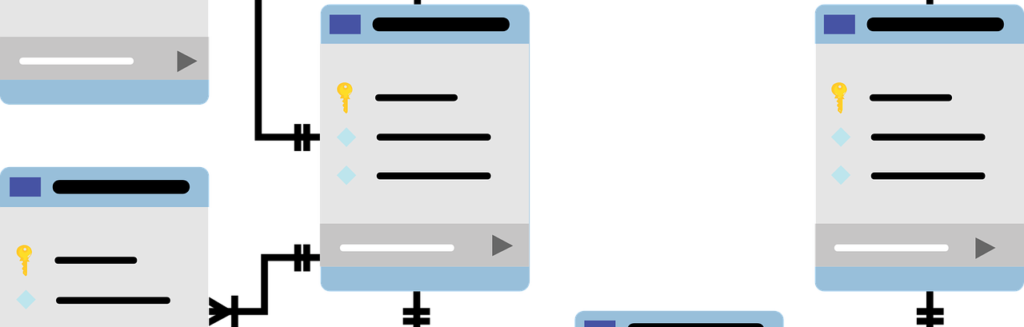
PostgreSQL training course
The PostgreSQL training course
The PostgreSQL training course (or PostgreSql Training Classes; PostgreSql Courses; PostgreSql Classes South Africa) is a course led by an instructor and it will help you better understand the open source relational database system. It will enable you to get the information you wanted about how you can use the platform, what benefits it can offer and the kind of results you can obtain from it! If you want to learn how to maintain and use the PostgreSQL servers then you do need to take this course as it will offer a great insight into all of that and so much more.

Challenge
The PostgreSQL training course (or PostgreSql Training Classes; PostgreSql Courses; PostgreSql Classes South Africa) was created in order to offer high standard information for people that want to learn about or improve their PostgreSQL knowledge. With help from this amazing product you will be able to obtain a great insight into the things to come and results will be well worth it because of that. The audience for this course is made out of database administrators, IT support staff and developers. Everyone that needs to learn about PostgreSQL and is capabilities is targeted here and even if you have minor knowledge about this management system you should check it out!
The course starts with an introduction to PostgreSQL, since it tells you how to install and use the platform, which are its fundamentals and how you can use the terminal based client. Once you have that knowledge, the PostgreSQL training course will go into language specifics. You will learn how you create and access a database and a table, how you can populate or query the table, how you can aggregate functions and other important features.
Once you have that knowledge, the training course will move onward to advanced SQL knowledge like window functions, inheritance, foreign keys, transactions and many others. With the PostgreSQL training course you will also be able to learn about indexes and how you can harness their power, not to mention that the course is also focused on transaction isolation and concurrency, server operation and setup as well as server configuration. You will also get to learn more about security, resource consumption, error reporting and logging, vacuum, backup and restore as well as database monitoring.
Pre-requisites
In order to access the PostgreSQL training course (or PostgreSql Training Classes; PostgreSql Courses; PostgreSql Classes South Africa) you will need to have some previous knowledge. You will need to take the SQL course or at least have any similar knowledge. This will allow you to better understand the tasks and figure out the best approach in this regard.
The PostgreSQL training course (or PostgreSql Training Classes; PostgreSql Courses; PostgreSql Classes South Africa) will last for 2 days. It’s the best course for IT support staff and database admins or devs that want to harness the power of PostgreSQL without having to deal with any limitations. If you always wanted to boost your knowledge in your field of work, learning about this great database management system is an amazing way to do so. Keep that in mind and access the PostgreSQL training course right away to take your career to new heights!
The course can be held in Johannesburg (Sandton), Cape Town, Durban, Port Elizabeth, Pretoria – South Africa
Book or Obtain Instant Quote
In addition to the related public courses, we offer the above course (or PostgreSql Training Classes; PostgreSql Courses; PostgreSql Classes South Africa)
across the country: Anytime, Anywhere. Click on the link to get an instant proposal or book your course NOW:
Or browse all our courses – run at your offices, online or at a BOTI venue:
Please Phone Us Now To Speak to One of Our Friendly Consultants
Tel:011-882-8853
OR
FOR CELL PHONES CLICK TO CALL
Please Fill in the Form – We Will Get Back to You Within 15 minutes
Please Email Us Now – We Will Get Back to You Within 15 minutes
[email protected]

Excel Training Courses
Excel training courses at BOTI run from complete beginner to advanced and specialist levels, so each person can start where they are. Courses run in-house at your premises, at BOTI’s venue in Sunningdale, Johannesburg, or live online – see all BOTI Microsoft Office and computer skills courses.
Why invest in Excel training
Excel is one of the most widely used business tools, yet many organisations use only a fraction of it. Training helps staff work faster, make fewer errors and get more from their data, and when a whole team learns together, everyone works from the same methods and templates.
BOTI’s Excel courses by level
- Beginner: Microsoft Excel Beginners (1 day) or Microsoft Excel Beginners to Intermediate (2 days)
- Intermediate: Microsoft Excel Intermediate (1 day) or Microsoft Excel Intermediate to Advanced (2 days)
- Advanced: Microsoft Excel Advanced (1 day)
- All levels in one: Microsoft Excel Beginners to Advanced (3 days)
- Specialist: Excel Pivot Tables, Dashboards and Power Pivot (2 days), Writing Excel Macros with VBA (3 days) and Advanced Excel and Financial Modelling for Accountants (3 days)
How to choose the right level
- Choose beginner if you are new to Excel or unsure of the basics such as formatting, printing and simple formulas.
- Choose intermediate if you use Excel daily and want functions such as IF and lookups, sorting, filtering and charts.
- Choose advanced if you already work confidently with functions and want PivotTables, data tools and more complex analysis.
- Choose a specialist course for dashboards, automation with macros or financial modelling.
If a team has mixed levels, BOTI can run an in-house course tailored to the group.
Request a quote
[email protected]
Frequently asked questions
Which Excel course should I start with?
Start with Microsoft Excel Beginners if you are new to Excel, Intermediate if you use it daily but want more functions, and Advanced if you already work confidently with formulas.
How long are BOTI’s Excel courses?
Most run for one or two days; Microsoft Excel Beginners to Advanced and Writing Excel Macros with VBA run over three days.
Can BOTI train a whole team in Excel?
Yes. BOTI runs Excel courses in-house at your premises, at its venue in Sunningdale, Johannesburg, or live online, and can tailor the content to your team’s level.
Are BOTI’s Excel courses accredited?
No. They are professional skills courses, and delegates receive a BOTI certificate of attendance.
For the full path in one course, book BOTI’s Microsoft Excel Beginners to Advanced (3 days) course. Training runs in-house at your premises, at BOTI’s venue in Sunningdale, Johannesburg, or live online. Call BOTI on 011 882 8853 or email [email protected], or request a quote. This course is not accredited. It is delivered as a professional skills programme, and delegates receive a BOTI certificate of attendance.

Excel Courses
Excel Courses
The Business Optimization Training Institute (BOTI) offers a series of excellent training courses to help your business thrive. Of the many support programs that companies around the world use on a daily basis is Excel. Excel spreadsheets used for a wide variety of applications and still represent the mainstay for how businesses correlate figures and present a wide variety of information.
To better understand how Excel works and how it can help your business, BOTI offers exceptional courses that bring you the best in Microsoft office training for you and your staff.
How BOTI Excel Course Works
This is a series of short, easy to understand courses that provide you with a complete view of how Excel really works. The objective is for your business to get the full use out of the basic and Excel advanced course so that your investment in the system is fully realized.
Excel spreadsheets are arguably the most commonly used program, but the versatility is rarely fully exploited by most businesses. When you take the courses provided, you and your staff will understand just how it can really work for your business efforts. This is especially true if you are thinking of expanding your business.
Advantages of Excel Course Training
There are a number of benefits that help you get the most out of Excel. Whether you are running a one-person online business, a small retail shop, restaurant, or larger company or corporation, getting the most out of Excel means getting more out of your business.
- Greater Efficiency: Understanding the basics of how Excel works can help you and your staff use this system more efficiently. This means entering, processing, and completing the data quickly so that you can get more done during the day.
- More Versatility: Excel is more than just spreadsheets as it offers a host of programs that can really help your business efforts. By taking the basic and Excel advanced course you can learn more about the full potential of this program and how it can really benefit the efforts of different offices such as accounting, payroll, and more.
- Increased Creativity: Because Excel can be used in so many different ways, it helps to bring out the more creative aspects of you and your employees. Thanks to the Microsoft office training provided by the courses, the ability to use Excel to help different aspects of your business, better explain new ideas, and help organize materials means a more creative work environment.
BOTI has also made the courses easy to understand, using common language and leading those who take the courses in a way that makes learning intuitive. It will not be long before you not only understand Excel better, but also see how it can work for your particular needs.
In the end, the BOTI courses for Excel will provide you and your staff with greater insight on how it works, what it can do, and why it helps make your business more efficient. By getting the most out of Excel, you can get more out of your business.
Course Schedules and Costs

Please click on link below for our related public course/s
Book Now or Obtain Instant Quote
We also offer customized courses across the country: Anytime, Anywhere. Click on the link to get get instant proposal or book you course:
Book This Course Or Obtain Quote – Now
See all BOTI Microsoft Office and computer skills courses.
Please Phone Us Now To Speak to One of Our Friendly Consultants
Tel:011-882-8853
OR
FOR CELL PHONES CLICK TO CALL
Please Fill in the Form – We Will Get Back to You Within 15 minutes
Please Email Us Now – We Will Get Back to You Within 15 minutes
[email protected]

Customer Service Training
Customer service training gives your team a shared, practical way to handle every customer interaction, from the first enquiry to a complaint. Here is how to plan training for your team and which BOTI courses suit each role – see all BOTI sales, marketing and customer care courses.
For the individual skills behind good service, see BOTI’s guide to the customer service skills every team needs.
Plan customer service training in five steps
- Find the gaps. Look at complaints, customer feedback and call recordings to see where service falls short.
- Set clear standards. Decide what good service looks like in your organisation, for example response times, greetings and how complaints are handled.
- Choose the right course for each role. Front-line staff, call centre agents and supervisors need different emphases.
- Train with real examples. Role-plays based on your own customers and products make the skills stick.
- Measure the results. Compare complaints, repeat purchases and customer feedback before and after training.
What customer service training should cover
From the first enquiry to the follow-up after a sale, training should cover how to greet and listen to customers, answer questions accurately, handle complaints and angry customers calmly, solve problems and follow up until the customer is satisfied. When everyone learns the same approach, customers get consistent service from every person they deal with.
Why repeat customers matter
For most businesses, repeat purchases are the heart of the bottom line. Customers who are treated well buy again and recommend the business; customers who are mishandled leave and tell others.
Customer service courses at BOTI
- Customer Service Excellence and Complaint Handling Course (2 days) for front-line teams.
- Call Centre and Customer Service Training (2 days) for phone-based teams.
- Handling a Difficult Customer Course (1 day) for the hardest conversations.
- Call Centre Management Course (1 day) for supervisors.
Request a quote
[email protected]
Frequently asked questions
How do I plan customer service training for my team?
Find the gaps from complaints and feedback, set clear service standards, choose the right course for each role, train with real examples and measure the results afterwards.
What should customer service training cover?
It should cover greeting and listening to customers, answering questions accurately, handling complaints and angry customers, solving problems and following up.
How do I measure the results of training?
Compare complaint numbers, repeat purchases, response times and customer feedback before and after the training.
Can BOTI train our team in-house?
Yes. BOTI runs customer service training in-house at your premises, at its venue in Sunningdale, Johannesburg, or live online.
Start with BOTI’s Customer Service Excellence and Complaint Handling Course (2 days) course. Training runs in-house at your premises, at BOTI’s venue in Sunningdale, Johannesburg, or live online. Call BOTI on 011 882 8853 or email [email protected], or request a quote. This course is not accredited. It is delivered as a professional skills programme, and delegates receive a BOTI certificate of attendance.

Customer Service Skills
Customer service skills are the abilities staff need to help customers well: listening, empathy, clear communication, patience, product knowledge and problem-solving. Below are ten skills every customer-facing team needs and how training builds them – see all BOTI sales, marketing and customer care courses.
Ten customer service skills every team needs
- Active listening. Let the customer finish, then repeat the key points back to confirm you have understood.
- Empathy. Acknowledge how the customer feels before you move to a solution.
- Clear communication. Use plain language, avoid jargon and confirm the next steps.
- Patience. Stay calm with confused or frustrated customers, however many times you have heard the question.
- Product knowledge. Know your products, services and policies well enough to answer without guessing.
- Problem-solving. Find the cause of the problem, offer options and agree on the fix.
- Positive language. Say what you can do rather than what you cannot.
- Handling complaints. Apologise where appropriate, take ownership and follow through until the matter is closed.
- Time management. Respond promptly and keep promises about call-backs and deadlines.
- Consistency. Give every customer the same standard of service, whichever channel they use.
Why training matters
An upset customer can become angrier when a staff member has never learnt how to handle tricky situations. Training gives the whole team a consistent approach, so customers get the same quality of service from every person they deal with, from the first enquiry to a complaint.
Customer service courses at BOTI
BOTI’s Customer Service Excellence and Complaint Handling Course (2 days) covers service standards and complaints, and Call Centre and Customer Service Training (2 days) suits teams who work on the phone. For the hardest conversations, see the Handling a Difficult Customer Course (1 day).
Request a quote
[email protected]
Frequently asked questions
What are the most important customer service skills?
Active listening, empathy, clear communication, patience, product knowledge and problem-solving matter most, supported by positive language, complaint handling, time management and consistency.
Can customer service skills be learnt?
Yes. These are practical skills that improve with training, role-play and feedback on real customer situations.
How should staff handle an angry customer?
Stay calm, let the customer explain without interrupting, acknowledge the problem, apologise where appropriate, offer what you can do and follow through until the matter is closed.
Which BOTI course should my team take?
Customer Service Excellence and Complaint Handling suits most front-line teams; Call Centre and Customer Service Training suits phone-based teams.
Train your team with BOTI’s Customer Service Excellence and Complaint Handling Course (2 days) course. Training runs in-house at your premises, at BOTI’s venue in Sunningdale, Johannesburg, or live online. Call BOTI on 011 882 8853 or email [email protected], or request a quote. This course is not accredited. It is delivered as a professional skills programme, and delegates receive a BOTI certificate of attendance.

Advanced Excel Course
Advanced Excel Course
There are a number of Microsoft Office programs that can really help your business in a number of different ways. One of the most commonly used is Excel, a program that provides spreadsheets which offer a myriad of different uses.
While Excel is quite common among businesses around the world, the traditional Microsoft office training courses mostly do not provide a complete picture of how it works. This is especially true when it comes to the many uses the program offers. Enter the Business Optimization Training Institute (BOTI) that has fashioned an advanced Excel course which is easy to understand, quick to learn, and provides greater versatility for your business efforts.
What are the BOTI Advanced Excel Courses
Put simple, this is a series of lessons that are fashioned in a manner which is easy to learn and grasp so that you and your employees will have a better understanding of how Excel works. This is particularly true for those who use Excel on a regular basis, but may not fully understand its true potential.
The courses themselves are written in a manner that introduces you to the advanced qualities of the Excel system. It is assumed that you have basic knowledge of how Excel works. If not, then you can refer to the BOTI Microsoft Excel courses that cover how to use this program. For those who have taken the basics or have used Excel for a while, the advanced Excel courses open up new possibilities for this venerable computer program.
Benefits of the BOTI Advanced Excel Course
There are a number of advantages that taking the BOTI courses offer (offered in Sandton, Johannesburg, Cape Town, Durban, Port Elizabeth) when you incorporate the lessons learned into your business. This is particularly true if you rely heavily on Excel spreadsheets in your company.
- Intuitive Instruction. The Microsoft Excel courses offered in this training package are easy and intuitive to learn. Because of how the instructions are laid out, going through the coursework is a snap and soon you will be discovering new ways to use your Excel and getting the most out of it.
- Greater Efficiency: There is little doubt that learning more through the Microsoft office training courses provides your business with better overall efficiency. By making your day to day work with Excel faster and more productive, you can get more work accomplished.
- More Possibilities: Arguably the biggest advantage to the advanced Excel courses comes from the additional possibilities you learn about what Excel can do for you. By getting into the advanced usage of this product, you can help make your business more efficient and add creativity in ways that were not possible before.
The advanced Excel course by BOTI offers your business a simple, effective way to get the most out of the Excel program. The courses are easy to follow and the time needed is minimal which makes learning even faster. The training provided by the package offers you and your employees a way to find out more about what Excel can really do for your company.
Course Schedules and Costs
Please click on link below for our related public course/s
Book Now or Obtain Instant Quote
We also offer customized courses across the country: Anytime, Anywhere. Click on the link to get get instant proposal or book you course:
Book This Course Or Obtain Quote – Now
See all BOTI Microsoft Office and computer skills courses.
Please Phone Us Now To Speak to One of Our Friendly Consultants
Tel:011-882-8853
OR
FOR CELL PHONES CLICK TO CALL
Please Fill in the Form – We Will Get Back to You Within 15 minutes
Please Email Us Now – We Will Get Back to You Within 15 minutes
[email protected]

Benefits of Using AutoCAD
AutoCAD is used to produce accurate 2D drawings and 3D models for architecture, engineering, construction, manufacturing and electrical design. Its main benefits are faster drafting, precise measurements, quick revisions and drawings that are easy to share. BOTI teaches these skills in its graphic design and CAD training courses, from first drawings through to advanced work.
In the past, designers, architects, engineers and draughtsmen struggled to produce and submit engineering drawings on schedule. Every shape, line and measurement was drawn by hand, so new drawings and changes to existing ones took a lot of time and effort. Computer-aided design software such as AutoCAD removed much of that manual work. Over the years, each new version has become easier to use.
Several programs can be used for computer-aided design. AutoCAD is one of the most widely used for architectural and engineering drawings. The sections below explain what the software is used for and why organisations rely on it.
What is AutoCAD used for?
AutoCAD is general-purpose drafting software. Teams use it for:
- Architectural drawings: floor plans, elevations, sections and site plans for houses and commercial buildings.
- Civil and structural drawings: layouts for roads, drainage, foundations and structural details.
- Mechanical and manufacturing drawings: part drawings, assemblies and workshop drawings with dimensions and tolerances.
- Electrical and building services drawings: schematics, cable routes, lighting and plumbing layouts.
- Facilities and space planning: office layouts, equipment placement and as-built records of existing buildings.
For a fuller introduction to the software itself, read what AutoCAD is and how it works.
Key benefits of using AutoCAD
Complete Designs Faster
Producing a drawing in AutoCAD on Windows or Mac has several advantages over working by hand. The drawing and editing tools are always a click away. If you make a mistake, you can correct it far faster than you could on paper.
AutoCAD also lets you save templates with your preferred title blocks, layers, text styles and dimension styles. This saves a lot of time when your work involves similar drawings. You can reuse elements across projects, so you do not have to redraw the same details again and again.
Accurate, to-scale drawings
AutoCAD lets you draw at full size and enter exact lengths, angles and coordinates. Object snaps lock onto endpoints, midpoints and intersections, so lines meet exactly where they should. Accurate drawings mean fewer errors on site or in the workshop, where a wrong measurement costs time and materials.
Quick revisions
Designs change. In AutoCAD you can move, copy, stretch, trim or mirror parts of a drawing in seconds instead of redrawing a whole sheet. Clients and engineers can ask for changes late in a project, and the drawing office can respond without starting over.
Organised drawings with layers and blocks
Layers keep walls, dimensions, text, electrical points and furniture apart, so you can switch information on or off and control how each type prints. Blocks let you store standard items, such as doors, windows, fittings or symbols, and insert them wherever they are needed. When a block is updated, every copy in the drawing updates with it. Drawings stay consistent, and team members can follow each other’s work.
Clear documentation and printing
AutoCAD includes tools for dimensions, text, leaders, tables and hatching, so a drawing carries all the information a builder or fabricator needs. Layouts let you set up printed sheets at the correct scale, with title blocks and several views on one page. You can then plot to paper or to PDF for approval.
Easy sharing and collaboration
AutoCAD saves drawings in the DWG format, which is widely used for exchanging CAD drawings. Architects, engineers, contractors and suppliers can open, mark up and reference each other’s files. External references let one drawing link to another, such as a site plan used as a base for several services drawings. When the base drawing changes, everyone works from the latest version.
Flexible Software
AutoCAD can be simple or complex, depending on your needs. You can draw a plan for a house and then use the same program to build a 3D model of it. A 3D model helps the client see how the structure will look once it is built.
Using the software well takes skill, and 2D drafting and 3D modelling call for different techniques. Many users teach themselves bits of the program but never learn efficient workflows. Structured training covers the commands, drawing standards and habits that make drafting faster and more reliable.
Choosing the right AutoCAD training level
The right course depends on what your team draws and how much experience they have:
- New users and staff who need to read and edit drawings should start with AutoCAD Essentials (2D), a 3-day course covering drawing, editing, layers, blocks, dimensions and printing.
- Delegates with no drafting background may first want the Introduction to Technical Drawing Course.
- Experienced users can move on to the AutoCAD Advanced Course.
- Discipline-specific teams can look at AutoCAD Civil 3D Essentials Training, AutoCAD Electrical Essentials Training or AutoCAD Plant 3D Essentials Training.
If you are not sure which level suits your team, request a quote. BOTI will recommend a course based on the work your team does.
Frequently asked questions
What are the main uses and benefits of AutoCAD?
AutoCAD is used to create accurate 2D drawings and 3D models for architecture, engineering, construction, manufacturing and electrical design. Its main benefits are faster drafting, precise to-scale measurements, quick revisions, organised drawings through layers and blocks, and easy sharing of files in the DWG format.
Is AutoCAD only for architects and engineers?
No. Draughtsmen, technicians, interior designers, facilities managers, electrical contractors and manufacturing teams all use AutoCAD. Anyone who needs to produce, read or change technical drawings can benefit from learning it.
Can AutoCAD do 3D as well as 2D?
Yes. AutoCAD supports both 2D drafting and 3D modelling. Most users start with 2D drawing skills and move on to 3D once they are confident with the core commands.
How long does it take to learn AutoCAD?
BOTI’s AutoCAD Essentials (2D) course runs over 3 days and covers the core skills needed to produce and edit drawings. Speed and confidence then grow with regular practice on real work.
Please click on the link below for our related public course/s
Book Now or Obtain Instant Quote
We also offer customised courses in-house at your premises, at our venue or live online. Click on the link to get a proposal or book your course:
Book This Course Or Obtain Quote – Now
Please Phone Us Now To Speak to One of Our Friendly Consultants
Tel:011-882-8853
OR
FOR CELL PHONES CLICK TO CALL
Please Fill in the Form
Please Email Us Now
[email protected]
To build these skills in your team, book AutoCAD Essentials (2D), BOTI’s 3-day hands-on course in 2D drafting, editing, layers, blocks, dimensions and printing. Training runs in-house at your premises, at BOTI’s venue in Sunningdale, Johannesburg, or live online. This course is not accredited. It is delivered as a professional skills programme, and delegates receive a BOTI certificate of attendance. Call BOTI on 011 882 8853 or email [email protected].

AutoDesk: Provider of High-Quality Software for Computer-Aided Design
AutoDesk: Provider of High-Quality Software for Computer-Aided Design
AutoDesk: Provider of High-Quality Software for Computer-Aided Design
When it comes to computer-aided design, the list of the options is almost endless. Among others, one of the most popular choices would be AutoDesk. Being in the business for years, it has been one of the most trusted names in the field of architecture, engineering, and construction. Within its product line, the most popular is perhaps AutoCAD. From AutoCAD 2007 to the latest versions, it has been deemed by many to be an impressive choice for creating innovative designs. One of the problems with AutoCAD, however, is that it can be expensive. Even with an AutoCAD trial, the long-term costs can still be high. With this in mind, for those who are looking for a budget-friendly alternative, one of the best options that can be taken into account is ProgeCAD. It also comes with an intuitive interface, making it ideal when it comes to being user-friendly. Nonetheless, if budget is not an issue and if the emphasis is on quality over price, AutoDesk is the perfect alternative.
A Variety of Products to Choose From
At AutoDesk, you will have several choices depending on your needs. As it has been earlier pointed out, there is perhaps nothing more popular than AutoCAD, which is asserted as the company’s most innovative tool for documentation and design. Whether it is 3D modelling or collaboration, this is an excellent choice. Another product is AutoCAD 360. This is the perfect choice for on-the-go professionals. With this software, you will be able to create, view, and edit AutoCAD drawings even through your mobile gadgets. They also have AutoCAD LT, an easy to use drafting tool.
Why Choose AutoDesk
When it comes to tools for computer-aided design, budget-conscious users may despise the idea of using AutoDesk, basically because of its high price. They would rather choose alternatives like ProgeCAD since it is cheaper. Nonetheless, when you take a look beyond price, you will realise that Autodesk is way above its competitors. It has an intuitive interface and a professional touch. It also offers flexibility as it can be used in different applications. Most importantly, it has been a trusted option in the marketplace. Even if you ask its users, including top engineers and architects, it should not come as a surprise if they say that Autodesk is their choice when it comes to design software. This should give you more than enough reason to have it chosen above other alternatives.
Are you still wondering if you should be using AutoDesk? Take advantage of their different options for AutoCAD trial now and you will find it easier to decide if it can indeed be a good choice or if you should be looking for other alternatives.
Please click on link below for our related public course/s
Book Now or Obtain Instant Quote
We also offer customized courses across the country: Anytime, Anywhere. Click on the link to get get instant proposal or book you course:
Book This Course Or Obtain Quote – Now
See all BOTI Microsoft Office and computer skills courses.
Please Phone Us Now To Speak to One of Our Friendly Consultants
Tel:011-882-8853
OR
FOR CELL PHONES CLICK TO CALL
Please Fill in the Form – We Will Get Back to You Within 15 minutes
Please Email Us Now – We Will Get Back to You Within 15 minutes
[email protected]

Autocad Free Download – Take a Peek behind the Curtain
Autocad Free Download – Take a Peek behind the Curtain
Autocad Free Download – Take a Peek behind the Curtain
If you have to do anything that is related to structural design than Autocad is without a doubt the program that you are going to rely on. This is the most powerful designing software, and it’s going to provide you with tons of different tools and possibilities. Available for students all over the world, the Autocad 2012 is definitely one of the most successful versions. However, the ones that followed are even more usable as they offer tons of new features, tools and potent designing mechanisms which make the program even more versatile than it already was. Of course, you are also going to need a more powerful computer, but that’s rather logical as this is without a doubt a demanding platform.
Autocad Prices and Plans
You can expect that a program of the kind is logically going to be paid. That’s rather normal as no one is going to give away such a powerful tool, provided the huge demand that exists for designing software. This is a program used by students throughout the entire world in order to successfully finish their architect course, for instance. It’s also used by graphic designers, architects, and other industrial designers. With this in mind, there is a price that has to be paid if you are to use the software. The prices start at $210 per month which might seem pretty steep. This is why there are discounts and if you go ahead and purchase yearly subscription plan you’d get to save more than $700 worth of value by paying only $1,680.
At the same time, the Autocad revit BIM software is free for students, and it’s going to help you create structural designs, building plans and much more.
Autocad Free Download
Now, it’s also worth noting that there is an option for you to get an Autocad Free Download which is definitely going to provide you with immense value. You won’t get access permanently, but you will get an incredibly valuable free trial which would allow you to determine whether or not the program is what you’re looking for. This could easily get you out of one month’s pay if you decide that you don’t want to use the program. However, you should know that the free trials are rather short and would go for a maximum of 14 days. Autocad Free Download is highly recommended for people who haven’t used the program, and they want to take a look behind the curtain without having to pay a substantial amount of money. It’s without a doubt an incredibly convenient option.
Please click on link below for our related public course/s
Book Now or Obtain Instant Quote
We also offer customized courses across the country: Anytime, Anywhere. Click on the link to get get instant proposal or book you course:
Book This Course Or Obtain Quote – Now
Please Phone Us Now To Speak to One of Our Friendly Consultants
Tel:011-882-8853
OR
FOR CELL PHONES CLICK TO CALL
Please Fill in the Form – We Will Get Back to You Within 15 minutes
Please Email Us Now – We Will Get Back to You Within 15 minutes
[email protected]

What is AutoCAD?
What is AutoCAD?
What is AutoCAD?
AutoCAD is a programming used in drafting to create blue prints for computer chips, bridges, and buildings. It can also be utilised to draft complicated parts such as the gears of an electrical system and other component. It is the software that can be utilised in various fields such as construction, engineering, architecture, and manufacturing. Those who create drafts with the help of ACAD are called drafters. In the event that you want to learn how to draft using ACAD, a simple AutoCAD tutorial can assist you.
Training with AutoCAD
AutoCAD tutorial and other similar programming that allows you to draft design through a computer-aided program are provided in most of the community and technical schools. There is also an associate degree or a certification program in AutoCAD that is mostly centred on the hands-on training of AutoCAD. Those that are taking the Bachelors Degree especially the engineering students are also required to be proficient in this software thus they are required to take a short course about ACAD.
The AutoCAD is comprised of AutoCAD blocks that allow you to create symbols, standard details, and components. There are AutoCAD downloads that allow you to download blocks together with other tools. Having blocks in your library can save you a hefty amount of time, reduce the size of the file and be consistent. This thing will be taught to you during the AutoCAD tutorial.
It also permits you to share content and reuse the content of others rather than going into the redundant process of creating AutoCAD blocks that will just extend the process. It is an inherent part of the term “productivity”. Unfortunately, they are often neglected by the others. So what are AutoCAD blocks? These 2d and 3d blocks are not just a way to minimise the time spent and eliminate the redundant process of creating 2d blocks. According to the AutoCAD tutorial, blocks offer you the ability to modify your works easily as well as provide the right amount of information that is necessary when drafting.
How does it make the modification process easier? Imagine you drafted a window in an elevation. Then you suddenly figure out that you want to change the model of the window. This simply means that the models and type of the window are now different. By using the replace AutoCAD blocks command; you may easily replace the window from something that you have in your library. By downloading blocks through the AutoCAD download, you are adding stuff in your library that you may use in the future.
There is also an instance when the model of the window needs to be changed. This means that the name, as well as the type of window, will stay the same. You may quickly modify the AutoCAD blocks by using the block editor function. This will all be taught to you during the AutoCAD tutorial.
So if you happen to be someone in the field of creating blue print, and you are looking for an efficient programming that will make your drafting more convenient, then AutoCAD will surely provide some solution.
Please click on link below for our related public course/s
Book Now or Obtain Instant Quote
We also offer customized courses across the country: Anytime, Anywhere. Click on the link to get get instant proposal or book you course:
Book This Course Or Obtain Quote – Now
Please Phone Us Now To Speak to One of Our Friendly Consultants
Tel:011-882-8853
OR
FOR CELL PHONES CLICK TO CALL
Please Fill in the Form – We Will Get Back to You Within 15 minutes
Please Email Us Now – We Will Get Back to You Within 15 minutes
[email protected]

Understanding What AutoCAD Courses Can Offer You
Understanding What AutoCAD Courses Can Offer You
Understanding What AutoCAD Courses Can Offer You
A lot of students and professionals look for a way to make their work and projects a simple thing to do. We all understand what it feels like to stay up all night to finish what you’re supposed to do.
To help you better, Autodesk has given various downloadable systems that can make your life easier when it comes to the integral part of engineering and manufacturing. With these systems, you will not only finish your work faster, but it would be accurate in the end.
The Autodesk AutoCAD is one of the biggest companies to offer architecture the chance to make everything possible. Their AutoCAD 2013, AutoCAD electrical and CAD drawing app is considered as the best in the market today. If you’re looking for a way to learn AutoCAD on your own schedule, then Autodesk’s courses will help you out.
AutoCAD Electrical
The AutoCAD Electrical software has the same functionality as AutoCAD before, but it has the complete set of the CAD features with an electrical design. It has various features that can help anyone get exact measurements.
This software has inventor interoperability, which is a solution that’s combined with an Inventor with seamless Mechatronics. It has panel layout drawings that can extract your list of schematic electrical components. It’s equipped with an automatic report generation which is customisable for your generation tool that’s easy to use.
The AutoCAD Electrical software would automate any of your design tasks and would facilitate your drafting productivity. This software will give you all the functionality of AutoCAD software, but also includes electrical CAD software which is more efficient and faster.
AutoCAD 2013
This version, AutoCAD 2013 was an update to the last AutoCAD 2012. It has minor changes that would make your experience much better. The interface was changed from the welcome screen, command line and in-canvas property preview. It also has the ability to change your 3D models to 2D drawings from your AutoCAD 2012.
Please click on link below for our related public course/s
Book Now or Obtain Instant Quote
We also offer customized courses across the country: Anytime, Anywhere. Click on the link to get get instant proposal or book you course:
Book This Course Or Obtain Quote – Now
Please Phone Us Now To Speak to One of Our Friendly Consultants
Tel:011-882-8853
OR
FOR CELL PHONES CLICK TO CALL
Please Fill in the Form – We Will Get Back to You Within 15 minutes
Please Email Us Now – We Will Get Back to You Within 15 minutes
[email protected]

AutoCAD Student – The Free Solution to Finish your Education
AutoCAD Student – The Free Solution to Finish your Education
AutoCAD Student – The Free Solution to Finish your Education
AutoCAD is powerful graphical design software which is crucial for the education of students in the respective fields. It’s practically mandatory for those who study architecture, graphic design, industrial design, landscaping and any other specialty which requires thorough planning and graphic representation. However, being the most popular and convenient software so far, AutoCAD comes at a certain price which is rather steep for the regular student. That’s why the company has managed to figure a way around it, offering its solutions for free for those who are still in the educating system. This includes both students and teachers. This is possible through the AutoCAD Student platform.
AutoCAD Viewer – Why do you need it?
AutoCAD is the most widely used structural design software in the entire world. This means that the majority of files which are going to be created are going to be through this particular software. However, AutoCAD codes the files with a certain extension which has to be opened with a specifically designated AutoCAD viewer. That’s why you have to make sure to have AutoCAD installed or have particularly compatible software to open the file.
AutoCAD 360 Helps you go Full Mobile
With the integration of mobile devices in our everyday life, we have become more and more dependent on smart phones, tablets, and laptops. The truth is that they most certainly have a greater than average involvement in our lives, and they have a huge impact. This is why the company which developed AutoCAD has decided to take an interesting approach by creating the AutoCAD 360. This is software which is installed on your mobile device in the form of a mobile application, downloaded from all the app selling stores. It’s going to provide you with the opportunity to come up with stunning visual designs on the go when you don’t have your personal computer in front of you.
Needless to say, the AutoCAD 360 brings tons of value and immense amount of versatility to your working habits as you’re going to be able to work wherever you are, regardless of your location. This eliminates territorial ties and expands your potential additionally.
In any case, it’s highly advisable to download AutoCAD if you have any designing applications that have to be carried out. This is without a doubt the most powerful and convenient software which is going to help you with your endeavours. It’s used by millions of people throughout the entire world, both students and established professionals with years of experience in their respective fields. You have to download AutoCAD in order to be able to experience all of its unique features and potent designing tools.
Please click on link below for our related public course/s
Book Now or Obtain Instant Quote
We also offer customized courses across the country: Anytime, Anywhere. Click on the link to get get instant proposal or book you course:
Book This Course Or Obtain Quote – Now
Please Phone Us Now To Speak to One of Our Friendly Consultants
Tel:011-882-8853
OR
FOR CELL PHONES CLICK TO CALL
Please Fill in the Form – We Will Get Back to You Within 15 minutes
Please Email Us Now – We Will Get Back to You Within 15 minutes
[email protected]

Sketchup – What You Need to Know
Sketchup – What You Need to Know
Sketchup – What You Need to Know
A lot of people think that Google Sketchup, the available free software for 3D-modeling, is a tool that can create different things in 3D space. Well, this general concept is actually true. It works in 3D, but it is not really what it does. One of the many perks of using sketch up is that it is very easy to use. Some even start to model right away even without receiving much training, eventually creating complex models in just a short period of time. One great potential of a sketchup download is its capability to allow users to analyze the different relationships in between the models that you create. The following are some aspects in which this software can be used.
Solar Analysis
These days, solar energy has become a hot issue in different places all over the world. One of the most important things that need to be understood, especially when it comes to installing solar panels in your home, is whether or not you have enough sunlight to make it actually work. With this in mind, sketchup pro has the capacity to cast the shadows for your model. As such, this can be considered as a very powerful tool, similar to that of an actual solar analysis tool, as it also uses the same factors for calculation, such as the location of the model and the time. Also, you can make good use of some plugins that can further expand on this capability, thus making the extraction of data a whole lot easier.
Prototyping Tasks
With big and modern companies starting to create products, or perhaps inventors creating the next big thing, prototyping is another hot department these days. Sketch up can also prove to be a good tool in this case. This software has the capability to make the preliminary planning process more accurate, even to the point that you can make those finished drawings that can eventually serve as your prototype. With sketchup download, you have the option to draw certain things either very accurately and precisely, or loosely, depending on the actual need.
Interior Design
For example, if you are planning to get a new furniture piece, but are not sure how to do it, you can use sketchup to create the design. After digitizing your set, you can easily move things around the software, accurately checking the clearances and dimensions. With the use of a photo match tool, you may also capture a photo of the room, importing it to sketchup pro. Then you can use the other tools available in order to establish a great visualization image of the actual space.
Endless Possibilities
The abovementioned capabilities are just some of the things that sketchup can actually do. If you want to take advantage on the possibilities produced by a 3D model, you can certainly expect to get what you want to achieve with this software.
Please click on link below for our related public course/s
Book Now or Obtain Instant Quote
We also offer customized courses across the country: Anytime, Anywhere. Click on the link to get get instant proposal or book you course:
Book This Course Or Obtain Quote – Now
Please Phone Us Now To Speak to One of Our Friendly Consultants
Tel:011-882-8853
OR
FOR CELL PHONES CLICK TO CALL
Please Fill in the Form – We Will Get Back to You Within 15 minutes
Please Email Us Now – We Will Get Back to You Within 15 minutes
[email protected]
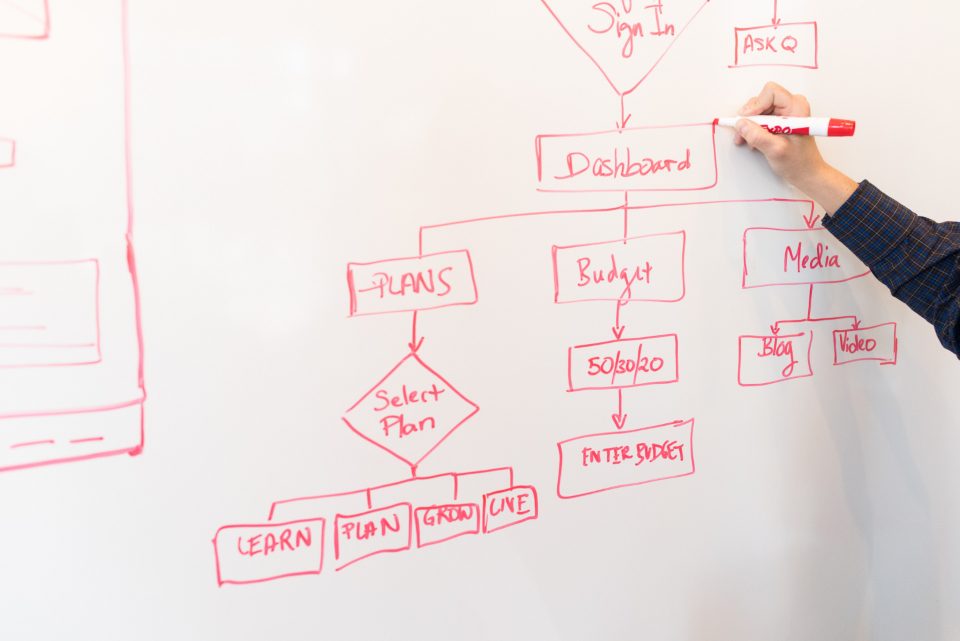
How to Properly Conduct a Customer Service Training
Customer service training teaches front-line staff how to listen to customers, solve their problems, handle complaints calmly and represent the organisation consistently, whether in person, on the phone or in writing. A good programme starts with what your customers need and where your team falls short. It then builds practical skills and checks the results back at work. BOTI runs a range of customer service and customer care training courses for South African teams.
Customer support is one of the most important parts of running a business. It reflects the personality of the company and shows how well it handles customers’ concerns. Customers notice quickly whether they are treated as valued.
Before you plan customer service training for your employees, you need to understand what your customers need and how your team can meet those needs. Next, assess your employees’ strengths and gaps in dealing with customers. Then design training that fits those gaps. Finally, keep tracking your employees’ progress after the training so the new habits last.
The steps in conducting great customer service training
Identifying the needs of the customer
You cannot give good customer support if you do not know what your customers need. Your staff know your customers well because they deal with them every day, so ask them before you plan any training. Find out which questions come up most often, which complaints repeat and where customers become frustrated.
Add the customer’s own voice. Encourage customers to fill in comment cards, answer short surveys after a call or visit, or leave reviews online and on your website. Look at complaint logs, email threads and call recordings (where customers have been told that calls are recorded).
Patterns in this information show you what the training must fix. Common examples are slow responses, unclear explanations and staff who do not take ownership of a problem.
Evaluating the skill of the employee
You can evaluate an employee’s customer service skills by watching how they deal with customers. Some employees build rapport naturally, and customers ask for them by name. Others are strong problem solvers or take the lead when something goes wrong. Most people are strong in some areas and need work in others.
Assess each employee individually. Useful areas to rate include:
- building rapport and making the customer feel heard
- responding politely and clearly, including on the phone and by email
- asking questions to understand the real problem
- handling complaints and difficult customers without becoming defensive
- knowing the product or service well enough to give correct answers
- knowing when and how to escalate an issue
- closing a sale or recommending the right product, where the role requires it
Ask the supervisor to complete a simple rating sheet and the employee to complete a short self-assessment. Together, these give you a baseline to measure against later.
Designing the corporate training
Much customer service training happens on the job, with supervisors coaching staff while they deal with real customers. This works well, but it works better alongside structured sessions led by an experienced facilitator. In those sessions, staff can practise in a safe setting before they face the real situation.
Base the design on the skills gaps you found in the evaluation. Practical methods include:
- Role-plays built on your own customers’ real questions and complaints
- Call and email reviews, where the team looks at good and weak examples together
- Short scripts and checklists for greetings, hold procedures and handovers, used as a guide rather than read word for word
- Complaint-handling practice: listening, acknowledging, apologising where appropriate, solving and following up
- Product knowledge refreshers, so staff can answer with confidence
Keep sessions focused on what staff will do differently on Monday morning. One clear skill practised well is worth more than ten skills covered briefly.
What basic customer service training should cover
Basic training suits a team that is new to customer service, or an organisation that wants a common standard across departments. A basic programme should cover:
- greeting and engaging customers
- active listening and asking the right questions
- clear and polite communication
- telephone and email etiquette
- handling complaints and angry customers
- keeping promises and following up
- working as a team, so customers are not passed from person to person
Supervisors and team leaders also need to know how to monitor service levels and coach their staff.
Choosing a delivery format
Customer service training can run in three ways:
- In-house at your premises, which suits teams who share the same customers and systems.
- At a training venue, which takes staff away from daily interruptions.
- Live online, which suits teams spread across branches.
For call centre teams, combine skills training with time spent on real calls so the learning transfers straight to the job.
Reevaluation
Training is only worthwhile if service improves afterwards. A few weeks after the training, measure again against the baseline you set during the employee evaluation. Useful measures include:
- the number and type of complaints received
- customer survey scores and comments
- the number of issues resolved at the first contact
- response times on calls and emails
- supervisor observations, using the same rating sheet as before
Share the results with the team, recognise improvement and plan refresher sessions where gaps remain. Customer service training is an important part of running a business, and it should continue as an ongoing programme rather than a once-off event.
Related BOTI courses and articles
These courses and articles cover related customer service and call centre topics:
- Customer Service Excellence and Complaint Handling Course
- Handling a Difficult Customer
- Call Centre Training
- Call Centre Management
- Call Centre and Customer Service
- Customer Service Excellence
Other articles on customer service skills and training:
Training for Customer Service Excellence: Why It Matters, The Importance of Improving Your Customer Service Skills, Acquire these Essential Skills for Customer Service and Enjoy the Results and Key Skills for a Customer Service Representative.
Frequently asked questions
What is customer service training?
Customer service training is a structured programme that teaches employees how to listen to customers, solve their problems, handle complaints and communicate clearly in person, on the phone and in writing, so that every customer receives a consistent standard of service.
What does basic customer service training cover?
Basic customer service training usually covers greeting and engaging customers, active listening, asking questions, clear and polite communication, telephone and email etiquette, handling complaints and difficult customers, following up on promises and knowing when to escalate an issue.
How do I measure whether customer service training worked?
Set a baseline before training, then measure again a few weeks afterwards. Compare complaint numbers, customer survey scores, first-contact resolution, response times and supervisor observations, and plan refresher sessions where gaps remain.
Can customer service training be done online?
Yes. BOTI runs customer service training live online, in-house at your premises or at its venue in Sunningdale, Johannesburg, so you can choose the format that suits your team.
Customer service training with BOTI
To build these skills in your team, look at the Customer Service Excellence and Complaint Handling Course, a 2-day programme focused on service standards and handling complaints well. Training runs in-house at your premises, at BOTI’s venue in Sunningdale, Johannesburg, or live online. Call BOTI on 011 882 8853 or email [email protected], or request a quote.
Phone us to speak to one of our consultants
Tel: 011 882 8853
Or fill in the form
Or email us
[email protected]

Valuable Tips That You Can Use to Improve Customer Services
Valuable Tips That You Can Use to Improve Customer Services
Customer services are one of the most important aspects of business. It ensures that your employees know how to communicate effectively and that your customers will be fully satisfied. In whatever business you’re in, it can help everybody to have good skills in customer service.
If you have satisfied a customer, there’s a big chance that they will return for your products and services as well as tell to other people what good experiences they have had with your company. This way you can already have good and reliable recommendations through their word of mouth.
Management training is not enough to let your employees learn their full potential in helping your customers. It’s a good investment for any business to teach their employees the right way of communicating and how to effectively have customer retention.
If you’re considering to help your employees reach their full potential, here are some tips that you could teach them. These are just simple ways that everyone can do which will definitely benefit your customers and your business as well.
· Smile – perhaps the simplest and most powerful skill that anyone can do and learn is smiling. It can be very obvious when someone is giving you a false smile, with proper psychological and mental training, you can ensure that your employees will always give off a genuine smile. This will make your clients and customers feel that they are welcomed and give off a positive scene and interaction.
· Proper greeting – It’s always important that your employees will give off the proper greeting to your customers so that they will feel comfortable being at your store or office. The common greetings are usually the sincere ones like “Welcome”, “Good Morning” and so on. It can massively improve your business’ customer retention program and improve the odds of your customers coming back.
· Listen – Through proper management training, your employees will learn the importance of listening to the requests or complains of your employees. By listening effectively, you and your staff will be able to give the proper response and resolution to their problem. Plus, your business will improve big time if you start listening to the needs and wants of your customers.
· Do what you say you’ll do – Customers will always remember the negative experiences that they have encountered. When you give them your word, it’s always good for you to keep it and do the best that you can do meet and exceed their expectations.
These are just simple customer service tips that you can teach your staff on how to effectively communicate with your customers.
Related to the above topics are the following excellant training initiatives:
- Call Centre and Customer Service,
- Customer Service,
- Customer Service Excellence,
- Excellent Customer Service – A Practical Approach,
- Handling a Difficult Customer, Call Center Training,
- Call Center Management
Similar topics to the phrase Valuable Tips That You Can Use to Improve Customer Services include:
4, Training for Customer Service Excellence Why It Matters , The Importance of Improving Your Customer Service Skills, Acquire these Essential Skills for Customer Service and Enjoy the Results, Best Skills for Customer Service Representative, Importance of Overall Customer Satisfaction to Any Business, Customer Service Skills & The Hot Trend during Last Years
Please Phone Us Now To Speak to One of Our Friendly Consultants
Tel:011-882-8853
OR
FOR CELL PHONES CLICK TO CALL
Please Fill in the Form – We Will Get Back to You Within 15 minutes
See all BOTI sales, marketing and customer care courses.
Please Email Us Now – We Will Get Back to You Within 15 minutes
[email protected]

Call Centre Training
Call centre training teaches agents to answer calls professionally, ask the right questions, log and resolve customer queries, and stay calm with difficult or abusive callers. BOTI runs short call centre courses for South African teams, from agent skills to call centre management. You can browse the full range of sales, marketing and customer care courses to compare options.
For the individual skills behind good service, see BOTI’s guide to the customer service skills every team needs.
Improve Your Call Centre and Customer Service
Many organisations now handle most customer contact through a call or contact centre, so focused call centre training matters. A well-run call centre improves customer service and supports sales, because every call is a chance to solve a problem or keep a customer.
For a call centre to run effectively, agents need to be competent in:
- Dealing with confidential documents
- Improving customer service
- Finding telephone numbers
- Preparing documents and equipment
- Answering incoming calls professionally
- Telephone etiquette and dealing with abusive callers
- Dealing with incoming calls efficiently and politely
- Acknowledging callers
- Asking probing questions
- Capturing and logging customer queries
- Resolving customer queries
- Speaking clearly and confidently on the phone
- Listening properly
Call centre training modules
The competencies above fall into a few practical modules. Most call centre training courses work through them in this order, so that agents build from preparation to handling the harder calls.
1. Preparing for calls
Agents learn to set up their workstation, documents and equipment before the shift starts. They also learn how to find telephone numbers and reference information quickly, and how to handle confidential documents and customer information correctly.
2. Answering and managing incoming calls
This module covers a professional greeting, acknowledging the caller and following telephone etiquette. It also covers dealing with calls efficiently and politely, so that queues move without the caller feeling rushed.
3. Questioning and listening
Agents practise asking probing questions to get to the real reason for the call, and listening properly before offering a solution. Clear, well-paced speech is part of this module, because callers judge the organisation by how the agent sounds.
4. Capturing, logging and resolving queries
Every query needs to be recorded accurately so that it can be tracked, escalated and closed. Agents learn to capture the right details, log the query, resolve what they can on the first call and hand over the rest properly.
5. Difficult and abusive callers
Agents learn how to stay calm, set boundaries and steer an angry or abusive conversation back to a solution, and when to escalate. This module protects both the customer relationship and the agent’s wellbeing.
Benefits of Call Centre Training
Call centre training benefits both employees and the organisation as a whole. Here are five key benefits:
- Improved customer satisfaction: training gives employees the skills and knowledge to handle different customer interactions and provide good service, which leads to more satisfied customers.
- Increased customer loyalty: when service is consistently good, customers are more likely to stay with the organisation and keep using its products or services.
- Fewer customer complaints: well-trained agents are better equipped to resolve issues on the call, which reduces the number of complaints the organisation receives.
- Improved employee satisfaction: training builds confidence and job satisfaction, which lifts morale and creates a more positive working environment.
- Increased productivity: training helps agents work more efficiently, reducing the time taken to handle each enquiry.
Call centre training versus customer service courses
Call centre training focuses on telephone work: inbound calls, call handling, logging queries and keeping the queue moving. Customer service courses take a wider view. They cover service standards, complaint handling and customer relationships across every channel, including face to face and email.
Many teams combine the two. For example, agents might complete call centre training first and then a course on customer service excellence and complaint handling. Team leaders can follow with call centre management.
Online, in-house or at BOTI’s venue
BOTI delivers training in three ways: in-house at your premises, at BOTI’s venue in Sunningdale, Johannesburg, or live online with a facilitator. Live online training suits contact centre teams that work shifts or sit in different offices.
If your team is outside Johannesburg, for example in Durban, live online or in-house training avoids travel for the whole group. If you are weighing up a private group against open sessions, read BOTI’s guide to in-house versus public training.
Choosing the right course for your team
- Call Centre Training (Unit Standards 114974 and 242829): core agent skills, from answering calls to logging and resolving queries.
- Call Centre and Customer Service Training (2 days): combines telephone skills with wider customer service.
- Handling a Difficult Customer Course (1 day): staying calm and finding solutions with angry callers.
- telephone management techniques (1 day): telephone etiquette, voice and call control.
- Call Centre Management Course (1 day): for supervisors and team leaders who run the floor.
- Customer Service Excellence: Turning Complaints into Loyalty: a 3-hour online masterclass.
Frequently asked questions
What modules does call centre training cover?
A typical call centre training course covers preparing for calls, answering incoming calls professionally, telephone etiquette, asking probing questions, listening and speaking clearly, capturing and logging customer queries, resolving queries, and dealing with difficult or abusive callers.
Can I do call centre training online?
Yes. BOTI runs training live online with a facilitator, as well as in-house at your premises and at BOTI’s venue in Sunningdale, Johannesburg. Live online sessions suit agents who work shifts or sit in different locations.
Is there call centre training in Durban?
Teams in Durban and other centres can attend BOTI’s call centre training live online, or BOTI can deliver it in-house at your premises. Contact BOTI to discuss dates and group size for your location.
What is the difference between call centre training and customer service courses?
Call centre training focuses on telephone work: handling inbound calls, logging queries and managing calls efficiently. Customer service courses cover service standards and complaint handling across every channel, including face to face and email. Many teams combine the two.
Does call centre training include job placement?
BOTI is a training provider, so its call centre courses focus on building the skills agents need rather than placing delegates in jobs. Employers use the training to prepare new and existing agents for call centre work.
To train your agents, start with BOTI’s Call Centre Training (Unit Standards 114974 and 242829), or request a quote for your group. Call BOTI on 011 882 8853 or email [email protected]. Training runs in-house at your premises, at BOTI’s venue in Sunningdale, Johannesburg, or live online.
Please Phone Us Now To Speak to One of Our Friendly Consultants
Tel:011-882-8853
OR
FOR CELL PHONES CLICK TO CALL
Send BOTI an Enquiry
Email BOTI
[email protected]

Training for Customer Service Excellence Why It Matters
Customer service training teaches staff the listening, communication and problem-solving skills that keep customers coming back. Here is why training for customer service excellence matters, from word-of-mouth referrals to loyalty – see all BOTI sales, marketing and customer care courses.
See all BOTI Microsoft Office and computer skills courses.
Training for Customer Service Excellence Why It Matters
For many businesses, there is one common goal – to deliver excellent customer service. This is a precursor of not only meeting but even exceeding customer satisfaction. Unfortunately, for many, especially for small businesses, customer service is often ignored in spite of its importance. This should not be the case. It should be given emphasis because it is going to be highly instrumental in increasing the competitiveness of an enterprise. Organizations must consider providing their employees with customer service excellence training. Through the latter, members of the workforce will be able to gain high-level customer service skills, which can lead to satisfaction, loyalty, and in the end, profitability.
Take Advantage of Free Advertising
When clients are satisfied with the customer service that is being provided by the company, they are not only likely to make repeat purchases, but there is also a higher tendency that they will recommend the business through word of mouth. They will be banking on their personal experiences. To do this, employees should demonstrate customer service skills that will give the business an edge above all others.
People Remember Bad Experiences
It is important to note that people will more likely remember their bad experiences compared to the positive experiences. Therefore, if they visit a store and a sales person ignored them or provided them with wrong information, they are less likely going to trust the business. If they called one of your customer support representatives and if they were not accommodated properly, they will remember this. With this, training is important to provide employees with customer service skills and abilities that will enable them to provide positive experiences.
Integration of Technology
Customer service training is also important because it covers technology education. Employees will be educated about the use of specific technologies, such as software, which will make it easier to manage customer complaints and respond to their queries. In today’s digital environment, employees must be taught how they can use technology for the benefit of the organization, specifically in being able to demonstrate customer service skills.
Improve Communication
Another reason why customer service training is critical is because of its ability to enhance communication within the organization. Because they are on the frontline, they must know how to communicate effectively. From making a successful sales pitch to effective handling of customer complaints, employees must acquire excellent communication skills.
Trigger Customer Loyalty
Customers who are treated well come back and stay loyal, even when a competitor offers a lower price, because trust and convenience matter to them. Consistent, well-trained service is how a business earns that loyalty.
Related to the above topics are the following training courses:
- Call Centre and Customer Service,
- Customer Service,
- Customer Service Excellence,
- Excellent Customer Service – A Practical Approach,
- Handling a Difficult Customer, Call Center Training,
- Call Center Management
Request a quote
Frequently asked questions
Why is customer service training important?
Trained staff handle queries and complaints better, which brings repeat business and word-of-mouth referrals, while poor experiences are remembered and shared.
What does customer service excellence training cover?
It covers listening and communication, handling complaints and difficult customers, using customer service systems, and the service standards your organisation sets.
How does good service build customer loyalty?
Customers who are treated well trust the business and find it easy to deal with, so they come back even when a competitor offers a lower price.
Can BOTI train our customer service team in-house?
Yes. BOTI runs customer service training in-house at your premises, at its venue in Sunningdale, Johannesburg, or live online.
Train your team with BOTI’s Customer Service Excellence and Complaint Handling Course (2 days) course. Training runs in-house at your premises, at BOTI’s venue in Sunningdale, Johannesburg, or live online. Call BOTI on 011 882 8853 or email [email protected], or request a quote. This course is not accredited. It is delivered as a professional skills programme, and delegates receive a BOTI certificate of attendance.

The Importance of Improving Your Customer Service Skills
Customer service training teaches staff to listen, solve problems and handle difficult customers so that customers come back. BOTI runs customer service and customer care courses in-house at your premises, at its venue in Sunningdale, Johannesburg, or live online – see all BOTI sales, marketing and customer care courses.
The Importance of Improving Your Customer Service Skills
Customer service skills are important if you want to grow your business. It is important to ensure that your team is empathetic, engaged, and skilled. They must be able to improve the relationship of the company with the customers. It doesn’t matter how great the products or services the company has to offer, customers will only remember how they have directly interacted with the company.
The customer service team is the face of the company, even if it is just their voice that customers hear. The experience of the customers will be defined by the quality and skill of the support they get. Smart companies know the importance of superior customer service skills. They make sure that their team receives the proper training to improve and maintain a good relationship with the customers.
Develop and Maintain Superior Customer Service Skills
It is vital that your customer service team has the right skills for the job. Even good CRM software cannot help if the person using it does not listen well, and customers who feel unheard are less likely to do business with you again.
Many customers who call a customer service line have a complaint about a product or service. Some want answers about the product while others will be irate. When your team has bad customer service skills, they will not know how to handle the customers. Customer service representatives must have the patience, consistency and empathy to handle the calls, no matter what the nature of the call might be.
Each customer is different, and a customer service representative must be able to adapt to the customer’s mood. It is important to remind your team that customer service is a continuous learning process. And that’s why there’s a need to receive training even if the person has been part of the team for a long time.
Listening skills in customer service are important. It is vital to know exactly what the customers want to convey. Assumption is not a good thing in this line of work. It is important to understand the customer and ensure that one’s concerns have been given the proper solutions. It is vital not to end the conversation until you can confirm that the customer is satisfied.
Training courses are available to ensure that customer service representatives are able to cater to the needs of the customers. People skills and listening skills in customer service are important in order to provide a great experience to customers. You should make sure that your team is able to satisfy every customer that contacts the company. Regular training keeps those skills sharp.
Related to the above topics are the following training courses:
- Call Centre and Customer Service,
- Customer Service,
- Customer Service Excellence,
- Excellent Customer Service – A Practical Approach,
- Handling a Difficult Customer, Call Center Training,
- Call Center Management
Request a quote
What a customer service course covers
- Listening and questioning, so that staff understand what the customer needs before they answer.
- Telephone, email and face-to-face communication, including tone and etiquette.
- Handling complaints and difficult customers calmly, and turning a complaint into a solution.
- Solving problems and following up until the customer confirms the matter is closed.
- Service standards: what your organisation promises, and how to measure whether customers are satisfied.
For call centres and complaint-heavy roles, BOTI’s Handling a Difficult Customer Course (1 day) focuses on the hardest conversations.
Frequently asked questions
What does a customer service course cover?
A customer service course covers listening and questioning skills, telephone and written communication, handling complaints and difficult customers, solving problems and following up, and the service standards your organisation sets.
What is the difference between customer service and customer care?
Customer service usually means helping a customer with a specific request or problem, while customer care describes the wider relationship and how customers feel about the organisation over time. Good training covers both.
Who should attend customer service training?
Front-line staff, call centre agents, receptionists, sales staff and their supervisors all benefit, as does anyone who deals with customers by phone, email or in person.
Can BOTI run customer service training for our team?
Yes. BOTI runs customer service training in-house at your premises, at its venue in Sunningdale, Johannesburg, or live online, and can base the examples on your own customers.
Train your team with BOTI’s Customer Service Excellence and Complaint Handling Course (2 days) course. Training runs in-house at your premises, at BOTI’s venue in Sunningdale, Johannesburg, or live online. Call BOTI on 011 882 8853 or email [email protected], or request a quote. This course is not accredited. It is delivered as a professional skills programme, and delegates receive a BOTI certificate of attendance.

Acquire these Essential Skills for Customer Service and Enjoy the Results
Acquire these Essential Skills for Customer Service and Enjoy the Results
Training and development of advanced and helpful customer service skills are the main intentions behind this website. Whether you realize it or not, you are always going to service customers. It doesn’t matter if you are a sole business owner or if you are a janitor in a high school, you are always going to be servicing customers. We live in a consumer based society, and every single thing we do is related with servicing someone else. This is why it’s incredibly important to comprehend the basics behind getting the most out of your interactions with people and providing them with a customer service worth remembering.
Our Program Will Explain Customer Service Skills in All of Their Forms
We focus on the training and development of comprehensive and strong customer service skills that could be implemented in a variety of different business segments. From high-end managers, front desk operators, and call-center customer support, these skills are essentially what you need to further your relationships with your customers and provide them with the service they need. Our courses are personalized and customized, based on the preferences and demands of each particular individual. We understand that everyone digests information differently, and we account for that.
Interpersonal Skills in Customer Service is Essential
Being able to communicate with people based on the particular situation is crucial. The proper implementation of interpersonal skills in customer service is ultimately one of the most important things that you’d learn through our training course. In any case, after finishing the course, you’d be more than capable of identifying how to approach every single customer, regardless if you work on a front desk, or you are an operator in a call center. Our extensive courses cover all possibilities as we thoroughly understand that the traditional customer services tendencies are shifting because of the vast expansion of Internet.
Multifunctional and Highly Educational
You’d quickly understand the advantages and disadvantages of both communicating with the customer live when he’s in front of your desk or through the phone when he’s thousands of miles away. You are also going to learn how to properly implement those interpersonal skills in customer service so that you achieve maximum customer satisfaction and least complaints. You’d learn how to deal with challenging customers through strategies like establishing middle grounds and learn how to de-escalate anger of prompt customers. After you are through with our educational programs, you can be sure that your skills would be on a whole new level. The Business Optimization Training Institute is all you need if you are looking for top-notch training and development of your customer service skills.
Related to the above topics are the following excellant training initiatives:
- Call Centre and Customer Service,
- Customer Service,
- Customer Service Excellence,
- Excellent Customer Service – A Practical Approach,
- Handling a Difficult Customer, Call Center Training,
- Call Center Management
Similar topics to the phrase Acquire these Essential Skills for Customer Service and Enjoy the Results include:
Acquire these Essential Skills for Customer Service and Enjoy the Results, Best Skills for Customer Service Representative, Importance of Overall Customer Satisfaction to Any Business, Customer Service Skills & The Hot Trend during Last Years, Customer Service Standards & The Concept of a Great Customer Service, Train the Trainer A Successful Methodology Capable of Achieving Miracles, How to Properly Conduct a Customer Service Training
Please Phone Us Now To Speak to One of Our Friendly Consultants
Tel:011-882-8853
OR
FOR CELL PHONES CLICK TO CALL
Please Fill in the Form – We Will Get Back to You Within 15 minutes
See all BOTI sales, marketing and customer care courses.
Please Email Us Now – We Will Get Back to You Within 15 minutes
[email protected]

Good Customer Service Skills for Customer Service Representatives
Good customer service skills come down to listening properly, communicating clearly, showing empathy and taking ownership of the customer’s problem until it is resolved. These skills can be learnt and practised, and BOTI’s sales, marketing and customer care training courses help representatives, call centre agents and their supervisors build them.
What is customer service?
Customer service is the way your organisation deals with customers before, during and after a sale. Handled well, it builds your reputation. Handled badly, it can quickly put the company in a poor light.
Today customer service is about more than resolving complaints. Customers contact organisations by phone, email, live chat, social media and mobile apps, and they expect the same standard of service on every channel. Good customer service is how you build a relationship with customers and keep their loyalty.
Customer service representatives work in many roles. Some handle technical queries, while others deal with billing, complaints or general questions about the company. The same core skills apply in every one of these roles.
What are good customer service skills?
Customer service listening skills
Listening is one of the most important customer service skills. A representative who listens properly understands the real concern and responds to it accurately, so the customer does not have to repeat themselves. Good listening also shows respect. It makes the conversation feel personal and can win back a customer who called in frustrated.
In practice, good listening means:
- letting the customer finish speaking;
- asking questions to clarify the problem;
- summarising the problem back to the customer;
- recording the details so that nobody needs to ask again.
Customer service leadership skills: taking ownership
The main reason a customer contacts you is to find someone who will resolve the problem. That is why representatives need what is often called customer service leadership: taking ownership of the query, deciding on the next step and following it through. Where possible, the issue should be resolved at the first contact. Escalate it only when it genuinely needs a supervisor or specialist. Ownership also means calming an upset customer, adapting to different personalities and keeping promises about call-backs.
Clear communication
Representatives must explain policies, processes and solutions in plain language, both on the phone and in writing. Short sentences, a polite tone, no internal jargon and a clear statement of what happens next all reduce repeat calls and complaints.
Empathy and patience
Customers who call with a problem are often stressed. Acknowledging how they feel before moving to the solution keeps the conversation productive. So does staying calm when a customer is rude. Empathy does not mean agreeing with everything. It means showing that you understand how the problem affects the customer.
Product and process knowledge
A representative cannot solve a problem they do not understand. Knowing the products, services, systems and escalation routes lets them answer quickly and accurately. Organisations support this with an up-to-date knowledge base and regular team briefings.
Complaint handling
A complaint is a chance to keep a customer. A simple structure helps:
- Listen to the complaint.
- Apologise for the experience.
- Establish the facts.
- Agree a solution with the customer.
- Act on the solution.
- Confirm that the customer is satisfied.
Recording complaints also shows the organisation where its processes keep failing.
Basic sales skills
Many service roles include selling, cross-selling or keeping customers who want to cancel. Basic sales skills help representatives add value without pressuring customers. These include asking questions to identify needs, presenting a relevant option and handling objections honestly.
Customer service representative skills list
- Active listening
- Clear spoken and written communication
- Empathy and patience
- Ownership and problem-solving
- Product, service and process knowledge
- Complaint handling and calming upset customers
- Basic selling and objection handling
- Time management and working to agreed service levels
- Accurate use of computer systems, email and customer records
- Teamwork, and knowing when to escalate
How to become a customer service representative
- Read job adverts in the sector you want to work in, and note the requirements they list, such as schooling, languages and computer literacy.
- Build your computer skills. Typing, email and basic Microsoft Office skills are used in most service roles.
- Practise communication. Speak clearly on the phone, write short professional emails and listen without interrupting.
- Gain experience dealing with people, for example in retail, hospitality, reception or volunteer work. Be ready to give examples in an interview.
- Complete a short customer service course. It gives you a structured approach to service standards and complaints, and a certificate to show employers.
- Prepare for interview questions about handling a difficult customer. Describe the situation, what you did and the result.
Customer service training for teams
For employers, training is the quickest way to bring a team to one consistent standard of service. These BOTI courses build the skills described above:
- Customer Service Excellence and Complaint Handling Course
- Call Centre and Customer Service Training
- Handling a Difficult Customer Course
- Call Centre Management Course
- Sales Skills: Basic Training
Related reading
- Importance of Overall Customer Satisfaction to Any Business
- Customer Service Standards and the Concept of Great Customer Service
- Valuable Tips That You Can Use to Improve Customer Service
Frequently asked questions
What are good customer service skills?
Good customer service skills include active listening, clear communication, empathy, patience, product knowledge, taking ownership of problems and handling complaints calmly. Representatives who combine these skills resolve more queries at the first contact and keep customers loyal.
How do I become a customer service representative?
Check the requirements in job adverts for the sector you want, and build your computer and communication skills. Gain experience dealing with people, and complete a short customer service course so you can show employers a structured approach to service and complaint handling.
What does a customer service training course cover?
BOTI’s Customer Service Excellence and Complaint Handling Course is a 2-day course on delivering consistent service and resolving complaints. It focuses on the skills in this article: listening, clear communication, managing difficult conversations and handling complaints so that the customer stays with the organisation.
Do customer service representatives need sales skills training?
Often, yes. Many service roles include cross-selling or keeping customers who want to cancel. Basic sales skills, such as identifying needs and handling objections, help representatives offer the right solution without pressure. BOTI runs a 1-day Sales Skills: Basic Training course for this.
Can BOTI train our whole customer service team?
Yes. BOTI runs customer service training in-house at your premises, at its venue in Sunningdale, Johannesburg, or live online, so a whole team can train together.
To build these skills in your team, book the Customer Service Excellence and Complaint Handling Course, a 2-day course for customer service representatives, call centre agents and anyone who deals with customers. Training runs in-house at your premises, at BOTI’s venue in Sunningdale, Johannesburg, or live online. Call BOTI on 011 882 8853 or email [email protected], or request a quote. This course is not accredited. It is delivered as a professional skills programme, and delegates receive a BOTI certificate of attendance.
Please Phone Us Now To Speak to One of Our Friendly Consultants
Tel:011-882-8853
OR
FOR CELL PHONES CLICK TO CALL
[email protected]

Importance of Overall Customer Satisfaction to Any Business
Importance of Overall Customer Satisfaction to Any Business
In today’s economy, customer satisfaction is the top priority of any business. It has become one of the measuring tools on how effective and efficient a business is. If you ask any company right now, big or small, they will have personnel that acts as a customer representative that will help you out.
Customer satisfaction provides business owners and marketers a way to manage their relationship with their customers and how they can improve it. It shows how a business’ can meet or even surpass the expectations of their customers.
In order to achieve maximum satisfaction of customers, employees, managers, supervisors and even CEOs have to undergo customer care and communication training. This will ensure that everybody in the business understands how important it is to interact effectively with their customers.
There are a lot of reasons why it is important for any business to prioritize the satisfaction of their customers, here are some of them:
· It can indicate the consumers loyalty and repurchase intentions
· It can be a point of the consumers differentiation
· It can increase the loyalty of your consumers
· It reduces the churn of the consumers
· It can increase the lifetime value of any consumer
· It can also decrease the negative effects of the word of mouth and generate positive reputation
· It’s way cheaper to retain current satisfied customers rather than acquiring new people
How You Can Improve Customer Satisfaction
Communication training is important because it can enhance your employees’ skill customer service. It teaches them on how to properly interact and solve any problems of the customer regarding your products or services.
By enrolling your employees with communication training courses, your employees will improve their customer behavior knowledge and expertise. They will be engaged in discussions on the importance of the skills in customer service, its culture, and communication.
When you decide to enter in a training course, you can expect to acquire the skills in proper customer service, the basics of customer service, how to properly greet, listen and respond.
Related to the above topics are the following excellant training initiatives:
- Call Centre and Customer Service,
- Customer Service,
- Customer Service Excellence,
- Excellent Customer Service – A Practical Approach,
- Handling a Difficult Customer, Call Center Training,
- Call Center Management
Similar topics to the phrase Importance of Overall Customer Satisfaction to Any Business include:
Importance of Overall Customer Satisfaction to Any Business, Customer Service Skills & The Hot Trend during Last Years, Customer Service Standards & The Concept of a Great Customer Service, Train the Trainer A Successful Methodology Capable of Achieving Miracles, How to Properly Conduct a Customer Service Training, Valuable Tips That You Can Use to Improve Customer Services, Call Centre Training
Please Phone Us Now To Speak to One of Our Friendly Consultants
Tel:011-882-8853
OR
FOR CELL PHONES CLICK TO CALL
Please Fill in the Form – We Will Get Back to You Within 15 minutes
Please Email Us Now – We Will Get Back to You Within 15 minutes
[email protected]

Customer Service Skills & The Hot Trend during Last Years
Customer Service Skills & The Hot Trend during Last Years
We live in a consumer based society, and that’s a fact. Everything we do is related with consumerism, and there are no options for that to change anytime soon. However, this is not necessarily a bad thing, regardless of what some skeptics want you to believe. Consumers have always been there, and they always will be. If you think about it, every single one of us is a consumer of some sort of service, which means that every single one of us also offers some sort of customer service. We, at the Business Optimization Training Institute, have come to this conclusion for a long time now, and we’ve worked to provide you with opportunities to further develop your customer service skills.
Observing Proper Role Models is Crucial for Employee Training
Our courses focus on providing our trainees with outstanding role models for them to look up to. While our professional trainers are skilled enough to provide them with all the customer service skills they’d need, we recognize the fact that there are corporations with outstanding advancements in this field. For instance, Apple customer service is known to be amongst the best in the industry. This is why they have so many loyal customers and have managed to stay on top for decades. Customer service is a large part of the entire business model, and it’s important that they are taken seriously.
Quality Customer Service is an Important Marketing Tool
Not every company can praise itself with excellent and highly trained customer service staff. This is why the best ones invest in the employee training of the people who handle one of the most important tasks – communication with customers. When your customer is unhappy or not sure what to do with your product or how it works – he’d call for assistance. It is this time which is going to determine whether or not this customer is going to become loyal or he won’t ever come back to shop from you. Customer service is the link between one-time buyers and loyal and regular customers, capable of ensuring a stable and steady income cash flow.
Customer Service Skills are Not Easy to Gain
Contrary to what the majority of people tends to believe, customer service skills are not that easy to achieve. This is why our courses are individual and customized, based on the level at which our trainees comprehend and digest information. You’d develop strong communication skills as well as the ability to control the conversation. This is incredibly crucial when it comes to customer service as it’s usually going to determine whether or not the other party would hung up the phone.
Related to the above topics are the following excellant training initiatives:
- Call Centre and Customer Service,
- Customer Service,
- Customer Service Excellence,
- Excellent Customer Service – A Practical Approach,
- Handling a Difficult Customer, Call Center Training,
- Call Center Management
Similar topics to the phrase Customer Service Skills & The Hot Trend during Last Years include:
Customer Service Skills & The Hot Trend during Last Years, Customer Service Standards & The Concept of a Great Customer Service, Train the Trainer A Successful Methodology Capable of Achieving Miracles, How to Properly Conduct a Customer Service Training, Valuable Tips That You Can Use to Improve Customer Services, Call Centre Training,
Please Phone Us Now To Speak to One of Our Friendly Consultants
Tel:011-882-8853
OR
FOR CELL PHONES CLICK TO CALL
Please Fill in the Form – We Will Get Back to You Within 15 minutes
See all BOTI sales, marketing and customer care courses.
Please Email Us Now – We Will Get Back to You Within 15 minutes
[email protected]

Customer Service Standards & The Concept of a Great Customer Service
Customer service standards are the measurable promises an organisation makes about how it treats customers, from how quickly calls are answered to how complaints are resolved. This guide covers the five factors that shape great service, examples of standards and how to set them – see all BOTI sales, marketing and customer care courses.
What customer service standards are
Customer service standards are the promises an organisation makes about how it will treat customers, written so that staff know what to do and managers can measure it. Clear standards turn good service from a slogan into something every team member can deliver.
Five factors that shape great customer service
- Quality: the product or service does what the customer was promised.
- Delivery: it arrives on time and as agreed.
- Access to information: customers can easily find answers and reach the right person.
- Company culture: staff are trained, supported and expected to put customers first.
- Customer insight: the organisation knows who its customers are and asks them what they need.
Examples of customer service standards
- Answer phone calls within a set number of rings, and greet callers with the organisation’s name and your own.
- Reply to emails within one working day, even if only to say when a full answer will follow.
- Acknowledge complaints the same day and resolve them within an agreed time.
- Use the customer’s name, keep promises about call-backs, and confirm next steps in writing.
Set your own numbers for each standard, based on what your customers expect and what your team can sustain.
How to set and keep standards
- Identify your customers and ask them what matters most.
- Write standards that are specific and measurable.
- Train staff on the standards and on the skills behind them, such as listening and complaint handling.
- Measure performance, for example with customer feedback and response times.
- Review the standards regularly and recognise staff who meet them.
Related to the above topics are the following training courses:
- Call Centre and Customer Service,
- Customer Service,
- Customer Service Excellence,
- Excellent Customer Service – A Practical Approach,
- Handling a Difficult Customer, Call Center Training,
- Call Center Management
Request a quote
Frequently asked questions
What are customer service standards?
Customer service standards are written, measurable promises about how an organisation treats its customers, such as response times, greeting and complaint handling.
What are examples of customer service standards?
Examples include answering calls within a set number of rings, replying to emails within one working day, acknowledging complaints the same day and keeping promises about call-backs.
How do you set customer service standards?
Ask customers what matters most, write specific and measurable standards, train staff on them, measure performance and review the standards regularly.
Which training helps staff meet service standards?
Training in listening, communication and complaint handling helps most. BOTI’s Customer Service Excellence and Complaint Handling course covers service standards and complaints.
Train your team with BOTI’s Customer Service Excellence and Complaint Handling Course (2 days) course. Training runs in-house at your premises, at BOTI’s venue in Sunningdale, Johannesburg, or live online. Call BOTI on 011 882 8853 or email [email protected], or request a quote. This course is not accredited. It is delivered as a professional skills programme, and delegates receive a BOTI certificate of attendance.

Train the Trainer A Successful Methodology Capable of Achieving Miracles
Train the Trainer A Successful Methodology Capable of Achieving Miracles
We live in a world which is constantly changing. Technology is being developed at the speed of light, and this has a huge impact on all of us. In any case, corporations have to learn how to adapt to the most recent and current changes if they want to stay on top. Customer service, for instance, is a segment which is crucial for the proper development of a company. It’s the link that establishes the trust between the corporation and its customers and it has to be stable. However, the advancement of technology and the implementation of Internet deeply impacted how customer service is now conducted. Front desks are almost gone, and most corporations rely on modern call centers with numerous employees. In any case, the ones who need to be updated are the trainers and managers. After all, they are supposed to transfer their expertise onto the team to ensure top notch customer service. Our courses are capable directing your trainers and managers towards the right direction and allow them to establish a solid customer relationship.
Customer Loyalty – The Foundation of Successful Business
Your managers should be capable of understanding that the most important thing that drives every single successful business is customer loyalty. This, on the other hand, is directly related to another important aspect – the satisfaction ratio. The more people are content with your products and customer service – the more loyal they are going to be, that’s the causality link. After going through the special courses of the Business Optimization Training Institute your managers and trainers would be more than capable of tracking important things like customer satisfaction, identifying and solving complicated issues related to that ratio, understanding the need to interact with customers and individuals, efficiency and effectiveness and many more.
Sales Training Course – Boost Your Profits
BOTI also offers courses which are particularly designated to enhance the ability of your managers and other employees to convert prospects into sales. It won’t much matter how many people are coming to your enterprise if you can’t make them buy your products. Well, our courses offer a chance for the managing and training staff of your company to enhance their skills in conversion. Once they are through with the training programs specifically designated for them, they’d be capable of monitoring the interaction between customer service employees and customers and to properly enhance this process so that you get more sales. This is incredibly important. Turning a customer into a loyal one and earning the customer loyalty is going to have a dramatic impact on your business in a more than positive manner.
Related to the above topics are the following excellant training initiatives:
- Call Centre and Customer Service,
- Customer Service,
- Customer Service Excellence,
- Excellent Customer Service – A Practical Approach,
- Handling a Difficult Customer, Call Center Training,
- Call Center Management
Similar topics to the phrase Train the Trainer A Successful Methodology Capable of Achieving Miracles include:
4, Training for Customer Service Excellence Why It Matters , The Importance of Improving Your Customer Service Skills, Acquire these Essential Skills for Customer Service and Enjoy the Results, Best Skills for Customer Service Representative
Please Phone Us Now To Speak to One of Our Friendly Consultants
Tel:011-882-8853
OR
FOR CELL PHONES CLICK TO CALL
Please Fill in the Form – We Will Get Back to You Within 15 minutes
See all BOTI train the trainer and ETDP courses.
Please Email Us Now – We Will Get Back to You Within 15 minutes
[email protected]

Algeria Course / Education
Human Resources and Labour Legislation
Interpersonal Skills/ Conflict Management Skills and Diversi

Angola Course / Education
Upcoming Public CoursesFinance and Risk Courses
Human Resources and Labour LegislationInterpersonal Skills/ Conflict Management Skill

Ethiopia Course / Education
Course Education duration and fees
The training course are designed so that the knowledge acquired is applied practically, so that the business environment can be enhanced.
Please consult schedule for course costs or contact BOTI for a quote.
BOTI can send trainers into your specific territory and customize training according to your individual company requirements.
Please Phone Us Now To Speak to One of Our Friendly Consultants
Tel:011-882-8853
OR
FOR CELL PHONES CLICK TO CALL
Please Fill in the Form – We Will Get Back to You Within 15 minutes
See all BOTI corporate training courses.
Please Email Us Now – We Will Get Back to You Within 15 minutes
[email protected]

Training Courses for Teams in Zimbabwe: Live Online and in Johannesburg
Organisations in Zimbabwe can train their staff with BOTI, a corporate training company based in Johannesburg, without anyone leaving Harare or Bulawayo. Courses run live online in English, and because Zimbabwe and South Africa share a time zone, a full-day course such as Project Management Fundamentals runs from 08:30 to 16:00 on Zimbabwean time too. This guide shows the training topics people in Zimbabwe search for most, and the BOTI courses that match them – see all corporate training courses.
What people in Zimbabwe search for
Google’s keyword data for Zimbabwe over the past year shows where the demand for workplace training sits. Leaving aside general searches such as ‘courses’, the topics people search for most are:
- Project management, including certification
- Business management and leadership
- Digital marketing
- Data analysis, including Power BI
- Public speaking
- Monitoring and evaluation (M&E), a core skill for donor-funded and development programmes
- Accounting and bookkeeping
People in Zimbabwe who already find BOTI on Google most often search for online short courses, Sage Pastel accounting and performance management.
BOTI courses that match these searches
- Project Management Fundamentals (2 days) shows managers and team members how to choose the right project, plan it properly, track it with simple measures and close it cleanly; Powerful Project Management for Project Team Members (3 days) goes further.
- Monitoring and Evaluation (M&E) Course (3 days) – build an M&E framework with sound indicators, collect and analyse the right data, and report results that stand up to scrutiny.
- Data Analytics Fundamentals with Excel and Power BI (3 days) and Microsoft Power BI Basics (3 days).
- Marketing Training Course: Principles and Online Marketing (2 days).
- Management and Leadership Development Training (2 days).
- Public Speaking Training (2 days).
- Sage Pastel Introduction to Bookkeeping Fundamentals (2 days) and Basic Bookkeeping Course (2 days).
Many project management searches are for international certification exams. BOTI’s project management courses teach the practical skills and end with a BOTI certificate of attendance; they are not exam-preparation courses.
How training works from Zimbabwe
- Live online: delegates join from their own desks, on the same clock as Johannesburg.
- Three-hour online masterclasses, typically from 09:00 to 12:00 or at a time that suits the team, train a whole team on one topic.
- BOTI’s venue in Sunningdale, Johannesburg, for delegates who prefer a classroom.
- At your premises in Zimbabwe: BOTI’s trainers come to you.
Courses are taught in English, the main language of business in Zimbabwe.
Certificates, accreditation and SETA funding
Most BOTI courses are professional skills courses, and delegates receive a BOTI certificate of attendance. BOTI’s accredited courses are registered on South Africa’s National Qualifications Framework, so if you need a qualification recognised in Zimbabwe, check with the employer or body that will rely on it before you enrol. SETA grants are funded by the skills development levy that South African employers pay[1], so they are generally not available to organisations based in Zimbabwe.
Frequently asked questions
Can people in Zimbabwe attend BOTI courses?
Yes. Delegates in Zimbabwe join BOTI’s courses live online, or attend at BOTI’s venue in Sunningdale, Johannesburg. BOTI’s trainers can also train your team at your premises in Zimbabwe.
Do BOTI’s online courses run on Zimbabwean time?
Yes. Zimbabwe and South Africa are in the same time zone, so a course that runs from 08:30 to 16:00 in Johannesburg runs at the same hours in Harare.
Does BOTI offer a monitoring and evaluation course?
Yes. The Monitoring and Evaluation (M&E) Course runs over three days and covers M&E frameworks, indicators, data collection and analysis, and reporting results.
What certificate will I receive?
Delegates on BOTI’s professional skills courses receive a BOTI certificate of attendance. These courses are not accredited.
Start with BOTI’s Monitoring and Evaluation (M&E) Course (3 days), or any course above. Courses run live online, at BOTI’s venue in Sunningdale, Johannesburg, or at your premises in Zimbabwe, where BOTI’s trainers come to you. Call BOTI on +27 11 882 8853, email [email protected] or request a quote. This course is not accredited. It is delivered as a professional skills programme, and delegates receive a BOTI certificate of attendance.
Sources
- Skills Development Levy – South African Revenue Service (SARS), 2026.

Training Courses for Teams in Zambia: Short Courses Live Online
Zambian organisations can train their teams with BOTI, a corporate training company based in Johannesburg, live online from Lusaka, the Copperbelt or anywhere with a reliable connection. Zambia and South Africa share a time zone, so a full-day course that runs from 08:30 to 16:00 in Johannesburg runs at the same hours in Zambia. Below are the training topics people in Zambia search for most, and the BOTI courses that match them – see all corporate training courses.
What people in Zambia search for
Google’s keyword data for Zambia over the past year puts these workplace topics at the top, after general searches such as ‘courses’ and ‘short courses’:
- Human resource management
- Business administration and business management
- Project management
- Accounting, banking and finance
- Computer and ICT skills
- Digital marketing
- Purchasing, supply and procurement
- Public speaking and communication
- Monitoring and evaluation (M&E)
Zambians who already find BOTI on Google often search for accredited training, negotiation skills and performance management.
BOTI courses that match these searches
- Human Resource Management Course (1 day). Courses that cover employment law are based on South African law, so check the outline before you book.
- Executive Assistant, Personal Assistant and Administrator Training (3 days) and Office Management Training Course (1 day) for administrators and office managers.
- Project Management Fundamentals (2 days).
- Finance for Non-Financial Managers Training (2 days) and Basic Bookkeeping Course (2 days).
- Microsoft Office Essentials: Word, Excel and PowerPoint Beginners (3 days).
- Procurement and Supply Chain Management Training (2 days) – see all supply chain, procurement and contracts courses.
- Key Negotiation Skills (2 days).
- Monitoring and Evaluation (M&E) Course (3 days).
BOTI also runs marketing, public speaking and presentation courses. Many project management searches are for international certification exams. BOTI’s project management courses teach the practical skills and end with a BOTI certificate of attendance; they are not exam-preparation courses.
How training works from Zambia
Zambian teams can train online: a trainer leads the class live, and delegates join from their own desks. For a whole team on one topic, BOTI’s three-hour online masterclasses typically run from 09:00 to 12:00, or at a time that suits the team. Delegates can also attend at BOTI’s venue in Sunningdale, Johannesburg, and BOTI’s trainers can train your team at your premises in Zambia. Courses are taught in English, Zambia’s official language.
Certificates, accreditation and SETA funding
BOTI’s professional skills courses end with a BOTI certificate of attendance. BOTI’s accredited courses and qualifications are registered on South Africa’s National Qualifications Framework; if you need a qualification recognised in Zambia, check first with the employer or body that will rely on it. SETA grants come from the skills development levy paid by South African employers[1], so Zambian organisations generally cannot claim them.
Frequently asked questions
Can I do a BOTI course from Zambia?
Yes. BOTI’s courses run live online, so delegates in Lusaka, Ndola, Kitwe or elsewhere in Zambia can join from their own desks. Delegates can also attend at BOTI’s venue in Sunningdale, Johannesburg.
Which BOTI courses suit procurement and supply staff?
Procurement and Supply Chain Management Training runs over two days. BOTI also runs supply chain management, logistics and distribution, and tendering courses.
Can Zambian companies claim SETA funding?
Generally not. SETA grants are funded by the skills development levy that South African employers pay, so they are meant for organisations that pay the levy in South Africa.
Are BOTI’s courses accredited?
Most BOTI courses are professional skills courses and are not accredited; delegates receive a BOTI certificate of attendance. BOTI’s accredited courses are registered in South Africa.
Start with BOTI’s Procurement and Supply Chain Management Training (2 days), or any course above. Courses run live online, at BOTI’s venue in Sunningdale, Johannesburg, or at your premises in Zambia, where BOTI’s trainers come to you. Call BOTI on +27 11 882 8853, email [email protected] or request a quote. This course is not accredited. It is delivered as a professional skills programme, and delegates receive a BOTI certificate of attendance.
Sources
- Skills Development Levy – South African Revenue Service (SARS), 2026.

Corporate Training Courses Across South Africa
BOTI runs practical corporate training courses for teams across South Africa: in-house at your premises, at its venue in Sunningdale, Johannesburg, or live online. You can browse the full range of corporate training programmes and short courses by topic, from project management and Microsoft Office to leadership, customer service and finance. If you are looking for a practical project management course, BOTI’s courses focus on plans, schedules and team habits that delegates can apply at work straight away.
Related: Creative Thinking Course.
Training courses across South Africa, delivered three ways
BOTI (Business Optimization Training Institute) is a QCTO-accredited Skills Development Provider and a Level 1 B-BBEE contributor. It has a catalogue of nearly 400 courses and a Google rating of 4.8 from more than 790 reviews. Most clients are companies, municipalities and government departments that want to train a team rather than one person. The format you choose usually depends on group size, location and how much time staff can spend away from their desks.
- In-house at your premises: a facilitator comes to your office, plant or boardroom. This suits groups who share the same systems and challenges, because examples can be built around your own work. In-house training outside Gauteng can be arranged, subject to availability.
- At BOTI’s venue in Sunningdale, Johannesburg: delegates train away from daily interruptions. This works well for smaller groups or individuals joining a public course.
- Live online: a facilitator runs the session in real time and delegates join from their own desks. This suits teams spread across several towns or provinces.
Whichever format you choose, tell BOTI what your team needs to do differently after the course. The facilitator can then focus the examples and exercises on that goal.
Course areas you can choose from
Rather than a long list of towns, it helps to start with the skill you want to grow. These are the main course areas, each with its own page of courses and lengths:
- Project management, agile and process improvement courses: planning, scheduling, Scrum, Kanban, Lean and Six Sigma.
- Leadership and management courses: first-time managers, supervisors, middle managers and senior leaders.
- Microsoft Office and computer skills courses: Excel, Word, PowerPoint, Outlook, Power BI and basic computing.
- Communication and business writing courses: reports, emails, minutes and presentations.
- Sales, marketing and customer care courses: selling skills, call centre work and complaint handling.
- Human resources, labour and employment equity courses: recruitment, discipline, labour relations and performance management.
- Finance courses: budgets, financial statements, bookkeeping and finance for non-finance managers.
What makes a project management course practical
Many people search for a practical project management course because they have already sat through theory that did not change how their projects run. A practical course is built around doing, not memorising. In practice, that means delegates should leave able to:
- define a project’s scope, objectives and deliverables in plain language that sponsors and team members agree on;
- break the work into tasks and build a simple schedule with realistic durations and dependencies;
- identify the main risks early and decide what to do about each one;
- keep stakeholders informed with short, regular updates instead of long reports;
- track progress against the plan and act when tasks slip, rather than finding out at the deadline.
The most useful exercises use a real project from the delegate’s own workplace. When BOTI runs a course in-house, the group can work on a live project, so the plan they build in class is one they can use the next day.
BOTI’s options range from short to longer programmes. Project Management Fundamentals (2 days) covers the core planning and control steps. Project Management Course – Fundamentals is a 1-day introduction. Powerful Project Management for Project Team Members (3 days) is for staff who work on projects without leading them. For teams that work in sprints, BOTI also runs agile certification courses such as Scrum Fundamentals Certified (SFC), Scrum Master Certified (SMC) and Kanban Essentials Certified (KEC).
Growing skills online: what live online training looks like
Searches such as “educational courses online” and “how to grow online” often come from people who want to build skills without travelling. BOTI’s online courses are live sessions, not recorded videos. Delegates join at a set time, see and hear the facilitator, ask questions and work through exercises during the session.
To get the most from live online training:
- join from a quiet space with a stable internet connection, a headset and, where possible, a second screen for software courses;
- keep your camera on during discussions, because it helps the facilitator see when the group is stuck;
- have the software installed before the session for Excel, Power BI or other computer courses;
- block the time in your calendar and switch off email notifications, so the session gets your full attention;
- pick one thing from each session to apply at work that week, so the skill sticks.
Skills grow when people practise them. Managers can help by asking delegates after the course what they will do differently, and checking back a few weeks later.
Bookkeeping and finance skills for small teams
Some readers find this page while looking for bookkeeping services in areas such as Kirstenhof in Cape Town. BOTI is a training provider, not a bookkeeping firm, so it does not keep books for clients. What it does is train staff and owners to handle their own records with confidence. The Basic Bookkeeping Course (2 days) covers the basics of recording transactions and keeping accurate books. It can be run in-house or attended live online from anywhere in the country.
When you need an accredited qualification
Most short courses help people do their jobs better without leading to a formal qualification. Where a role or a funding plan calls for a registered qualification, BOTI also offers QCTO occupational certificates. These are longer programmes that end in an external integrated summative assessment (EISA), and the QCTO issues the certificate. Each one has its own last date for enrolment, so check the course page or ask BOTI before you plan a group.
If you are not sure which route fits, you can request a quote. Describe the team and the goal, and BOTI will recommend a course.
Upcoming public courses
Please click on a link below for related public courses:
Frequently asked questions
Does BOTI run training courses outside Johannesburg?
Yes. BOTI’s venue is in Sunningdale, Johannesburg, but in-house training at your premises can be arranged in other parts of South Africa, subject to availability. Live online courses can be joined from anywhere with a stable internet connection.
What is a practical project management course?
A practical project management course teaches delegates to scope a project, build a schedule, manage risks, update stakeholders and track progress, using exercises based on real work rather than theory alone. BOTI’s Project Management Fundamentals course runs over 2 days.
Can our team do BOTI courses online?
Yes. BOTI runs live online sessions with a facilitator, so delegates can ask questions and do exercises in real time. Online training suits teams spread across different towns or provinces.
Are BOTI’s short courses accredited?
Most of BOTI’s short courses are non-accredited professional skills programmes, and delegates receive a BOTI certificate of attendance. BOTI is a QCTO-accredited Skills Development Provider, and teams that need a registered qualification can choose one of its QCTO occupational certificates.
If your team needs a practical place to start, the Project Management Fundamentals course (2 days) gives delegates a working method for planning, scheduling and controlling projects. Training runs in-house at your premises, at BOTI’s venue in Sunningdale, Johannesburg, or live online. Call BOTI on 011 882 8853 or email [email protected]. This course is not accredited. It is delivered as a professional skills programme, and delegates receive a BOTI certificate of attendance.

Mayotte Course / Education
Course Education duration and fees
The training course are designed so that the knowledge acquired is applied practically, so that the business environment can be enhanced.
Please consult schedule for course costs or contact BOTI for a quote.
BOTI can send trainers into your specific territory and customize training according to your individual company requirements.
Please Phone Us Now To Speak to One of Our Friendly Consultants
Tel:011-882-8853
OR
FOR CELL PHONES CLICK TO CALL
Please Fill in the Form – We Will Get Back to You Within 15 minutes
See all BOTI corporate training courses.
Please Email Us Now – We Will Get Back to You Within 15 minutes
[email protected]

Online Training for Staff in Uganda: Live Online Courses from BOTI
Online training for staff works well when it is live, short and practical: a facilitator teaches your team in real time, delegates practise on their own work, and nobody needs to travel. BOTI runs live online masterclasses and staff training programmes from Johannesburg. Teams in Uganda, and anywhere else in Africa, can join them with a laptop and a stable internet connection.
What online training for staff looks like at BOTI
BOTI’s online courses are facilitator-led sessions, not recorded videos. The facilitator presents, demonstrates and answers questions as they come up. Delegates work through exercises during the session, so they leave able to use the skill rather than just having heard about it.
There are two main formats:
- 3-hour online masterclasses: focused sessions on one topic, such as time management, business communication, conflict resolution or Excel. They suit busy teams who cannot be away from their desks for a full day.
- Full short courses delivered online: one-day and multi-day courses from BOTI’s catalogue, run live online for a group from one organisation. They suit teams that need deeper skills, for example Excel from beginner to advanced level.
BOTI lists nearly 400 courses across management, communication, computer skills, finance, sales and compliance. Many of them can be delivered online for a private group, and the content can be adapted to your organisation’s work.
Training programmes that work well online
Some topics suit a screen better than others. Skills you practise at a computer, and skills built through discussion and role-play in small groups, both translate well to live online delivery. These are popular choices for staff training programmes:
- Personal effectiveness: Time Management and Focus in a Hybrid Workplace helps staff plan their week, protect focus time and manage online meetings.
- Communication: Effective Business Communication: Emails, Reports and Presentations That Land covers clear writing and structured messages for colleagues and clients.
- People skills: Conflict Resolution: Handling the Tough Conversations at Work gives managers and team members a practical way to handle difficult conversations.
- Computer skills: Excel, Word, Outlook, PowerPoint and Power BI courses in the Microsoft Office and computer skills range. Delegates follow along in their own software.
- AI at work: Microsoft Copilot in Word, Excel, Outlook and Teams shows staff how to use AI tools for everyday tasks safely and sensibly.
For a wider view of the programmes BOTI can run for a whole organisation, see the corporate training programmes and short courses page.
How to plan online training for a team in Uganda
A little preparation makes online sessions far more useful. Before you book, think through these points:
- Time zone: Uganda is one hour ahead of South Africa. Agree session times that fall inside your team’s working day, and avoid scheduling them over peak workload periods.
- Connection and equipment: each delegate needs a reliable internet connection, a laptop or desktop with a camera and microphone, and a headset if they work in an open-plan office. For software courses they also need the relevant program installed.
- A quiet space: delegates learn more when they are not answering calls or emails at the same time. Ask line managers to protect the session time.
- Clear goals: tell BOTI what the team must be able to do differently after the training. The facilitator can then focus examples and exercises on your work.
- Group mix: group delegates with similar experience levels, especially for software courses, so that nobody is left behind or held back.
For practical tips on getting the most out of live online sessions, read how virtual training works and BOTI’s guide to virtual classroom norms.

Online, in-house or at BOTI’s venue
Online delivery is usually the most practical option for organisations outside South Africa, because the whole team can attend without travel costs or time away from the office. It also suits organisations with staff spread across several towns or branches.
BOTI also runs training in-house at clients’ premises and at its venue in Sunningdale, Johannesburg. If part of your team is based in South Africa, or if you need a facilitator on site in another country, discuss the options with BOTI when you request a quote.
Course duration and fees
BOTI designs its courses so that delegates apply what they learn to their own work, which is what improves performance afterwards. Course lengths range from 3-hour online masterclasses to multi-day short courses, and each course page shows its duration.
Fees depend on the course, the number of delegates and the delivery format. Tell BOTI what your team needs and request a quote. BOTI can also adapt course content to your company’s requirements.
Speak to BOTI about online training for your staff
Call 011 882 8853 or email [email protected], or complete the form below.
Frequently asked questions
Can staff in Uganda attend BOTI’s online training?
Yes. BOTI’s live online courses and masterclasses can be joined from any location with a stable internet connection, a computer and a headset. Uganda is one hour ahead of South Africa, so agree session times that suit your team’s working day.
Is online training for staff live or pre-recorded?
BOTI’s online training is live and led by a facilitator. Delegates can ask questions, take part in discussions and complete exercises during the session.
Which training programmes work best online?
Computer skills such as Excel, Word and Power BI work well online because delegates practise in their own software. Communication, time management, conflict resolution and AI-at-work topics also suit live online sessions.
Do delegates receive a certificate after online training?
Delegates who complete a non-accredited BOTI short course or masterclass receive a BOTI certificate of attendance.
A good first step for a team new to online learning is BOTI’s Time Management and Focus in a Hybrid Workplace masterclass. It is a 3-hour live online session that helps staff plan their work, protect their focus and get more out of online meetings. Call BOTI on 011 882 8853 or email [email protected]. Training runs in-house at your premises, at BOTI’s venue in Sunningdale, Johannesburg, or live online. This course is not accredited. It is delivered as a professional skills programme, and delegates receive a BOTI certificate of attendance.

Tanzania, United Republic Of Course / Education
Course Education duration and fees
The training course are designed so that the knowledge acquired is applied practically, so that the business environment can be enhanced.
Please consult schedule for course costs or contact BOTI for a quote.
BOTI can send trainers into your specific territory and customize training according to your individual company requirements.
Please Phone Us Now To Speak to One of Our Friendly Consultants
Tel:011-882-8853
OR
FOR CELL PHONES CLICK TO CALL
Please Fill in the Form – We Will Get Back to You Within 15 minutes
See all BOTI corporate training courses.
Please Email Us Now – We Will Get Back to You Within 15 minutes
[email protected]

Formations professionnelles au Togo : Excel, informatique et gestion de projet en français
Les organisations au Togo peuvent former leurs équipes avec BOTI, un organisme de formation professionnelle basé à Johannesburg, en français et avec des formateurs francophones. Les formations ont lieu en ligne en direct, depuis Lomé ou toute autre ville disposant d’une bonne connexion. Le Togo est à l’heure de Greenwich, avec deux heures de retard sur Johannesburg : une session de 9 h à 12 h à Johannesburg se déroule de 7 h à 10 h à Lomé. Voir toutes les formations BOTI en français.
See all BOTI Microsoft Office and computer skills courses.
Ce que l’on recherche au Togo
Les données de recherche Google pour le Togo sur les douze derniers mois montrent que la plupart des recherches de formation se font en français. Les thèmes professionnels les plus recherchés sont :
- Les cours d’anglais
- Excel
- L’informatique
- La gestion de projet
- Le marketing digital
- Le leadership et le management
- Les ressources humaines et la comptabilité
Les recherches en anglais depuis le Togo portent surtout sur la gestion de projet, le leadership et Excel.
Les formations BOTI en français qui y répondent
- Formation Excel : du niveau débutant au niveau avancé (3 jours).
- Formation informatique et bureautique pour débutants (2 jours).
- Formation gestion de projet : les fondamentaux (2 jours) – une méthode pratique, ce n’est pas une préparation à un examen de certification.
- Formation marketing digital : les fondamentaux (1 jour).
- Formation leadership et management d’équipe (2 jours).
- Formation ressources humaines pour managers (1 jour).
BOTI n’enseigne pas l’anglais comme langue étrangère.
Logistique et commerce à Lomé
Le port de Lomé fait de la logistique, du transport maritime et du commerce une part importante de l’économie togolaise. La formation de BOTI en gestion de la logistique et de la distribution (2 jours) couvre les réseaux de distribution, les stocks, l’entreposage, les modes de transport, la logistique portuaire et transfrontalière, et les coûts logistiques. Elle est actuellement proposée en anglais ; demandez-nous si elle peut être animée en français pour votre équipe.
Horaires
Une journée de formation de 8 h 30 à 16 h à Johannesburg se déroule de 6 h 30 à 14 h au Togo. Pour une formation intra-entreprise, demandez-nous les horaires possibles au moment de votre demande de proposition.
Comment se déroule la formation
- En ligne en direct : un formateur anime la session en temps réel, et les participants se connectent depuis leur ordinateur.
- Dans vos locaux au Togo : nos formateurs se déplacent.
- À Johannesburg, dans les locaux de BOTI à Sunningdale ; vérifiez les conditions de visa avant le voyage.
- Les dates sont fixées avec votre organisation.
À la fin de la formation, chaque participant reçoit une attestation de participation BOTI. Ces formations courtes ne sont ni diplômantes ni certifiantes.
In English
BOTI, a corporate training company based in Johannesburg, trains teams in Togo in French, with French-speaking trainers, and in English. Togo is two hours behind Johannesburg, so ask about session times when you request a quote. See BOTI’s corporate training courses in English.
Questions fréquentes (FAQ)
BOTI propose-t-elle des formations en français au Togo ?
Oui. Les formations sont animées en français par des formateurs francophones, en ligne en direct, dans les locaux de BOTI à Johannesburg ou dans vos locaux, où nos formateurs se déplacent.
À quelle heure se déroulent les formations en ligne ?
Le Togo a deux heures de retard sur Johannesburg : une session de 9 h à 12 h à Johannesburg se déroule de 7 h à 10 h à Lomé. Pour une formation intra-entreprise, demandez-nous les horaires possibles.
BOTI propose-t-elle une formation en logistique ?
Oui. La formation en gestion de la logistique et de la distribution dure deux jours. Elle est actuellement proposée en anglais ; demandez-nous si elle peut être animée en français.
Les participants reçoivent-ils une attestation ?
Oui. À la fin de la formation, chaque participant reçoit une attestation de participation BOTI. Ces formations courtes ne sont ni diplômantes ni certifiantes.
Commencez par la formation Excel ou par l’une des formations ci-dessus. Appelez le +27 11 882 8853, écrivez à [email protected] ou demandez une proposition. Chaque participant reçoit une attestation de participation BOTI ; ces formations ne sont pas certifiantes.

Computer and Laptop Skills Courses for Teams in Chad
If you are looking for a laptop course near you, BOTI’s practical computer skills courses teach you to use a laptop confidently at work: managing files, working in Microsoft Office, handling email and staying safe online. Browse BOTI’s Microsoft Office and computer skills courses. They run at BOTI’s venue in Sunningdale, Johannesburg, in-house at your premises, or live online, so delegates in Chad and elsewhere in Africa can join from their own laptops.
What a “laptop course” usually means
People searching for a laptop course usually want one of two things. Most want to use a laptop well: start it up, find and save documents, type a letter, build a simple spreadsheet, send email and join online meetings. A smaller group wants to repair laptops, which means replacing parts, diagnosing hardware faults and reinstalling operating systems.
BOTI trains people to use computers productively at work. BOTI does not run laptop repair, hardware technician or CompTIA A+ courses. If your goal is to become confident on a laptop for office work, the courses below are the closest fit.
Computer courses BOTI runs
These courses suit beginners and office staff who use a laptop every day:
- Introduction to Computers and Microsoft Office Basics (2 days): a first course for people who are new to computers or have never had formal training.
- Microsoft Office Essentials: Word, Excel and PowerPoint Beginners (3 days): the three core Office applications at beginner level.
- Microsoft Office All-in-One (5 days): Word, Excel, PowerPoint, Outlook and OneNote in one programme.
- Microsoft Excel Beginners to Intermediate (2 days): for staff who work with numbers, lists and reports.
- Improving Your Typing Skills: Touch Typing Course (1 day): faster, more accurate typing on a laptop keyboard.
- Cyber Security Awareness Training (1 day): recognising phishing, choosing strong passwords and protecting company information on your laptop.
Each course page shows the outline and length. BOTI can also tailor the content of an in-house course to the software and tasks your team uses.
Training for teams in Chad and across Africa
You do not need to be near Johannesburg to attend. With live online training, a facilitator teaches the class in real time and delegates follow along on their own laptops, asking questions as they go. This works well for computer skills, because delegates practise on the same machine they will use at work. Read more about how virtual training works.
Organisations in N’Djamena, Moundou, Abéché, Sarh and other towns that want to train a group can also contact BOTI to discuss in-house training at their premises. BOTI will confirm whether delivery in your country can be arranged for your group. Alongside computer skills, BOTI runs soft skills, project management, finance and leadership courses. See the full range of corporate training programmes and short courses.
How to prepare your laptop before the course
- Check that the software the course uses, such as Microsoft Office, is installed and opens without errors.
- For online classes, test your internet connection, webcam and headset the day before.
- Charge the laptop fully and keep the charger nearby, especially where power cuts are common.
- Know your login details for your laptop, email and any company systems.
- Tell BOTI your current level, so you are placed on the right course.
Course Education duration and fees
The courses are designed so that delegates apply what they learn straight away in their daily work. Course lengths are shown on each course page and range from one to five days. For costs, see the course page or request a quote for your group.
Speak to a BOTI Consultant
Tel: 011 882 8853
Send Us Your Enquiry
Email Us
[email protected]
Frequently asked questions
Where can I find a laptop course near me?
If you are in or near Johannesburg, BOTI runs computer skills courses at its venue in Sunningdale. Anywhere else, including Chad and other African countries, you can join live online from your own laptop, or ask BOTI about in-house training for a group at your premises.
Which computer course should a beginner take first?
Start with Introduction to Computers and Microsoft Office Basics, a two-day course for people who are new to computers. Delegates who already know the basics can move on to Microsoft Office Essentials or a single-application course such as Microsoft Excel Beginners to Intermediate.
Can teams in Chad attend BOTI computer courses?
Yes, through live online training. Delegates join the live class from their own laptops with a stable internet connection. For a group, contact BOTI to discuss in-house training at your premises and whether it can be arranged in your country.
Do delegates receive a certificate?
Delegates on BOTI’s non-accredited computer courses receive a BOTI certificate of attendance. These courses are professional skills programmes and do not carry NQF credits.
How long are BOTI’s computer courses?
Most run for one to five days. Introduction to Computers and Microsoft Office Basics is two days, Microsoft Office Essentials is three days and the Microsoft Office All-in-One course is five days. Each course page shows its length.
To become confident on a laptop at work, start with Introduction to Computers and Microsoft Office Basics. Training runs in-house at your premises, at BOTI’s venue in Sunningdale, Johannesburg, or live online. Call BOTI on 011 882 8853 or email [email protected]. This course is not accredited. It is delivered as a professional skills programme, and delegates receive a BOTI certificate of attendance.

Online Courses for Educators and Workplace Trainers in Eswatini
BOTI runs live online courses for educators, workplace trainers and training departments in Eswatini (formerly Swaziland), as well as in South Africa. The courses build practical facilitation, assessment and learning-design skills, and delegates join from their own office or home. To see the full range of training for educators and trainers, browse BOTI’s train the trainer and ETDP courses.
Online courses for educators and workplace trainers in Eswatini
Many organisations in Eswatini train their own staff. HR officers run induction, supervisors coach new team members, and subject experts are asked to teach colleagues. These people are educators at work, even if their job title says something else. Most of them have never been shown how adults learn, how to plan a session or how to check that learning has happened.
BOTI’s education and training courses are built for these people. They are not school-teaching qualifications. BOTI does not offer teacher training for schools or a teaching qualification. Its courses focus on training adults in the workplace: planning a session, facilitating it well, assessing competence and improving the material over time.
Typical delegates include:
- in-house trainers and facilitators who run regular sessions for staff;
- HR and learning and development officers who plan and coordinate training;
- supervisors and team leaders who coach and instruct their teams;
- subject experts, for example in finance, safety or systems, who must pass on what they know;
- staff who assess or moderate workplace learning.
Courses for educators and trainers
These BOTI courses are the most useful starting points for people who teach or train others at work:
- Train the Trainer (Facilitator Training) Course (3 days): plan, deliver and review training sessions for adult learners.
- Professional Facilitator Training Course (3 days): run group sessions with confidence, manage participation and keep sessions on track.
- Design and Develop Effective Learning Material Training (3 days): write clear learner guides, activities and facilitator notes.
- Assessor Skills Training Course (3 days): plan and conduct fair assessments of workplace competence.
- Moderator Skills Training Course (3 days): check that assessments are consistent, valid and fair.
- Learner Support and Guidance Training (3 days): support learners before, during and after a programme.
- Measuring Results from Training: Training Evaluation Course (1 day): show what training has changed at work.
BOTI also runs courses in leadership, communication, finance, HR and computer skills. These are listed under corporate training programmes and short courses.
How live online training works
Online courses at BOTI are live sessions with a facilitator, not recorded videos. Delegates join on a video call at set times, take part in discussions and exercises, and can ask questions as they go. This makes the format practical for teams in Mbabane, Manzini or anywhere else with a reliable internet connection.
Delegates who join online need a laptop or desktop computer with a camera and microphone, a stable connection and a quiet space for the session times. For more on what to expect, read how virtual training works.
Course duration and format
The courses are designed so that delegates apply what they learn in their own work, which improves the business environment they return to. Most courses for educators and trainers run over one to three days. Organisations with a group can book a private session and ask BOTI to adapt the examples and activities to their sector and their own training programmes. BOTI can also discuss sending a facilitator to your premises.
Certificates for organisations outside South Africa
The courses listed above are professional skills programmes, and delegates receive a BOTI certificate of attendance. BOTI’s QCTO accreditation applies within South Africa’s national skills system. Organisations in Eswatini should check with their own authorities or employer how a South African certificate is recognised before they rely on it for formal purposes.
Computer Courses
For the full range, see BOTI’s Microsoft Office and computer skills courses.
Project Management and Event Management Courses
For dates and a quotation for your team, request a quote.
Frequently asked questions
Are there online courses for educators who train adults at work?
Yes. BOTI runs live online courses for workplace educators, including train the trainer, facilitation, assessor, moderator and learning material design courses. Delegates join a facilitator-led session by video call from their office or home.
Can organisations in Eswatini book BOTI’s online courses?
Yes. Live online courses can be joined from Eswatini with a computer, a camera and microphone, and a stable internet connection. Groups can also book a private session adapted to their own sector.
Does BOTI offer teaching qualifications for schools?
No. BOTI does not offer school teacher training or teaching qualifications. Its education and training courses are for people who train, coach or assess adults in the workplace.
What certificate do delegates receive?
The train the trainer, facilitation and related short courses are professional skills programmes, and delegates receive a BOTI certificate of attendance. Organisations outside South Africa should check locally how the certificate is recognised before relying on it for formal purposes.
Book training for your educators and trainers
For staff who need to plan and deliver training that changes how people work, start with the Train the Trainer (Facilitator Training) Course. Training runs in-house at your premises, at BOTI’s venue in Sunningdale, Johannesburg, or live online. Call BOTI on 011 882 8853 or email [email protected]. This course is not accredited. It is delivered as a professional skills programme, and delegates receive a BOTI certificate of attendance.
Please Phone Us Now To Speak to One of Our Friendly Consultants
Tel:011-882-8853
OR
FOR CELL PHONES CLICK TO CALL
[email protected]

Cursos de Formação em São Tomé e Príncipe: Formação Online em Português
As organizações em São Tomé e Príncipe podem formar as suas equipas com a BOTI, uma empresa de formação corporativa com sede em Joanesburgo, em português e com formadores de língua portuguesa. A formação decorre online ao vivo, por isso os participantes de São Tomé e do Príncipe juntam-se a partir do seu computador. Veja todos os cursos da BOTI em português.
O que se procura em São Tomé e Príncipe
O país é pequeno e os dados de pesquisa do Google são reduzidos, mas os temas que surgem no último ano são claros:
- Excel e Power BI
- Marketing e marketing digital
- Informática
- Contabilidade e gestão financeira
- Liderança e gestão de pessoas
- Oratória e comunicação
- Empreendedorismo
- Gestão de projectos
- Formação de formadores
- Recursos humanos
Horários: São Tomé está duas horas atrás de Joanesburgo
São Tomé e Príncipe segue a hora de Greenwich. Uma sessão que começa às 9h em Joanesburgo começa às 7h em São Tomé; pergunte pelos horários disponíveis quando pedir a proposta.
Cursos da BOTI em português
- Excel Avançado e Power BI: Fundamentos – para quem trabalha com dados e relatórios.
- Gestão de Projectos: Fundamentos e Monitoria e Avaliação (M&A) – para projectos e programas com financiamento externo e da administração pública.
- Formação de Formadores – para quem forma colegas e conduz acções de formação.
- Liderança e Gestão de Pessoas e Gestão Empresarial.
- Oratória e Apresentações.
Contabilidade, marketing digital e informática constam do catálogo da BOTI em inglês; peça-nos uma proposta e confirmamos se há um formador de língua portuguesa disponível.
Como funciona a formação
- Online ao vivo: um formador conduz a sessão em tempo real e os participantes juntam-se a partir do seu computador.
- Nas instalações da BOTI em Sunningdale, Joanesburgo.
- As datas são combinadas com a vossa organização.
No final do curso, cada participante recebe um certificado de participação da BOTI. Estes cursos não são acreditados.
In English
BOTI trains teams in São Tomé and Príncipe live online in Portuguese, with Portuguese-speaking trainers. São Tomé is two hours behind Johannesburg. See BOTI’s corporate training courses in English.
Perguntas frequentes (FAQ)
A BOTI dá formação online em São Tomé e Príncipe?
Sim. A formação decorre online ao vivo, em português, com formadores de língua portuguesa.
A que horas decorrem as sessões online?
São Tomé e Príncipe está duas horas atrás de Joanesburgo: uma sessão que começa às 9h em Joanesburgo começa às 7h em São Tomé. Pergunte pelos horários disponíveis quando pedir a proposta.
A BOTI tem um curso de formação de formadores?
Sim. No curso de Formação de Formadores, os formadores internos da vossa organização aprendem a desenhar e conduzir formação que envolve os participantes.
Os participantes recebem certificado?
Sim. No final do curso, cada participante recebe um certificado de participação da BOTI. Os cursos não são acreditados.
Comece por Formação de Formadores ou por qualquer dos cursos acima. Ligue para +27 11 882 8853, escreva para [email protected] ou peça uma proposta. Cada participante recebe um certificado de participação da BOTI; os cursos não são acreditados.

Senegal Course / Education
Course Education duration and fees
The training course are designed so that the knowledge acquired is applied practically, so that the business environment can be enhanced.
Please consult schedule for course costs or contact BOTI for a quote.
BOTI can send trainers into your specific territory and customize training according to your individual company requirements.
Please Phone Us Now To Speak to One of Our Friendly Consultants
Tel:011-882-8853
OR
FOR CELL PHONES CLICK TO CALL
Please Fill in the Form – We Will Get Back to You Within 15 minutes
See all BOTI corporate training courses.
Please Email Us Now – We Will Get Back to You Within 15 minutes
[email protected]

Sierra Leone Course / Education
Course Education duration and fees
The training course are designed so that the knowledge acquired is applied practically, so that the business environment can be enhanced.
Please consult schedule
for course costs or contact BOTI for a quote.
BOTI can send trainers into your specific territory and customize training according to your individual company requirements.
Please Phone Us Now To Speak to One of Our Friendly Consultants
Tel:011-882-8853
OR
FOR CELL PHONES CLICK TO CALL
Please Fill in the Form – We Will Get Back to You Within 15 minutes
See all BOTI corporate training courses.
Please Email Us Now – We Will Get Back to You Within 15 minutes
[email protected]

Live Online Training for Saint Helena, Ascension and Tristan da Cunha
For teams on Saint Helena, Ascension and Tristan da Cunha, live online training is the practical way to build workplace skills without flying delegates off the island. BOTI, a corporate training company based in Johannesburg, runs its courses live online in English, including three-hour online masterclasses that suit small teams. See all corporate training courses.
What island teams look for
The islands’ small population means Google’s keyword data is too thin to rank training topics reliably. The searches that do register cover the same needs as any small organisation: leadership and management, project management, Excel and data, customer service, HR and accounting.
Time zones: when live classes run
Saint Helena, Ascension and Tristan da Cunha all keep Greenwich Mean Time, two hours behind Johannesburg. A three-hour masterclass that runs from 09:00 to 12:00 in Johannesburg runs from 07:00 to 10:00 on the islands, and a full-day course from 08:30 to 16:00 runs from 06:30 to 14:00. Masterclasses for one organisation can run at a time that suits the team, so ask for a start time that fits your working day when you request a quote.
Short online courses that suit small teams
- Basic Project Management: Plan, Deliver and Keep Teams on Track (3-hour online masterclass)
- Excel Power Session: XLOOKUP, PivotTables and Dynamic Arrays (3-hour online masterclass)
- Customer Service Excellence: Turning Complaints into Loyalty (3-hour online masterclass)
- Finance for Non-Finance Managers: Reading the Numbers Fast (3-hour online masterclass)
- Conflict Resolution: Handling the Tough Conversations at Work (3-hour online masterclass)
- Presenting with Impact: Confident Online and Boardroom Presentations (3-hour online masterclass)
For deeper training, BOTI’s full courses, such as Management and Leadership Development Training (2 days), also run live online.
What you need to join
- A computer with a webcam and microphone for each delegate – delegates work on their own screen.
- A reliable internet connection; test it on a video call before the course day.
- For Excel courses, Microsoft Excel installed on each computer.
- Nothing to print: handouts, such as the PDF workbook, are sent electronically.
Delegates receive a BOTI certificate of attendance by email.
Frequently asked questions
Can teams on Saint Helena take BOTI courses?
Yes. BOTI runs its courses and three-hour masterclasses live online, so delegates on Saint Helena, Ascension and Tristan da Cunha can join from their own computers.
What time do BOTI’s online classes run on Saint Helena?
The islands keep Greenwich Mean Time, two hours behind Johannesburg, so a masterclass that runs from 09:00 to 12:00 in Johannesburg runs from 07:00 to 10:00 on the islands. A masterclass for one organisation can run at a time that suits the team.
What do delegates need for an online course?
Each delegate needs a computer with a webcam and microphone, a reliable internet connection and, for Excel courses, Microsoft Excel. Handouts are sent electronically.
Do delegates receive a certificate?
Yes. Delegates receive a BOTI certificate of attendance by email. The courses are not accredited.
Start with BOTI’s Basic Project Management (3-hour online masterclass), or any course above. Call BOTI on +27 11 882 8853, email [email protected] or request a quote. This course is not accredited. It is delivered as a professional skills programme, and delegates receive a BOTI certificate of attendance.

Training Courses for Teams in Mauritius: Live Online Short Courses
Organisations in Mauritius can train their teams with BOTI, a corporate training company based in Johannesburg, live online from Port Louis, Ebène or anywhere on the island. Mauritius is two hours ahead of Johannesburg, so a full-day course that runs from 08:30 to 16:00 in Johannesburg runs from 10:30 to 18:00 in Mauritius, and a three-hour masterclass from 09:00 to 12:00 runs from 11:00 to 14:00. This guide covers the training topics people in Mauritius search for, and the BOTI courses that match them – see all corporate training courses.
What people in Mauritius search for
Google’s keyword data for Mauritius over the past year shows training searches in both English and French. In English, the most searched workplace topics are:
- Project management, including certification
- Business management and HR
- Computer and IT training
- Accounting
- Digital marketing
- Excel and Power BI
- Public speaking
French searches lean towards English-language lessons, Power BI, accounting, management, HR and computer skills. People in Mauritius who already find BOTI on Google often look for advanced Excel courses and registered training providers.
BOTI courses that match these searches
- Microsoft Excel Advanced (1 day) and Excel Pivot Tables, Dashboards and Power Pivot (2 days).
- Microsoft Power BI Basics (3 days).
- Project Management Fundamentals (2 days) – practical skills, not preparation for a certification exam.
- Human Resource Management Course (1 day) – where a course covers employment law, it is based on South African law.
- Customer Service Excellence and Complaint Handling Course (2 days) and Call Centre Management Course (1 day) for customer service, contact-centre and outsourcing teams.
- Train the Trainer Essentials Course (1 day) for in-house trainers.
- Internet Marketing Fundamentals Course (1 day).
See all Microsoft Office and computer skills courses.
Training grants and registered providers
BOTI is a South African training provider, and its courses are delivered from South Africa. If your organisation plans to claim a local training grant or refund, check first whether the scheme requires a locally registered provider or an approved course. Delegates on BOTI’s professional skills courses receive a BOTI certificate of attendance; these courses are not accredited.
En bref, en français
BOTI, centre de formation basé à Johannesburg, propose aux organisations mauriciennes des formations en ligne en direct, en anglais ou en français avec des formateurs francophones : Excel, Power BI, gestion de projet, ressources humaines, management et formation des formateurs. Maurice a deux heures d’avance sur Johannesburg ; une journée de formation de 8 h 30 à 16 h à Johannesburg se déroule donc de 10 h 30 à 18 h à Maurice. Voir toutes les formations BOTI en français. Chaque participant reçoit une attestation de participation BOTI.
Frequently asked questions
Can teams in Mauritius take BOTI courses online?
Yes. BOTI’s courses run live online, so delegates in Port Louis, Ebène and elsewhere in Mauritius can join from their own desks.
What time do BOTI’s online courses run in Mauritius?
Mauritius is two hours ahead of Johannesburg, so a full-day course that runs from 08:30 to 16:00 in Johannesburg runs from 10:30 to 18:00 in Mauritius. A masterclass for one organisation can run at a time that suits the team.
Does BOTI run advanced Excel courses for Mauritius?
Yes. Microsoft Excel Advanced runs over one day, and Excel Pivot Tables, Dashboards and Power Pivot over two days, both live online.
Are BOTI’s courses taught in French?
Yes. BOTI runs courses in French with French-speaking trainers, including Excel, Power BI, project management and HR; other courses are taught in English.
Start with BOTI’s Microsoft Excel Advanced (1 day), or any course above. Courses run live online, at BOTI’s venue in Sunningdale, Johannesburg, or at your premises in Mauritius, where BOTI’s trainers come to you. Call BOTI on +27 11 882 8853, email [email protected] or request a quote. This course is not accredited. It is delivered as a professional skills programme, and delegates receive a BOTI certificate of attendance.

IT Training and Corporate Courses for Teams in Seychelles
Looking for IT training for a team in Seychelles? BOTI runs practical computer and software courses, from computer basics and Microsoft Office to Excel, Power BI, SharePoint, Copilot and cyber security awareness. You can browse the full range in our Microsoft Office and computer skills courses. Training is delivered live online, so your staff stay on the islands, or in-house by arrangement.
IT training for teams in Seychelles
BOTI (Business Optimization Training Institute) is a South African corporate training company and a QCTO-accredited Skills Development Provider, with nearly 400 courses. Organisations outside South Africa, including teams on Mahé, Praslin and the outer islands, can use the same courses that South African companies book.
For island-based teams, live online training is usually the most practical choice. A facilitator teaches in real time and delegates practise on their own computers. Questions are answered as they come up, and nobody has to travel. Where a larger group needs hands-on support in one room, ask BOTI about in-house delivery at your premises.
Seychelles is two hours ahead of South Africa, so a morning session in Johannesburg falls in the late morning in Victoria. Schedules can be planned around your working day.
Which IT course does your team need?
Most “IT training” requests are about everyday productivity software, not network engineering. Start with what people actually do at their desks. The courses below are the ones teams most often need:
- Introduction to Computers and Microsoft Office Basics (2 days): for staff who are new to computers, covering files, folders, email and the first steps in Word and Excel.
- Microsoft Office All-in-One: Word, Excel, PowerPoint, Outlook and OneNote (5 days): one programme that builds solid working skills across the Office applications.
- Microsoft Excel Beginners to Advanced (3 days): formulas, functions, tables, charts and PivotTables for staff who report on numbers.
- Microsoft Power BI Basics (3 days): turning spreadsheet data into interactive reports and dashboards.
- Microsoft SharePoint End User Training for Microsoft 365 (1 day): storing, sharing and co-authoring documents in a team site.
- Microsoft Copilot for Productivity (1 day): using AI assistance in Word, Excel, Outlook and Teams safely and effectively.
- Cyber Security Awareness Training (1 day): recognising phishing, protecting passwords and handling data with care.
If your team also needs non-technical skills, BOTI runs project management, leadership, communication and customer service courses in the same formats. See the full list of corporate training programmes and short courses.
How to choose the right level
Sending everyone on the same course wastes time. Experienced users get bored and beginners fall behind. A short skills check before training helps you place people correctly. Try these steps:
- List the tasks. Write down what each role must do in the software, for example monthly reports, mail merges, shared calendars or dashboards.
- Check current ability. Ask staff to rate themselves against those tasks, or give a short practical test.
- Group by level. Put beginners, intermediate and advanced users in separate groups so each session moves at the right pace.
- Confirm software versions. Tell BOTI which Microsoft 365 or Office version your organisation uses so that examples match what delegates see on screen.
- Use your own work. Where possible, share sample files (with confidential data removed) so exercises reflect real tasks.
Ask BOTI to help you plan the skills check and the grouping before you book.
Live online or in-house: what works for island teams
Both formats use the same course content and a live facilitator. The difference is practical:
- Live online suits teams spread across several islands or offices. It needs a stable internet connection, a headset and, ideally, two screens or a second device so delegates can watch and practise at the same time.
- In-house suits a larger group in one location that wants hands-on, side-by-side help. It needs a training room with a computer for each delegate and the software installed beforehand.
- BOTI’s venue in Sunningdale, Johannesburg, is an option for delegates who are already travelling to South Africa.
Before an online course, run a quick connection test with each delegate. Most interruptions in virtual classes come from audio or bandwidth problems, not from the course itself. Our guide on how virtual training works explains what to set up.
Getting value after the course
Skills fade when they are not used. Give delegates a real task to complete with their new skills within the first week, such as rebuilding a monthly report in Excel or moving a shared folder to SharePoint. Ask line managers to check progress. Training that is tied to a work outcome is easier to measure and justify.
The training courses are designed so that knowledge is applied practically and improves the way your business works. Courses can be customised to your company’s requirements.
Frequently asked questions
Can BOTI provide IT training for teams in Seychelles?
Yes. BOTI delivers its IT and computer courses live online, so teams in Seychelles can train without travelling. In-house training at your premises can be arranged on request, and delegates travelling to South Africa can attend at BOTI’s venue in Sunningdale, Johannesburg.
What IT training courses are available?
The range covers computer basics, Microsoft Word, Excel, PowerPoint, Outlook and OneNote, Power BI, SharePoint for Microsoft 365, Microsoft Copilot and cyber security awareness, at beginner to advanced levels.
Does online IT training work as well as classroom training?
Live online training works well for software skills because delegates practise on their own computers while the facilitator demonstrates. A stable internet connection, a headset and a second screen make the sessions run smoothly.
Can the training be customised for our company?
Yes. BOTI can adjust examples and exercises to your software version and your team’s real tasks. Share your requirements when you request a quote.
Book IT training for your team
For a broad grounding in everyday office software, start with Microsoft Office All-in-One: Word, Excel, PowerPoint, Outlook and OneNote. Training runs in-house at your premises, at BOTI’s venue in Sunningdale, Johannesburg, or live online. Call BOTI on 011 882 8853 or email [email protected], or request a quote for your team. This course is not accredited. It is delivered as a professional skills programme, and delegates receive a BOTI certificate of attendance.
Tel: 011 882 8853
[email protected]

Online Finance Courses for Teams in Rwanda
Online finance courses help managers, administrators and finance staff read financial statements, build budgets and make sense of the numbers without travelling to a classroom. BOTI runs its finance training live online with a facilitator, so teams in Rwanda and elsewhere in Africa can join from their own offices. You can see every option in BOTI’s finance courses for managers and finance teams.
Online finance courses for teams in Rwanda and across Africa
Many organisations outside South Africa want practical business skills training but cannot easily send a group to Johannesburg. Live online training solves most of that problem. Delegates join a scheduled virtual classroom, work through real examples with the facilitator, ask questions as they go, and practise on their own spreadsheets and reports.
Finance is a good fit for online delivery. Most of the work happens on screen: reading an income statement, checking a budget against actual spending, or building a simple model in Excel. A shared screen and a facilitator who can talk through each step often work as well as a classroom for these skills.
What online finance courses cover
Business finance courses usually fall into four groups. Knowing which group you need makes it easier to choose the right course.
- Finance for non-financial managers: how to read the income statement, balance sheet and cash flow statement, what the main ratios tell you, and how your decisions affect profit and cash.
- Budgeting and financial reporting: how to prepare a departmental or business-unit budget, track spending against it and explain variances to senior management.
- Bookkeeping: recording transactions, understanding debits and credits, and keeping records that an accountant can rely on.
- Excel for finance: using formulas, PivotTables and models to analyse financial data and test scenarios.
BOTI finance courses you can take online
These BOTI courses suit most teams looking for online finance training:
- Finance for Non-Financial Managers Training (2 days). For managers, supervisors and project leads who are responsible for a budget but have no finance background.
- Finance for Non-Finance Managers: Reading the Numbers Fast (3-hour online masterclass). A short introduction for busy managers who need the essentials quickly.
- Budgets and Financial Reports Course (1 day). Preparing budgets and reading the reports that come back from finance.
- Business Unit Budgeting: Apply the Budget Function (3 days). A deeper course for people who own a business-unit budget.
- Basic Bookkeeping Course (2 days). For administrators and small-business owners who keep the books.
- Advanced Excel and Financial Modelling for Accountants (3 days). For finance staff who build models, forecasts and reports in Excel.
Some BOTI finance courses deal with South African tax, VAT or public-finance law. These topics are based on South African legislation. Teams outside South Africa usually get more value from the general skills above, such as reading statements, budgeting and Excel, which apply in any country.
How live online training works for teams outside South Africa
Each delegate needs a computer with a stable internet connection, a headset or speakers and a microphone, and, for Excel-based courses, a working copy of Microsoft Excel. The facilitator runs the session live, shares their screen and sets exercises for the group. Delegates can ask questions at any point, just as they would in a classroom.
For a group from one organisation, BOTI can run a private online session and adapt the examples to your industry and your own reports. This is often the most practical option for a team in Kigali or another regional office, because everyone trains together at a time that suits the business.
If you would prefer a facilitator on site outside South Africa, ask BOTI whether this can be arranged for your dates and location.
Course education duration and fees
The training courses are designed so that delegates apply what they learn in their own work, which improves how the business runs. Course lengths range from a 3-hour online masterclass to multi-day courses, as listed above.
Fees depend on the course, the number of delegates and the delivery format. To get a price for your team, request a quote. BOTI can also customise the training to your company’s requirements.
How to choose the right online finance course
Start with the job the person does, not the course title. A line manager who signs off spending needs to read reports and manage a budget. A finance clerk needs bookkeeping accuracy. An analyst needs Excel modelling. Matching the course to the role gives a faster return than sending everyone on the same programme.
Next, think about level. Delegates who are new to finance should start with a foundation course before moving on to modelling or business-unit budgeting. If your team has mixed levels, ask BOTI to help you plan a short sequence of courses so that each person starts at the right point.
Finally, bring real material. Delegates learn more when they can work on examples from their own organisation, such as a recent budget or management report. Tell BOTI which reports your team uses, and the facilitator can build exercises around them for private group sessions.
Frequently asked questions
Can I take a finance course online from Rwanda?
Yes. BOTI runs its finance courses live online, so delegates in Rwanda and other African countries can join from their own office with a computer, a stable internet connection and a headset.
Which online finance course is right for a manager with no finance background?
Finance for Non-Financial Managers Training is designed for managers who are responsible for a budget but have no finance training. For a short introduction, the 3-hour Finance for Non-Finance Managers online masterclass covers the essentials.
Do online finance courses cover South African tax law?
Some BOTI courses, such as VAT and public-finance training, are based on South African law. General courses on financial statements, budgeting, bookkeeping and Excel apply in any country.
Can BOTI run a private online finance course for our team?
Yes. BOTI can run a private live online session for a group from one organisation and adapt the examples to your industry and reports. Request a quote with your group size and preferred dates.
Book your online finance course
For managers who need to understand budgets, reports and cash flow, start with Finance for Non-Financial Managers Training. Call BOTI on 011 882 8853 or email [email protected]. Training runs in-house at your premises, at BOTI’s venue in Sunningdale, Johannesburg, or live online. This course is not accredited. It is delivered as a professional skills programme, and delegates receive a BOTI certificate of attendance.
Tel: 011 882 8853
OR
FOR CELL PHONES CLICK TO CALL
[email protected]

Nigeria Course / Education
Course Education duration and fees
The training course are designed so that the knowledge acquired is applied practically, so that the business environment can be enhanced.
Please consult schedule for course costs or contact BOTI for a quote.
BOTI can send trainers into your specific territory and customize training according to your individual company requirements.
Please Phone Us Now To Speak to One of Our Friendly Consultants
Tel:011-882-8853
OR
FOR CELL PHONES CLICK TO CALL
Please Fill in the Form – We Will Get Back to You Within 15 minutes
See all BOTI corporate training courses.
Please Email Us Now – We Will Get Back to You Within 15 minutes
[email protected]

Niger Course / Education
Course Education duration and fees
The training course are designed so that the knowledge acquired is applied practically, so that the business environment can be enhanced.
Please consult schedule for course costs or contact BOTI for a quote.
BOTI can send trainers into your specific territory and customize training according to your individual company requirements.
Please Phone Us Now To Speak to One of Our Friendly Consultants
Tel:011-882-8853
OR
FOR CELL PHONES CLICK TO CALL
Please Fill in the Form – We Will Get Back to You Within 15 minutes
See all BOTI corporate training courses.
Please Email Us Now – We Will Get Back to You Within 15 minutes
[email protected]

Namibia Course / Education
Course Education duration and fees
The training course are designed so that the knowledge acquired is applied practically, so that the business environment can be enhanced.
Please consult schedule for course costs or contact BOTI for a quote.
BOTI can send trainers into your specific territory and customize training according to your individual company requirements.
Please Phone Us Now To Speak to One of Our Friendly Consultants
Tel:011-882-8853
OR
FOR CELL PHONES CLICK TO CALL
Please Fill in the Form – We Will Get Back to You Within 15 minutes
See all BOTI corporate training courses.
Please Email Us Now – We Will Get Back to You Within 15 minutes
[email protected]

Malawi Course / Education
Course Education duration and fees
The training course are designed so that the knowledge acquired is applied practically, so that the business environment can be enhanced.
Please consult schedule for course costs or contact BOTI for a quote.
BOTI can send trainers into your specific territory and customize training according to your individual company requirements.
Please Phone Us Now To Speak to One of Our Friendly Consultants
Tel:011-882-8853
OR
FOR CELL PHONES CLICK TO CALL
Please Fill in the Form – We Will Get Back to You Within 15 minutes
See all BOTI corporate training courses.
Please Email Us Now – We Will Get Back to You Within 15 minutes
[email protected]

Mauritania Course / Education
Course Education duration and fees
The training course are designed so that the knowledge acquired is applied practically, so that the business environment can be enhanced.
Please consult schedule for course costs or contact BOTI for a quote.
BOTI can send trainers into your specific territory and customize training according to your individual company requirements.
Please Phone Us Now To Speak to One of Our Friendly Consultants
Tel:011-882-8853
OR
FOR CELL PHONES CLICK TO CALL
Please Fill in the Form – We Will Get Back to You Within 15 minutes
See all BOTI corporate training courses.
Please Email Us Now – We Will Get Back to You Within 15 minutes
[email protected]

Event Planning, Sales and Business Classes for Organisations in Mali
Looking for event planning classes for your team? BOTI runs a two-day course on organising meetings, functions and business travel, and organisations in Mali can take it live online with a BOTI facilitator. It sits with BOTI’s other administration and office support courses, alongside sales and marketing, business and PC classes for teams outside South Africa.
Courses for organisations in Mali
BOTI is a South African corporate training company and a QCTO-accredited Skills Development Provider. It has nearly 400 courses. For organisations in Mali, the courses most often asked about fall into four groups:
- Event planning classes: Events Management Expertise: Meetings, Functions and Travel (2 days)
- Sales and marketing classes: the Marketing Training Course: Principles and Online Marketing (2 days) and Effective Sales Training (2 days)
- Business classes: the Essentials of Business Management Course (3 days) and Project Management Fundamentals (2 days)
- PC training: Microsoft Word, Excel, PowerPoint and Outlook courses from beginner to advanced level, listed under Microsoft Office and computer skills courses
Supervisors and team leaders can add Supervisory Skills for Team Leaders to the same programme.
What event planning classes should cover
Many people organise meetings, conferences, launches and staff functions as part of another job. Office administrators, personal assistants and marketing coordinators often fall into this group. Most have never had formal training for it.
A practical event planning class gives them a repeatable method instead of a scramble before every event. The scope of BOTI’s course is in its title: meetings, functions and travel. In practice that work usually involves:
- agreeing the purpose, audience and budget of an event with the person who asked for it
- choosing and booking venues, catering and suppliers
- building a timeline and checklist so nothing is left to the last day
- arranging travel and accommodation for delegates and speakers
- planning for what could go wrong, such as late suppliers, cancellations and changes in numbers
- running the day itself and reviewing what worked afterwards
The aim is that delegates leave able to plan and run a business event with less stress and fewer surprises.
Sales and marketing classes
Sales and marketing are two sides of the same goal: winning and keeping customers. Marketing creates interest, and sales turns that interest into orders.
BOTI’s marketing course covers marketing principles and online marketing. It suits people who need to promote a product, service or organisation without a large marketing department.
Effective Sales Training focuses on the selling conversation itself: preparing for a call, understanding what the customer needs, presenting value and closing.
Teams that sell and market together often take both courses. The full range is in the sales, marketing and customer care courses category.
Business classes
“Business classes” can mean anything from general management to finance or planning. For managers and business owners who want a broad grounding, the Essentials of Business Management Course is a sensible starting point.
For staff who run projects alongside their normal work, Project Management Fundamentals teaches how to scope, plan and track a project so it finishes on time.
How training is delivered for teams outside South Africa
BOTI training runs in three ways:
- in-house at your premises
- at BOTI’s venue in Sunningdale, Johannesburg
- live online
For teams in Mali, live online training is usually the most practical choice. A BOTI facilitator runs the session in real time, and delegates take part from their own office.
If you would prefer in-house delivery at your premises outside South Africa, contact BOTI to discuss what can be arranged. Please also confirm the language of delivery with BOTI before you book.
Courses can be adapted to your organisation’s examples and priorities, so the practice work reflects the events, products and processes your team deals with.
Course duration and fees
The courses are designed so that delegates apply what they learn at work straight away. Each course page shows its length, and most of the courses on this page run for one to three days.
Fees depend on the course, the number of delegates and the delivery format. To get a figure for your team, request a quote.
Frequently asked questions
Does BOTI offer event planning classes?
Yes. BOTI’s Events Management Expertise: Meetings, Functions and Travel is a two-day course for people who organise meetings, functions and business travel. It runs live online, in-house or at BOTI’s venue in Sunningdale, Johannesburg.
Can teams in Mali attend BOTI courses?
Yes. Live online training is the simplest route for teams in Mali, with a BOTI facilitator running the session in real time. For in-house delivery at your premises, contact BOTI to discuss what can be arranged.
Which sales and marketing classes does BOTI run?
The main options are the two-day Marketing Training Course: Principles and Online Marketing and the two-day Effective Sales Training. Further courses are listed in BOTI’s Sales, Marketing and Customer Care category.
Are these business classes accredited?
No. The short courses on this page are professional skills programmes. Delegates receive a BOTI certificate of attendance.
How much do the courses cost?
Fees depend on the course, the number of delegates and the delivery format. Contact BOTI on 011 882 8853 or [email protected] for a quote.
To give the people who organise your meetings, functions and travel a clear, repeatable method, book Events Management Expertise: Meetings, Functions and Travel. Call BOTI on 011 882 8853 or email [email protected]. Training runs in-house at your premises, at BOTI’s venue in Sunningdale, Johannesburg, or live online. This course is not accredited. It is delivered as a professional skills programme, and delegates receive a BOTI certificate of attendance.
Please Phone Us Now To Speak to One of Our Consultants
Tel: 011 882 8853
OR
FOR CELL PHONES CLICK TO CALL
Please Fill in the Form
[email protected]

Formations professionnelles à Madagascar : Excel, informatique et gestion de projet en français
Les organisations à Madagascar peuvent former leurs équipes avec BOTI, un organisme de formation professionnelle basé à Johannesburg, en français et avec des formateurs francophones. Les formations ont lieu en ligne en direct, depuis Antananarivo, Toamasina ou toute autre ville disposant d’une bonne connexion. Madagascar a une heure d’avance sur Johannesburg : une journée de formation de 8 h 30 à 16 h à Johannesburg se déroule de 9 h 30 à 17 h à Antananarivo. Voir toutes les formations BOTI en français.
See all BOTI Microsoft Office and computer skills courses.
Ce que l’on recherche à Madagascar
Les données de recherche Google pour Madagascar sur les douze derniers mois montrent que la plupart des recherches de formation se font en français. Les thèmes professionnels les plus recherchés sont :
- Excel, de loin la compétence logicielle la plus recherchée
- Les cours d’anglais
- L’informatique
- La gestion de projet
- Le community management et les réseaux sociaux
- Le marketing digital
- La comptabilité générale
Les recherches en anglais depuis Madagascar portent surtout sur la gestion de projet, le leadership et Excel.
Les formations BOTI en français qui y répondent
- Formation Excel : du niveau débutant au niveau avancé (3 jours) – formules, tableaux croisés dynamiques, Power Query, recherches et macros simples.
- Formation informatique et bureautique pour débutants (2 jours) – Windows, fichiers, e-mail, sécurité en ligne et premiers pas avec Word et Excel.
- Formation gestion de projet : les fondamentaux (2 jours).
- Formation marketing digital : les fondamentaux (1 jour) – réseaux sociaux, référencement, contenus et campagnes.
- Formation Power BI (3 jours) pour les équipes qui produisent des rapports.
BOTI n’enseigne pas l’anglais comme langue étrangère et ne propose pas de formation en comptabilité en français.
Comment se déroule la formation
- En ligne en direct : un formateur anime la session en temps réel, et les participants se connectent depuis leur ordinateur.
- Dans vos locaux à Madagascar : nos formateurs se déplacent.
- À Johannesburg, dans les locaux de BOTI à Sunningdale ; vérifiez les conditions de visa avant le voyage.
- Les dates sont fixées avec votre organisation.
À la fin de la formation, chaque participant reçoit une attestation de participation BOTI. Ces formations courtes ne sont ni diplômantes ni certifiantes.
In English
BOTI, a corporate training company based in Johannesburg, trains teams in Madagascar in French, with French-speaking trainers, and in English. Madagascar is one hour ahead of Johannesburg. See BOTI’s corporate training courses in English.
Questions fréquentes (FAQ)
BOTI propose-t-elle des formations en français à Madagascar ?
Oui. Les formations sont animées en français par des formateurs francophones, en ligne en direct, dans les locaux de BOTI à Johannesburg ou dans vos locaux, où nos formateurs se déplacent.
À quelle heure se déroulent les formations en ligne ?
Madagascar a une heure d’avance sur Johannesburg : une journée de formation de 8 h 30 à 16 h à Johannesburg se déroule de 9 h 30 à 17 h à Antananarivo.
Quelle formation Excel choisir ?
La formation Excel du niveau débutant au niveau avancé couvre en trois jours les formules, les tableaux croisés dynamiques, Power Query, les recherches, les scénarios et les macros simples.
Les participants reçoivent-ils une attestation ?
Oui. À la fin de la formation, chaque participant reçoit une attestation de participation BOTI. Ces formations courtes ne sont ni diplômantes ni certifiantes.
Commencez par la formation Excel ou par l’une des formations ci-dessus. Appelez le +27 11 882 8853, écrivez à [email protected] ou demandez une proposition. Chaque participant reçoit une attestation de participation BOTI ; ces formations ne sont pas certifiantes.

Morocco Course / Education

Training Courses for Teams in Lesotho, and What South African Accreditation Means for Basotho
Organisations in Lesotho can train their staff with BOTI, a Johannesburg-based corporate training company, live online from Maseru or anywhere with a reliable connection, or at BOTI’s venue in Sunningdale, Johannesburg. Lesotho and South Africa share a time zone, so a full-day course runs from 08:30 to 16:00 on Lesotho time too. This guide covers the training topics people in Lesotho search for, and what South African accreditation and SETA funding mean for Basotho learners – see all corporate training courses.
What people in Lesotho search for
Google’s keyword data for Lesotho over the past year shows these workplace training topics at the top:
- Business management and risk management
- Digital marketing
- Project management
- Data analysis
- Monitoring and evaluation (M&E)
- Human resources
- Accounting and bookkeeping
People in Lesotho who find BOTI on Google search mostly for SETA-accredited training, the NQF levels and whether non-South Africans can apply for SETA funding. The next section answers those questions.
South African accreditation, the NQF and SETA funding
SETAs (Sector Education and Training Authorities) fund skills development in South Africa’s economic sectors. Their grants come from the skills development levy that South African employers pay[1], so organisations based in Lesotho generally cannot claim them.
The National Qualifications Framework (NQF) is South Africa’s ten-level system for registering qualifications. Accredited South African courses carry NQF levels and credits; whether an employer or authority in Lesotho recognises them is their decision, so check before you enrol on an accredited course.
Most BOTI courses are professional skills courses, which are not accredited: delegates receive a BOTI certificate of attendance. For the credit-bearing options, see BOTI’s accredited courses.
BOTI courses that match these searches
- Management and Leadership Development Training (2 days); for risk and governance, see BOTI’s strategy, risk, governance and compliance courses.
- Internet Marketing Fundamentals Course (1 day) and Marketing Training Course: Principles and Online Marketing (2 days).
- Project Management Fundamentals (2 days).
- Data Analytics Fundamentals with Excel and Power BI (3 days).
- Monitoring and Evaluation (M&E) Course (3 days).
- Human Resource Management Course (1 day) – where a course covers employment law, it is based on South African law.
- Finance for Non-Financial Managers Training (2 days).
How training works from Lesotho
Delegates join live online classes from their own desks, or travel to BOTI’s venue in Sunningdale, Johannesburg. For a whole team on one topic, three-hour online masterclasses typically run from 09:00 to 12:00. BOTI’s trainers can also train your team at your premises in Lesotho. Courses are taught in English, one of Lesotho’s two official languages.
Frequently asked questions
Can people from Lesotho apply for SETA funding?
Generally not. SETA grants are funded by the skills development levy paid by South African employers, so they are meant for organisations that pay the levy in South Africa. Basotho delegates can still attend BOTI courses as company-funded or private delegates.
Are South African NQF qualifications recognised in Lesotho?
Recognition is up to the employer or authority that relies on the qualification, so check with them before you enrol on an accredited South African course.
Can I do a BOTI course online from Maseru?
Yes. BOTI’s courses run live online, and Lesotho is on the same time as Johannesburg, so a full-day course runs from 08:30 to 16:00 in Maseru too.
What certificate do BOTI’s short courses give?
Delegates on BOTI’s professional skills courses receive a BOTI certificate of attendance; these courses are not accredited.
Start with BOTI’s Project Management Fundamentals (2 days), or any course above. Courses run live online, at BOTI’s venue in Sunningdale, Johannesburg, or at your premises in Lesotho, where BOTI’s trainers come to you. Call BOTI on +27 11 882 8853, email [email protected] or request a quote. This course is not accredited. It is delivered as a professional skills programme, and delegates receive a BOTI certificate of attendance.
Sources
- Skills Development Levy – South African Revenue Service (SARS), 2026.

Comoros Course/ Education
Course Education duration and fees
The training course are designed so that the knowledge acquired is applied practically, so that the business environment can be enhanced.
Please consult schedule for course costs or contact BOTI for a quote.
BOTI can send trainers into your specific territory and customize training according to your individual company requirements.
Please Phone Us Now To Speak to One of Our Friendly Consultants
Tel:011-882-8853
OR
FOR CELL PHONES CLICK TO CALL
Please Fill in the Form – We Will Get Back to You Within 15 minutes
See all BOTI corporate training courses.
Please Email Us Now – We Will Get Back to You Within 15 minutes
[email protected]

Kenya Course / Education
Kenya Course / EducationKenya Course: BOTI can offer its courses (education) throughout Africa including Angola. Potential areas (subject to availability) where course or courses / education can be offered include: Amboseli, Athi River, Bamburi, etc |
|||
| Kenya course: Affordable – Training Course / courses that are being offered in Africa – Project Management, Soft skills, Computer training, excel training, PC training! TABLE BELOW REPRESENTS HYPOTHETICAL (NOT HISTORICAL) COURSE COMBINATIONS IN NEWLY OFFERED AFRICAN MARKET | |||
| Town/ City | Soft Skills Example 1 | Soft Skills Example 2 | IT Skills 1 |
| .KENYA | Anger Management | Civility In The Workplace | Adobe Dreamweaver Advanced Training Course |
| Amboseli | Appreciative Inquiry | Coaching And Mentoring | Adobe Flash Advanced course Training Course |
| Athi River | Assertiveness And Self-Confidence | Collaborative Business Writing | Adobe Flash Beginners |
| Bamburi | Assertiveness Skills | Communication Strategies | Adobe Illustrator Advanced Training Course |
| Dadaab | Asset Management | Conducting a Meeting | Adobe Illustrator Beginners Training Course |
| Eldoret | Attention Management | Conflict Management | Adobe In Design Advanced Training Course |
| Eliye Springs | Basic Bookkeeping | Conflict Management & Negotiation Skills | Adobe In Design Beginners Training Course |
| Embakasi | Being A Likeable Boss | Conflict Resolution | Adobe Photoshop Training Course |
| Fergusons Gulf | Body Language Basics | Corporate Governance Training | Adobe Photoshop Training Course |
| Garissa | Budgets And Financial Reports | Creating a Great Webinar | AutoCAD 2014 Advanced Training Course |
| Hola | Building and Working in Teams | Creative Problem Solving | AutoCAD 3D Drawing Beginners Training Course |
| Kajiado | Business Acumen | Critical Thinking | AutoCAD Civil 3D |
| Kakamega | Business Optimization through Lean Six Sigma | Customer Service | AutoCAD Electrical Essentials Training Course |
| Kalokol | Business Protocol & Etiquette | Customer Service Excellence | AutoCAD Essentials Evening Classes |
| Kapsowar | Business Ethics | Data and Records Management | AutoCAD Essentials Saturday Classes |
| Kericho | Business Ethics – A Practical Guide | Delivering Constructive Criticism | AutoCAD Inventor Advanced Training Course |
| Kerio Valley | Business Etiquette | Developing a Lunch and Learn | AutoCAD Plant 3D Essentials Training Course |
| Kilaguni | Business Succession Planning | Developing Corporate Behavior | AutoCAD Revit MEP Essentials Training Course |
| Kilindini | Business Writing | Developing Creativity | AutoCAD RevitArchitecture Advanced Training Course |
| Kisumu | Call Center Management | Developing New Managers | AutoCAD RevitArchitecture Essentials Training Course |
| Kitale | Call Centre and Customer Service | Digital Citizenship | AutoCAD RevitStructure Essentials Training Course |
| Kiunga | Call Center Training | Diversity Management | AutoCAD/AutoCAD |
| Kiwayu | Change Management | Effective Business Writing and Communication Skills | Autodesk 3Ds Max Design Essentials Training Course |
| Lake Baringo | Change Management | Effective Disciplinary Hearing | Autodesk Vault Essentials Training Course |
| Lake Rudolf | Civility In The Workplace | Effective Sales Training Course | Autodesk RevitArchitecture Essential |
| Lamu | Coaching And Mentoring | Email Etiquette | Beyond Advanced Excel 2010 Training Course |
| Liboi | Collaborative Business Writing | Emotional intelligence | CompTIA A+ (PC Technician) Training Course |
| Limuru | Communication Strategies | Emotional Intelligence | CompTIA N+ (Networking) Training Course |
| Lodwar | Conducting a Meeting | Employee Motivation | CompTIA Training |
| Lokichoggio | Conflict Management | Employee Onboarding | Configure Advanced Windows Server |
| Loyangalani | Conflict Management & Negotiation Skills | Employee Recognition | CorelDRAW for Beginners Training Course |
| Malaba | Conflict Resolution | Employee Recruitment | CorelDRAW for Intermediate & Advanced Users Training |
| Malindi | Corporate Governance Training | Employment Equity Act Fundamentals | Designing a Data Solution with MS SQL Server 2014 |
| Mandera | Creating a Great Webinar | Entrepreneurship | Developing ASP.NET MVC 4 Web Applications course |
| Mara Lodges | Creative Problem Solving | Essentials of Business Management | Developing Windows App Using C# |
| Marsabit | Critical Thinking | Event Management & Planning Beginners | Developing Windows Azure and Web Services |
| Mombasa | Customer Service | Excel Essentials for Project Management | Development Fundamentals MTA |
| Moyale | Customer Service Excellence | Executive and Personal Assistants | Essentials of Developing Windows App Using C# |
| Muhoroni | Data and Records Management | Executive Secretaries Personal Assistant | Getting Started With Windows 8 |
| Mumias | Delivering Constructive Criticism | Facilitation Skills | Google SketchUp for Intermediate & Advanced Users |
| Mwingi | Developing a Lunch and Learn | Finance for Non-Financial Managers | Google SketchUp for Beginners Training Course |
| Nairobi | Developing Corporate Behavior | Generation Gaps | Graphic Design Fundamentals Training Course |
| Naivasha | Developing Creativity | Goal | Implementing a Data Warehouse with MS SQL Server 2014 |
| Nakuru | Developing New Managers | Handling a Difficult Customer | Improve Your Typing Skills Training Course |
| Nanyuki | Digital Citizenship | Handling Difficult People & Situations | Install & Configure Windows Server 2 |
| Narok | Diversity Management | Health and Wellness at Work | Introduction to Basic Computing Training Course |
| Nyeri | Effective Business Writing and Communication Skills | Hiring Strategies | Introduction to Technical Drawing Training Course |
| Nzoia | Effective Disciplinary Hearing | HIV/AIDS Workplace Management | Learn Microsoft Visual Basic 2012 |
| Samburu | Effective Sales Training Course | Human Resource Management | LT 2014 Essentials Training Course |
| Siaya | Email Etiquette | Human Resources Management and | Managing a Drawing Office Training Course |
| Sotik | Emotional intelligence | Improving Mindfulness | MCSA: SQL Server 2014 |
| Thika | Emotional Intelligence | Increasing Your Happiness | MCSD: Windows Store Apps C# |
| Ukunda | Employee Motivation | Innovation & Creative Thinking | Microsoft Access Advanced Training Course |
| Wajir | Employee Onboarding | Internet Marketing Fundamentals | Microsoft Access Beginners |
| Webuye | Employee Recognition | Interpersonal Skills | Microsoft Access Intermediate Training Course |
| Wilson Apt/Nairobi | Employee Recruitment | Interpersonal Skills | Microsoft Office All-In-One Training Course |
Course Education duration and fees
The training course are designed so that the knowledge acquired is applied practically, so that the business environment can be enhanced.
Please consult schedule for course costs or contact BOTI for a quote.
BOTI can send trainers into your specific territory and customize training according to your individual company requirements.
Please Phone Us Now To Speak to One of Our Friendly Consultants
Tel:011-882-8853
OR
FOR CELL PHONES CLICK TO CALL
Please Fill in the Form – We Will Get Back to You Within 15 minutes
See all BOTI corporate training courses.
Please Email Us Now – We Will Get Back to You Within 15 minutes
[email protected]

Gambia Course / Education
| Gambia Course / Education
Gambia Course: BOTI can offer its courses (education) throughout Africa including Angola. Potential areas (subject to availability) where course or courses / education can be offered include: Bakau, BanjulBansang, Basse Santa Su, Brikama Ba, Bwiam, Faji Kunda, Farafenni, Karanai, Kau-ur, Kuntair, MacCarthy Island (Jangjangbureh), Mansa Konko, Sanyang, Serekunda |
| Gambia course: Affordable – Training Course / courses that are being offered in Africa – Project Management, Soft skills, Computer training, excel training, PC training! TABLE BELOW REPRESENTS HYPOTHETICAL (NOT HISTORICAL) COURSE COMBINATIONS IN NEWLY OFFERED AFRICAN MARKET | |||
| Town/ City | Soft Skills Example 1 | Soft Skills Example 2 | IT Skills 1 |
| .GAMBIA | Assertiveness And Self-Confidence | Collaborative Business Writing | Microsoft Access Beginners |
| Bakau | Assertiveness Skills | Communication Strategies | Microsoft Access Intermediate Training Course |
| Banjul | Asset Management | Conducting a Meeting | Microsoft Office All-In-One Training Course |
| Bansang | Attention Management | Conflict Management | Microsoft Office Outlook Intermediate Training Course |
| Basse Santa Su | Basic Bookkeeping | Conflict Management & Negotiation Skills | Microsoft Office PowerPoint Advance Training Course |
| Brikama Ba | Being A Likeable Boss | Conflict Resolution | Microsoft Office PowerPoint Beginner Training Course |
| Bwiam | Body Language Basics | Corporate Governance Training | Microsoft Office PowerPointIntermed Training Course |
| Faji Kunda | Budgets And Financial Reports | Creating a Great Webinar | Microsoft Office Windows Server |
| Farafenni | Building and Working in Teams | Creative Problem Solving | Microsoft Office Word Advanced |
| Karanai | Business Acumen | Critical Thinking | Microsoft Office Word Beginners |
| Kau-ur | Business Optimization through Lean Six Sigma | Customer Service | Microsoft Publisher Beginners Training Course |
| Kuntair | Business Protocol & Etiquette | Customer Service Excellence | Microsoft Publisher PowerPoint Advance Training Course |
| MacCarthy Island (Jangjangbureh) | Business Ethics | Data and Records Management | Microsoft SharePoint 2010 – End User Level 1 Training Course |
| Mansa Konko | Business Ethics – A Practical Guide | Delivering Constructive Criticism | Microsoft SharePoint 2010 – End User Level 2 Training Course |
| Sanyang | Business Etiquette | Developing a Lunch and Learn | Microsoft SharePoint 2010: Configuring, Administering & Troubleshooting |
| Serekunda | Business Succession Planning | Developing Corporate Behavior | Microsoft SharePoint 2010:Designing a SharePoint Infrastructure Training Course |
Course Education duration and fees
The training course are designed so that the knowledge acquired is applied practically, so that the business environment can be enhanced.
Please consult schedule for course costs or contact BOTI for a quote.
BOTI can send trainers into your specific territory and customize training according to your individual company requirements.
Please Phone Us Now To Speak to One of Our Friendly Consultants
Tel:011-882-8853
OR
FOR CELL PHONES CLICK TO CALL
Please Fill in the Form – We Will Get Back to You Within 15 minutes
See all BOTI corporate training courses.
Please Email Us Now – We Will Get Back to You Within 15 minutes
[email protected]

Ghana Course / Education
Ghana Course / EducationGhana Course: BOTI can offer its courses (education) throughout Africa including Angola. Potential areas (subject to availability) where course or courses / education can be offered include: Abor, Accra, Achimota, etc |
|||
| Ghana course: Affordable – Training Course / courses that are being offered in Africa – Project Management, Soft skills, Computer training, excel training, PC training!TABLE BELOW REPRESENTS HYPOTHETICAL (NOT HISTORICAL) COURSE COMBINATIONS IN NEWLY OFFERED AFRICAN MARKET | |||
| Town/ City | Soft Skills Example 1 | Soft Skills Example 3 | IT Skills 1 |
| Abeka | Problem Solving and Decision Making | Supervising Others | Adobe Illustrator Advanced Training Course |
| Abor | Procurement Supply Chain Management | Supervisory Skills for Team Leaders | Adobe Illustrator Beginners Training Course |
| Accra | Professional Report Writing Skills | Supply Chain Management | Adobe In Design Advanced Training Course |
| Achimota | Professional Business Writing | Talent Management | Adobe In Design Beginners Training Course |
| Ada | Project Management | Team Building For Managers | Adobe Photoshop Training Course |
| Ahinsan | Project Management Courses | Teamwork And Team Building | Adobe Photoshop Training Course |
| Amasaman | Project Management Fundamentals | Telephone | AutoCAD 2014 Advanced Training Course |
| Asamankese | Proposal Writing | Telework And Telecommuting | AutoCAD 3D Drawing Beginners Training Course |
| Ashaiman | Public Finance Management Training | The Art of Face to Face Communication | AutoCAD Civil 3D |
| Aura | Public Speaking | The Art of Interviews | AutoCAD Electrical Essentials Training Course |
| Axim | Rapport | The Professional Receptionist / PA | AutoCAD Essentials Evening Classes |
| Berekum | Reception and telephone Etiquette | Time Management | AutoCAD Essentials Saturday Classes |
| Bogoso | Risk Assessment and Management | Time Management | AutoCAD Inventor Advanced Training Course |
| Bolgatanga | Safety In The Workplace | Time Management Skills | AutoCAD Plant 3D Essentials Training Course |
| Buipe | Sales Fundamentals | Trade Show Staff Training | AutoCAD Revit MEP Essentials Training Course |
| Cape Coast | Setting and Getting Things Done | Train the Trainer | AutoCAD RevitArchitecture Advanced Training Course |
| Ejura | Skills and Etiquette | Train-The-Trainer | AutoCAD RevitArchitecture Essentials Training Course |
| Gumani | Social Intelligence Social Intelligence | Virtual Team Building And Management | AutoCAD RevitStructure Essentials Training Course |
| Ho | Social Learning | Work-Life Balance | AutoCAD/AutoCAD |
| Jubilee FPSO | Social Media In The Workplace | Workplace Diversity | Autodesk 3Ds Max Design Essentials Training Course |
| Jumapo | PC training | 10 Soft Skills You Need | Autodesk Vault Essentials Training Course |
| Katamanso | PC training | Administrative Office Procedures | Autodesk RevitArchitecture Essential |
| Keta | PC training | Advanced Interpersonal Skills | Beyond Advanced Excel 2010 Training Course |
| Koforidua | Advanced Microsoft Excel | Advanced Microsoft Excel | CompTIA A+ (PC Technician) Training Course |
| Kokomlemle | Supervising Others | Anger Management | CompTIA N+ (Networking) Training Course |
| Konongo | Supervisory Skills for Team Leaders | Appreciative Inquiry | CompTIA Training |
| Kotoka | Supply Chain Management | Assertiveness And Self-Confidence | Configure Advanced Windows Server |
| Kpandu | Talent Management | Assertiveness Skills | CorelDRAW for Beginners Training Course |
| Kpetoe | Team Building For Managers | Asset Management | CorelDRAW for Intermediate & Advanced Users Training |
| Kumasi | Teamwork And Team Building | Attention Management | Designing a Data Solution with MS SQL Server 2014 |
| Kumawu | Telephone | Basic Bookkeeping | Developing ASP.NET MVC 4 Web Applications course |
| Lawra | Telework And Telecommuting | Being A Likeable Boss | Developing Windows App Using C# |
| Legon | The Art of Face to Face Communication | Body Language Basics | Developing Windows Azure and Web Services |
| Madina | The Art of Interviews | Budgets And Financial Reports | Development Fundamentals MTA |
| Mim | The Professional Receptionist / PA | Building and Working in Teams | Essentials of Developing Windows App Using C# |
| Nsawam | Time Management | Business Acumen | Getting Started With Windows 8 |
| Obuasi | Time Management | Business Optimization through Lean Six Sigma | Google SketchUp for Intermediate & Advanced Users |
| Oda | Time Management Skills | Business Protocol & Etiquette | Google SketchUp for Beginners Training Course |
| Sakumono | Trade Show Staff Training | Business Ethics | Graphic Design Fundamentals Training Course |
| Saltpond | Train the Trainer | Business Ethics – A Practical Guide | Implementing a Data Warehouse with MS SQL Server 2014 |
| Sekondi | Train-The-Trainer | Business Etiquette | Improve Your Typing Skills Training Course |
| Shama | Virtual Team Building And Management | Business Succession Planning | Install & Configure Windows Server 2 |
| Somanya | Work-Life Balance | Business Writing | Introduction to Basic Computing Training Course |
| Sunyani | Workplace Diversity | Call Center Management | Introduction to Technical Drawing Training Course |
| Takoradi | 10 Soft Skills You Need | Call Centre and Customer Service | Learn Microsoft Visual Basic 2012 |
| Tamale | Administrative Office Procedures | Call Center Training | LT 2014 Essentials Training Course |
| Tarkwa | Advanced Interpersonal Skills | Change Management | Managing a Drawing Office Training Course |
| Tema | Advanced Microsoft Excel | Change Management | MCSA: SQL Server 2014 |
| Tesano | Anger Management | Civility In The Workplace | MCSD: Windows Store Apps C# |
| Winneba | Appreciative Inquiry | Coaching And Mentoring | Microsoft Access Advanced Training Course |
Course Education duration and fees
The training course are designed so that the knowledge acquired is applied practically, so that the business environment can be enhanced.
Please consult schedule for course costs or contact BOTI for a quote.
BOTI can send trainers into your specific territory and customize training according to your individual company requirements.
Please Phone Us Now To Speak to One of Our Friendly Consultants
Tel:011-882-8853
OR
FOR CELL PHONES CLICK TO CALL
Please Fill in the Form – We Will Get Back to You Within 15 minutes
See all BOTI corporate training courses.
Please Email Us Now – We Will Get Back to You Within 15 minutes
[email protected]

Formations professionnelles en Algérie : Excel, management et formation des formateurs en français
Les organisations en Algérie peuvent former leurs équipes avec BOTI, un organisme de formation professionnelle basé à Johannesburg, en français et avec des formateurs francophones. Les formations ont lieu en ligne en direct, depuis Alger, Oran, Constantine ou toute autre ville disposant d’une bonne connexion. L’Algérie a une heure de retard sur Johannesburg : une journée de formation de 8 h 30 à 16 h à Johannesburg se déroule de 7 h 30 à 15 h à Alger. Voir toutes les formations BOTI en français.
See all BOTI Microsoft Office and computer skills courses.
Ce que l’on recherche en Algérie
Les données de recherche Google pour l’Algérie sur les douze derniers mois montrent que la plupart des recherches de formation se font en français, et que beaucoup portent sur les centres de formation professionnelle en général. Les thèmes professionnels les plus recherchés sont :
- Excel, la compétence logicielle la plus recherchée
- Les cours d’anglais
- L’informatique
- Le management
- Le marketing digital
- La gestion de projet
- La formation des formateurs
- La cybersécurité
- Les ressources humaines
Les recherches en anglais depuis l’Algérie portent surtout sur les certifications en gestion de projet, la cybersécurité et le marketing digital.
Les formations BOTI en français qui y répondent
- Formation Excel : du niveau débutant au niveau avancé (3 jours).
- Formation informatique et bureautique pour débutants (2 jours).
- Formation leadership et management d’équipe (2 jours).
- Formation gestion de projet : les fondamentaux (2 jours) – une méthode pratique, ce n’est pas une préparation à un examen de certification.
- Formation des formateurs (3 jours) – préparer et animer une séance, animer des groupes, rédiger des objectifs pédagogiques, avec une mise en pratique le dernier jour.
- Formation de sensibilisation à la cybersécurité (1 jour) – pour tout le personnel, ce n’est pas une formation technique de spécialiste.
- Formation marketing digital : les fondamentaux (1 jour).
- Formation ressources humaines pour managers (1 jour) – des principes généraux, qui ne remplacent pas le droit du travail algérien.
BOTI n’enseigne pas l’anglais comme langue étrangère.
Comment se déroule la formation
- En ligne en direct : un formateur anime la session en temps réel, et les participants se connectent depuis leur ordinateur.
- Dans vos locaux en Algérie : nos formateurs se déplacent.
- À Johannesburg, dans les locaux de BOTI à Sunningdale ; vérifiez les conditions de visa avant le voyage.
- Les dates sont fixées avec votre organisation.
À la fin de la formation, chaque participant reçoit une attestation de participation BOTI. Ces formations courtes ne sont ni diplômantes ni certifiantes.
In English
BOTI, a corporate training company based in Johannesburg, trains teams in Algeria in French, with French-speaking trainers, and in English. Algeria is one hour behind Johannesburg. See BOTI’s corporate training courses in English.
Questions fréquentes (FAQ)
BOTI propose-t-elle des formations en français en Algérie ?
Oui. Les formations sont animées en français par des formateurs francophones, en ligne en direct, dans les locaux de BOTI à Johannesburg ou dans vos locaux, où nos formateurs se déplacent.
À quelle heure se déroulent les formations en ligne ?
L’Algérie a une heure de retard sur Johannesburg : une journée de formation de 8 h 30 à 16 h à Johannesburg se déroule de 7 h 30 à 15 h à Alger.
BOTI propose-t-elle une formation des formateurs ?
Oui. La formation des formateurs dure trois jours : préparer et animer une séance, animer des groupes, rédiger des objectifs pédagogiques et évaluer une séance, avec une mise en pratique le dernier jour.
Les participants reçoivent-ils une attestation ?
Oui. À la fin de la formation, chaque participant reçoit une attestation de participation BOTI. Ces formations courtes ne sont ni diplômantes ni certifiantes.
Commencez par la formation Excel ou par l’une des formations ci-dessus. Appelez le +27 11 882 8853, écrivez à [email protected] ou demandez une proposition. Chaque participant reçoit une attestation de participation BOTI ; ces formations ne sont pas certifiantes.

Western Sahara Course / Education
TABLE BELOW REPRESENTS HYPOTHETICAL (NOT HISTORICAL) COURSE COMBINATIONS IN NEWLY OFFERED AFRICAN MARKET
|
|||||||
| Western Sahara course: Affordable – Training Course / courses that are being offered in Africa – Project Management, Soft skills, Computer training, excel training, PC training! | |||||||
| Town/ City | Soft Skills Example 1 | Soft Skills Example 3 | IT Skills 1 | ||||
| .WESTERN SAHARA | Anger Management | Civility In The Workplace | Adobe Dreamweaver Advanced Training Course | ||||
| Ad Dakhla | Appreciative Inquiry | Coaching And Mentoring | Adobe Flash Advanced course Training Course | ||||
| Ejbei Uad el Aabd | Assertiveness And Self-Confidence | Collaborative Business Writing | Adobe Flash Beginners | ||||
| El Aaiún = Ejbei Uad el Aabd | Assertiveness Skills | Communication Strategies | Adobe Illustrator Advanced Training Course | ||||
| Villa Cisneros = Ad Dakhla | Asset Management | Conducting a Meeting | Adobe Illustrator Beginners Training Course | ||||
Course Education duration and fees
The training course are designed so that the knowledge acquired is applied practically, so that the business environment can be enhanced.
Please consult schedule for course costs or contact BOTI for a quote.
BOTI can send trainers into your specific territory and customize training according to your individual company requirements.
Please Phone Us Now To Speak to One of Our Friendly Consultants
Tel:011-882-8853
OR
FOR CELL PHONES CLICK TO CALL
Please Fill in the Form – We Will Get Back to You Within 15 minutes
See all BOTI corporate training courses.
Please Email Us Now – We Will Get Back to You Within 15 minutes
[email protected]

Algeria Course / Education
| Algeria Course / EducationAlgeria Course: BOTI can offer its courses (education) throughout Africa including Angola. Potential areas (subject to availability) where course or courses / education can be offered include: Adrar, Ain Beida’Aïn Benian, ‘Ain El Hadjar, Ain M’Lila, Ain Taya, Ain Temouchent, Batna, Bechar, Bejaia (ex Bougie), Bethoula, Bettioua, Bordj Bou Arreridj, Bordj Menaïel, Bou Kadir, Boufarik, Canastel, Cheghoum-el-Aid, Cherchell, Chetouane, Chiffa, Chlef, Collo, Constantine, Dar el Beïda, Dellys, Draria, Ech Cheliff, El Bayadh, El Madania, El Merdja, El Milia, El Qued, Es Senia, Gara Djebilet, Ghardaïa, Ghazaouet, Guellal, Guelma, Hassi Messaoud, Jijel (ex Djidjelli), Kenchela, Khemis Miliana, Kherrata, Kouba, La Calle, Laghouat, L’Arbaa Naït Irathen, Maghnia, Mansoûra, Mascara, Mécheria, Medea, Mila, Mohammadia, Mohammadia, Mostaganem, M’sila etcTABLE BELOW REPRESENTS HYPOTHETICAL (NOT HISTORICAL) COURSE COMBINATIONS IN NEWLY OFFERED AFRICAN MARKET
|
|||
| Algeria course: Affordable – Training Course / courses that are being offered in Africa – Project Management, Soft skills, Computer training, excel training, PC training! | |||
| Town/ City | Soft Skills Example 1 | Soft Skills Example 3 | IT Skills 1 |
| .ALGERIA | Creative Problem Solving | Anger Management | Ms Office Excel Intermediate 2013 Training Course |
| Adrar | Critical Thinking | Appreciative Inquiry | MS Projects 2010 Training Course |
| Ain Beida | Customer Service | Assertiveness And Self-Confidence | MS Projects 2013 Training Course |
| ‘Aïn Benian | Customer Service Excellence | Assertiveness Skills | Ms Windows SharePoint Designer 2010 Training Course |
| Ain Eddis Apt/Bou Saada | Data and Records Management | Asset Management | Outlook Beginners Training Course |
| ‘Ain El Hadjar | Delivering Constructive Criticism | Attention Management | Programming In C# Windows |
| Ain M’Lila | Developing a Lunch and Learn | Basic Bookkeeping | Programming in HTML5 with JavaScript and CSS3 |
| Ain Taya | Developing Corporate Behavior | Being A Likeable Boss | Project Management Fundamentals |
| Ain Temouchent | Developing Creativity | Body Language Basics | Querying MS SQL Server 2012 |
| Aïn Zaouia | Developing New Managers | Budgets And Financial Reports | Querying MS SQL Server 2014 |
| Alger (Algiers) | Digital Citizenship | Building and Working in Teams | Sage Pastel Partner V14 Advanced |
| Annaba (ex Bone) | Diversity Management | Business Acumen | Sage Pastel Partner V14 Intermediate |
| Arzew | Effective Business Writing and Communication Skills | Business Optimization through Lean Six Sigma | Sage Pastel Payroll Administration Certification |
| Azazga | Effective Disciplinary Hearing | Business Protocol & Etiquette | Sage Pastel Windows Server |
| Bab Ezzouar | Effective Sales Training Course | Business Ethics | Sage Pastel Xpress Version V14 |
| Baraki | Email Etiquette | Business Ethics – A Practical Guide | SagePastel Intro to Bookkeeping |
| Barika | Emotional intelligence | Business Etiquette | SharePoint Training Course |
| Batna | Emotional Intelligence | Business Succession Planning | Software Development Fundamental : Training for MTA Exam 98-361 |
| Bechar | Employee Motivation | Business Writing | Training Advanced Training Course |
| Bejaia (ex Bougie) | Employee Onboarding | Call Center Management | Training Course |
| Beni Mered | 10 Soft Skills You Need | Call Centre and Customer Service | Administer Windows Server 2012 |
| Benisaf | Administrative Office Procedures | Call Center Training | Adobe Acrobat Advanced |
| Berriane | Advanced Interpersonal Skills | Change Management | Adobe Acrobat Beginners Training Course |
| Bethioua | Advanced Microsoft Excel | Change Management | Adobe Dreamweaver |
| Bethoula | Anger Management | Civility In The Workplace | Adobe Dreamweaver Advanced Training Course |
| Bettioua | Appreciative Inquiry | Coaching And Mentoring | Adobe Flash Advanced course Training Course |
| Bir Mourad Raïs | Assertiveness And Self-Confidence | Collaborative Business Writing | Adobe Flash Beginners |
| Biskra | Assertiveness Skills | Communication Strategies | Adobe Illustrator Advanced Training Course |
| Blida | Asset Management | Conducting a Meeting | Adobe Illustrator Beginners Training Course |
| Bordj Badj Mokthar | Attention Management | Conflict Management | Adobe In Design Advanced Training Course |
| Bordj Bou Arreridj | Basic Bookkeeping | Conflict Management & Negotiation Skills | Adobe In Design Beginners Training Course |
| Bordj Menaïel | Being A Likeable Boss | Conflict Resolution | Adobe Photoshop Training Course |
| Bou Kadir | Body Language Basics | Corporate Governance Training | Adobe Photoshop Training Course |
| Boufarik | Budgets And Financial Reports | Creating a Great Webinar | AutoCAD 2014 Advanced Training Course |
| Bouinan | Building and Working in Teams | Creative Problem Solving | AutoCAD 3D Drawing Beginners Training Course |
| Bouinane | Business Acumen | Critical Thinking | AutoCAD Civil 3D |
| Bouira | Business Optimization through Lean Six Sigma | Customer Service | AutoCAD Electrical Essentials Training Course |
| Boumerdas | Business Protocol & Etiquette | Customer Service Excellence | AutoCAD Essentials Evening Classes |
| Canastel | Business Ethics | Data and Records Management | AutoCAD Essentials Saturday Classes |
| Cheghoum-el-Aid | Business Ethics – A Practical Guide | Delivering Constructive Criticism | AutoCAD Inventor Advanced Training Course |
| Cherchell | Business Etiquette | Developing a Lunch and Learn | AutoCAD Plant 3D Essentials Training Course |
| Chetouane | Business Succession Planning | Developing Corporate Behavior | AutoCAD Revit MEP Essentials Training Course |
| Chiffa | Business Writing | Developing Creativity | AutoCAD RevitArchitecture Advanced Training Course |
| Chlef | Call Center Management | Developing New Managers | AutoCAD RevitArchitecture Essentials Training Course |
| Collo | Call Centre and Customer Service | Digital Citizenship | AutoCAD RevitStructure Essentials Training Course |
| Constantine | Call Center Training | Diversity Management | AutoCAD/AutoCAD |
| Dar el Beïda | Change Management | Effective Business Writing and Communication Skills | Autodesk 3Ds Max Design Essentials Training Course |
| Dellys | Change Management | Effective Disciplinary Hearing | Autodesk Vault Essentials Training Course |
| Djanet | Civility In The Workplace | Effective Sales Training Course | Autodesk RevitArchitecture Essential |
| Djelfa | Coaching And Mentoring | Email Etiquette | Beyond Advanced Excel 2010 Training Course |
| Djen-Djen | Collaborative Business Writing | Emotional intelligence | CompTIA A+ (PC Technician) Training Course |
| Draa el Mizan | Communication Strategies | Emotional Intelligence | CompTIA N+ (Networking) Training Course |
| Draria | Conducting a Meeting | Employee Motivation | CompTIA Training |
| Ech Cheliff | Conflict Management | Employee Onboarding | Configure Advanced Windows Server |
| El Bayadh | Conflict Management & Negotiation Skills | Employee Recognition | CorelDRAW for Beginners Training Course |
| El Eulma | Conflict Resolution | Employee Recruitment | CorelDRAW for Intermediate & Advanced Users Training |
| El Golea | Corporate Governance Training | Employment Equity Act Fundamentals | Designing a Data Solution with MS SQL Server 2014 |
| El Hamiz | Creating a Great Webinar | Entrepreneurship | Developing ASP.NET MVC 4 Web Applications course |
| El Kala | Creative Problem Solving | Essentials of Business Management | Developing Windows App Using C# |
| El Madania | Critical Thinking | Event Management & Planning Beginners | Developing Windows Azure and Web Services |
| El Merdja | Customer Service | Excel Essentials for Project Management | Development Fundamentals MTA |
| El Milia | Customer Service Excellence | Executive and Personal Assistants | Essentials of Developing Windows App Using C# |
| El Qued | Data and Records Management | Executive Secretaries Personal Assistant | Getting Started With Windows 8 |
| Es Senia | Delivering Constructive Criticism | Facilitation Skills | Google SketchUp for Intermediate & Advanced Users |
| Gara Djebilet | Developing a Lunch and Learn | Finance for Non-Financial Managers | Google SketchUp for Beginners Training Course |
| Ghardaïa | Developing Corporate Behavior | Generation Gaps | Graphic Design Fundamentals Training Course |
| Ghazaouet | Developing Creativity | Goal | Implementing a Data Warehouse with MS SQL Server 2014 |
| Guellal | Developing New Managers | Handling a Difficult Customer | Improve Your Typing Skills Training Course |
| Guelma | Digital Citizenship | Handling Difficult People & Situations | Install & Configure Windows Server 2 |
| Hassi Messaoud | Diversity Management | Health and Wellness at Work | Introduction to Basic Computing Training Course |
| Hassi R’Mel | Effective Business Writing and Communication Skills | Hiring Strategies | Introduction to Technical Drawing Training Course |
| Hydra | Effective Disciplinary Hearing | HIV/AIDS Workplace Management | Learn Microsoft Visual Basic 2012 |
| Illizi | |||
Interpersonal Skills/ Conflict Management Skills and

Djibouti Course / Education
Djibouti Course / EducationDjibouti Course: BOTI can offer its courses (education) throughout Africa including Angola. Potential areas (subject to availability) where course or courses / education can be offered include: Ali Sabieh, Camp Lemonier etc
TABLE BELOW REPRESENTS HYPOTHETICAL (NOT HISTORICAL) COURSE COMBINATIONS IN NEWLY OFFERED AFRICAN MARKET
|
|||
| Djibouti course: Affordable – Training Course / courses that are being offered in Africa – Project Management, Soft skills, Computer training, excel training, PC training! | |||
| Town/ City | Soft Skills Example 1 | Soft Skills Example 3 | IT Skills 1 |
| .DJIBOUTI | Coaching And Mentoring | Email Etiquette | MicroStation Training Fundamentals Training Course |
| Ali Sabieh | Collaborative Business Writing | Emotional intelligence | Ms Office Advanced 2013 Satur |
| Camp Lemonier | Communication Strategies | Emotional Intelligence | Ms Office Excel Advanced 2010Satur |
| Djibouti | Conducting a Meeting | Employee Motivation | Ms Office Excel Advanced 2013 Training Course |
| Djibouti | Conflict Management | Employee Onboarding | Ms Office Excel Advanced 2013 Satur |
| Doraleh Container Terminal | Conflict Management & Negotiation Skills | 10 Soft Skills You Need | Ms Office Excel Beginners 2010Satur |
| Musha | Conflict Resolution | Administrative Office Procedures | Ms Office Excel Beginners 2013 Training Course |
| Obock | Corporate Governance Training | Advanced Interpersonal Skills | Ms Office Excel Beginners 2013 Saturd |
| Tadjoura | Creating a Great Webinar | Advanced Microsoft Excel | Ms Office Excel Intermediate 2013 Sat |
Course Education duration and fees
The training course are designed so that the knowledge acquired is applied practically, so that the business environment can be enhanced.
Please consult schedule for course costs or contact BOTI for a quote.
BOTI can send trainers into your specific territory and customize training according to your individual company requirements.
Please Phone Us Now To Speak to One of Our Friendly Consultants
Tel:011-882-8853
OR
FOR CELL PHONES CLICK TO CALL
Please Fill in the Form – We Will Get Back to You Within 15 minutes
See all BOTI corporate training courses.
Please Email Us Now – We Will Get Back to You Within 15 minutes
[email protected]

Cursos de Formação em Cabo Verde: Formação Online em Português
As organizações em Cabo Verde podem formar as suas equipas com a BOTI, uma empresa de formação corporativa com sede em Joanesburgo, em português e com formadores de língua portuguesa. Para equipas espalhadas por várias ilhas, a formação online ao vivo é o caminho mais prático. Veja todos os cursos da BOTI em português.
O que se procura em Cabo Verde
Os dados de pesquisa do Google para Cabo Verde no último ano mostram muitas pesquisas por formação profissional em geral e, nos temas de trabalho, sobretudo:
- Contabilidade e gestão financeira
- Marketing e marketing digital
- Excel e Power BI
- Liderança e gestão de pessoas
- Informática
- Recursos humanos
- Oratória
- Empreendedorismo e gestão empresarial
- Gestão de projectos
- Gestão da qualidade
Horários: Cabo Verde está três horas atrás de Joanesburgo
Uma sessão que começa às 9h em Joanesburgo começa às 6h na Praia e no Mindelo. Por isso, nos programas para a vossa organização, pergunte pelos horários disponíveis quando pedir a proposta.
Cursos da BOTI em português
- Excel Avançado e Power BI: Fundamentos – para quem trabalha com dados e relatórios.
- Liderança e Gestão de Pessoas e Gestão Empresarial – para chefias novas e experientes.
- Oratória e Apresentações.
- Lean Six Sigma – para quem procura gestão da qualidade e melhoria de processos.
- Gestão de Recursos Humanos.
- Gestão de Projectos: Fundamentos.
Contabilidade, marketing digital e informática constam do catálogo da BOTI em inglês; peça-nos uma proposta e confirmamos se há um formador de língua portuguesa disponível.
Como funciona a formação
- Online ao vivo: um formador conduz a sessão em tempo real e os participantes juntam-se a partir do seu computador, em qualquer ilha.
- Nas instalações da BOTI em Sunningdale, Joanesburgo.
- Nas vossas instalações em Cabo Verde, mediante proposta.
- As datas são combinadas com a vossa organização.
No final do curso, cada participante recebe um certificado de participação da BOTI. Estes cursos não são acreditados.
In English
BOTI trains teams in Cape Verde live online in Portuguese, with Portuguese-speaking trainers. Cape Verde is three hours behind Johannesburg, so ask about session times when you request a quote. See BOTI’s corporate training courses in English.
Perguntas frequentes (FAQ)
A BOTI dá formação online em Cabo Verde?
Sim. A formação decorre online ao vivo, em português, com formadores de língua portuguesa, e os participantes juntam-se a partir do seu computador em qualquer ilha.
A que horas decorrem as sessões online?
Cabo Verde está três horas atrás de Joanesburgo: uma sessão que começa às 9h em Joanesburgo começa às 6h na Praia. Pergunte pelos horários disponíveis quando pedir a proposta.
A BOTI tem cursos de gestão da qualidade?
Sim. No curso de Lean Six Sigma, os participantes aprendem a identificar desperdício, a medir correctamente um problema e a contribuir para projectos de melhoria.
Os participantes recebem certificado?
Sim. No final do curso, cada participante recebe um certificado de participação da BOTI. Os cursos não são acreditados.
Comece por Excel Avançado ou por qualquer dos cursos acima. Ligue para +27 11 882 8853, escreva para [email protected] ou peça uma proposta. Cada participante recebe um certificado de participação da BOTI; os cursos não são acreditados.

Cameroon Course / Education
Cameroon Course / EducationCameroon Course: BOTI can offer its courses (education) throughout Africa including Angola. Potential areas (subject to availability) where course or courses / education can be offered include: Bafoussam, BaliBamenda, Arzew etc TABLE BELOW REPRESENTS HYPOTHETICAL (NOT HISTORICAL) COURSE COMBINATIONS IN NEWLY OFFERED AFRICAN MARKET
|
|||
| Cameroon course: Affordable – Training Course / courses that are being offered in Africa – Project Management, Soft skills, Computer training, excel training, PC training! | |||
| Town/ City | Soft Skills Example 1 | Soft Skills Example 3 | IT Skills 1 |
| .CAMEROON | Reception and telephone Etiquette | Time Management | AutoCAD Essentials Saturday Classes |
| Bafoussam | Risk Assessment and Management | Time Management | AutoCAD Inventor Advanced Training Course |
| Bali | Safety In The Workplace | Time Management Skills | AutoCAD Plant 3D Essentials Training Course |
| Bamenda | Sales Fundamentals | Trade Show Staff Training | AutoCAD Revit MEP Essentials Training Course |
| Batouri | Setting and Getting Things Done | Train the Trainer | AutoCAD RevitArchitecture Advanced Training Course |
| Bélabo | Skills and Etiquette | Train-The-Trainer | AutoCAD RevitArchitecture Essentials Training Course |
| Bertoua | Social Intelligence Social Intelligence | Virtual Team Building And Management | AutoCAD RevitStructure Essentials Training Course |
| Bonabéri | Social Learning | Work-Life Balance | AutoCAD/AutoCAD |
| Buea | Social Media In The Workplace | Workplace Diversity | Autodesk 3Ds Max Design Essentials Training Course |
| Campo | PC training | 10 Soft Skills You Need | Autodesk Vault Essentials Training Course |
| Douala | PC training | Administrative Office Procedures | Autodesk RevitArchitecture Essential |
| Dschang | PC training | Advanced Interpersonal Skills | Beyond Advanced Excel 2010 Training Course |
| Ebolowa | Advanced Microsoft Excel | Advanced Microsoft Excel | CompTIA A+ (PC Technician) Training Course |
| Ebomé Terminal | Supervising Others | Anger Management | CompTIA N+ (Networking) Training Course |
| Edéa | Supervisory Skills for Team Leaders | Appreciative Inquiry | CompTIA Training |
| Foumban | Supply Chain Management | Assertiveness And Self-Confidence | Configure Advanced Windows Server |
| Garoua | Talent Management | Assertiveness Skills | CorelDRAW for Beginners Training Course |
| Garoua Boulaï | Team Building For Managers | Asset Management | CorelDRAW for Intermediate & Advanced Users Training |
| Kaele | Teamwork And Team Building | Attention Management | Designing a Data Solution with MS SQL Server 2014 |
| Kole Terminal | Telephone | Basic Bookkeeping | Developing ASP.NET MVC 4 Web Applications course |
| Kousséri | Telework And Telecommuting | Being A Likeable Boss | Developing Windows App Using C# |
| Koutaba | The Art of Face to Face Communication | Body Language Basics | Developing Windows Azure and Web Services |
| Kribi | The Art of Interviews | Budgets And Financial Reports | Development Fundamentals MTA |
| Kumba | The Professional Receptionist / PA | Building and Working in Teams | Essentials of Developing Windows App Using C# |
| Kye-Ossi | Time Management | Business Acumen | Getting Started With Windows 8 |
| Limbe | Time Management | Business Optimization through Lean Six Sigma | Google SketchUp for Intermediate & Advanced Users |
| Limboh Terminal | Time Management Skills | Business Protocol & Etiquette | Google SketchUp for Beginners Training Course |
| Mamfe | Trade Show Staff Training | Business Ethics | Graphic Design Fundamentals Training Course |
| Maroua | Train the Trainer | Business Ethics – A Practical Guide | Implementing a Data Warehouse with MS SQL Server 2014 |
| Massongo Terminal | Train-The-Trainer | Business Etiquette | Improve Your Typing Skills Training Course |
| Mbalmayo | Virtual Team Building And Management | Business Succession Planning | Install & Configure Windows Server 2 |
| Mora | Work-Life Balance | Business Writing | Introduction to Basic Computing Training Course |
| Moudi Terminal | Workplace Diversity | Call Center Management | Introduction to Technical Drawing Training Course |
| Ndop | 10 Soft Skills You Need | Call Centre and Customer Service | Learn Microsoft Visual Basic 2012 |
| Ngaoundéré | Administrative Office Procedures | Call Center Training | LT 2014 Essentials Training Course |
| Nkongsamba | Advanced Interpersonal Skills | Change Management | Managing a Drawing Office Training Course |
| Tiko | Advanced Microsoft Excel | Change Management | MCSA: SQL Server 2014 |
| Victoria | Anger Management | Civility In The Workplace | MCSD: Windows Store Apps C# |
| Yagoua | Appreciative Inquiry | Coaching And Mentoring | Microsoft Access Advanced Training Course |
| Yaoundé | Assertiveness And Self-Confidence | Collaborative Business Writing | Microsoft Access Beginners |
Course Education duration and fees
The training course are designed so that the knowledge acquired is applied practically, so that the business environment can be enhanced.
Please consult schedule for course costs or contact BOTI for a quote.
BOTI can send trainers into your specific territory and customize training according to your individual company requirements.
Please Phone Us Now To Speak to One of Our Friendly Consultants
Tel:011-882-8853
OR
FOR CELL PHONES CLICK TO CALL
Please Fill in the Form – We Will Get Back to You Within 15 minutes
See all BOTI corporate training courses.
Please Email Us Now – We Will Get Back to You Within 15 minutes
[email protected]

Côte D’ivoire Course / Education
| Côte D’ivoire Course / EducationCôte D’ivoire Course: BOTI can offer its courses (education) throughout Africa including Angola. Potential areas (subject to availability) where course or courses / education can be offered include: Abengourou, AbidjanAboisso, Agboville, Amalfi, Assinie-Mafia, Baobab Terminal, Borotou, Bouaké, Bouna, Daloa, Danane, Dimbokro, Divo, Espoir, Ferkessédougou, Grand-Béréby, Guiglo, Jacqueville, Katiola, Korhogo, Kosagi, Koumassi, Lakota, Man, Mankono, M’Bahiakro, Nakala, Odienné, Seguela, Séguéla, Sinfra, Taabo, Tabou, Tiassalé, Tingrela, Touba, Vridi, Yamoussoukro, Yopougon, Bali, Bamenda, Batouri, Bélabo, Bertoua, Bonabéri, Buea, Campo, Douala, Dschang, Ebolowa, Ebomé Terminal, Edéa, Foumban, Garoua, Garoua Boulaï, Kaele, Kole Terminal etc
TABLE BELOW REPRESENTS HYPOTHETICAL (NOT HISTORICAL) COURSE COMBINATIONS IN NEWLY OFFERED AFRICAN MARKET
|
|||
| Côte D’ivoire course: Affordable – Training Course / courses that are being offered in Africa – Project Management, Soft skills, Computer training, excel training, PC training! | |||
| Town/ City | Soft Skills Example 1 | Soft Skills Example 3 | IT Skills 1 |
| .CÔTE D’IVOIRE | Handling a Difficult Customer | Media And Public Relations | Microsoft SharePoint 2010: Configuring, Administering & Troubleshooting |
| Abengourou | Handling Difficult People & Situations | Meeting and Minute Taking | Microsoft SharePoint 2010:Designing a SharePoint Infrastructure Training Course |
| Abidjan | Health and Wellness at Work | Meeting and Minute Taking | Microsoft SQL Server 2012 |
| Aboisso | Hiring Strategies | Mentoring and Coaching | Microsoft SQL Server 2012 |
| Adzopé | HIV/AIDS Workplace Management | Middle Manager | Microsoft Visio Advanced |
| Agboville | Human Resource Management | Millennial Onboarding | Microsoft Visio Beginners |
| Amalfi | Human Resources Management and | Motivate Your Team for Success | Microsoft Windows 7 Beginners |
| Assinie-Mafia | Improving Mindfulness | Motivating Your Sales Team | MicroStation |
| Baobab Terminal | Increasing Your Happiness | Negotiating Skills | MicroStation Training |
| Bingerville | Innovation & Creative Thinking | Negotiation Skills | MicroStation Training Fundamentals Training Course |
| Bondoukou | Internet Marketing Fundamentals | New Management | Ms Office Advanced 2013 Satur |
| Bongouanou | Interpersonal Skills | Occupational Health and Safety | Ms Office Excel Advanced 2010Satur |
| Bonoua | Interpersonal Skills | Office Management & Refined Supervisory Skills | Ms Office Excel Advanced 2013 Training Course |
| Borotou | Job Search Skills | Office Politics For Managers | Ms Office Excel Advanced 2013 Satur |
| Bouaké | Knowledge Management | Organizational Skills | Ms Office Excel Beginners 2010Satur |
| Bouna | Labour Relations | Overcoming Sales Objections | Ms Office Excel Beginners 2013 Training Course |
| Boundiali | Leadership And Influence | Performance Management | Ms Office Excel Beginners 2013 Saturd |
| Buyo | Leadership and People Management | Performance Management | Ms Office Excel Intermediate 2013 Sat |
| Cocody | Lifestyle & Career Discovery | Personal Branding | Ms Office Excel Intermediate 2013 Training Course |
| Dabou | Management And Leadership Development | Personal Productivity | MS Projects 2010 Training Course |
| Daloa | Manager Management | PME for New Managers | MS Projects 2013 Training Course |
| Danane | Managing Workplace Anxiety | Practical Leadership | Ms Windows SharePoint Designer 2010 Training Course |
| Dimbokro | Marketing Basics | Presentation Mastery for Managers | Outlook Beginners Training Course |
| Divo | Measuring Results From Training | Presentation Skills | Programming In C# Windows |
| Espoir | Media And Public Relations | Presentation Skills | Programming in HTML5 with JavaScript and CSS3 |
| Ferkessédougou | Meeting and Minute Taking | Problem Solving and Decision Making | Project Management Fundamentals |
| Fresco | Meeting and Minute Taking | Procurement Supply Chain Management | Querying MS SQL Server 2012 |
| Gagnoa | Mentoring and Coaching | Professional Report Writing Skills | Querying MS SQL Server 2014 |
| Gbabam | Middle Manager | Professional Business Writing | Sage Pastel Partner V14 Advanced |
| Grand Lahou | Millennial Onboarding | Project Management | Sage Pastel Partner V14 Intermediate |
| Grand-Béréby | Motivate Your Team for Success | Project Management Courses | Sage Pastel Payroll Administration Certification |
| Guiglo | Motivating Your Sales Team | Project Management Fundamentals | Sage Pastel Windows Server |
| Jacqueville | Negotiating Skills | Proposal Writing | Sage Pastel Xpress Version V14 |
| Katiola | Negotiation Skills | Public Finance Management Training | SagePastel Intro to Bookkeeping |
| Korhogo | New Management | Public Speaking | SharePoint Training Course |
| Kosagi | Occupational Health and Safety | Rapport | Software Development Fundamental : Training for MTA Exam 98-361 |
| Koumassi | Office Management & Refined Supervisory Skills | Reception and telephone Etiquette | Training Advanced Training Course |
| Lakota | Office Politics For Managers | Risk Assessment and Management | Training Course |
| Man | Organizational Skills | Safety In The Workplace | Web Design: HTML & CSS Advanced Training Course |
| Mankono | Overcoming Sales Objections | Sales Fundamentals | Web Design: HTML & CSS Beginners Training Course |
| M’Bahiakro | Performance Management | Setting and Getting Things Done | Web Design: HTML & CSS Bundle Training Course |
| Nakala | Performance Management | Skills and Etiquette | Windows Server Admin Fundamentals: Training for MTA Exam 98-365 |
| Odienné | Personal Branding | Social Intelligence Social Intelligence | Administer Windows Server 2012 |
| Ouango Fitni | Personal Productivity | Social Learning | Adobe Acrobat Advanced |
| Port-Bouët | PME for New Managers | Social Media In The Workplace | Adobe Acrobat Beginners Training Course |
| San-Pédro | Practical Leadership | PC training | Adobe Dreamweaver |
| Sassandra | Presentation Mastery for Managers | PC training | Adobe Dreamweaver Advanced Training Course |
| Seguela | Presentation Skills | PC training | Adobe Flash Advanced course Training Course |
| Séguéla | Presentation Skills | Supervising Others | Adobe Flash Beginners |
| Sinfra | Problem Solving and Decision Making | Supervising Others | Adobe Illustrator Advanced Training Course |
| Taabo | Procurement Supply Chain Management | Supervisory Skills for Team Leaders | Adobe Illustrator Beginners Training Course |
| Tabou | Professional Report Writing Skills | Supply Chain Management | Adobe In Design Advanced Training Course |
| Tiassalé | Professional Business Writing | Talent Management | Adobe In Design Beginners Training Course |
| Tingrela | Project Management | Team Building For Managers | Adobe Photoshop Training Course |
| Touba | Project Management Courses | Teamwork And Team Building | Adobe Photoshop Training Course |
| Vridi | Project Management Fundamentals | Telephone | AutoCAD 2014 Advanced Training Course |
| Yamoussoukro | Proposal Writing | Telework And Telecommuting | AutoCAD 3D Drawing Beginners Training Course |
| Yopougon | Public Finance Management Training | The Art of Face to Face Communication | AutoCAD Civil 3D |
| Yopougon-Attie | Public Speaking | The Art of Interviews | AutoCAD Electrical Essentials Training Course |
| Zuenoula | Rapport | The Professional Receptionist / PA | AutoCAD Essentials Evening Classes |
Course Education duration and fees
The training course are designed so that the knowledge acquired is applied practically, so that the business environment can be enhanced.
Please consult schedule for course costs or contact BOTI for a quote.
BOTI can send trainers into your specific territory and customize training according to your individual company requirements.
Please Phone Us Now To Speak to One of Our Friendly Consultants
Tel:011-882-8853
OR
FOR CELL PHONES CLICK TO CALL
Please Fill in the Form – We Will Get Back to You Within 15 minutes
See all BOTI corporate training courses.
Please Email Us Now – We Will Get Back to You Within 15 minutes
[email protected]

Botswana Course/ Education
Botswana Course / EducationBotswana Course: BOTI can offer its courses (education) throughout Africa including Angola. Potential areas (subject to availability) where course or courses / education can be offered include: Dukwi, Francistown, Gaberones etc
|
|||||||
| Botswana course: Affordable – Training Course / courses that are being offered in Africa – Project Management, Soft skills, Computer training, excel training, PC training! | |||||||
| Town/ City | Soft Skills Example 1 | Soft Skills Example 3 | IT Skills 1 | ||||
| .BOTSWANA | Talent Management | Assertiveness Skills | CorelDRAW for Beginners Training Course | ||||
| Dukwi | Team Building For Managers | Asset Management | CorelDRAW for Intermediate & Advanced Users Training | ||||
| Francistown | Teamwork And Team Building | Attention Management | Designing a Data Solution with MS SQL Server 2014 | ||||
| Gaberones Camp | Telephone | Basic Bookkeeping | Developing ASP.NET MVC 4 Web Applications course | ||||
| Gaborone | Telework And Telecommuting | Being A Likeable Boss | Developing Windows App Using C# | ||||
| Ghanzi | The Art of Face to Face Communication | Body Language Basics | Developing Windows Azure and Web Services | ||||
| Hukuntsi | The Art of Interviews | Budgets And Financial Reports | Development Fundamentals MTA | ||||
| Jwaneng | The Professional Receptionist / PA | Building and Working in Teams | Essentials of Developing Windows App Using C# | ||||
| Kasane | Time Management | Business Acumen | Getting Started With Windows 8 | ||||
| Khwai River Lodge | Time Management | Business Optimization through Lean Six Sigma | Google SketchUp for Intermediate & Advanced Users | ||||
| Letlhakane | Time Management Skills | Business Protocol & Etiquette | Google SketchUp for Beginners Training Course | ||||
| Lobatse | Trade Show Staff Training | Business Ethics | Graphic Design Fundamentals Training Course | ||||
| Mahalapye | Train the Trainer | Business Ethics – A Practical Guide | Implementing a Data Warehouse with MS SQL Server 2014 | ||||
| Maun | Train-The-Trainer | Business Etiquette | Improve Your Typing Skills Training Course | ||||
| Mogoditshane | Virtual Team Building And Management | Business Succession Planning | Install & Configure Windows Server 2 | ||||
| Orapa | Work-Life Balance | Business Writing | Introduction to Basic Computing Training Course | ||||
| Palapye | Workplace Diversity | Call Center Management | Introduction to Technical Drawing Training Course | ||||
| Ramotswa | 10 Soft Skills You Need | Call Centre and Customer Service | Learn Microsoft Visual Basic 2012 | ||||
| Savuti | Administrative Office Procedures | Call Center Training | LT 2014 Essentials Training Course | ||||
| Selebi-Phikwe | Advanced Interpersonal Skills | Change Management | Managing a Drawing Office Training Course | ||||
| Serowe | Advanced Microsoft Excel | Change Management | MCSA: SQL Server 2014 | ||||
| Shakawe | Anger Management | Civility In The Workplace | MCSD: Windows Store Apps C# | ||||
| Suapan | Appreciative Inquiry | Coaching And Mentoring | Microsoft Access Advanced Training Course | ||||
| Sunnyside | Assertiveness And Self-Confidence | Collaborative Business Writing | Microsoft Access Beginners | ||||
| Tsabong | Assertiveness Skills | Communication Strategies | Microsoft Access Intermediate Training Course | ||||
| Tuli Lodge | Asset Management | Conducting a Meeting | Microsoft Office All-In-One Training Course | ||||
Course Education duration and fees
The training course are designed so that the knowledge acquired is applied practically, so that the business environment can be enhanced.
Please consult schedule for course costs or contact BOTI for a quote.
BOTI can send trainers into your specific territory and customize training according to your individual company requirements.
Please Phone Us Now To Speak to One of Our Friendly Consultants
Tel:011-882-8853
OR
FOR CELL PHONES CLICK TO CALL
Please Fill in the Form – We Will Get Back to You Within 15 minutes
See all BOTI corporate training courses.
Please Email Us Now – We Will Get Back to You Within 15 minutes
[email protected]
About Us
- We are a diverse and dynamic team of passionate training specialists who believe that self-betterment and ongoing education are transformative elements that can help people realise their full potential. We are in the constant pursuit of excellence and proud of our authentic B-BBEE roots. We want to work with companies who share our vision. Learn More



Contact us now – we reply within 15 minutes during office hours
Monday to Friday, 08:00–17:00. After hours, we reply on the next working day – or call 011 882 8853.