
Free Training & Career Tips... Subscribe to Get Weekly Career Tips

By Subscribing You are Agreeing to Terms and Conditions
Supply chain agility is a business’s ability to sense changes in demand or supply quickly and respond without losing service or control of costs. It rests on four things: visibility of data, flexible suppliers and logistics, close collaboration with partners, and skilled people who can decide fast. For practical training in these areas, see BOTI’s supply chain, procurement and contracts courses.
Change has sped up, and agility is no longer only a competitive advantage. It is a requirement for staying in business. Global disruptions such as pandemics, port closures, political conflicts and shifting trade policies have shaken even well-run supply chains. The effects show up as empty shelves, delayed shipments, rising prices and sudden shortages of essential goods.
This volatility has made one point clear: supply chains can no longer rely on efficiency alone. They also need agility, which is the ability to respond quickly and sensibly to disruption.
Supply chain agility is the capability of a business to sense and respond quickly to unexpected changes. Those changes can come from market demand, geopolitical events or new technology. Agility means acting early rather than reacting late. It means building systems that can flex, adapt and change direction without breaking down.
An agile supply chain rests on four pillars: visibility, flexibility, collaboration and people capability. Together they help a supply chain absorb shocks and come out stronger.
The two terms are often used together, but they describe different strengths. Agility is about speed of response: adjusting orders, routes and production as conditions change. Resilience is about the ability to absorb a shock and recover, for example through backup suppliers, buffer stock and tested contingency plans.
A supply chain needs both. A fast response is of little use if the network collapses at the first shock, and a resilient network that reacts slowly still loses customers while it recovers. In practice, resilience is built before a disruption, through planning and risk management, while agility is shown during it, through quick and well-informed decisions. Teams that want to strengthen the planning side can look at BOTI’s risk assessment and contingency planning course.
Geopolitical events continue to test global supply chains. Trade tensions between major economies, regional conflicts and shifting alliances have made trade routes less predictable. South Africa, as both an importer and an exporter, is closely connected to international markets and therefore exposed to global volatility.
Shipping delays at international ports or sanctions between trading blocs can directly affect local manufacturers. These challenges also create room for improvement, such as developing regional trade networks, investing in local suppliers and using digital tools to improve logistics visibility.
The consequences of a disruption rarely stay in one department. The most common effects are:
The longer a disruption goes unnoticed, the larger these effects tend to become. That is why visibility and quick decision-making matter so much.
South Africa’s economy is closely linked to global supply chains, from mining and manufacturing to agriculture and retail. This creates both risk and opportunity. When global disruptions occur, local businesses feel the ripple effects, yet many South African companies have shown that they can adapt and keep operating despite uncertainty.
By investing in Supply Chain Management Training, local businesses can help their teams think strategically, analyse data effectively and plan for contingencies. Training helps businesses move beyond constant firefighting towards planned, forward-looking resilience.
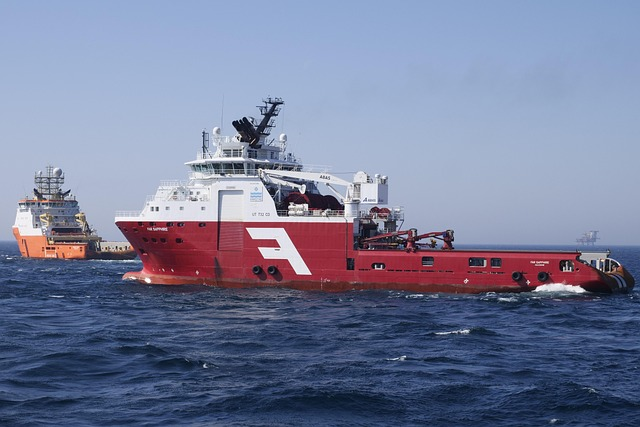
Agility is not only about surviving disruption. It is also about using disruption as a prompt to improve. Companies that adopt agile practices often become more innovative and more customer-focused, and they can act on new opportunities faster than competitors held back by rigid systems.
Here are some strategies for building supply chain agility:
Sourcing decisions sit at the centre of several of these steps. BOTI’s Procurement and Supply Chain Management Training covers the buying side, and the Logistics and Distribution Management Course covers moving and storing goods.
A supply chain strategy sets the direction, but agile operations turn it into daily action. Agile operations use short planning cycles, regular reviews of demand and supplier performance, and clear decision rights. That way, teams can reschedule production, reallocate stock or switch transport routes without waiting for a long approval process.
Retail brands show why this matters. Demand can shift quickly with promotions, seasons and consumer sentiment. Good practice for resilient retail supply chains includes:
Each of these depends on people who can read the numbers. Teams that need stronger data skills can build them through Data Analytics Fundamentals with Excel and Power BI.
At its core, supply chain agility is about people. Systems and software provide visibility, but people make the decisions, solve the problems and adapt the plans. This is where training becomes essential. Employees who are skilled in critical thinking, communication and problem-solving can turn a disruption into an opportunity.
Through Supply Chain Management Training, professionals gain the knowledge to handle uncertainty with confidence. They come to understand not only logistics but also the wider strategic and human side of trade. For a broader overview of the field, read what supply chain management covers.
The world remains volatile, and volatility also brings opportunity. Businesses that prioritise agility, adaptability and skills development will be better placed to keep customers supplied when others cannot.
Supply chain agility is not about predicting every event. It is about preparing for the unknown and building a culture that responds to change rather than fearing it.

Supply chain agility is the ability of a business to sense changes in demand or supply quickly and respond without losing service or control of costs. In practice it rests on visibility of data, flexible suppliers and logistics, close collaboration with partners and skilled people who can make decisions fast.
Agility is about speed of response: adjusting orders, routes and production as conditions change. Resilience is about the ability to absorb a shock and recover, for example through backup suppliers, buffer stock and contingency plans. Strong supply chains need both, because a fast response is of little use if the network cannot withstand the disruption in the first place.
Agile operations turn strategy into day-to-day action. They use short planning cycles, regular reviews of demand and supplier performance, and clear decision rights so that teams can reschedule production, reallocate stock or switch transport routes without waiting for a long approval process.
Common consequences include stock-outs and empty shelves, late deliveries to customers, higher costs for expedited freight and emergency purchases, idle production lines, contract penalties and damage to customer trust. The longer a disruption goes unnoticed, the larger these effects tend to become.
Yes. The BOTI Supply Chain Management Course is a one-day course that helps teams think strategically about the supply chain, analyse data and plan for contingencies. It runs in-house at your premises, at the BOTI venue in Sunningdale, Johannesburg, or live online.
Strong businesses balance efficiency with flexibility, and strategy with an understanding of people. In an unpredictable world, agile supply chains make the difference between businesses that keep delivering and those that stall.
South African organisations can strengthen their position in the global economy by investing in agility, resilience and skills development. Embracing change, building capability and training for what comes next helps businesses turn uncertainty into steady progress.
To build these skills in your team, start with BOTI’s Supply Chain Management Course. Call BOTI on 011 882 8853 or email [email protected], or request a quote. Training runs in-house at your premises, at BOTI’s venue in Sunningdale, Johannesburg, or live online. This course is not accredited. It is delivered as a professional skills programme, and delegates receive a BOTI certificate of attendance.
About Us



Monday to Friday, 08:00–17:00. After hours, we reply on the next working day – or call 011 882 8853.
Copyright text 2026 by Business Optimization Training Institute.