
Free Training & Career Tips... Subscribe to Get Weekly Career Tips

By Subscribing You are Agreeing to Terms and Conditions
Heritage Day, celebrated on September 24th in South Africa, is a day dedicated to honouring our country’s diverse cultures, languages, and traditions. Known by some as “Braai Day”, Heritage Day is also an occasion to explore and enjoy the variety of traditional dishes from South Africa’s many different cultures. Here, we take a look at some of South Africa’s favourite dishes, bringing you recipes for each one and explore how these dishes are celebrated during this time.
The dishes below are samp and beans, sweet potatoes with cassava, a slow-cooked meat stew, wild spinach, boerewors for the braai, Cape Malay bobotie and English roast lamb, each with a recipe you can cook at home. If your organisation marks Heritage Day at work, our human resources, labour and employment equity courses include training on managing a diverse workforce.
Samp and beans is a simple yet nutritious dish made from cracked maize (samp) and sugar beans. It is often cooked with ground nuts for extra richness. This dish is not only a staple in many South African households but is also a symbol of togetherness and shared heritage, making it perfect for Heritage Day.
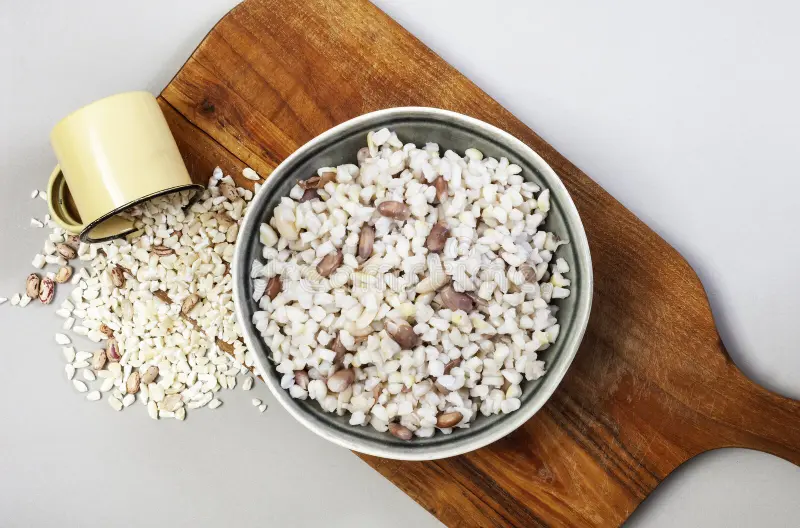
Cultural Significance: Samp and beans is a comfort food enjoyed in homes across South Africa. On Heritage Day, it’s often served as part of a communal meal, reflecting the spirit of unity and tradition that this holiday celebrates.
This traditional dish pairs sweet potatoes with cassava. Its simplicity and heartiness make it a favourite for family gatherings, and it holds particular significance on Heritage Day as a reminder of rural traditions and the bounty of the land.

Cultural Significance: This dish is enjoyed for its natural sweetness and simplicity. For Heritage Day, families often gather and share it, celebrating South Africa’s rich agricultural heritage.
A slow-cooked meat stew is a cherished dish in many South African homes, especially on special occasions. Made with beef, lamb, or chicken, this hearty stew is a reminder of home-cooked meals enjoyed around the fire.
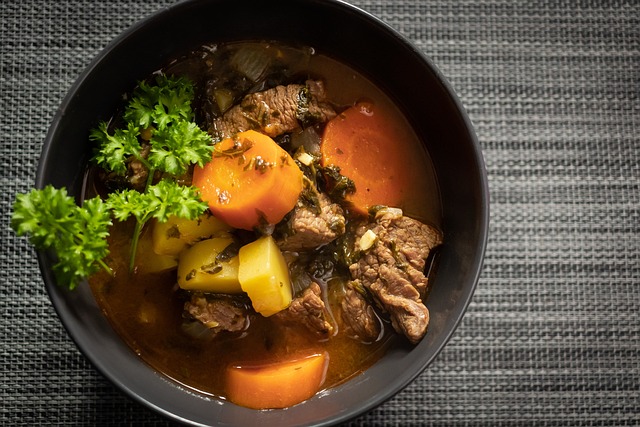
Cultural Significance: A meat stew brings people together, particularly during celebrations like Heritage Day, and is a favourite for large family gatherings.
Wild spinach is a popular traditional dish in South African cooking. It’s often served as a side with maize-based staples like pap or samp. The dish is particularly loved for its health benefits and simplicity.

Cultural Significance: Wild spinach symbolises the importance of fresh, natural ingredients in traditional South African cooking. It’s often served during Heritage Day alongside grilled meats and other staple foods.
A braai is an integral part of South African culture, particularly among the Afrikaans-speaking community. During Heritage Day, families and friends gather around the fire to grill meats like boerewors, lamb chops and steaks.

Cultural Significance: The braai is the heart of Afrikaner gatherings. It represents warmth, community, and the joy of sharing food, which is why it is such a central part of Heritage Day celebrations across South Africa.
Bobotie is a classic South African dish with Cape Malay and Afrikaner influences. This sweet and savoury dish consists of spiced minced meat baked with an egg-based topping.
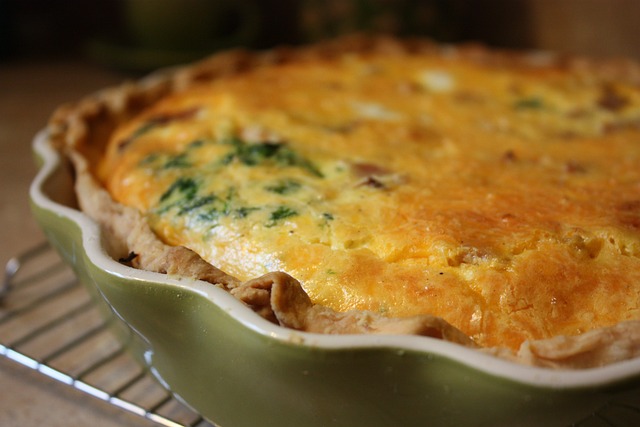
Cultural Significance: Bobotie is a beloved dish that highlights the Cape Malay influence on South African cuisine. On Heritage Day, it’s often served as a centrepiece of a meal, representing the country’s cultural fusion.
The English-speaking community in South Africa has brought with it the tradition of roast lamb, often served with mint sauce. This dish is frequently enjoyed during festive occasions, including Heritage Day, when families sit down for a hearty Sunday-style lunch.
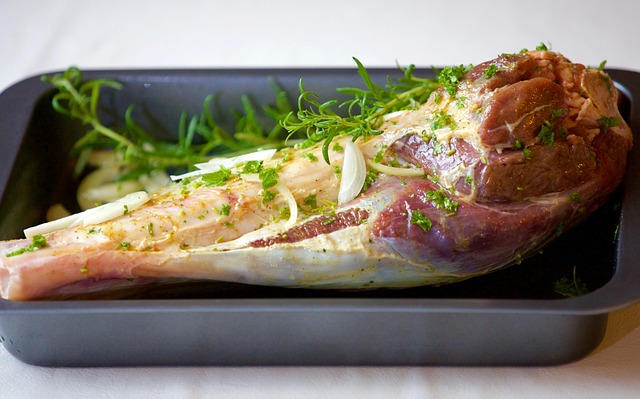
Cultural Significance: Roast lamb is a classic British dish that has found a home in South Africa. On Heritage Day, this meal is often enjoyed as part of a larger gathering, representing the English contribution to South African cuisine.
Heritage Day is a time to embrace South Africa’s diverse culinary traditions, from samp and beans to braaied boerewors. Each dish tells a story of culture, community, and shared history, making the day not only a celebration of food but also of unity in diversity. Whether gathered around a braai or enjoying a traditional stew, South Africans honour their heritage by sharing the dishes that make their cultures unique, while appreciating the threads that bind them together.
Heritage Day, on 24 September, is a day for sharing the dishes of South Africa’s many cultures. Popular choices include samp and beans, sweet potatoes with cassava, meat stew, wild spinach, bobotie, roast lamb with mint sauce and, for many families, a braai with boerewors, lamb chops and steak. Some people even call the day Braai Day.
This traditional dish pairs sweet potatoes with cassava. Peel and cube three large sweet potatoes and two cups of cassava, boil them together until tender, then drain the water and mash the mixture with a tablespoon of butter and a pinch of salt. Serve it as a side dish with grilled meat or on its own.
Heritage Day, on 24 September, honours South Africa’s cultures, languages and traditions, and for many families that means gathering around a fire to grill boerewors, lamb chops and steak with friends. Because the braai has become such a central part of Heritage Day celebrations across the country, some people call the public holiday Braai Day.
Heritage Day celebrates many cultures sharing one table, and the same respect for difference matters in everyday teamwork. BOTI’s three-day Adding Value in Managing a Diverse Workforce course is for managers who lead teams of different cultures and backgrounds. It runs in-house at your premises, at our venue in Sunningdale, Johannesburg, or online.
About Us




Monday to Friday, 08:00–17:00. After hours, we reply on the next working day – or call 011 882 8853.
Copyright text 2026 by Business Optimization Training Institute.