

Free Training & Career Tips... Subscribe to Get Weekly Career Tips

By Subscribing You are Agreeing to Terms and Conditions
In today’s dynamic and interconnected business environment, managing and mitigating risk has become critical for organizational success. Risk is inherent in every business activity, and effective risk management can make the difference between prosperity and failure. This article delves into the importance of managing and mitigating business risk, explores different types of risks businesses face, and outlines strategies to address these risks effectively.
Business risk refers to the potential for losses or adverse outcomes resulting from internal or external factors affecting an organization’s operations. These risks can be broadly categorized into several types:
Effective risk management safeguards an organization’s physical, financial, and intellectual assets. By identifying potential risks and implementing preventive measures, businesses can protect their investments, secure sensitive information, and ensure the continuity of operations.
Risk management provides a framework for making informed decisions. By understanding the potential risks associated with various business activities, leaders can make better choices that align with the organization’s risk appetite and strategic objectives. This proactive approach minimizes surprises and allows for contingency planning.
In many industries, adherence to regulations and standards is not optional. Failure to comply can result in hefty fines, legal actions, and loss of operating licenses. Risk management ensures that an organization stays compliant with all relevant laws and regulations, thus avoiding legal pitfalls and maintaining operational legitimacy.
A company’s reputation is one of its most valuable assets. Effective risk management helps maintain a positive public image by preventing incidents that could lead to negative publicity. Organizations that handle risks well are perceived as reliable and trustworthy, which can enhance customer loyalty and attract new business.
By identifying and addressing operational risks, businesses can streamline their processes and eliminate inefficiencies. This leads to improved productivity, cost savings, and better resource utilization. Risk management encourages a culture of continuous improvement, where employees are proactive in identifying and mitigating potential issues.
Workplace risks are not limited to financial and strategic concerns; they also encompass the safety and well-being of employees. Effective risk management ensures a safe working environment by identifying hazards, implementing safety protocols, and fostering a culture of health and safety. This reduces workplace accidents, enhances employee morale, and boosts overall productivity.
Incorporating risk management into business strategies promotes long-term sustainability. By anticipating and preparing for potential risks, organizations can weather economic downturns, environmental changes, and other disruptions. This resilience is crucial for maintaining competitive advantage and ensuring the longevity of the business.

The first step in risk management is identifying potential risks. This involves a thorough analysis of all business activities, processes, and external factors that could impact the organization. Tools such as SWOT (Strengths, Weaknesses, Opportunities, Threats) analysis, PEST (Political, Economic, Social, Technological) analysis, and risk assessment matrices can help in identifying risks.
Once risks are identified, they need to be assessed in terms of their likelihood and potential impact. This helps in prioritizing risks that require immediate attention versus those that can be monitored over time. Techniques such as qualitative and quantitative risk assessments, risk matrices, and scenario analysis can aid in this process.
Developing strategies to mitigate identified risks is crucial. Common mitigation strategies include:
A comprehensive risk management plan should be developed and implemented across the organization. This includes establishing risk management policies, assigning responsibilities, and integrating risk management into daily operations. Regular training and awareness programs can ensure that employees are equipped to identify and respond to risks effectively.
Risk management is an ongoing process that requires continuous monitoring and review. Regular audits, risk assessments, and performance evaluations help in identifying new risks and assessing the effectiveness of mitigation strategies. Feedback mechanisms and reporting structures should be established to ensure that risk management practices are up-to-date and effective.
Creating a culture of risk awareness is essential for effective risk management. This involves promoting open communication about risks, encouraging employees to report potential issues, and recognizing and rewarding proactive risk management behaviors. Leadership plays a crucial role in setting the tone for a risk-aware culture by demonstrating commitment to risk management and leading by example.
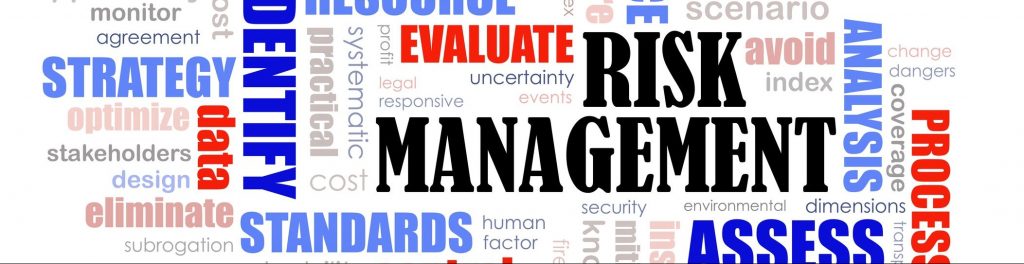
Managing and mitigating business risks is a critical component of organizational success. By understanding and addressing potential risks, businesses can protect their assets, enhance decision-making, ensure compliance, safeguard their reputation, improve operational efficiency, and promote sustainability. Effective risk management requires a proactive approach, involving risk identification, assessment, mitigation, implementation, and continuous monitoring. Fostering a risk-aware culture and embedding risk management into everyday business practices are essential for navigating the complexities of the modern business environment and ensuring long-term success.
In conclusion, risk management is not merely a defensive measure but a strategic tool that can drive growth and innovation. By embracing a comprehensive approach to risk management, organizations can turn potential threats into opportunities, enhance their resilience, and achieve their business objectives with confidence.
About Us


Monday to Friday, 08:00–17:00. After hours, we reply on the next working day – or call 011 882 8853.
Copyright text 2026 by Business Optimization Training Institute.