
Free Training & Career Tips... Subscribe to Get Weekly Career Tips

By Subscribing You are Agreeing to Terms and Conditions
A leadership mentoring programme pairs current or emerging managers with experienced mentors. The pairs meet regularly against agreed goals, so that judgement, networks and practical know-how pass from one group of leaders to the next. To build the skills mentors and mentees need, see BOTI’s leadership and management training courses. This guide explains how to design a programme that works in today’s remote and hybrid workplaces.
The current course runs at your offices anywhere in South Africa, live online or at a BOTI venue. The course page has the up-to-date outline and group prices.
See the current courseGet a quote for your teamSee all Leadership and Management courses
Learning on your own? Self-paced e-learning from R595 (excl. VAT) · Ask your employer to pay
In the new world of work, mentoring matters more than it used to. A well-run mentoring programme helps both sides. Employees grow faster and feel supported, and employers keep skills and knowledge in the organisation. The workplace has changed a great deal in the past few years, so organisations need to take mentoring seriously and support the activities that help their people develop.
In the post-pandemic era, the way most organisations work changed. Employers and employees had to adjust quickly to remote working. Employees could no longer stop at a manager’s desk for on-the-spot guidance, and managers could no longer oversee day-to-day work in person. Remote arrangements were hard at first, but they led to lasting changes in how people work, and these changes are often called the New World of Work.
Once many professionals began working from home, work-life balance and autonomy became more important to them. Some employees made their preference for remote or hybrid work clear, and some moved to other employers when those needs were not met. Employees now care about where they work and also about how the work is done. Many are asking for better work practices, such as greater diversity and inclusion and stronger mentoring programmes.
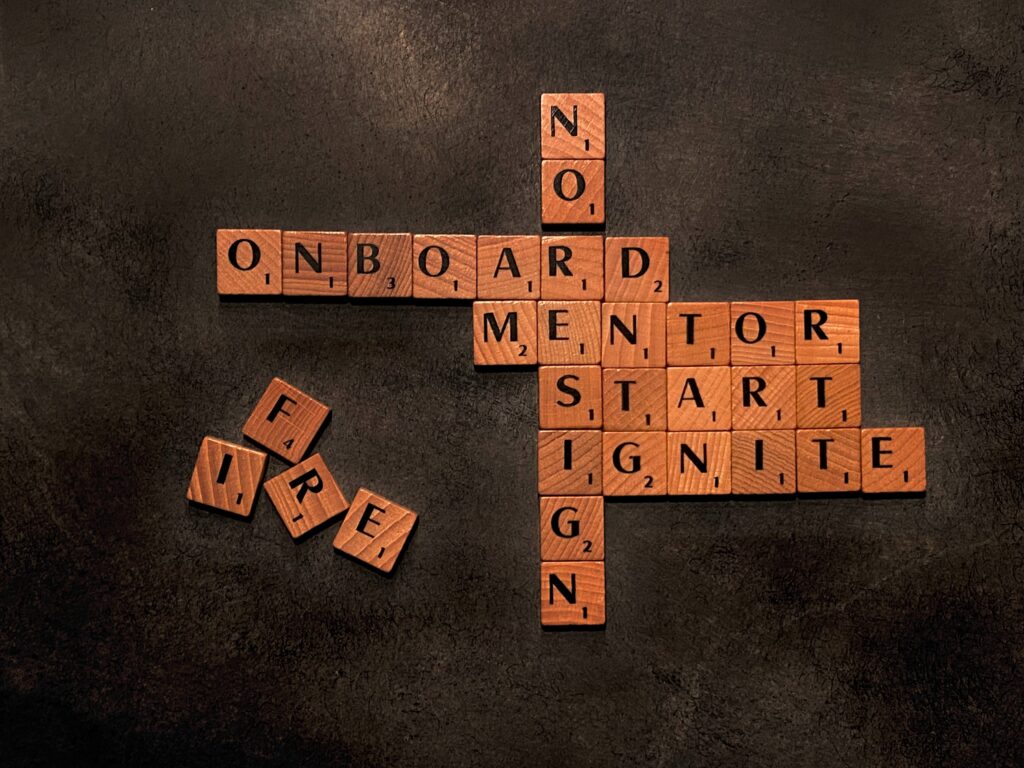
Diversity and inclusion are central to the new world of work. Both help previously disadvantaged professionals compete for the positions they deserve. Mentoring gives individuals guidance, visibility and contacts that help them get past barriers and reach their goals.
Leaders are now expected to act as coaches and mentors more than ever before. Their role is to provide a safe working environment, embrace diversity and give meaningful feedback. Instead of telling employees what to do and how to do it, a mentoring leader involves people in developing solutions and supports their growth. This approach helps leaders make full use of their team’s potential.
Programmes differ in size and formality, but most effective programmes share these elements:
If mentoring is part of a wider plan to grow future leaders, link it to your succession and talent processes. BOTI’s Talent Management and People Development Course and the article on building a leadership pipeline through succession planning cover this in more depth.
Many professionals now prefer remote or hybrid work, so businesses need to learn how to mentor at a distance. Mentors can use video platforms such as Zoom or Microsoft Teams, but they do not have to rely on these alone. Dedicated mentoring platforms make it easier to match pairs, schedule meetings and track each mentee’s progress. Whatever tools you use, agree on camera use, response times and how to keep in touch between meetings. BOTI’s Virtual Team Building and Management Course covers leading people you do not see every day.
Mentors should consider the circumstances that can affect a mentee’s performance, as a good coach would. Employees come from different social backgrounds, and they have different responsibilities and goals. That is why it matters to tailor the mentoring to each person’s situation. One-on-one mentoring built around each employee’s circumstances helps build trust between mentor and mentee.
Mentoring is not a one-way street in which a manager simply gives instructions to a junior staff member. In reverse mentoring, junior employees mentor senior leaders on topics such as new digital tools, changing customer expectations, or equality, diversity and inclusion. This helps leaders see the organisation from another angle. It also gives junior staff visibility and confidence.
Senior leaders also benefit from a trusted sounding board. At director level, mentoring often focuses on strategic decisions, stakeholder relationships, governance and handling pressure. Because few people inside the organisation are senior enough to mentor a director, many organisations combine internal peer mentoring with external one-on-one coaching. BOTI offers Senior Leadership Coaching: 6 x 1-Hour One-on-One Sessions for this purpose.
Employer mentoring programmes for students, graduates and interns help young people settle into work, understand how the organisation operates and build professional habits early. Newly promoted managers are another important group, as the step from specialist to manager is often the hardest. Pair mentoring with structured learning such as BOTI’s Developing New Managers Course or Leadership and People Management.
Mentoring is usually a longer relationship in which an experienced person shares knowledge, advice and contacts to support someone’s overall career growth. Coaching is usually shorter and focused on specific goals or behaviours, and the coach helps the person find their own answers through questions. Good leaders use both. For more on the coaching side, read coaching skills for managers.
The world of work has changed a great deal in the past few years, and mentorship plays an important part in helping people adapt. By adjusting your mentoring programmes to the new world of work, you can meet your workforce’s needs, develop people’s potential and build a stronger, more capable workforce.
A leadership mentoring programme is a structured arrangement in which current or emerging leaders are paired with experienced mentors. The pairs meet regularly against agreed goals to build leadership judgement, confidence and networks.
There is no fixed rule. Many organisations run mentoring in cycles of several months with regular meetings, then review the outcomes before starting the next cycle. Agree the length up front in the mentoring agreement.
Yes. Mentoring works well online when pairs keep a regular meeting rhythm, agree how to stay in touch between meetings and use tools that make scheduling and progress tracking easy.
Training helps a great deal. Experienced managers are not always skilled mentors, so short training in listening, questioning, giving feedback and setting goals makes the mentoring relationship more useful for both sides.
To prepare your managers to mentor and coach others with confidence, book BOTI’s Coaching and Mentoring Course. Training runs in-house at your premises, at BOTI’s venue in Sunningdale, Johannesburg, or live online. Call BOTI on 011 882 8853 or email [email protected], or request a quote. This course is not accredited. It is delivered as a professional skills programme, and delegates receive a BOTI certificate of attendance.
About Us




Monday to Friday, 08:00–17:00. After hours, we reply on the next working day – or call 011 882 8853.
Copyright text 2026 by Business Optimization Training Institute.