
Free Training & Career Tips... Subscribe to Get Weekly Career Tips

By Subscribing You are Agreeing to Terms and Conditions
A workplace training platform is the system a company uses to deliver, schedule, track and update staff training. It can be a learning management system (LMS), a live online classroom or a planned mix of in-person and online sessions. The platforms that work keep training continuous, matched to each role and easy to measure. BOTI’s corporate training programmes and short courses can be delivered in any of these formats. Below are the trends shaping how South African organisations train their people.
Over the past few years, the workplace has changed a great deal, and Learning and Development (L&D) has changed with it. The move to hybrid and remote work has changed how training is delivered. Faster technological change has made new skills necessary. Employers are also paying closer attention to employee wellbeing and mental health. Together, these shifts are shaping how organisations plan training.
Current L&D trends follow the way businesses are adapting to new ways of working. Training now covers greater reliance on digital tools, more specialised roles and closer attention to employee wellbeing. None of these ideas is new, but each now has a bigger influence on how employees are trained. These are the main trends.
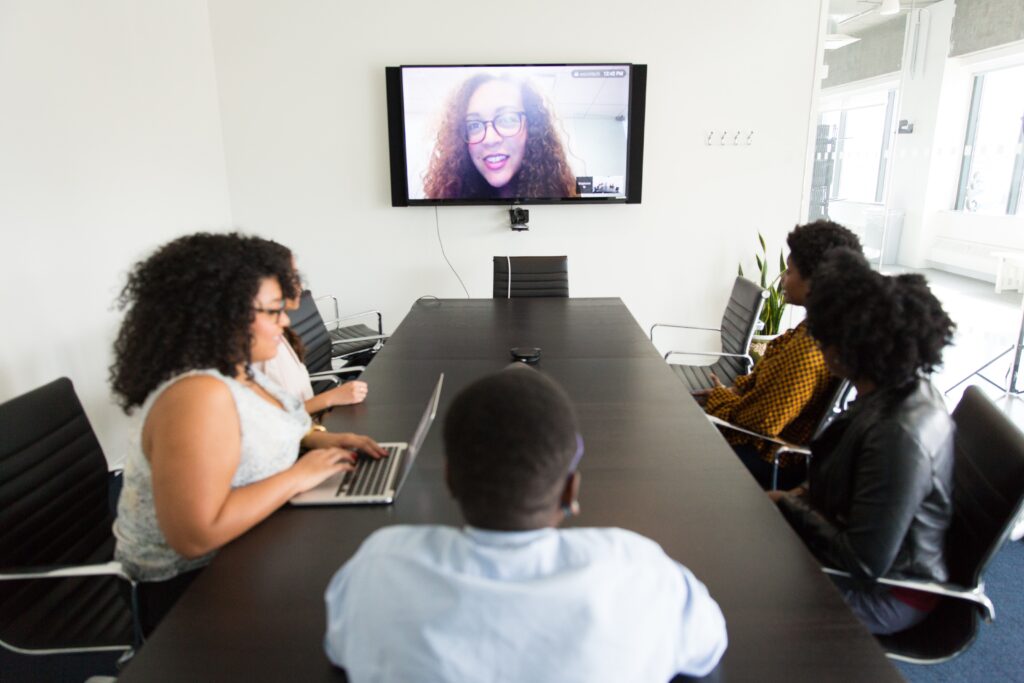
Much of today’s work happens online, from remote and hybrid teams to virtual collaboration and e-commerce. Digital skills are therefore essential for most businesses. Choosing the right technology is only half the task: employees also have to be comfortable and capable with it. Managers, team leaders and staff all need to understand these tools well enough to improve how work gets done.
That is why digital literacy now sits near the top of most training agendas. Many teams start with core office software, for example a Microsoft Office Essentials course. They then move on to newer tools, such as AI tools for everyday productivity.
Treating learning as an ongoing activity, rather than a one-off event, helps employees handle their responsibilities and stay engaged. For example, training can continue well beyond onboarding, so that staff keep up with the content and skills their roles require. People who keep learning tend to become more effective and more satisfied in their work, and the business gains a more skilled workforce.
Tailoring training to the people taking it also makes employees more confident in their specific roles. As jobs become more specialised, a well-run learning management system (LMS) helps you prepare your team for what comes next. A few tips for making your L&D strategy more customised and continuous:
For more practical guidance, read BOTI’s tips for setting up a learning management system in South Africa.
Whether you use an LMS, live online classes, in-person workshops or a mix, the platform should support the way your people actually work. When you compare options, check whether the platform can do the following:
A platform is only as useful as the training delivered on it. Decide first what each team needs to be able to do. Then choose the format: online for spread-out teams, in-house for groups at one site, or a public venue for individuals. BOTI’s article on choosing an online training platform for employees covers this in more detail.
Businesses and individuals are rethinking work-life balance, so not all training needs to be job-specific. The trend is towards greater support for employee health and wellbeing. Remote and hybrid work brought this issue into focus, and burnout has shown the real risks of stress and overwork.
Organisations are therefore offering more training on physical, mental and financial health. This covers both a healthier working environment and personal wellness. Topics include:
BOTI runs short courses on several of these topics, including Stress Management Training and a Work-Life Balance Course.
Sound leadership sits at the core of most successful businesses, and weak leadership tends to bring low engagement and higher staff turnover. Organisations that want to keep good people give their leaders the skills to improve teamwork, improve the employee experience and keep the workplace safe. These skills also help leaders to resolve conflict, delegate well and make sound decisions.
Leadership training also builds a pool of capable people who can be promoted from within. A practical starting point is Leadership and People Management training for new and existing managers.
For training to prepare a business for the future, it has to keep adapting. It should help employees deal with change, new technology and new ways of working. Employees with access to relevant training are usually more satisfied in their work, which supports retention. To know whether training is paying off, measure it: agree goals before training, check what changes on the job afterwards, and use the results to plan the next round.
A workplace training platform is the system a company uses to deliver, schedule, track and update staff training. It may be a learning management system, a live online classroom or a planned mix of online and in-person sessions.
The main trends are a stronger focus on digital skills, continuous learning matched to each role, more training on wellbeing and work-life balance, and leadership development to help retain staff.
It depends on the team and the skill. Live online training suits teams spread across sites. In-house training suits groups at one location. A venue suits individuals or mixed groups. Practical and people skills usually benefit from a live facilitator in either format.
Agree clear goals before the training, then check what changes in behaviour and results on the job afterwards. Recording attendance and assessment results on your training platform gives you the evidence to plan the next round.
To plan training that shows results, look at BOTI’s Measuring Results from Training: Training Evaluation Course. It helps L&D and HR teams set goals for training and check its impact on the job. Training runs in-house at your premises, at BOTI’s venue in Sunningdale, Johannesburg, or live online. This course is not accredited. It is delivered as a professional skills programme, and delegates receive a BOTI certificate of attendance. Call BOTI on 011 882 8853 or email [email protected], or request a quote.
About Us




Monday to Friday, 08:00–17:00. After hours, we reply on the next working day – or call 011 882 8853.
Copyright text 2026 by Business Optimization Training Institute.