People are living and working longer than ever, so organisations need staff who keep learning throughout their careers. A viral claim that the World Health Organisation now calls everyone aged 18 to 65 ‘youth’ is a hoax, but the trend behind it is real. This article covers what longer working lives mean and how to build a learning organisation – see BOTI’s human resources and people development courses.
Related: Cursos de Formação em Moçambique: Formação em Português para Equipas.
Related: A good ice breaker could do wonders.
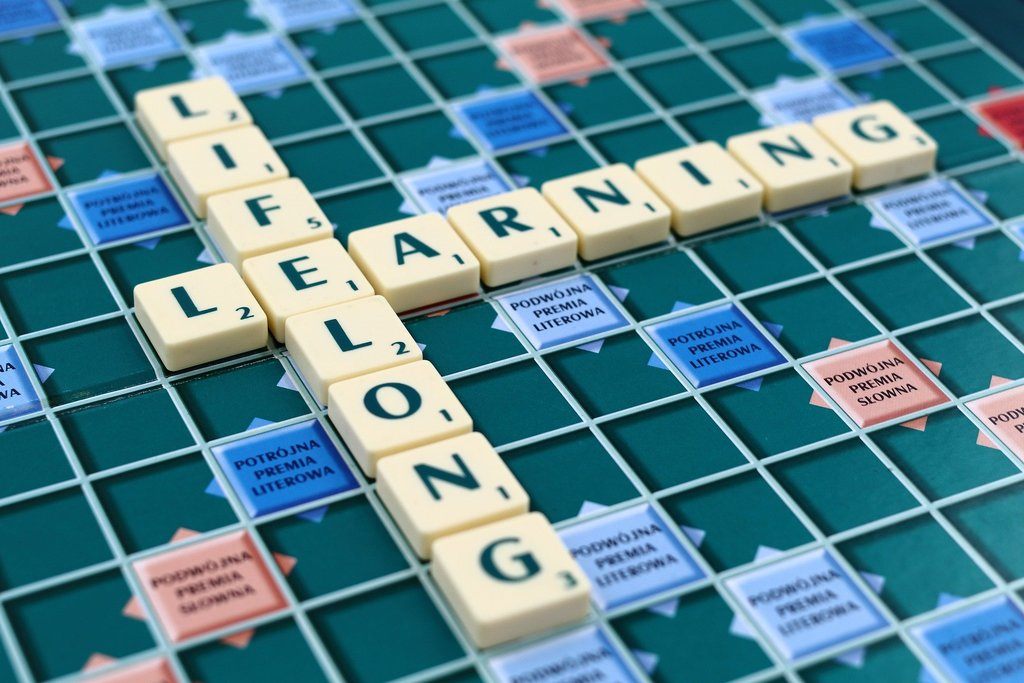
A widely shared age table is a hoax
A table claiming that the World Health Organisation now classifies people aged 18 to 65 as ‘youth’, 66 to 79 as ‘middle-aged’ and 80 to 99 as ‘elderly’ has circulated online for years. The WHO has not published this classification. The real trend behind it is true, though: people are living longer and working longer, and that changes how organisations should think about learning.
People are living longer
Over the past two centuries, life expectancy has risen dramatically. In the early 1800s a large share of children died before their fifth birthday; today, thanks to vaccination, better nutrition, cleaner water and safer living conditions, far more children survive into adulthood, and people who reach old age tend to live longer than their grandparents did.
What longer lives mean for the workplace
- Many people keep working, studying or running businesses well past traditional retirement ages.
- Older employees bring experience and can mentor younger colleagues.
- Teams span more generations, so knowledge-sharing and respect across age groups matter more.
- Skills learnt early in a career go out of date, so people need to keep learning throughout it.
Becoming a learning organisation
A learning organisation helps its people keep learning and uses what they learn to improve how it works. The idea grew out of systems thinking, which looks at an organisation as a whole rather than as separate parts. In practice, learning organisations share knowledge openly, learn from mistakes, encourage experimentation and build development into everyday work rather than treating training as a once-off event.
You are never too old to learn
The saying ‘you can’t teach an old dog new tricks’ does not hold at work. Adults of any age learn well when training is practical, relevant to their job and respects the experience they bring. Organisations that invest in lifelong learning keep their people’s skills current, retain experienced staff for longer and pass knowledge from one generation to the next.
Organisational development courses at BOTI
- Lead People Development and Talent Management (3 days)
- Talent Management and People Development Course (1 day)
- Coaching and Mentoring Course (2 days)
- Applying the Principles of Knowledge Management (3 days)
- For learning and development professionals, the QCTO Occupational Certificate: Learning and Development Advisor (NQF Level 7); new learners must enrol by 31 December 2026[1].
Frequently asked questions
Did the WHO change the age of youth to 65?
No. The table claiming that the World Health Organisation classifies people aged 18 to 65 as youth is a hoax; the WHO has not published such a classification.
What is a learning organisation?
A learning organisation helps its people keep learning and uses that learning to improve how it works, by sharing knowledge, learning from mistakes and building development into everyday work.
Why does lifelong learning matter at work?
People are working for longer, and skills date quickly, so continuous learning keeps staff effective, helps retain experienced people and passes knowledge between generations.
Which BOTI courses support organisational development?
BOTI runs courses in people development and talent management, coaching and mentoring, and knowledge management, plus the QCTO Occupational Certificate: Learning and Development Advisor.
Build a learning culture with BOTI’s Lead People Development and Talent Management (3 days) course. Training runs in-house at your premises, at BOTI’s venue in Sunningdale, Johannesburg, or live online. Call BOTI on 011 882 8853 or email [email protected], or request a quote. This course is not accredited. It is delivered as a professional skills programme, and delegates receive a BOTI certificate of attendance.
Sources
- Occupational Certificate: Learning and Development Advisor (SAQA ID 118774) – South African Qualifications Authority (SAQA), 2026.