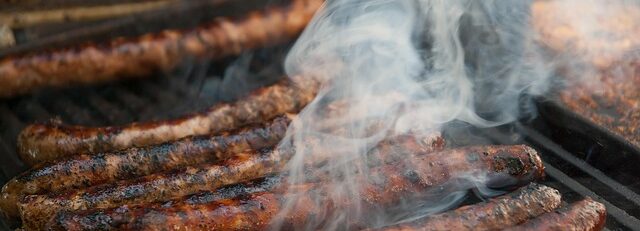
A South African braai is a meal cooked over open coals from wood or charcoal, usually meat on a grid with side dishes, shared outdoors with family, friends or colleagues. On Heritage Day, 24 September, many South Africans braai to celebrate the cultures that make up the country. Many workplaces also hold a team braai, which is why topics such as working well across cultures feature in BOTI’s teamwork and workplace effectiveness courses.
Heritage Day invites us to reflect on the cultures, languages and histories that make up the South African story. Over the years the day has also become widely known as Braai Day. It is a reminder that while we come from diverse backgrounds, we share a language everyone understands: the smoke, the grid and the gathered table.
This year we are moving past the history books to celebrate our heritage where it comes alive, around the fire. To help you plan the feast, here is a menu with three recipes from different traditions. The first is herb-infused grilled lamb chops inspired by English cooking. The second is a traditional Afrikaans potjie, and the third is a hearty Zulu accompaniment that brings depth to the table.
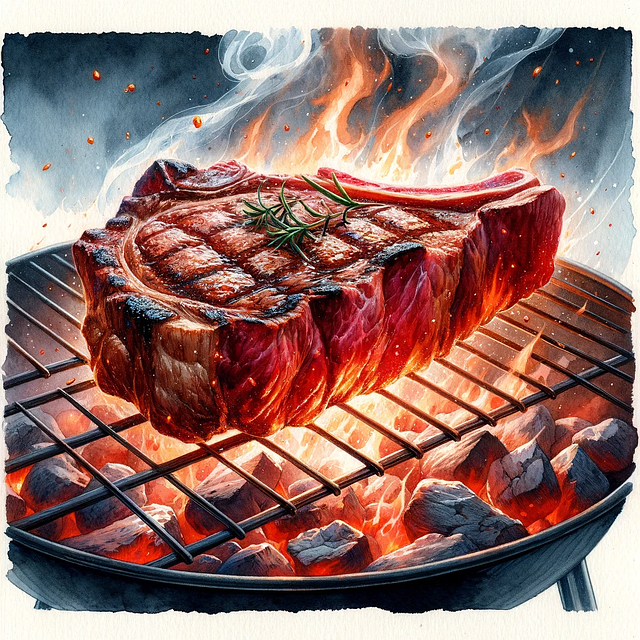
Recipe 1 (English Tradition): Rosemary and Garlic Grilled Lamb Chops with Mint Chimichurri
In many South African homes with British heritage, Sunday roasts and weekend braais are built around the rich, earthy flavour of good lamb with fresh garden herbs.
Ingredients
- For the Chops:
- 8 thick-cut lamb loin or rib chops
- 4 cloves garlic, finely minced
- 3 tablespoons fresh rosemary, finely chopped
- 1/4 cup extra virgin olive oil
- Juice of 1 large lemon
- Coarse sea salt and freshly cracked black pepper to taste
- For the Mint Chimichurri:
- 1 cup fresh mint leaves, finely chopped
- 1/2 cup flat-leaf parsley, finely chopped
- 2 cloves garlic, crushed
- 1/2 cup olive oil
- 2 tablespoons red wine vinegar
- A pinch of chilli flakes (optional)
Method
- Marinate the Lamb: In a shallow dish, combine the minced garlic, chopped rosemary, olive oil, lemon juice, salt and pepper. Coat the lamb chops thoroughly, massaging the herbs into the meat. Cover and let them marinate at room temperature for at least 30 minutes.
- Prepare the Chimichurri: While the meat marinates, mix the chopped mint, parsley and garlic in a bowl. Stir in the olive oil, red wine vinegar and chilli flakes. Season with a pinch of salt and set aside to let the flavours meld.
- Braai the Chops: Position your grid over hot, glowing coals. You want a high heat to sear the outside while keeping the inside tender and juicy. Place the chops on the grid and braai for about 4 to 5 minutes per side for medium-rare, or until cooked to your preference.
- Serve: Remove the chops from the fire and let them rest for 5 minutes. Drizzle generously with the fresh mint chimichurri before serving alongside a crisp garden salad.
Recipe 2 (Afrikaans Tradition): Traditional Lamb and Vegetable Potjiekos
No discussion of Afrikaans heritage cooking is complete without potjiekos. It is cooked slowly over dying embers in a three-legged cast-iron pot, and this dish is as much about patience and conversation as it is about flavour.
Ingredients
- 1.5 kg lamb neck or shoulder pieces, cut into chunks
- 3 tablespoons cooking oil or sheep’s tail fat (skaapstertjie) for rendering
- 2 large onions, chopped
- 3 cloves garlic, crushed
- 500g baby potatoes, washed and left whole
- 4 carrots, sliced into thick rounds
- 2 cups fresh or frozen green beans
- 1 cup beef stock
- 1 cup dry white wine or dry sherry
- 2 bay leaves
- 1 teaspoon dried thyme
- Salt and freshly ground black pepper to taste
Method
- Seal the Meat: Heat your cast-iron pot directly over the fire. Add the oil or fat and brown the lamb pieces in batches until golden brown. Remove and set aside.
- Build the Base: In the same pot, sauté the chopped onions and garlic until translucent and fragrant. Return the browned lamb to the pot, layering it over the onions.
- Layer the Vegetables: Pour in the wine and beef stock. Add the bay leaves and thyme. Now layer your vegetables carefully on top of the meat without stirring. Start with the potatoes, then add the carrots and finish with the green beans on top. The golden rule of a potjie is no stirring once the layers are set, so the steam cooks everything evenly.
- Simmer Slowly: Cover the pot with its lid and let it simmer gently over low coals for 2.5 to 3 hours. Try not to lift the lid or stir too often. Add a splash more stock if it looks dry, but trust the moisture of the closed pot.
- Serve: Once the meat is fall-apart tender and the vegetables are soft, gently fold the layers together just before dishing up. Serve piping hot in bowls.
Recipe 3 (Zulu Tradition): Isigwaqa (Creamy Maize Meal and Beans)
Isigwaqa is a traditional Zulu dish that adds comforting indigenous flavour to your braai. It combines maize meal (pap) with mashed cooked beans. The result is a hearty, textured side that goes well with rich meats and sauces.
Ingredients
- 2 cups dry sugar beans (or speckled sugar beans), soaked overnight and boiled until soft
- 3 cups maize meal (phutu or standard maize meal)
- 4 cups water (plus extra for boiling beans)
- 2 tablespoons butter or margarine
- 1 teaspoon salt (adjust to taste)
Method
- Cook the Beans: Make sure your pre-soaked beans are fully cooked, tender and drained of excess water. Keep a small amount of the cooking liquid handy.
- Prepare the Base: Bring the 4 cups of water and salt to a boil in a heavy-based pot.
- Add Maize Meal: Pour the maize meal into the centre of the boiling water to form a mound. Do not stir immediately. Let it steam with the lid on for about 5 minutes over medium-low heat.
- Combine and Mash: Using a strong wooden spoon, mix the maize meal vigorously until crumbly. Add the cooked, tender beans directly into the pot along with the butter.
- Mash Together: Keep stirring and mashing until the beans blend smoothly into the maize meal. You want a thick, even and comforting consistency.
- Simmer: Cover and let it steam on low heat for another 10 to 15 minutes, stirring occasionally to prevent burning at the bottom.
- Serve: Serve hot as a traditional accompaniment to your braai meats and potjiekos gravies.
This Heritage Day, let your fire bring people together across cultural lines. Happy braaiing.
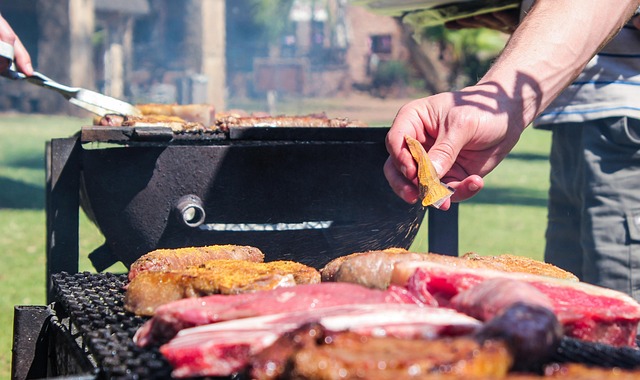
Planning a Heritage Day braai for your team
A braai at work is a simple way to mark Heritage Day and get to know colleagues outside meetings. With a little planning, everyone can take part and enjoy the food.
- Ask about food needs early: check for dietary and religious requirements, such as halal, vegetarian or no pork, before you buy meat and plan the menu.
- Keep food separate: use a separate grid, tongs and boards for halal and vegetarian food. Keep raw meat away from cooked food and salads.
- Start the slow dishes first: a potjie needs 2.5 to 3 hours on low coals, so light the fire for it well before the chops go on.
- Put someone in charge of the fire: never leave the fire unattended. Keep water or a fire extinguisher nearby, and choose a spot away from buildings, dry grass and walkways.
- Share the heritage: invite colleagues to bring a dish from their own tradition and say a few words about where it comes from.
For more on celebrating the many cultures in your workplace, read Heritage Month: one nation, many stories and our guide to what cultural diversity means at work.
Frequently asked questions
What is a South African braai?
A braai is the South African way of cooking over open coals from wood or charcoal. It is usually meat such as lamb chops, boerewors or chicken on a grid, served with side dishes such as pap, salads and potjiekos. It is as much a social occasion as a meal.
Why is Heritage Day called Braai Day?
Heritage Day falls on 24 September and celebrates the cultures, languages and traditions of South Africa. Because so many families and communities mark the public holiday around a fire, it has become widely known as Braai Day.
What food is served at a traditional South African braai?
Grilled meat is the centre of most braais, and lamb chops, boerewors and chicken are common choices. Side dishes vary by family and tradition and can include pap or isigwaqa, potjiekos, salads and grilled vegetables.
How long does a potjie take to cook?
The lamb and vegetable potjie in this article simmers over low coals for 2.5 to 3 hours after the meat is browned, so start it well before your guests arrive.
How can a company host an inclusive braai at work?
Ask colleagues about dietary and religious requirements beforehand, keep separate grids and utensils for halal and vegetarian food, and invite people to bring a dish from their own tradition. Keep the fire supervised and water or a fire extinguisher close by.
BOTI does not run a cooking or braai course. If your Heritage Day braai is part of a wider effort to bring a diverse team together, the closest BOTI course is Adding Value in Managing a Diverse Workforce, a 3-day course for managers and team leaders. For a shorter team session, look at Build Winning Teams to Achieve Company Objectives (1 day). If you organise staff functions, there is also Events Management Expertise: Meetings, Functions and Travel (2 days). Training runs in-house at your premises, at BOTI’s venue in Sunningdale, Johannesburg, or live online. Call BOTI on 011 882 8853 or email [email protected], or request a quote.
This course is not accredited. It is delivered as a professional skills programme, and delegates receive a BOTI certificate of attendance.