The modern workplace has undergone a seismic shift in recent years, transforming traditional notions of professional attire. With the rise of remote work, flexible hours, and evolving workplace cultures, dress codes have become more relaxed, accommodating a variety of styles from formal wear to athleisure. As we step into 2024, understanding the nuances of appropriate dress codes in the new world of work is essential for maintaining professionalism while embracing comfort and individuality.
The Evolution of Workplace Attire
Historically, the corporate dress code was synonymous with business suits, ties, and polished shoes. However, the advent of remote work and a greater emphasis on work-life balance have led to significant changes. Today, it’s not uncommon to see employees in tracksuits, sneakers, and leggings, especially when working from home. This shift reflects a broader trend towards casualization and a focus on personal comfort and expression.
Related: Maximising Team Performance: Mastering Psychological Safety in a World of Rapid Technological Flux.
Related: Technological awareness: how to guide your organisation from awareness to reinforcement.
A dress code is an organisation’s shared standard for what people wear at work, and it differs from career to career: client-facing professionals usually dress formally, while creative and remote roles allow more casual wear. This guide explains when casual is acceptable, when formal is required and what to wear for each workplace occasion. For teams that want a shared standard of professional conduct as well as dress, BOTI’s workplace essentials courses cover the everyday skills that sit alongside a dress code policy.

When Casual is Acceptable
Casual attire, including athleisure wear, has found its place in many modern workplaces, but there are certain contexts where it is most appropriate:
- Remote Work:
- Do: Embrace comfort with casual wear like tracksuits, leggings, and sneakers, especially when your tasks do not require video conferencing.
- Don’t: Wear overly casual or unkempt clothing that could undermine your professionalism if you need to join an unexpected video call.
- Creative Industries:
- Do: Wear casual and trendy outfits that reflect the innovative spirit of the industry. Jeans, casual shirts, and sneakers are often acceptable.
- Don’t: Assume all casual attire is acceptable; always consider the specific company culture and norms.
- Casual Fridays:
- Do: Dress down in jeans and casual tops, maintaining a neat and put-together look.
- Don’t: Wear items that are too casual or inappropriate, such as flip-flops or overly distressed clothing.

When Formal is Required
While casual attire is gaining acceptance, there are still situations where dressing formally is essential:
- Client Meetings:
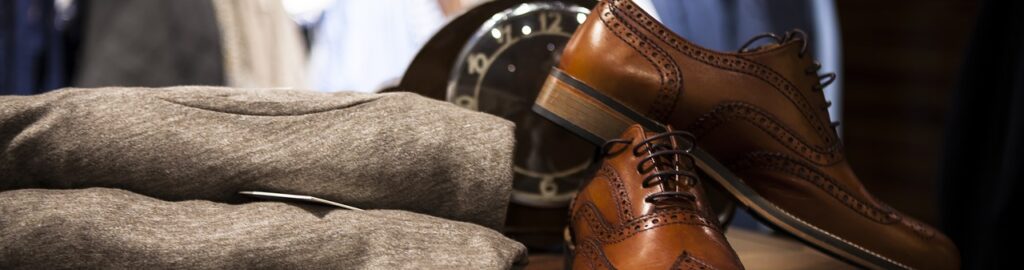
- Do: Opt for business attire, such as suits, dress shirts, and formal shoes, to convey professionalism and respect.
- Don’t: Wear casual or informal clothing that could be perceived as disrespectful or unprofessional.
- Presentations and Conferences:
- Do: Dress formally or business casual, depending on the event’s formality. For men, blazers, dress pants, and polished shoes are recommended.
- Don’t: Wear overly casual clothes that could detract from your credibility and the seriousness of your presentation.
- Interviews:
- Do: Always dress in formal business attire to make a positive first impression. For women, smart business attire is recommended and for men, a well-fitted suit, tie, and polished shoes are ideal.
- Don’t: Assume that a casual company culture extends to interview attire. It’s better to be overdressed than underdressed.

Dress Styles for Different Workplace Occasions
Understanding the appropriate dress code for various workplace occasions can help employees navigate their wardrobes effectively:
- Day-to-Day Office Wear:
- Traditional Corporate: Suits, dress shirts, ties, and dress shoes for men; tailored dresses, skirts, blouses, and heels for women.
- Modern Corporate: Business casual, including chinos, blazers, and loafers for men; slacks, blouses, and flats for women.
- Remote Work:
- Casual Comfort: Athleisure wear, such as tracksuits, leggings, and comfortable tops. Maintain a presentable appearance for video calls with a neat, casual top and well-groomed appearance.
- Smart Casual: Polo shirts, casual blazers, and jeans for men; casual dresses, blouses, and comfortable pants for women.
- Client Interactions and Formal Meetings:
- Business Professional: Dark suits, ties, and dress shoes for men; tailored dresses, blazers, skirts, and pumps for women.
- Business Casual: Dress shirts without ties, chinos, and loafers for men; blouses, slacks, and ballet flats for women.
- Team Building Events and Company Outings:
- Casual: Comfortable jeans, casual tops, and sneakers are generally acceptable. However, ensure the attire is appropriate for the activity and the environment.
- Activity-Specific: Dress according to the planned activities, such as sportswear for outdoor events or smart casual for a casual dinner outing.
Do’s and Don’ts of Workplace Attire
To strike the right balance between casual and formal wear in the modern workplace, consider these guidelines:
Do’s:
- Know Your Audience: Dress according to who you will be interacting with. Clients and executives often expect more formal attire.
- Prioritize Neatness: Regardless of how casual your outfit is, ensure it is clean, neat, and well-maintained.
- Adapt to Company Culture: Observe and align with your organization’s dress code policies and cultural norms.
- Dress for the Occasion: Differentiate between everyday wear, client meetings, and special events, adjusting your attire accordingly.
- Stay Updated: Fashion trends and workplace norms evolve. Stay informed about current standards to ensure your attire is appropriate.
Don’ts:
- Overstep Boundaries: Don’t assume that casual dress codes allow for overly relaxed or inappropriate clothing.
- Neglect Grooming: Personal hygiene and grooming are as important as the clothes you wear.
- Ignore the Details: Pay attention to the fit and condition of your clothes. Ill-fitting or worn-out items can undermine your appearance.
- Mix Inappropriately: Avoid mixing overly casual items with formal pieces in a way that looks uncoordinated or unprofessional.
- Underestimate Impact: Remember that your attire can influence perceptions of your professionalism and competence.
Conclusion
As the workplace continues to evolve, understanding and navigating dress codes is crucial. The blend of casual and formal attire reflects broader changes in work culture, emphasizing flexibility and personal expression. By being mindful of the context, occasion, and company culture, employees can dress appropriately, maintaining professionalism while embracing the comfort and individuality that modern work environments offer. Whether working remotely or in-office, striking the right balance in your attire can enhance your confidence, performance, and overall professional image.
Frequently asked questions
What is a professional dress code?
A professional dress code is the standard of clothing an organisation expects at work. It ranges from traditional corporate wear, such as suits, ties and dress shoes or tailored dresses and skirts, through business casual, such as chinos, blazers, slacks and blouses, to smart casual. Whatever the level, clothes should be clean, neat, well fitting and in line with your organisation’s policy.
Does the dress code differ between careers?
Yes. Client-facing roles usually call for business attire, such as suits, dress shirts and formal shoes, because clients and executives expect it. Creative industries often accept jeans, casual shirts and sneakers, and remote work allows comfortable wear unless you are on a video call. For team events, dress for the activity, such as sportswear outdoors or smart casual for a dinner.
What is the difference between business professional and business casual?
Business professional is the most formal level: dark suits, ties and dress shoes for men, and tailored dresses, blazers, skirts and pumps for women. Business casual drops the tie and the full suit: dress shirts, chinos and loafers for men, and blouses, slacks and ballet flats for women. Client meetings and formal presentations usually call for business professional.
What should I wear to a job interview?
Dress in formal business attire, even if the company has a casual culture. For men that means a well-fitted suit, tie and polished shoes; for women, smart business attire. It is better to be overdressed than underdressed, and neat grooming and clothes that fit well and are in good condition matter as much as the outfit itself.
What is acceptable to wear on casual Fridays?
Casual Fridays allow you to dress down in jeans and casual tops, but the look should still be neat and put together. Avoid items that are too casual or inappropriate for work, such as flip-flops or heavily distressed clothing, and remember that a client meeting on a Friday still calls for business attire.
If your team needs a shared standard for how to present itself to clients and colleagues, BOTI’s Business Etiquette Training runs in-house at your premises, at BOTI’s venue in Sunningdale, Johannesburg, or online. It is not accredited; delegates receive a BOTI certificate of attendance. Call 011 882 8853 or email [email protected].